Navigating Exam Stress and Jaw Pain: A Guide for Students and Professionals
Explore how exam stress can lead to jaw pain and bruxism, and discover effective relief strategies.
Big test coming up? You might have noticed your jaw feels like it spent the night pumping iron. That's no coincidence. Researchers have tracked the link between academic or professional pressure and sore jaw muscles for years. The takeaway is simple: stress can crawl out of your brain, sneak into your mouth, and make your teeth grind like a cheap coffee grinder. For more on how stress exacerbates this issue, explore how stress makes bruxism worse.
Explore what science says about exam stress, bruxism, and jaw pain. You’ll find practical tips to try tonight, plus a look at medical options if home care isn’t enough. Consider this your study guide to a calmer mind and a quieter jaw.
Understanding the Connection Between Exam Stress and Jaw Pain
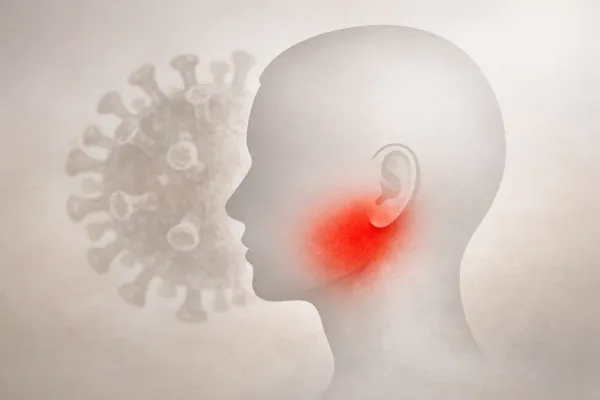
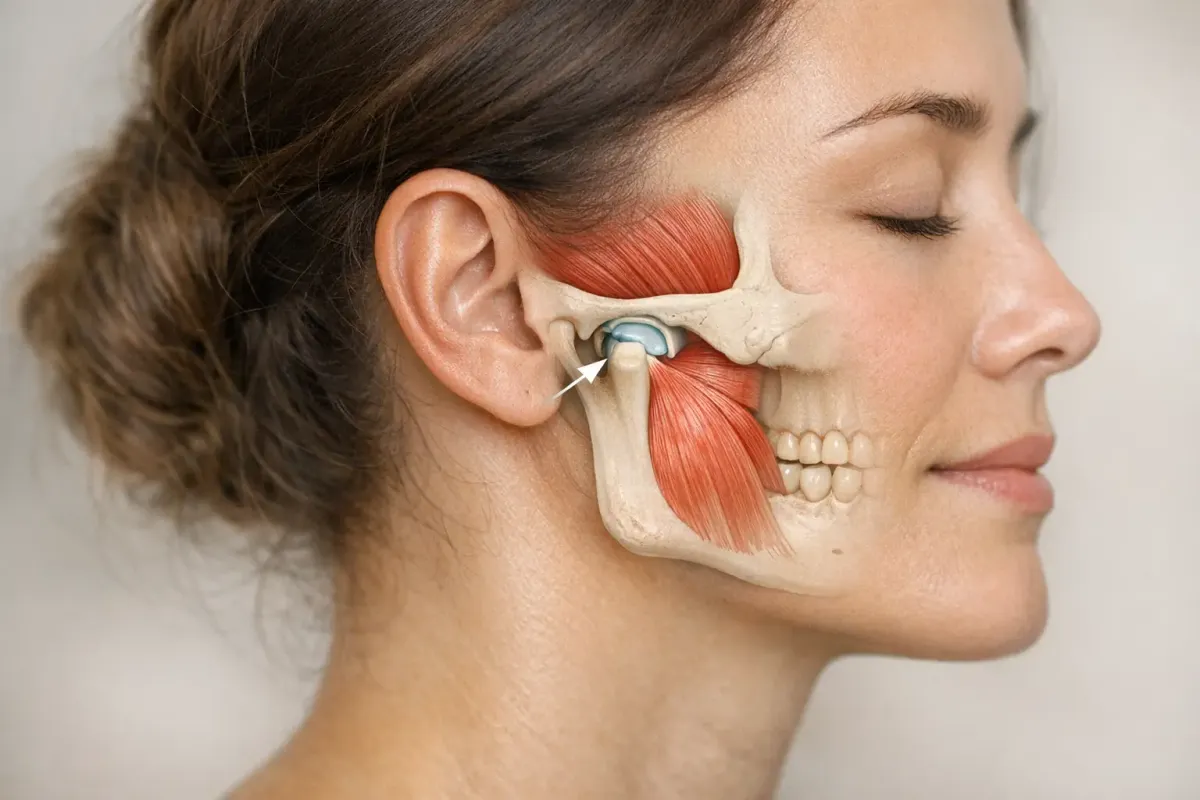
Stress is a survival tool, but during exam season, you sometimes get more cortisol than coffee in your bloodstream. Elevated stress hormones can tighten muscles and amplify pain signals. The temporomandibular joint, or TMJ, is one of the first places to complain. Animal studies, like Silveira et al. 2016, show emotional stress boosts orofacial pain in rats, especially when the endocannabinoid system is blocked. Translation: stress makes jaw muscles more sensitive to pain.
Human data echo those findings. A recent Mendelian randomization analysis by Du et al. 2025 examined genetic links between temporomandibular disorders (TMD) and stress-related habits like bruxism. The study suggests a two-way relationship. If you have a genetic tilt toward bruxing, stress may flip the switch. If you already live with TMD, the discomfort can raise your baseline stress, creating a loop. For more insights, see why jaw pain might be a sign of stress.
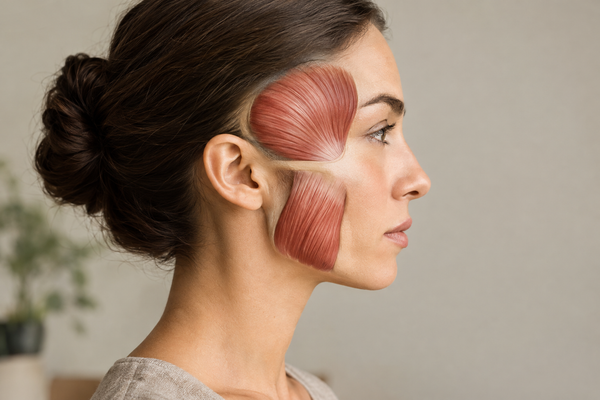
When you sit for long hours with shoulders hunched over practice tests, your posture also changes muscle tension in the neck and jaw. The masseter and temporalis muscles end up compensating. Add caffeine, lack of sleep, and maybe the endless replaying of flashcards in your head, and you get a recipe for clenching or grinding. Over time, these microtraumas can tip the TMJ out of alignment and launch headaches, earaches, or clicking noises when you chew. For strategies to improve posture and reduce jaw pain, explore the surprising link between posture and jaw pain.
You’re not imagining the timing. Surveys from dental clinics show that appointments for jaw pain spike around finals and board-certification seasons. Dentists often find fresh tooth wear marks or cracked fillings right after big academic deadlines. In short, exam stress can trip several switches at once: chemical, mechanical, and behavioral. All of them gang up on your jaw.
What is Bruxism and How Does It Affect You?
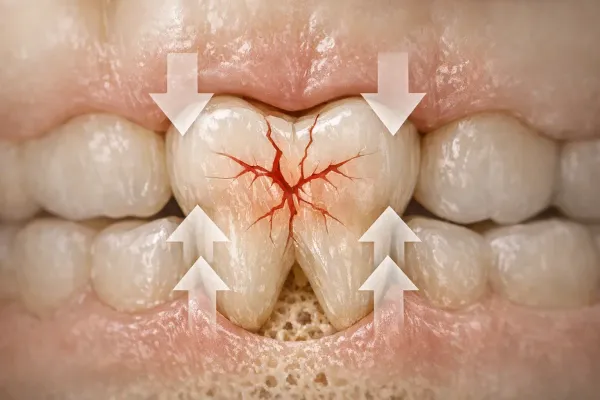
Bruxism is the fancy word for teeth grinding or jaw clenching that's strong enough to cause damage or pain. The habit is more common than you may think. Estimates suggest up to one in five adults shows signs of sleep bruxism, and nearly as many clench during the day when stressed. To understand more about the causes of bruxism, check out the science behind bruxism.
Types of Bruxism
1. Awake bruxism – You clench or grind while fully conscious. It usually ramps up during periods that demand focus or emotional energy (like cramming formulas at 2 a.m.).
2. Sleep bruxism – You grind in your sleep, often without any idea until a partner hears it or a dentist spots flattened enamel.
3. Mixed bruxism – Some people earn the dubious honor of doing both.
Symptoms and Diagnosis
You might notice:
- Jaw muscle fatigue or tightness on waking
- Headaches at the temples
- Tooth sensitivity or visible wear
- Clicking or popping in the TMJ
- Ear fullness without infection
Diagnosing bruxism ranges from quick chair-side checks to lab-grade recordings. A recent validity review by Popescu et al. 2025 found that self-reports and clinical exams can catch the majority of cases, but instrumental tools like electromyography (EMG) or polysomnography nail down severity and timing. Your dentist may look for wear facets, cracked teeth, or line impressions on the inner cheeks. If the pattern is unclear, referral for a sleep study can confirm nighttime grinding and rule out sleep apnea. For more on identifying bruxism, see recognizing the signs of bruxism.
The short-term issue is muscle pain. The long-term fallout includes broken restorations, receding gums, and worsening of TMD. When you add exam stress, you get an even faster path from occasional clench to chronic problem.
The Role of Stress in Triggering Bruxism
You grind because your brain tells your jaw muscles to stay alert even when there’s no real threat. Exam stress pours fuel on that circuit. A Spanish cross-sectional study by González-González et al. 2025 found strong associations between high perceived stress and both awake and sleep bruxism, with notable gender differences. Women in the sample reported higher stress and more severe grinding.
Psychological Factors
Procrastination, perfectionism, and fear of failure turn ordinary study sessions into pressure cookers. Cognitive models suggest bruxism can operate as a physical outlet for bottled-up worries. The constant contraction of jaw muscles mimics the body’s fight-or-flight posture, as if you’re bracing for impact. Over time this outlet becomes an ingrained motor pattern. For more on how anxiety affects jaw tension, check out the impact of anxiety on jaw tension and pain.
A clinic-based investigation of orofacial pain by Knibbe et al. 2025 showed a link between post-traumatic stress symptoms and bruxism intensity. Although exam stress is not trauma in the strict sense, the neural pathways overlap. The amygdala flags anything threatening (low grades, tight deadlines), the hypothalamus fires a stress response, and the jaw muscles tighten on cue.
Impact of Stress Hormones
Cortisol, adrenaline, and norepinephrine keep you alert for finals but they also increase muscle tone. Elevated cortisol has been shown to lower pain thresholds, meaning mild clenching feels more painful. Chronic elevation can disrupt sleep architecture, leading to more REM bursts, which is when sleep bruxism tends to occur. Essentially, stress primes your body for grinding and makes the grinding hurt more. For more on managing stress-related bruxism, explore effective techniques for stress management.
Effective Strategies to Manage Exam Stress and Jaw Pain
You can hack this loop. Start by dialing down stressors and giving your jaw a break. The good news: most strategies are free and evidence based.

Relaxation Techniques
Deep, slow breathing tells your nervous system that the tiger on the horizon is only an algebra test. Progressive muscle relaxation, where you tense and release muscles from toes to scalp, has been shown to reduce bruxism episodes. Biofeedback adds a gadget to the mix. Wearable EMG devices buzz when your jaw clenches, nudging you to release tension. A randomized trial compared biofeedback with botulinum toxin and found biofeedback nearly as effective for awake bruxism, with no injections needed (Foscaldo et al. 2025).
Meditation apps can work too. A systematic review by the American Psychological Association notes that even 10-minute mindfulness sessions cut perceived stress in college students. You focus on breath, notice jaw tension, and let it drop. Gentle stretching of neck and jaw muscles every hour can decrease accumulation of tension. For more on effective jaw relaxation techniques, see jaw relaxation techniques for stressed professionals.
Cognitive Behavioral Approaches
Cognitive Behavioral Therapy (CBT) targets the thoughts that keep you clenched. If your inner voice screams “I will fail,” CBT helps you replace that with “I prepared and will do my best.” In a network analysis of TMD pain and bruxism in patients with post-traumatic stress disorder, Chung et al. 2025 highlighted how catastrophic thinking amplified pain signals. Shrink the catastrophes and the jaw eases up. For more on the effectiveness of CBT in managing bruxism, check out how CBT can alleviate bruxism symptoms.
Practical CBT steps:
- Write down the worst-case scenario and the realistic outcome side by side.
- Schedule worry time. Give yourself 15 minutes, then move on.
- Reward completed study blocks with jaw-friendly breaks: warm compress or a short walk.
Students who combined relaxation breathing with CBT reported fewer headaches and less jaw clicking by the end of a six-week finals period, according to survey data from the American Psychological Association.
Medical Treatments for Bruxism
If home strategies are not enough, medical interventions can step in. Talk to your dentist or orofacial pain specialist before the next exam season sneaks up.
Botulinum Toxin
Botulinum toxin type A (commonly called Botox) weakens overactive jaw muscles just enough to stop destructive grinding. A meta-analysis by Saini et al. 2024 concluded that botulinum toxin reduced pain scores and muscle activity in TMD patients more effectively than placebo. In the awake-bruxism trial mentioned earlier (Foscaldo et al. 2025), botulinum toxin outperformed biofeedback in reducing EMG peaks but came with minor side effects like temporary chewing weakness. For more on advanced treatments, explore advanced bruxism treatments.
Pros: Works within a week, lasts about three months, doesn't rely on patient compliance. Cons: Requires repeat injections, can be costly, and rare complications include asymmetrical smiles. You also still need stress management; toxin relaxes muscles but doesn't calm your brain.
Occlusal Splints
Night guards, also called occlusal splints, act like bumpers in a pinball machine. They don’t always stop the grinding motion but they distribute forces and protect enamel. A systematic review by Ainoosah et al. 2024 compared hard acrylic, soft vinyl, and mandibular advancement splints. Hard acrylic guards showed the best long-term durability, while soft guards were more comfortable but wore out faster. For a comprehensive guide on choosing the right mouth guard, see how to choose the right bruxism mouth guard.
Custom guards from a dentist fit better and reduce jaw deviation. Over-the-counter versions are cheaper but can shift teeth if poorly shaped. Wear the splint nightly during high-stress periods and rinse it daily. Combine with jaw stretches in the morning to avoid stiffness.
Lifestyle Changes to Prevent Jaw Pain
Small everyday choices can buffer your jaw against exam stress.

Diet and Nutrition
Chewy bagels and tough steak ask a lot of your masseter muscles. Swap them for softer proteins like fish, tofu, or shredded chicken during crunch time. Load up on magnesium-rich foods (spinach, almonds, black beans). Magnesium plays a role in muscle relaxation and may reduce nighttime cramps. Limit caffeine after lunch; the stimulant boosts cortisol and can heighten clenching. For more on diet and bruxism, explore how diet influences bruxism.
Hydration matters too. Dehydrated muscles fatigue faster. Aim for water breaks every hour of study. Skip gum unless it’s sugar-free and you keep sessions short. Gum can train your jaw into marathon chewing.
Sleep Hygiene
Your body does repair work during deep sleep, but late-night study binges cut into that window. Stick to a sleep schedule even during finals. Keep screens out of bed, lower room temperature, and consider white-noise machines if dorm silence is a myth. The National Institute of Dental and Craniofacial Research notes that consistent sleep reduces TMD flare-ups. Proper pillow height can also align the jaw and cervical spine, reducing morning stiffness.
Finally, avoid sleeping on your stomach, which twists the neck and strains the TMJ. Side or back positions with a supportive pillow are kinder to your jaw muscles. For more on sleep positions and jaw pain, check out how sleep positions affect bruxism and jaw pain.
Conclusion: Achieving Balance During Exam Periods
Exam stress and jaw pain travel together more often than you may realize. The science tells a clear story: stress hormones and anxious thoughts prime your muscles for clenching, and bruxism then sharpens the pain. Understanding this loop gives you an advantage. Breathing exercises, CBT, and smart posture breaks can calm the mind and relax the jaw. When you need backup, splints and botulinum toxin provide medical support.
Your goal is not perfection but balance. Schedule study blocks, hydrate, eat jaw-friendly foods, and respect your sleep. If jaw pain still barges in, get a professional evaluation before small cracks turn into big dental bills. Master these strategies and you walk into the exam room with a rested mind, a relaxed jaw, and one less thing to worry about.