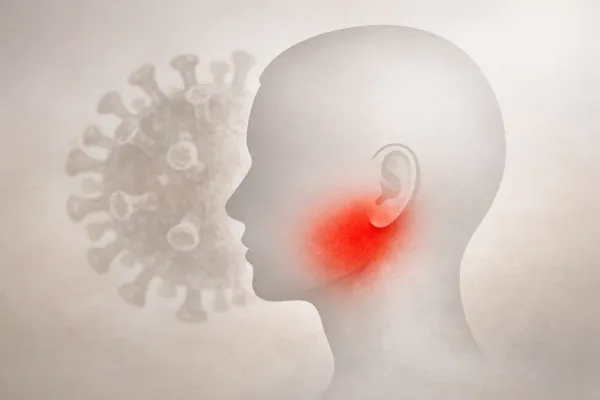
Understanding the Impact of Anxiety on Jaw Tension and Pain
Explore how anxiety leads to jaw tension and pain. Learn the causes and effects.
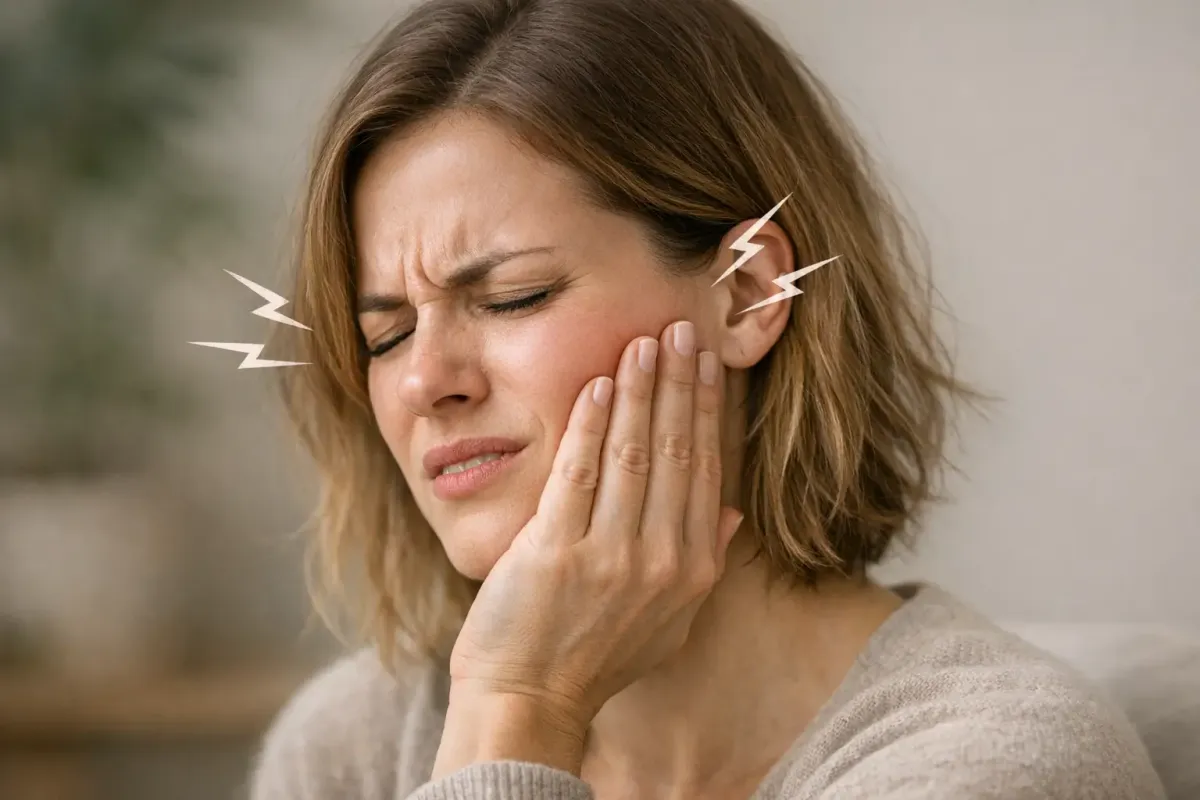
Anxiety is not just a state of mind; it can affect your body in surprising ways. It's like a stealthy intruder that sneaks into your muscles, camps out in your jaw, and leaves you wondering why your face feels sore after a stressful night. If you've woken up with aching cheeks or a dull throb around your ears after a challenging week, you're familiar with this feeling. What you may not know is how closely science has linked anxiety to jaw tension and pain. That's what we're about to explore.
Our aim is straightforward: to clarify the connection between anxious thoughts and jaw discomfort, and offer practical ways to ease the tension. We'll discuss what researchers have discovered, how clinicians assess the impact, and which habits might be increasing your jaw tension. Ready to delve into the data? Let's get started.
The Connection Between Anxiety and Jaw Tension
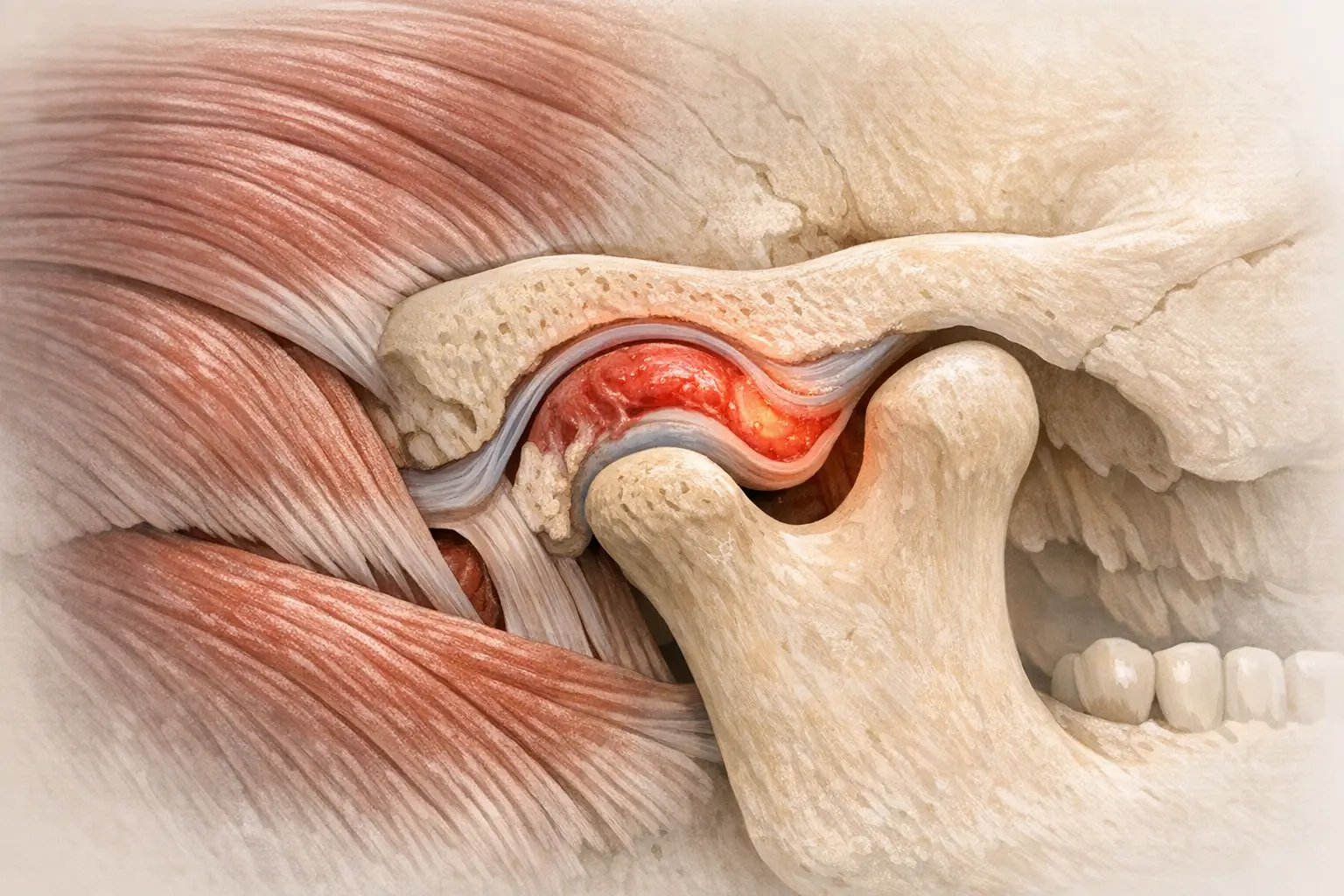
You've probably heard of temporomandibular disorders (TMD). These encompass various issues affecting the temporomandibular joint (TMJ), surrounding muscles, and even your bite. TMD is complex, with factors like genetics, posture, and habits like chewing gum contributing to it. However, anxiety and stress are key players.
Research supports this link. A systematic review by Saini and colleagues analyzed data from numerous studies and found that individuals with high anxiety levels were more likely to develop TMD. Simply put, anxious minds often come with tense jaw muscles.
Why does this happen? When you're anxious, your body reacts as if there's a threat. It releases stress hormones that prepare muscles for action, including the powerful masseter and temporalis muscles in your cheeks. If anxiety is frequent, these muscles remain partially contracted, which can irritate the TMJ over time, leading to inflammation and soreness.
Oral behaviors also play a role. A study by Michelotti et al. showed that anxiety affects the jaw through behaviors like clenching and grinding. Participants with higher anxiety levels reported more daytime clenching and sleep bruxism, which predicted painful TMD.
Central sensitization is another factor. Chronic stress can lower your pain threshold, causing neurons to react more easily, making minor joint tweaks feel significant. A study on Slovak patients, led by Kizek et al., found that individuals with long-term jaw pain scored higher on anxiety and central sensitization scales. In short, anxiety can make your nervous system more sensitive to pain.
The conclusion is clear: anxiety triggers both behavioral and neurological changes, turning your jaw into a stress indicator.
Understanding Jaw Tension Causes
Now that you know anxiety can fuel jaw tension, it's important to understand what tightens the jaw. Think of tension as the result of many small habits throughout the day and night.
Common Oral Behaviors
- Awake clenching. You might clench your teeth when concentrating, driving, or during stressful conversations.
- Sleep bruxism. This rhythmic grinding can disturb your partner's sleep without you knowing.
- Lip or cheek biting. Nervous biting can cause microtrauma to soft tissues and the TMJ.
- Tongue pressing. Pressing your tongue against your palate strains jaw muscles.
- Gum chewing marathons. Prolonged chewing exercises the same muscles as clenching.
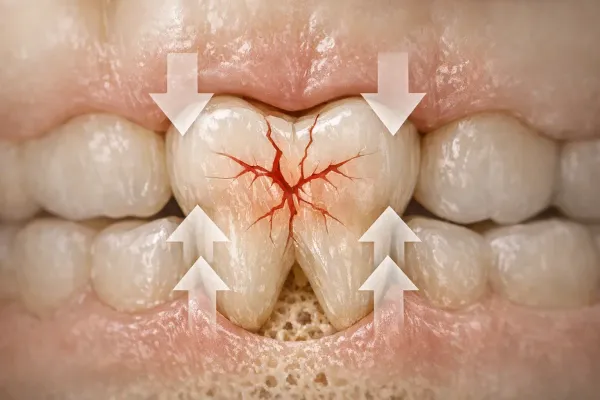
These are known as non-functional oral behaviors, or parafunctions. They have no nutritional purpose but increase muscle strain. The Michelotti study we mentioned earlier found that these habits connect anxiety and TMD. Higher anxiety led to more frequent parafunctional behaviors, which predicted jaw soreness.
A cross-sectional study by Chuinsiri et al. surveyed adults without active TMD. They found that even in those without TMD, bruxism and jaw-loading behaviors correlated with psychological distress scores. This means muscles react to mental stress before pain is felt.
Why are these behaviors so common? Many are unconscious. Your jaw muscles are built for endurance, so they can stay contracted without you noticing. Anxiety often acts as background noise, prompting grinding or clenching without conscious awareness.
Posture also plays a role. Desk workers who lean toward screens shift their jaw forward, leading to compensatory clenching. While posture alone doesn't cause TMD, it can combine with anxiety to keep muscles tense.
Jaw Pain and Its Psychological Links
Jaw tension involves muscles, while jaw pain is its more intense counterpart. When muscles and joint structures remain irritated, pain develops. Here's how anxiety is involved.
The Role of Chronic Stress
Chronic stress releases biochemicals like cortisol, adrenaline, and inflammatory cytokines. Over time, this mix can lower pain thresholds and increase muscle tone. The Chuinsiri study linked bruxism with somatic symptoms and psychological distress. Participants with higher anxiety and depression scores were more likely to report muscle pain, headaches, and jaw soreness.
When pain persists for months, it's classified as chronic primary pain. An investigation by Dos Santos Proença et al. found that people with painful TMD often had mood disorders and higher pain catastrophizing. Their pain was linked to emotional distress and central sensitization, where the brain amplifies pain signals.
This cycle becomes self-perpetuating. Pain causes anxiety about activities like chewing or talking, leading to more clenching and inflammation. It's like tightening shoelaces on a sore foot, only to worsen the discomfort.
Sleep is also a factor. Anxiety can cause daytime jaw tension, but at night it disrupts restorative sleep. Fragmented sleep increases next-day pain and negativity. The American Psychological Association notes that chronic anxiety disrupts REM sleep, crucial for pain modulation.
Mental health professionals view jaw pain as part of a broader somatic spectrum. Patients with panic disorder or generalized anxiety often report chest tightness, headaches, and gastrointestinal issues. Jaw pain fits within these physical expressions of a stressed nervous system.
Diagnosis and Assessment of Jaw Tension and Pain
You can't address what you don't measure. Dentists and orofacial pain specialists use various tools to determine if your jaw issues stem from muscle tension, joint damage, or both.
Clinical Indicators
- Palpation. A practitioner presses on the masseter, temporalis, and TMJ to find tender points.
- Range of motion. Limited mouth opening or deviation may suggest joint disc issues.
- Joint sounds. Clicking indicates disc displacement, while crepitus may suggest osteoarthritis.
- Occlusal wear facets. Flattened teeth surfaces indicate a history of grinding.
- Headache patterns. Pain near the temples or ears can refer from tight jaw muscles.
A systematic review by Da-Cas et al. mapped out TMD risk factors, highlighting that jaw pain assessment often combines symptom checklists with physical exams. Questions about jaw locking, swelling, nerve changes, or trauma guide further testing with imaging like cone-beam CT or MRI if needed.
The Role of Technology
Phones can be tools for assessment, not just stress sources. Biofeedback apps use accelerometers to monitor clenching. Wearables with electromyography sensors detect micro-contractions in the masseter. Early findings show promise for real-time habit awareness.
However, excessive smartphone use can also contribute to jaw tension. An analytical study by Divya Lalitha et al. linked chronic smartphone use among dental students with higher stress-related bruxism and TMD symptoms. Technology can be both a culprit and a detective.
At sleep clinics, polysomnography confirms nocturnal bruxism, while home sleep tests track masseter activity with bite strips. If jaw pain coincides with apnea or snoring, integrated testing addresses both issues.
Clinicians increasingly screen for anxiety and depression in TMD evaluations. Questionnaires like the GAD-7 and PHQ-9 help identify patients who might benefit from psychological interventions alongside oral treatment.
Managing Anxiety-Induced Jaw Tension
Relieving jaw tension involves addressing both physical strain and the underlying anxiety. While no single solution exists, combining strategies can help ease the discomfort.
Lifestyle Changes
- Jaw mindfulness. Set reminders to check if your teeth are touching. If they are, relax your jaw by dropping your tongue behind your upper teeth.
- Stretching. Slow, controlled mouth openings with gentle masseter massages reduce muscle tension. The National Institute of Dental and Craniofacial Research offers step-by-step routines.
- Heat therapy. A warm compress increases blood flow and relaxes stiff muscles before work or bed.
- Sleep hygiene. Consistent bedtimes, screen-light filters, and cooler rooms calm the nervous system, reducing nighttime clenching.
- Limit chewy foods. During flare-ups, choose softer foods over tough items like bagels and steak.
- Cut caffeine. High caffeine intake spikes cortisol and tenses muscles.
These small adjustments can reduce muscle overuse. According to the American Dental Association’s Stress and Oral Health resource, lifestyle changes often relieve mild TMD within weeks.
Professional Interventions
- Cognitive behavioral therapy (CBT). A proven method for reducing anxiety and muscle tension. CBT helps reframe catastrophic thoughts into balanced ones.
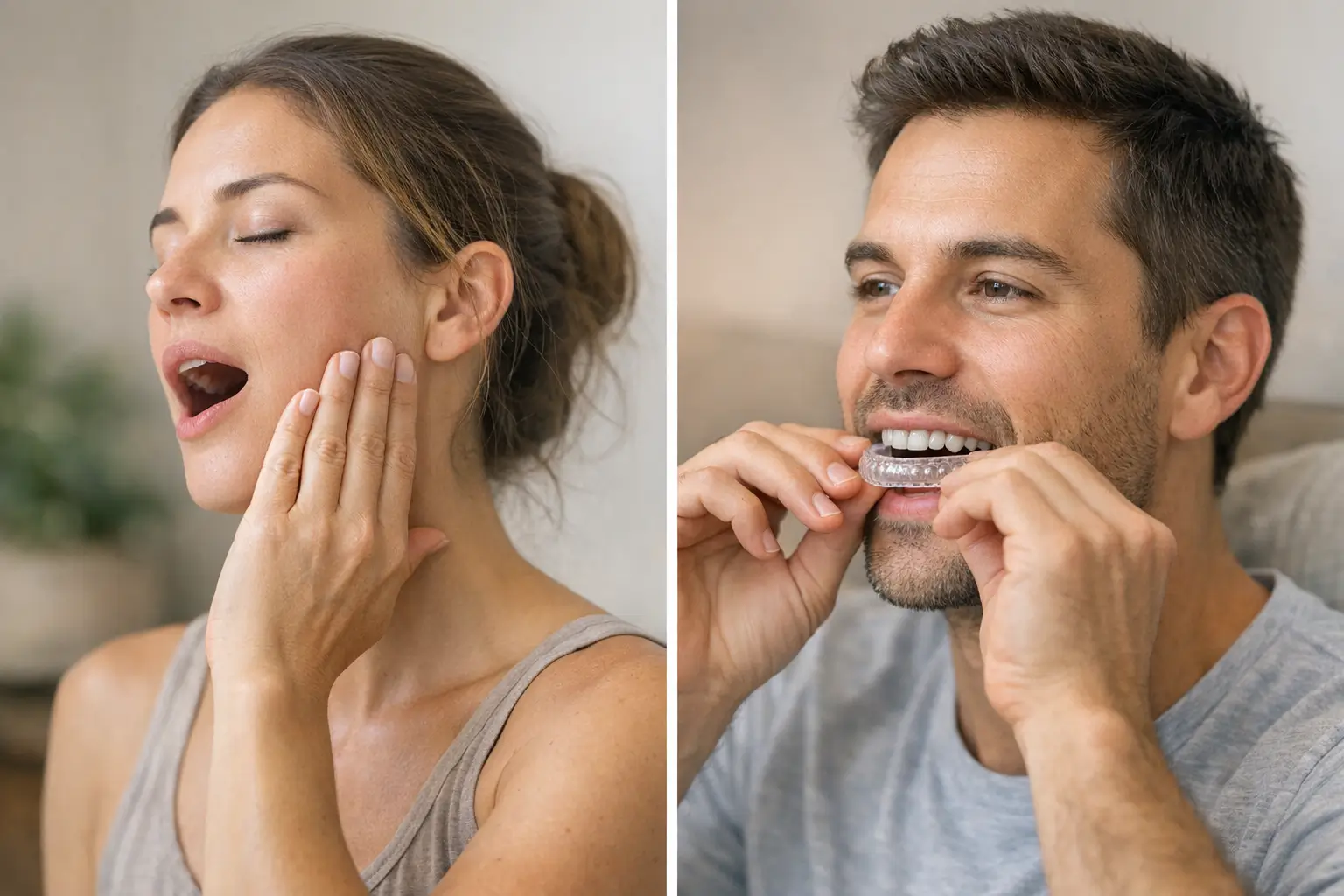
- Occlusal splints. Custom night guards distribute bite forces and help reduce grinding. A multidisciplinary case series by Li et al. reported decreased pain when splints were combined with counseling.
- Physiotherapy. Techniques like trigger-point release, postural correction, and graded jaw exercises restore mobility.
- Medication. Short-term NSAIDs relieve acute pain, while low-dose tricyclic antidepressants reduce chronic muscle pain and improve sleep.
- Botulinum toxin. In severe cases, small-dose injections weaken overactive masseters, with mixed but promising results. Discover more about Botox for bruxism.
- Multidisciplinary clinics. Integrated teams provide dental, psychological, and physiologic care, as highlighted in the Li et al. study.
Controlling inflammation is crucial. Emerging research on temporomandibular joint osteoarthritis (TMJOA) highlights cellular pathways like ferroptosis. A lab analysis by Chen et al. found that inflammatory signals can lead to cell death in chondrocytes. While this mechanism is downstream of anxiety, reducing stress hormones may help alleviate inflammation.
If you suspect severe or progressive joint damage, consult a specialist. Early imaging and bloodwork can detect autoimmune conditions that mimic TMD. The Mayo Clinic’s TMJ Disorders overview lists warning signs like joint locking or severe deviation upon opening.
Conclusion
Anxiety affects more than just your thoughts. It can tighten muscles, promote parafunctional habits, and wear down joint tissue until pain demands attention. Research from systematic reviews to chronic pain studies confirms that anxious minds often come with tense jaws. Add clenching, grinding, and poor sleep, and you have a recipe for TMD.
The good news is that you can break the cycle. Mindful breaks, heat packs, therapy, and splints can all help. If these steps don’t work, multidisciplinary care offers dental, psychological, and physiological tools in one approach.
Next time your jaw aches after a stressful day, don't ignore it. Recognize the signal, relax your jaw, and give yourself a break.