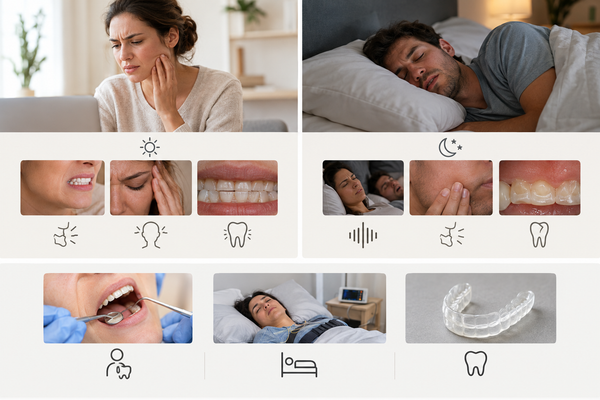
Cannabis Bruxism Relief: What Research Says vs. the Hype
Can cannabis relieve bruxism? Explore the evidence on CBD, teeth grinding, jaw clenching, and the risks behind the relief claims.
Can cannabis relieve bruxism? Explore the evidence on CBD, teeth grinding, jaw clenching, and the risks behind the relief claims.

Explore Botox for bruxism, from ultrasound-guided injections to treatment comparisons, with a clear look at the evidence, benefits, and risks.
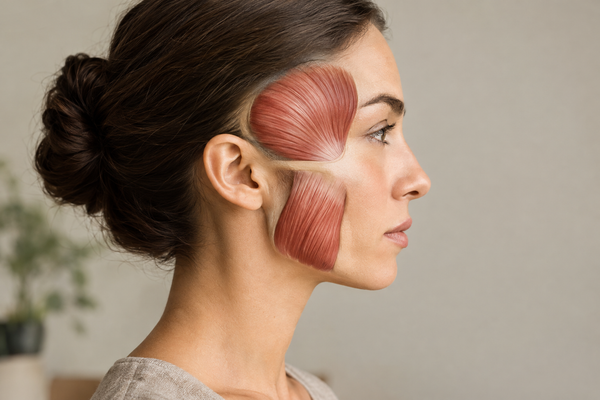
Considering Botox for jaw clenching? Explore the research on relief, side effects, long-term safety, and alternatives before you book treatment.
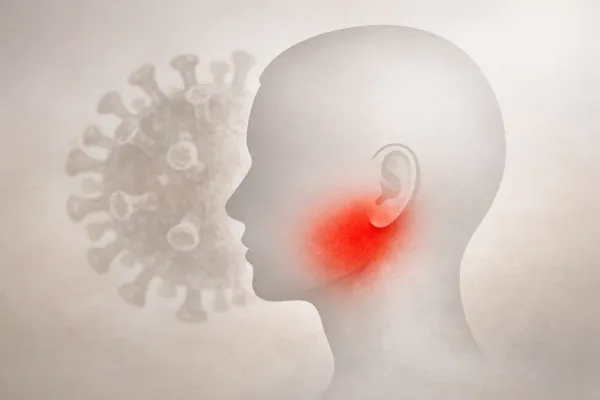
Explore the emerging link between jaw pain and long COVID, including bruxism.
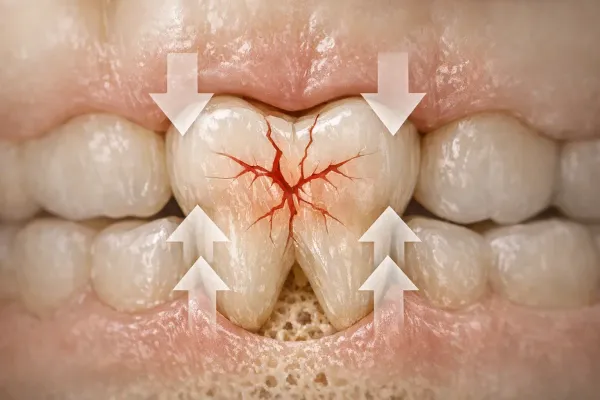
Explore how bruxism affects crowns, bridges, and implants, and learn precautionary measures.
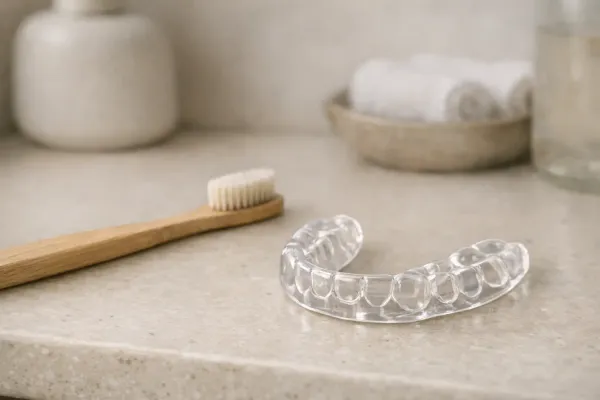
Explore how safe it is to wear night guards after tooth removal and when to start.
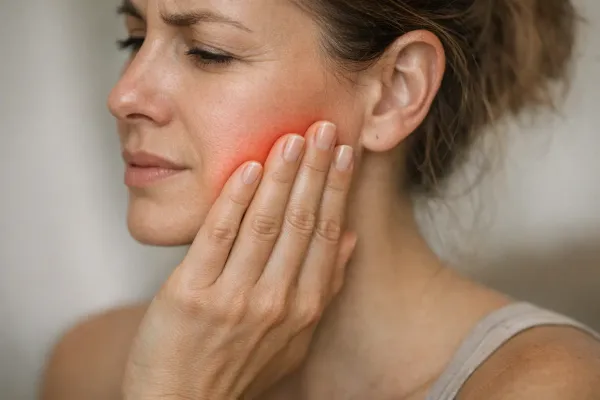
Discover innovative treatments for jaw pain relief beyond the basics in our comprehensive guide.
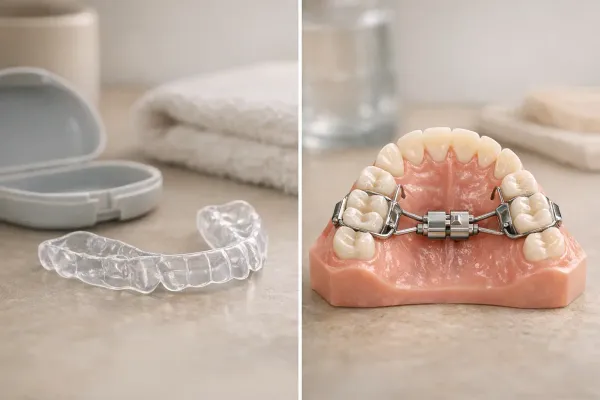
Explore arch shaping night guards, their claims, and risks in unsupervised orthodontic treatments.
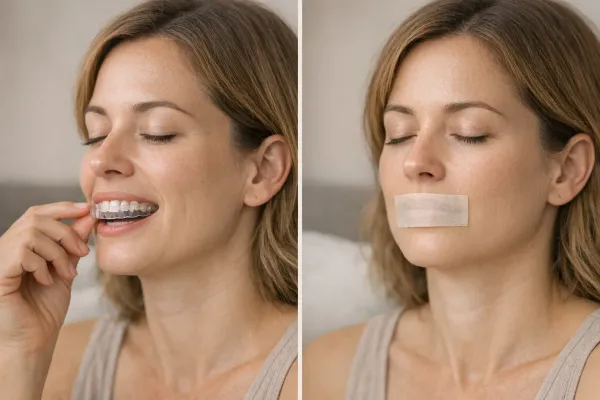
Discover if mouth taping with a night guard is safe and effective for teeth grinders.
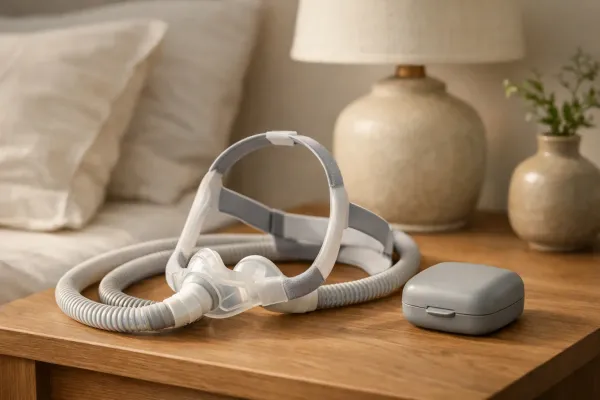
Usually yes, and it is easiest with a nasal mask and a thin hard guard. Here is how mask type changes things, why a flat guard can worsen apnea in some people, and how a night guard differs from a mandibular advancement device.
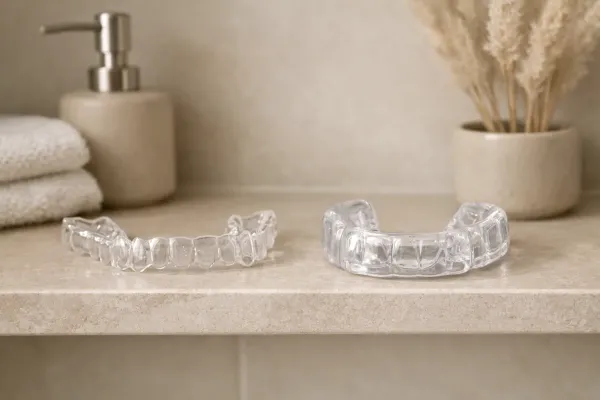
You can't stack a night guard on a clear retainer, and grinding wears thin retainers out fast. Here are the setups that work: a guard that doubles as a retainer, a bonded wire plus a guard, or a thicker combined appliance.
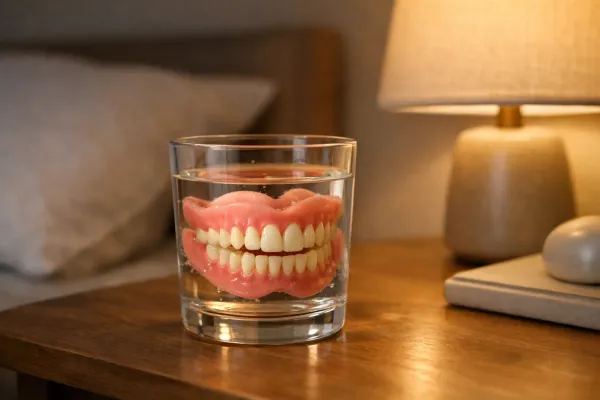
It depends on the denture. Full dentures come out at night instead of going under a guard. Partial denture wearers can usually get a guard for their remaining teeth, and implant-supported teeth often need one, because grinding is hard on implant parts.