Evaluating the Safety of Wearing Night Guards After Tooth Extraction
Explore how safe it is to wear night guards after tooth removal and when to start.
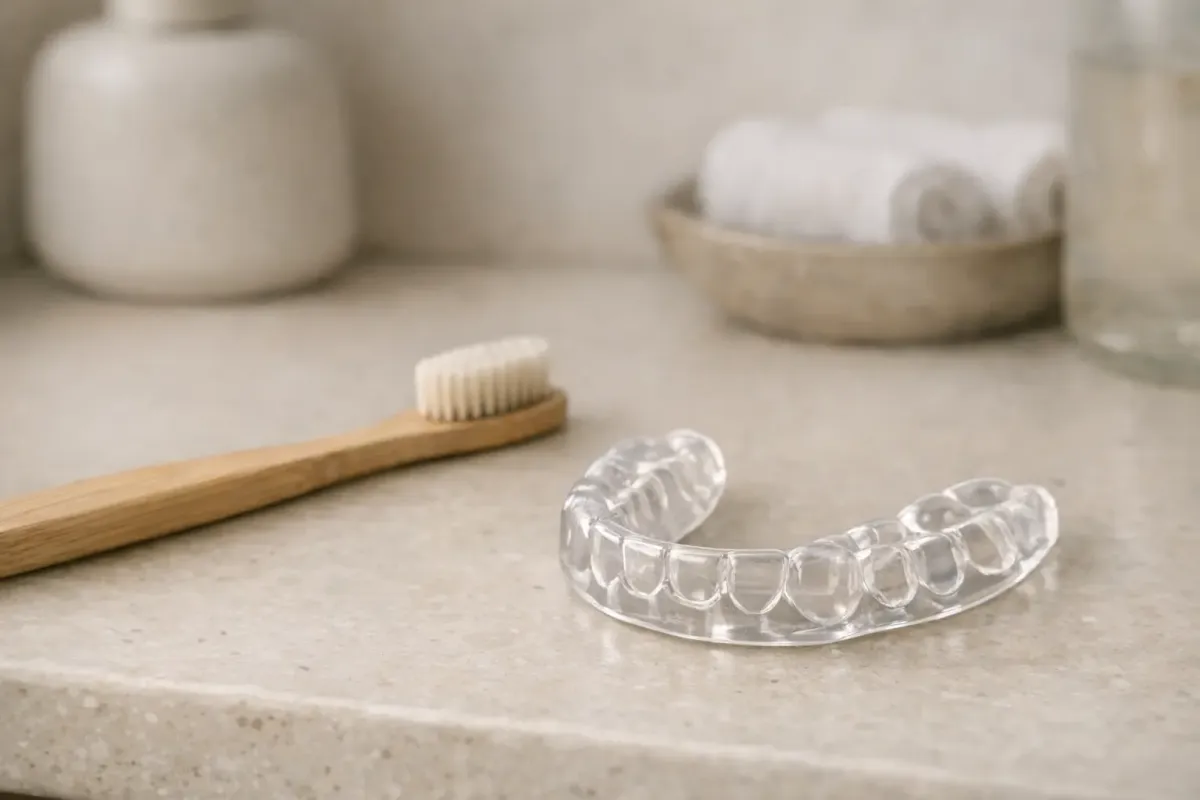
You just had a tooth pulled and now find yourself pondering the safety of wearing a night guard. Will it protect your remaining teeth or harm the fresh extraction site? Research provides some insights, and your dentist will offer the final advice. Let’s examine the facts.
Understanding Tooth Extraction and Recovery
A tooth extraction is a controlled injury. Your dentist loosens the ligament, removes the tooth, and leaves you with a blood clot where the root used to be. According to the American Dental Association, healing occurs in stages. A clot forms within minutes, granulation tissue fills the void over the first week, and bone hardens between weeks four and six. Complete bone reshaping can take months.
In the first 24 hours, the clot is delicate. Avoid straws, vigorous rinsing, or poking the site to prevent dry socket. Days two to three bring peak swelling, with pain transitioning from sharp to dull as soft tissue begins healing. By day seven, most can switch from soup to sandwiches, though heavy chewing might still feel risky. Nutrition is crucial: protein shakes, scrambled eggs, and soft veggies help synthesize collagen, essential for new gum tissue.
Post-extraction care includes:
- Pressure on gauze for the first hour
- Cold packs in 15-minute intervals to control swelling
- Pain medication as directed
- Gentle rinsing with warm salt water after 24 hours
- Avoiding tobacco, alcohol, and spicy foods
Two recovery tips: sleep with your head elevated the first two nights to reduce throbbing, and switch to a soft-bristle toothbrush for nearby teeth. A smaller brush head helps clean around sutures without disturbing the clot.
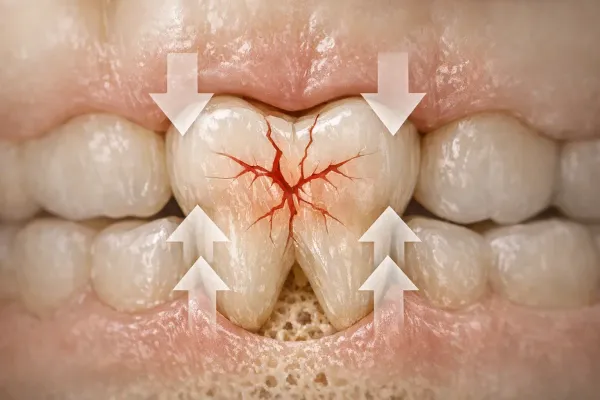
Where does a night guard fit into this timeline? For those who grind or clench at night, skipping the guard can undo work aimed at reducing jaw pain and enamel fractures. Yet using it immediately after extraction seems risky. Let's delve into the issue.
The Role of Night Guards in Dental Health
Purpose and Types of Night Guards
Night guards are plastic appliances worn between the teeth during sleep. They act as bumpers, distributing bite forces to reduce stress on enamel and jaw joints. An overview by Sulieman in 2006 noted their evolution from whitening trays to bruxism guards. Another review by Sulieman in 2005 highlighted the popularity of clear thermoplastic guards due to their ease of fabrication and comfort compared to hard acrylic splints.
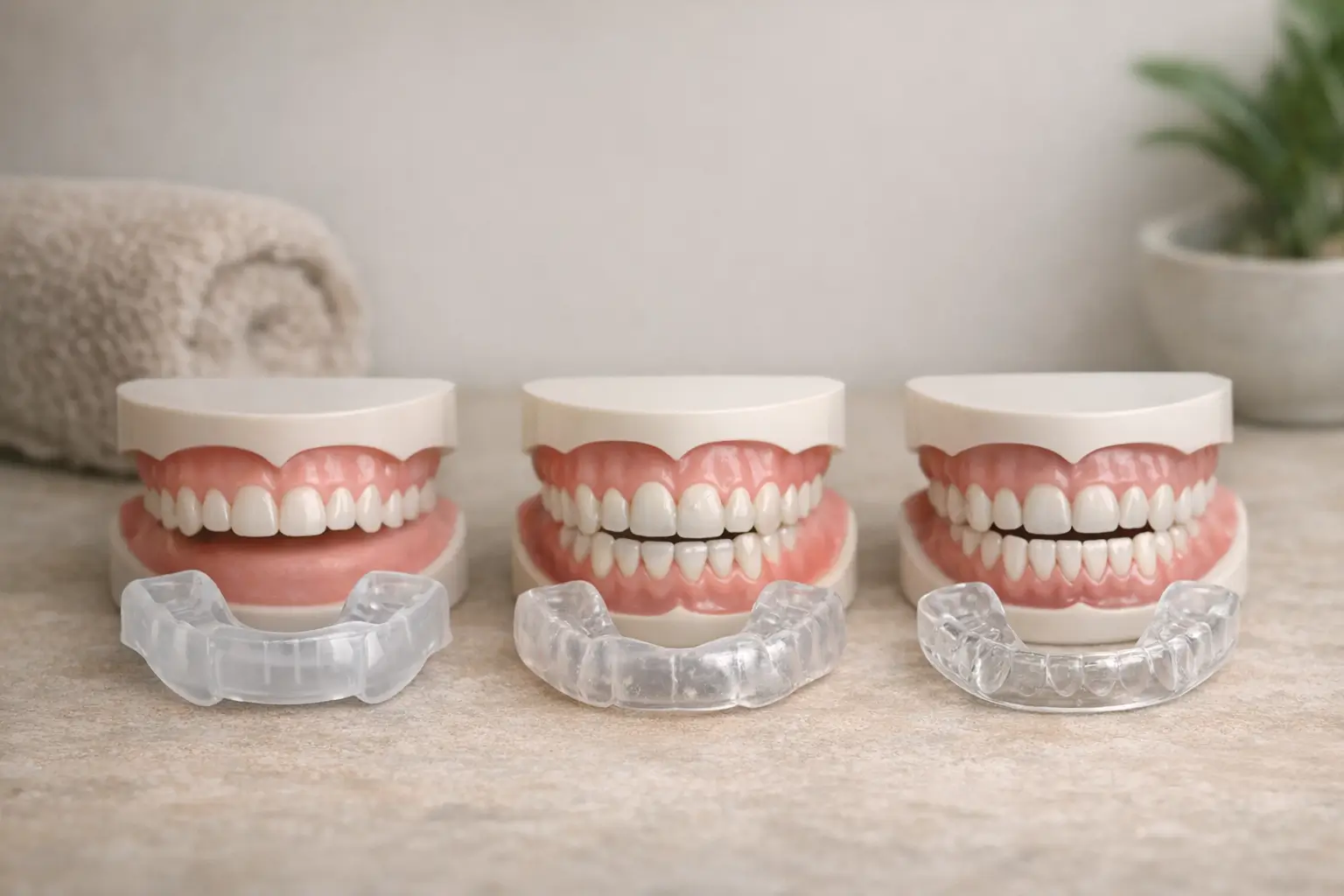
Guards come in various styles, including mini-anterior devices that cover only the front teeth and full-arch mandibular guards that aid breathing. Retention methods vary from vacuum-formed suction to ball clasps over molars. These features influence how a guard interacts with an extraction site.
Common types of guards include:
- Stock guards – Pre-formed and inexpensive, but often ill-fitting.
- Boil-and-bite guards – Softened in hot water and molded at home for better fit than stock guards.
- Custom guards – Made from dental impressions, they fit snugly, distributing forces evenly.
Guards are also used for:
- Temporomandibular joint disorder (TMJ/TMD)
- Sleep-related movement disorders
- Post-orthodontic retention
Chronic grinding can significantly wear down teeth. The Cleveland Clinic states that bruxers are three times more likely to need crowns due to fractures. Guards offer affordable protection compared to costly dental work.
Guards work when used consistently, which is why many are eager to resume use after an extraction. Whether this is advisable depends on timing, guard design, and the location of the missing tooth.
When to Use a Night Guard After Tooth Extraction
Timing and Dental Recommendations
Dentists typically recommend waiting until the socket's soft tissue has closed and is no longer sensitive. For simple extractions, this may be between days 7 and 14. Complex cases, such as surgical wisdom tooth removal, can take up to four weeks.
The wait is crucial for two main reasons:
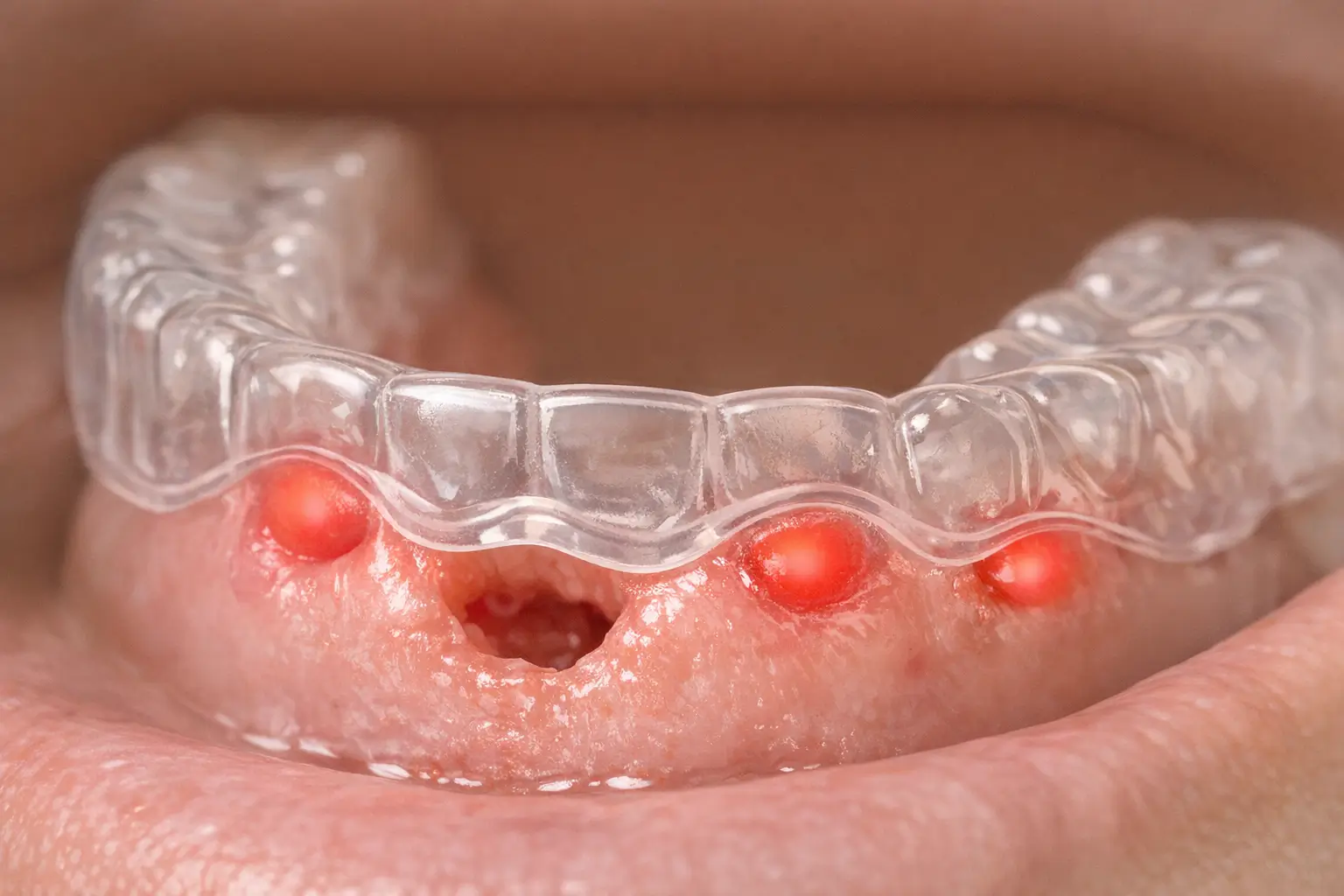
- Pressure on the clot – A guard pressing on gums can dislodge the clot. Gaps can trap saliva and bacteria, slowing healing.
- Fit changes post-extraction – Neighboring teeth may shift, and the gum contour changes as bone remodels. A pre-extraction guard might feel loose or cause discomfort initially.
Your dentist will assess:
- Extraction site location – Upper molar sockets may align with the guard, while lower front-tooth gaps might cause irritation.
- Guard design – Softer guards are gentler on gums. Hard splints might scrape tender areas.
- Grinding severity – Severe grinders might resume guard use earlier to prevent damage, with dentist approval.
Consider two examples. Alicia, a light grinder, had an upper premolar removed. Her dentist approved guard use after day 8. Marcus, a heavy clencher, needed a surgical lower third-molar extraction. He waited three weeks and used an interim guard that avoided the socket. Both protected their teeth without compromising healing.
A typical schedule might be:
- Days 0-3 – No guard to protect the clot.
- Days 4-7 – Use a modified guard if necessary, with dentist approval.
- Week 2 – Refit the original guard if it fits without pressure.
- Week 3-4 – Resume full-coverage guards for surgical extractions.
These are averages. Healing varies per individual, so always consult the dentist who performed the extraction.
Potential Risks and Considerations
Impact on Healing and Complications
Using a guard too soon can lead to several issues:
- Dry socket (alveolar osteitis)
If the guard dislodges the clot, bone and nerves get exposed, causing severe pain. The Mayo Clinic lists dry socket as a common extraction complication. - Infection
Mis-fit guards can trap food and bacteria near the wound, leading to infection. Symptoms include swelling and foul odor. - Tissue ulceration
Hard edges might injure gums, causing bleeding and delayed healing. - Occlusal changes
Neighboring teeth may shift post-extraction, causing bite issues with an old guard. - Guard breakage
Improper fit can cause guards to break, posing a risk. - Material sensitivity
Some patients may react to guard materials, especially post-op, leading to gum irritation.
Different extraction sites carry different risks:
- Wisdom teeth – Often located where guards are thickest, requiring a longer wait before using a guard.
- Single premolar – May allow for earlier guard use with dentist approval.
- Multiple adjacent teeth – Larger gaps may require a longer wait.
If a guard is necessary, consider a boil-and-bite guard trimmed to avoid the socket. Partial coverage guards can offer relief but should be used short-term to prevent long-term dental issues.
Consulting Your Dentist: Personalized Advice
The internet is great for initial education, but only your dentist can assess your healing. A post-op check around day seven is a good time to ask about resuming night guard use.
When consulting your dentist, discuss:
- Describe your guard – Provide details about its material and type.
- Show wear patterns – This helps the dentist understand pressure points.
- Ask about trimming – Guards can often be adjusted to avoid the socket.
- Discuss backup options – Temporary guards or silicone bite cushions might be alternatives.
- Plan a refit – A new guard may be needed once healing stabilizes.
For those using guards for sleep apnea, postoperative use requires careful timing and coordination with a sleep physician.
If cost is a concern, ask about chair-side thermoformed guards, which are often less expensive and quicker to adjust.
Conclusion: Making Informed Decisions
A night guard can protect your teeth but may harm a fresh extraction site if used too soon. Most can resume use once soft tissue has healed, usually within one to two weeks for simple cases and three to four weeks for surgical sites. The exact time depends on the extraction site, guard design, and grinding severity.
Take a cautious approach: prioritize clot protection, consult your dentist, and ensure your guard fits properly. With patience, you can protect both your healing socket and your teeth.