Can a Night Guard Make TMJ Worse? Understanding the Risks
Explore how the wrong night guard can worsen TMJ symptoms. Learn more with evidence-based insights.
You bite down, hear a tiny click near your ear, and wonder if your night guard is helping or hurting your TMJ. The internet has plenty of opinions, but you want actual science, not guesswork. Good choice. In the next several minutes, you'll explore an evidence-based overview of the pros and cons of night guards for temporomandibular joint (TMJ) issues. You'll learn why the right guard can soothe your jaw, while the wrong one can worsen symptoms.
We avoid dental jargon whenever possible and provide plain-language explanations backed by peer-reviewed studies and major medical organizations. Ready? Let’s dive in.
Understanding TMJ and Bruxism
Defining TMJ
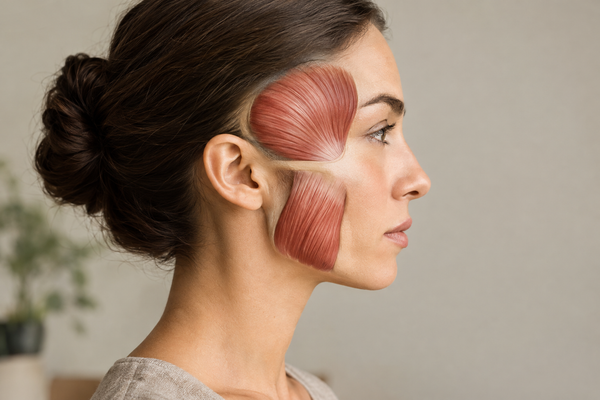
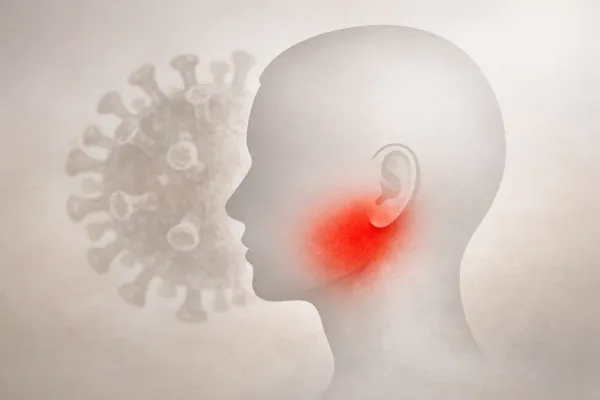
Your temporomandibular joint sits just in front of each ear. It’s the hinge-and-slide combo that lets you chew, yawn, and sing your heart out in the shower. TMJ disorders, also called TMD, occur when that joint, its muscles, or the surrounding ligaments become irritated. Common symptoms include jaw pain, popping sounds, headaches, and limited mouth opening. According to the National Institute of Dental and Craniofacial Research, about 10 percent of adults experience TMJ pain at any given time, with women affected more often than men.
The causes of TMJ disorders range from obvious trauma to less obvious factors. Emerging data suggest that daytime posture, like the laptop hunch or excessive smartphone use, can chronically shorten neck flexors and force the lower jaw backward. Hormonal changes, especially in perimenopausal women, may also sensitize the joint capsule, contributing to the gender disparity in symptom prevalence. Explore how hormonal changes in perimenopause affect bruxism and TMJ symptoms.
TMJ disorders can result from various causes, including trauma, arthritis, bite misalignment, and chronic muscle tension. Bruxism, the unconscious clenching or grinding of teeth, is a significant contributor.
Link to Bruxism
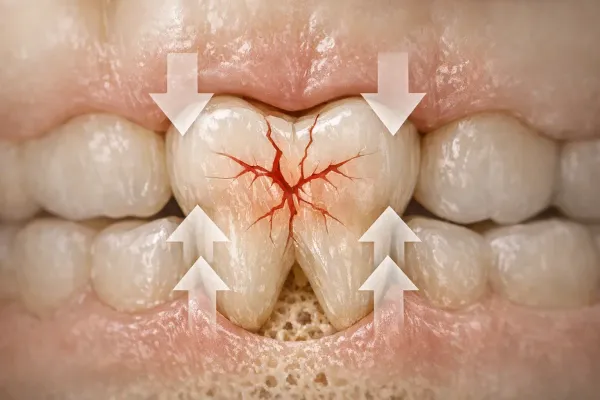
Bruxism is your jaw’s unwanted workout while you sleep. Powerful chewing muscles activate, sometimes with forces greater than those used for eating. Over time, this stress strains the TMJ. A 2024 review by Miljoska found that untreated bruxism significantly increases the odds of joint pain and morning headaches. Another 2024 comparative study by Islam et al. noted that nearly 70 percent of bruxers in their sample showed clinical signs of TMJ dysfunction.
What triggers bruxism? Common culprits include caffeine after 3 p.m., nicotine, and certain medications, particularly SSRIs. Elevated cortisol from job stress is another factor. It's common to see bruxism spike during tax season, finals week, or a messy breakup. The overlap is so tight that dentists often treat bruxism as part of the TMJ spectrum. However, not everyone who grinds their teeth develops joint issues, and not everyone with TMJ issues grinds their teeth.
How Night Guards Work
Purpose of Night Guards
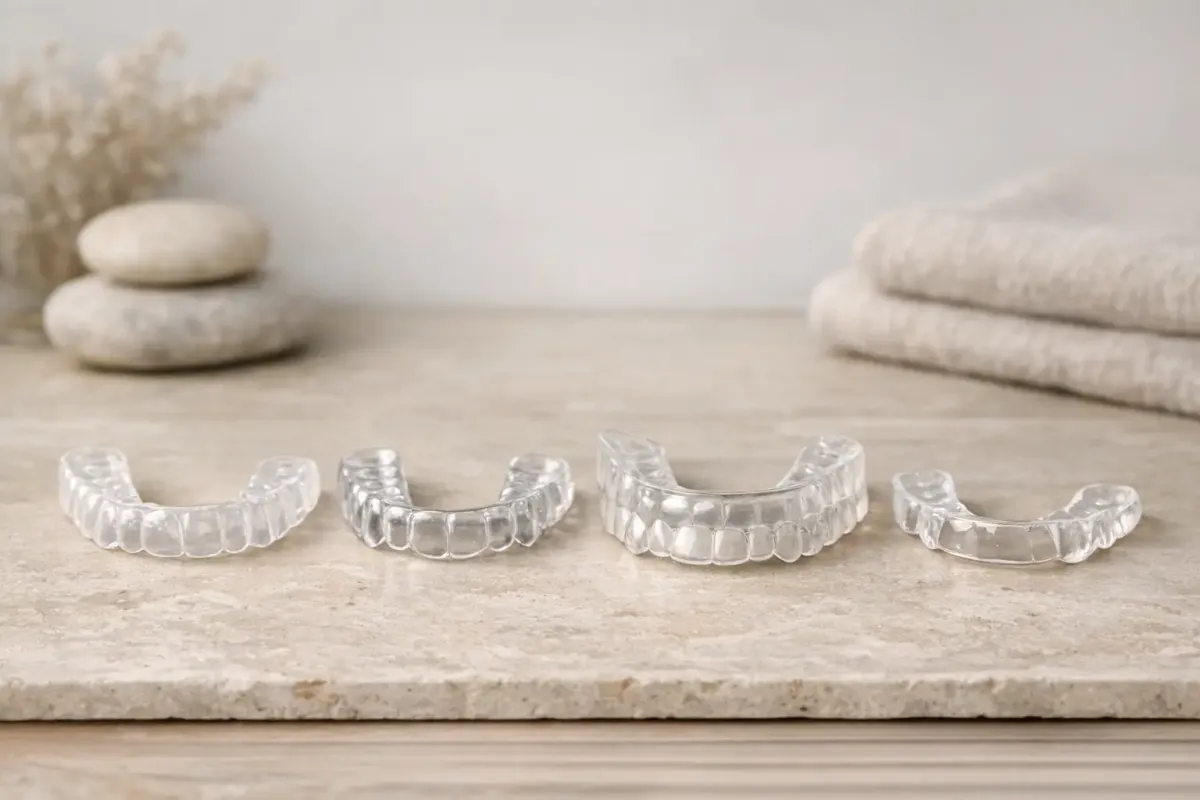
Night guards, also known as occlusal splints or bite plates, are removable appliances worn over the teeth while you sleep. They aim to:
- Prevent destructive contact between upper and lower teeth
- Distribute biting forces more evenly across the jaw
- Reduce muscle activity by providing a stable platform for chewing muscles
- Protect enamel from grinding wear
The main idea is to limit tooth-to-tooth trauma, thereby soothing irritated joints and muscles. A 2021 meta-analysis by Manrriquez et al. reported that maxillary stabilization splints reduced headache frequency in TMJ patients, suggesting reduced muscle strain. When considering a night guard, it's important to know how to manage and avoid night guard side effects that might arise.
Engineers might call a splint a “force-redistribution device.” By widening the contact surface from a few points to the whole arch, it reduces peak pressure, similar to how snowshoes prevent you from sinking in snow. Some custom guards are even designed with slight ramps that guide the jaw into a healthier position, reducing the load on an inflamed condyle.
Types of Night Guards
While all guards share the same purpose, their designs vary:
- Soft guards: Made of flexible vinyl or silicone. Usually over-the-counter, they’re inexpensive and cushiony but wear out quickly.
- Hard acrylic guards: Custom-molded by a dentist. Durable, easier to adjust, and generally offer better bite control.
- Dual-laminate guards: Hard on the outside, soft on the inside. They combine comfort with rigidity, though they’re bulkier.
- Full-coverage guards: Cover every tooth in an arch, spreading pressure evenly.
- Partial-coverage guards: Cover only the front or back teeth. They’re smaller but may shift your bite if used long term.
Each style has its pros and cons. Soft guards feel comfortable initially, but their sponginess can encourage chewing, much like a dog with a new toy. Hard guards provide a firm stop that muscles can relax against if the guard fits well. Dual-laminate designs try to balance comfort and support for those who dislike the "hockey-puck" feel of pure acrylic yet still need structural support. For more detailed guidance, learn how to choose the right bruxism mouth guard for your needs.
When Night Guards Can Make TMJ Worse
Night guards aren't magical solutions. In certain situations, they can exacerbate symptoms rather than alleviate them. Understanding these pitfalls helps you avoid wearing the dental equivalent of ill-fitting shoes.
Soft Guards and Increased Muscle Activity
Soft materials may feel gentle, yet they can have the opposite effect. A 2024 review by Miljoska found that soft guards can increase electromyographic (EMG) muscle activity by up to 20 percent during sleep. Imagine your jaw chewing gum all night. Muscles get a workout they never signed up for, leading to morning stiffness and joint fatigue. The American Dental Association warns that chewable guards might reinforce grinding behavior rather than mitigate it.
Why does a flexible guard stimulate muscles? Neurologically, your brain senses the soft surface and unconsciously triggers chewing reflexes. This reflex prevents you from biting your tongue. With a soft guard, that feedback loop misfires, causing the masseters to keep flexing. One patient in Kazarian’s 2024 case series described waking up to find “bite marks like a stress ball” across her guard within a week, proof of an overnight jaw workout.
Ill-Fitting Guards and Uneven Bite
A well-designed hard guard can be problematic if it doesn’t fit your bite properly. When only some teeth make contact with the plastic, the jaw closes into an uneven position, tilting the TMJ disc like a wobbly chair leg. Over time, ligaments stretch and cartilage becomes inflamed. A clinical paper on intrinsic TMJ disorders by Kazarian et al. 2024 traced flare-ups in 32 percent of patients to poorly balanced appliances.
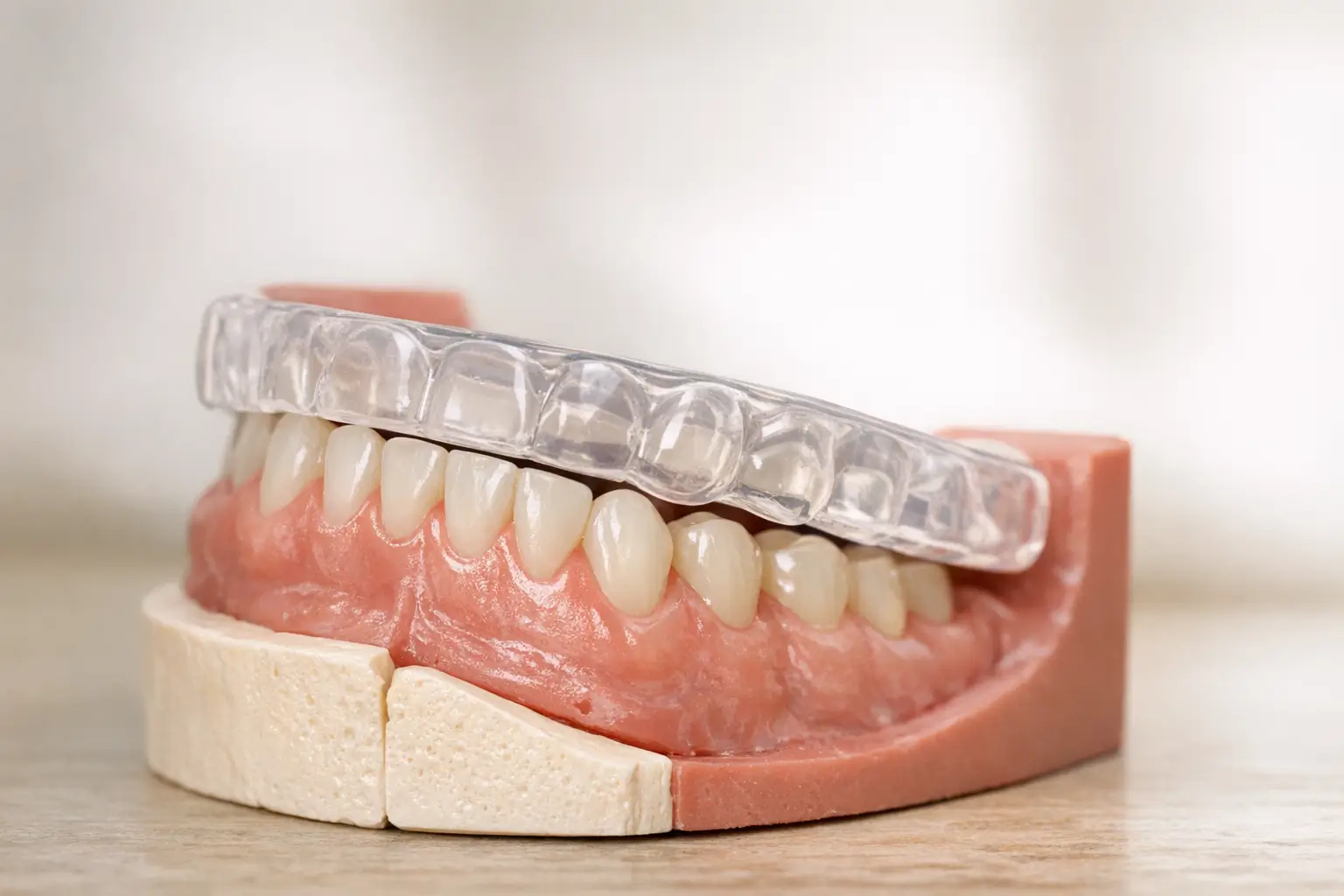
Partial-coverage guards heighten the risk. If only your front teeth are covered, back teeth may over-erupt, altering your bite even during the day. The Mayo Clinic TMJ page refers to this as “malocclusion creep,” a gradual shift that’s difficult to reverse without orthodontics. Understand the triggers of TMJ pain and tips to alleviate it by learning more about effective TMJ pain management.
Other warning signs that your guard is causing harm:
- New clicking or popping sounds in the joint
- Morning jaw lock that wasn’t present before
- One-sided face pain or headaches
- Indentations on the guard that are deeper on one side than the other
If any of these issues resonate with you, don’t worry. You have options. Whatever you do, resist the urge for DIY adjustments with nail files or a pocket knife. Home “tuning” often exaggerates the imbalance your jaw is already struggling with.
Debunking Myths: Are All Night Guards Bad?
Mixed Evidence in Research
You might come across blog posts claiming guards are either cure-alls or joint-wreckers. Real science is more nuanced. The 2024 study by Miljoska reported symptom relief in half its subjects but worsening in a quarter, highlighting person-to-person variability. On the other hand, the 2021 systematic review by Manrriquez et al. found that hard stabilization splints reduced headache days across multiple trials.
The Cleveland Clinic echoes these mixed results, stating that when guards are custom-fitted and monitored, most patients experience at least partial relief. Problems tend to arise when devices are generic or worn without professional oversight for extended periods. A 2023 randomized trial even suggested a modest placebo effect: people given a sham mouthpiece reported a 15 percent improvement simply from believing they were protected. The takeaway is that psychology matters, but so do the physical aspects.
Appropriate Use Cases
Night guards are beneficial in specific situations:
- Acute muscle overuse: Short-term use of hard splints can give sore muscles a break.
- Enamel preservation: Individuals with severe tooth wear need a protective shield, even if TMJ pain isn’t the main concern.
- Post-orthodontic grinding: After braces are removed, a guard can help buffer forces during the bite adjustment phase. Find out if you can wear a night guard with braces to manage bruxism effectively.
In each case, the guard is a tool, not a permanent solution. Regular dental check-ups can catch early warning signs before problems escalate. Many clinicians now schedule “guard hygiene” visits every six months, akin to an oil change for your bite appliance.
Choosing the Right Night Guard for TMJ
Consulting with a Dentist
If your jaw were a car, the dentist would be your mechanic. Self-fitting a guard without guidance is like guessing which wrench fixes your brakes. A dentist or TMJ specialist will:
- Evaluate joint health with palpation, range-of-motion tests, and sometimes imaging
- Record your bite using wax or a digital scanner to create a balanced appliance
- Adjust the guard over time as your muscles relax and your bite changes
Kazarian’s 2024 paper emphasized that periodic refinements made the difference between success and flare-ups. Your guard is a dynamic device, much like eyeglasses that need updates when your vision changes.
Custom vs. Over-the-Counter
Let’s break down the pros and cons. Over-the-counter (OTC) guards are less expensive (often under $40), can be shaped using a boil-and-bite method, and are available immediately. The downsides include a generic fit, uneven thickness, and faster material degradation. Custom guards cost between $300-$800, but they're made from your specific impressions, providing even contact and durability.
Are OTC guards ever acceptable? Yes, as a temporary solution while waiting for a dental appointment, or as a travel backup. However, if you have TMJ pain, the American Dental Association recommends professional oversight.
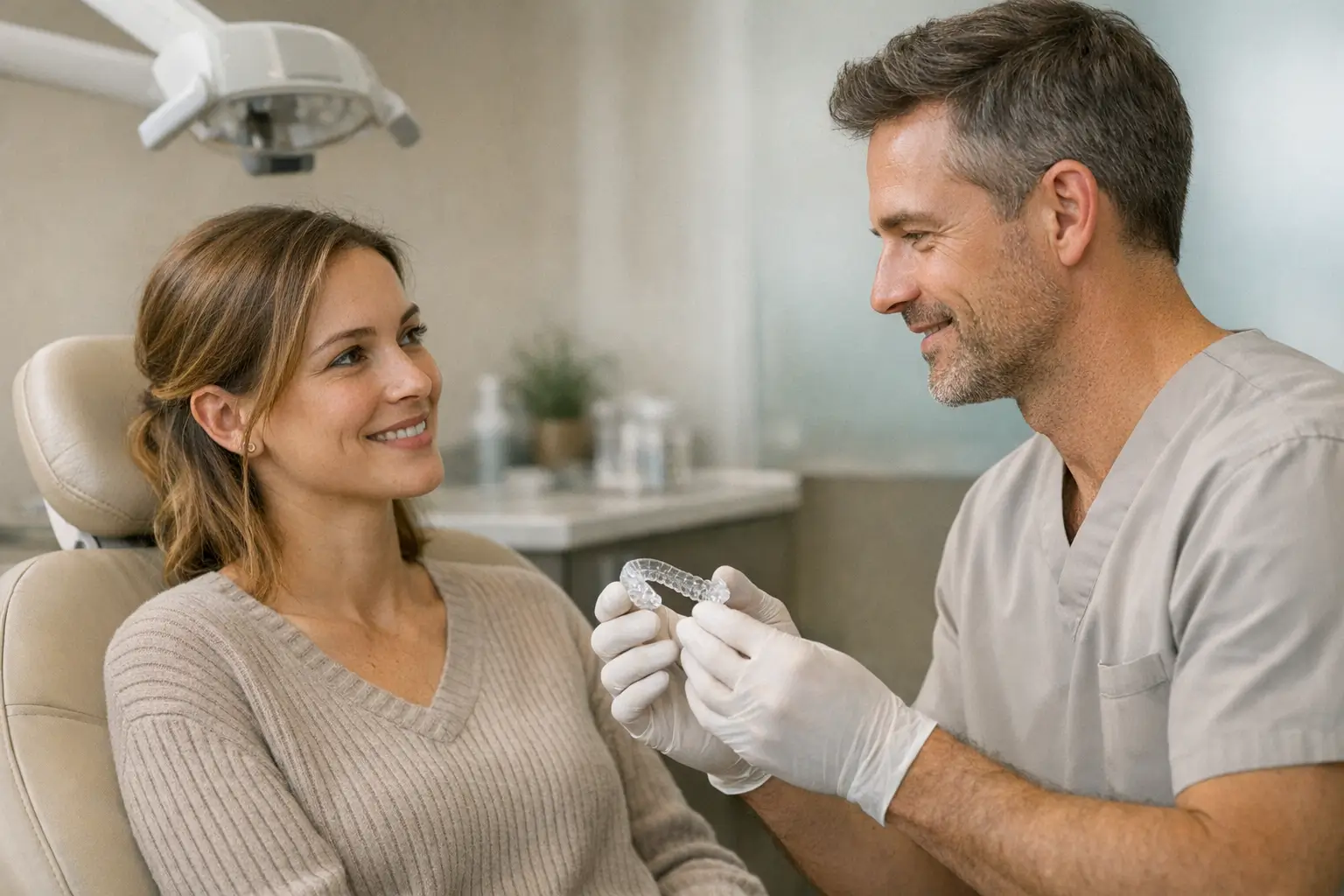
Pro tip: Keep the receipt. If the guard doesn’t fit, most dental offices will tweak or remake it within a warranty period. Also, inquire about flexible payment plans; some insurers reimburse part of the cost if the guard is billed as “medically necessary for bruxism management.”
Daily Care and Cleaning
Even the perfect guard becomes a bacteria haven if neglected. Rinse it with cool water each morning, brush it gently with a soft toothbrush (avoid abrasive paste), and let it air-dry in a ventilated case. Once a week, soak it in a denture-cleaning tablet solution or a 1:1 mix of white vinegar and water for 15 minutes. Avoid hot water, which can warp thermoplastic materials, and never leave the appliance within reach of curious pets; dogs find $500 splints delectable. Learn how to properly clean your night guard for better oral health and longevity.
What to Do if Your Night Guard Worsens TMJ
If you're wearing a guard and waking up worse, don't panic. Here's what to do:
- Stop wearing the guard temporarily. Note whether symptoms improve within a few nights.
- Schedule a dental check. Bring the guard so your dentist can examine wear patterns and contact points.
- Discuss adjustments or alternatives. Minor polishing can level high spots. In some cases, switching from a soft OTC guard to a hard custom splint can alleviate pain.
- Consider adjunct therapies. The 2024 comparative study by Islam et al. showed that pairing a splint with facial muscle exercises improved outcomes more than either alone. Discover effective jaw exercises for bruxism to help prevent teeth grinding effectively.
- Add stress management. Guided meditation apps, magnesium supplementation (with your physician's approval), and reducing evening screen time can help calm the nervous system that fuels nocturnal clenching.
Avoid self-trimming the plastic with kitchen scissors. You’ll likely create sharper edges and new pressure points.
Conclusion
Night guards can be either helpful or harmful for TMJ pain. Soft, ill-fitting, or partial-coverage guards may increase muscle activity and alter your bite, exacerbating symptoms. Conversely, a well-made hard stabilization splint, monitored by a dentist, can give the joint a chance to heal and protect your teeth from grinding.
Your best move is an informed one. Consult a professional, choose a guard that matches your specific jaw mechanics, keep it clean, and have regular check-ups. If discomfort increases, stop using the guard, consult your dentist, and adjust your approach. Your TMJ might be small, but when it’s happy, so are you.