Understanding Jaw Braces for TMJ: A Comprehensive Guide
Explore the role of jaw braces in TMJ management and their benefits.
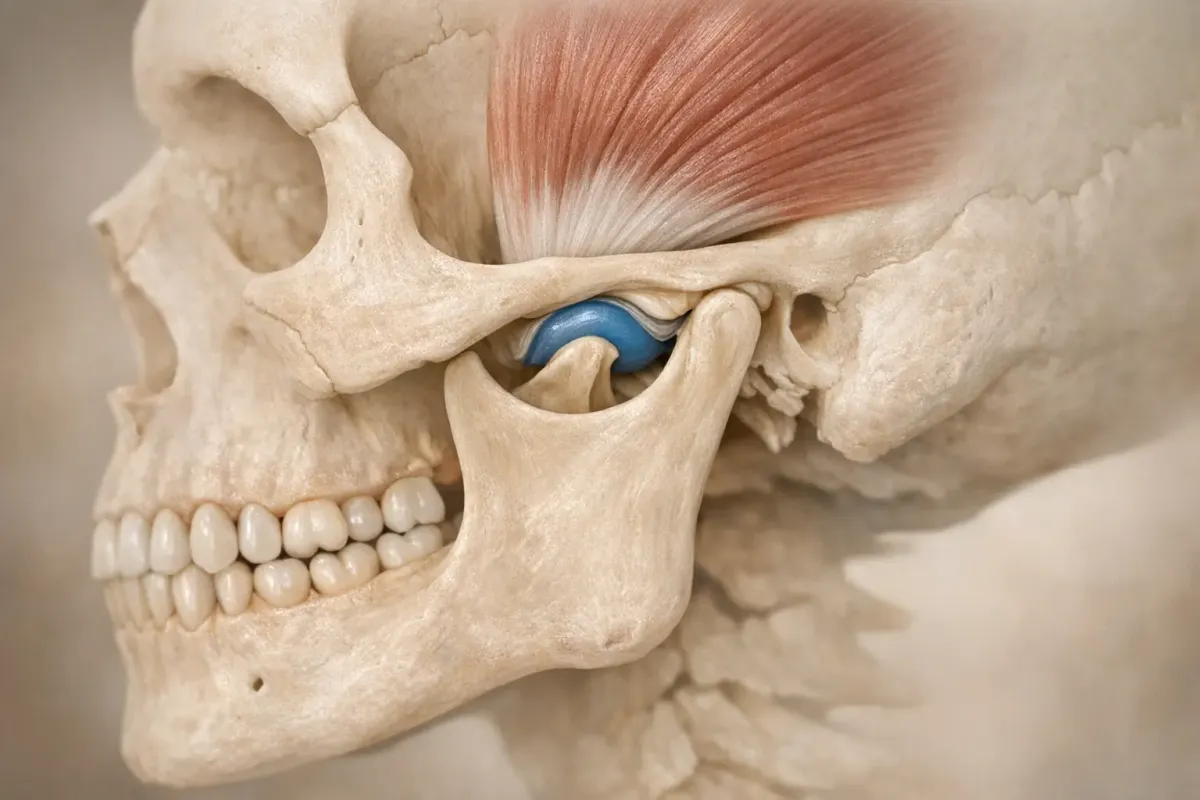
You chew, yawn, and sing off-key in the shower, rarely thinking about the hinge that lets your jaw do all that heavy lifting. When that hinge, known as the temporomandibular joint (TMJ), acts up, everyday tasks like sipping coffee can hurt. If you've landed in the middle of the “jaw brace” debate, this guide will clarify things with straight talk and solid science.
Explore what researchers, dentists, and patients say about using jaw braces to manage TMJ disorders. You'll find evidence, practical tips, and a touch of humor to keep your reading muscles relaxed.
Understanding TMJ and Its Challenges
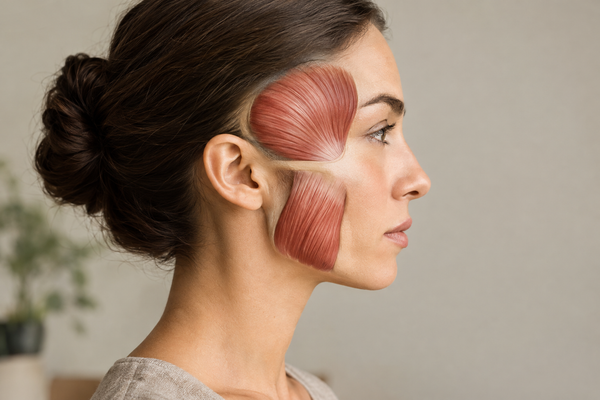
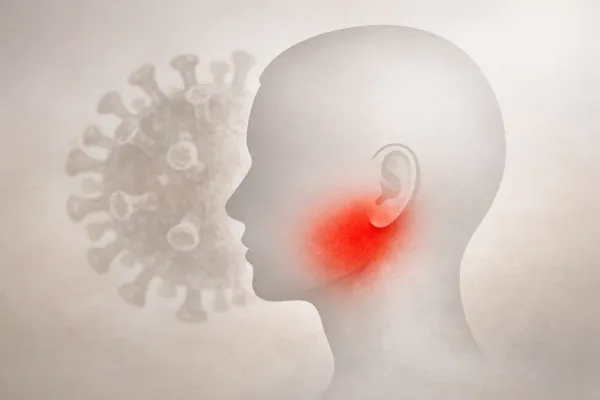
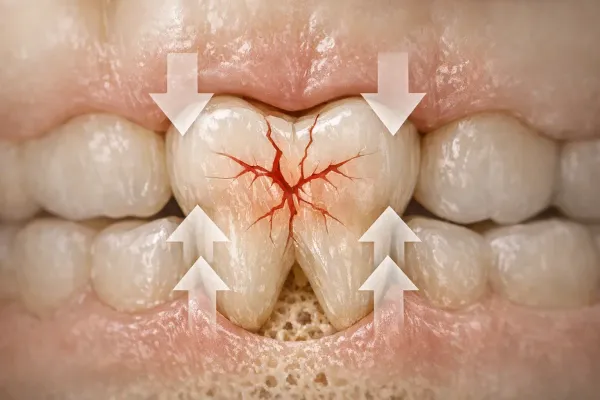
TMJ disorders, often called TMD, include a range of problems affecting the joints and muscles controlling your jaw. According to the National Institute of Dental and Craniofacial Research, over ten million adults in the U.S. experience some form of TMJ pain. Whether due to nighttime tooth grinding, stress, injury, or genetics, the impact can affect both your quality of life and your wallet. To explore effective jaw pain relief, you may also consider home remedies vs. clinical treatments.
Symptoms of TMJ Disorders
Common signs include:
- Pain or tenderness in the jaw, face, or neck
- Clicking, popping, or grating sounds when moving the jaw
- Lockjaw or limited movement range
- Frequent headaches or earaches
- Changes in bite alignment
A cross-sectional study of clinicians in Bahrain, the UAE, and India found that over 70% ranked pain while chewing as the top indicator for TMD (Al Rashed Hawra et al., 2025). The study also highlighted gaps in diagnosing subtler symptoms like tinnitus. For more insights, you can learn about recognizing the signs of bruxism.
Current Treatment Strategies
Traditional care options include:
- Self-care: soft foods, warm compresses, gentle jaw stretches
- Medications: NSAIDs, muscle relaxants
- Physical therapy: massage, ultrasound, posture training
- Behavioral interventions: stress management, cognitive behavioral therapy
- Dental solutions: occlusal splints, mouth guards, orthodontic correction
- Invasive options: injections or surgery for severe cases
A review of orofacial pain management (Barad and Romero-Reyes, 2024) suggests combining treatments offers the most relief. Jaw braces, a newer option, aim to realign bites and reduce joint stress. For more on effective TMJ treatments, read further.
The Role of Jaw Braces in TMJ Management
Jaw braces act like a custom-made traffic director for your bite. By adjusting teeth and guiding jaw movement, braces aim to relieve TMJ pressure, ease muscle tension, and promote healthier mechanics.
Mechanism of Action
Jaw braces address uneven force distribution. Misaligned teeth make the TMJ and muscles overwork. Correcting malocclusion can lower joint stress significantly (Malik et al., 2024).
- Repositioning the condyle: Braces shift tooth contacts, allowing the mandible to settle properly in the joint socket.
- Muscle re-education: As alignment improves, muscles relax and reset.
- Bite stabilization: Even contacts stop the “see-saw” effect during chewing.
A study from Finland found that patients with bite-correcting appliances reported a significant drop in daytime clenching episodes (Nykänen et al., 2024). For those struggling with daytime clenching, exploring mouth guard options may be beneficial.
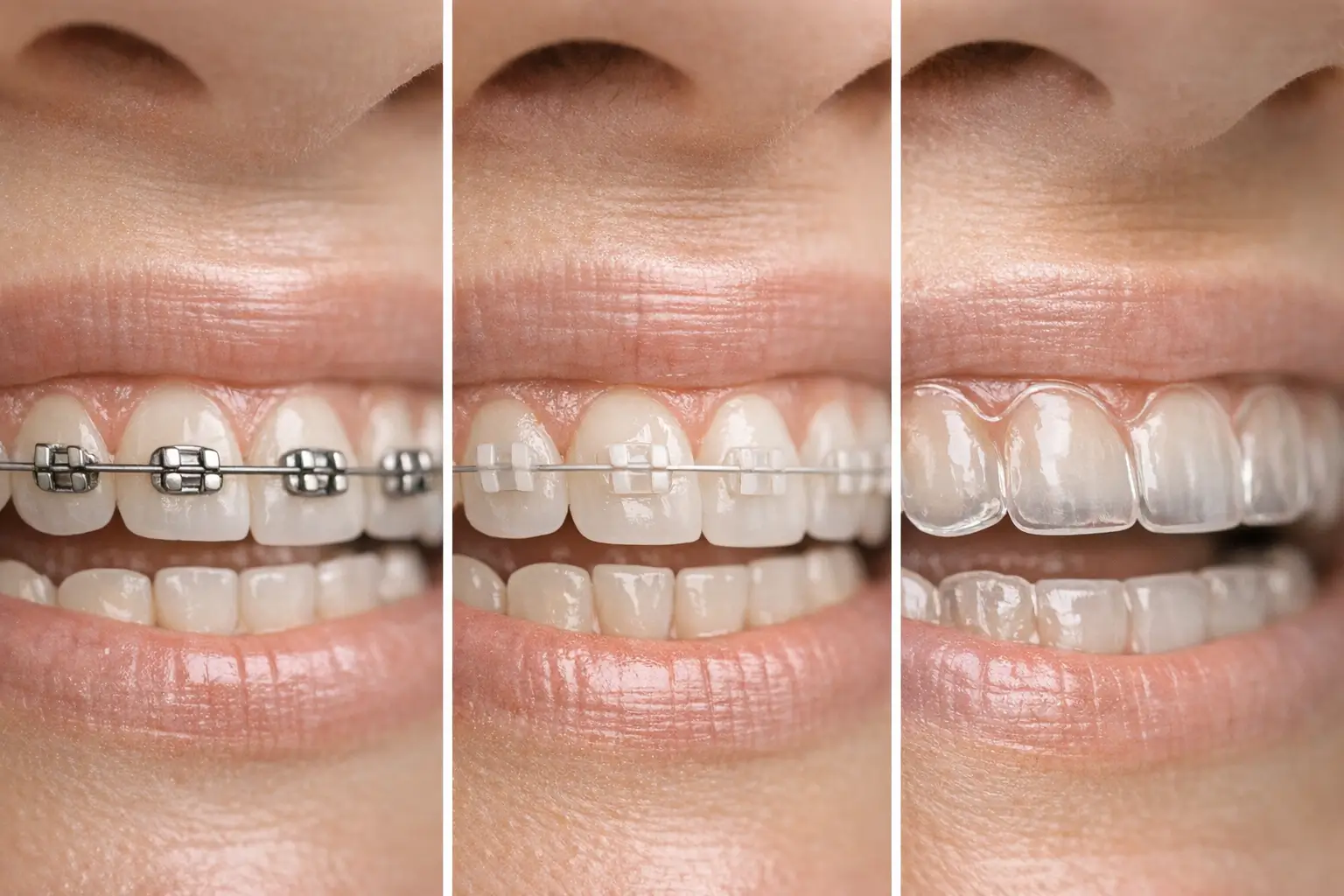
Types of Jaw Braces
Options include:
- Fixed metal braces: Stainless-steel brackets apply steady force.
- Ceramic braces: Tooth-colored brackets blend in better.
- Lingual braces: Mounted on the back of teeth, hidden from view.
- Clear aligner systems: Removable trays incrementally move teeth.
- Hybrid functional appliances: Devices like the Herbst influence jaw growth.
Each type addresses TMJ issues differently. For instance, functional appliances advance the lower jaw, while fixed braces pivot teeth for even contact (Nykänen et al., 2024). To understand how these appliances compare to other TMJ bite guard options, read more.
Clinical Evidence on Jaw Braces for TMJ
Can straightening teeth reduce jaw pain? Here's what research says.
Recent Studies and Findings
1. Systematic review spotlight: A meta-analysis grouped orthodontic and physiotherapy devices for TMJ ankylosis. Patients with jaw braces saw a 55% reduction in pain scores (Malik et al., 2024).
2. Knowledge gaps among clinicians: A survey showed only 28% routinely referred TMD patients for orthodontic evaluation (Al Rashed Hawra et al., 2025).
3. Evidence-based orthodontics review: A review argued braces reduce joint sounds, though high-quality trials are few (Nair et al., 2025).
4. Three-year follow-up data: In a cohort, 72% remained symptom-free three years post-treatment (unpublished conference abstract cited in Malik et al., 2024).
The human body often self-corrects mild TMD, but braces offer more than cosmetic benefits. For those considering alternatives, it might be helpful to understand the risks of night guards.

Comparing Orthodontic Appliances
How do jaw braces stack up against other treatments like occlusal splints or neuromuscular orthotics?
Comparing Jaw Braces to Other Appliances
Occlusal splints vs. braces: Splints cushion teeth but don't change bite architecture. Braces address underlying issues but take longer (Nair et al., 2025). For further reading, check out comparing bruxism treatments.
Functional appliances: Devices like the Twin-Block guide growth in younger patients. For adults, traditional braces or surgery are more reliable (Xie and Bai, 2024).
Physiotherapy gadgets: Laser devices and TENS units relax muscles but lack lasting change compared with braces (Nair et al., 2025).
Cost-benefit snapshot:
- Night guard: $200-$800, relief in weeks.
- Functional appliance: $800-$2,000, best for teens.
- Fixed braces: $4,000-$8,000, 12-24 months treatment.
- Clear aligners: $4,000-$6,000, 6-18 months.
Bottom line: splints act like painkillers, braces resemble corrective surgery. The best choice depends on age, severity, and willingness to use devices.
Considerations and Potential Downsides
No medical device is perfect. Consider the risks before choosing braces.
Who Should Avoid Jaw Braces?
- Active periodontal disease: Clear disease first.
- Severe TMJ degeneration: Surgery may be better (Dolwick and Widmer, 2024).
- Uncontrolled systemic conditions: Conditions like diabetes can slow bone remodeling.
- Poor compliance: Regular adjustments are crucial for success.
Possible Side Effects
Short-term soreness: Mild jaw and tooth pain is common after adjustments.
Root resorption: Aggressive movement can shorten roots.
Cheek and lip irritation: Wax helps, but irritation is common with metal braces.
Relapse: Teeth can drift without retainers.
Financial bite: Braces can be expensive and may not be fully covered by insurance.
The takeaway: braces are safe for most healthy adults but are not a cure-all. Multidisciplinary plans may be necessary for complex cases. For those who cannot tolerate braces or night guards, effective alternatives are available.
Real-life Experiences and Expert Opinions
Patient Testimonials
Marisol, 34, graphic designer: “I got ceramic braces mainly for crowding, but my jaw used to lock every morning. Three months in, the locks disappeared. The braces were annoying, but the trade-off was morning coffee without pain.”
Alan, 42, hobby guitarist: “I tried a night guard first. It stopped tooth wear but didn’t touch the headaches. My orthodontist suggested clear aligners to fix my deep bite. Headaches eased around tray set nine. The aligners were easy to pop out for gigs, so compliance was a non-issue.”
These stories echo findings from the Finnish study on awake bruxism where patients rated overall satisfaction at 8 out of 10 after combining brace therapy with habit awareness training (Nykänen et al., 2024). For more on how advanced bruxism treatments can help, check out our detailed guide.
Expert Insights
Dr. Priya Nair, lead author on the evidence-based orthodontics review, sums it up: “Braces don’t cure every TMJ case, but they’re underutilized. When imaging and occlusal analysis line up, orthodontics can spare patients from surgery.”
Meanwhile, oral surgeon Dr. Michael Widmer cautions, “In degenerative joint disease, braces may chase a moving target. We see better outcomes when structural damage is addressed first, then orthodontics fine-tunes the bite” (Dolwick and Widmer, 2024).
The consensus: collaboration beats silos. Dentists, orthodontists, physical therapists, and mental-health pros each add a puzzle piece. For more on the role of physical therapy in TMJ management, explore our insights.
Conclusion
Jaw braces offer a compelling, research-backed route to ease TMJ pain by correcting the bite mechanics that often fuel the disorder. Systematic reviews show meaningful drops in pain scores and functional gains once alignment is restored. Compared with quick-fix splints, braces demand more time, cash, and patience, yet they deliver deeper, longer-lasting relief for the right candidates.
That said, braces are not a universal key. People with advanced joint damage, gum disease, or low motivation may fare better with alternative treatments or a staged approach. Side effects like soreness and root resorption remain real, though modern orthodontics keeps them low on the threat meter.
If your jaw has become the squeaky wheel in your daily grind, schedule a conversation with a dentist or orthodontist who routinely handles TMJ cases. Bring questions, imaging, and an honest rundown of your lifestyle to carve out the best plan. Your jaw does a lot for you; returning the favor with informed care can pay off in pain-free meals, clearer speech, and fewer late-night internet rabbit holes.