Is Your Jaw Pain a Sign of Bruxism? Key Indicators to Watch For
Learn if your jaw pain is due to bruxism by identifying key symptoms of teeth grinding.
<<>
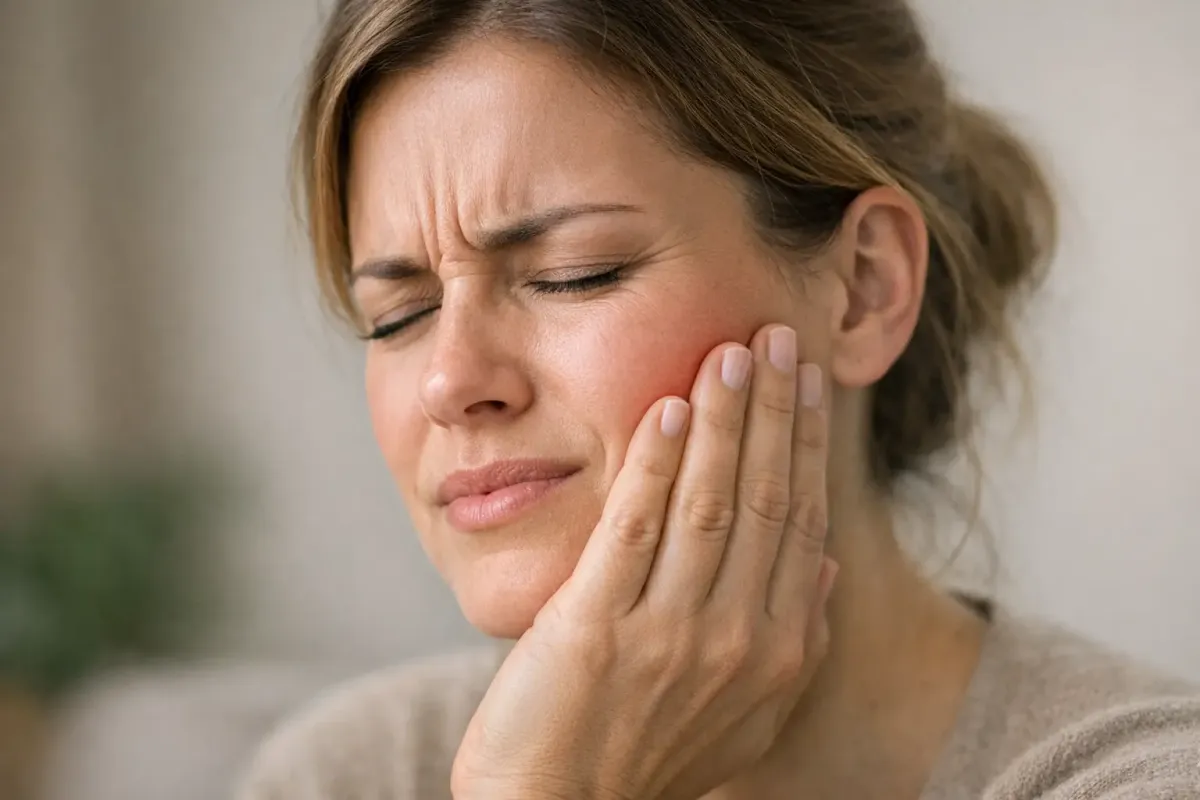
That tight ache in your jaw after a long day or a restless night can feel like a mystery. You might press the sore spot, stretch your mouth, or pop a pain reliever and move on. But researchers are getting clearer about one likely culprit: bruxism, the medical term for grinding or clenching your teeth. Several studies now tie stubborn jaw pain to this often-silent habit. Figuring out whether your aches stem from bruxism can help you tackle the problem before it chips away at your teeth, your sleep, and your sanity.
This article translates the latest research on bruxism into plain language you can use right now. We will walk through the clues that link jaw pain to bruxism, how dentists confirm the diagnosis, and what you can do, both at home and in the clinic, to calm the grind.
Understanding Jaw Pain and Bruxism
First, let’s unpack what bruxism is and why it leaves your jaw throbbing. Bruxism is the repetitive clenching or grinding of your teeth, usually without you noticing. It can happen while you are awake (awake bruxism) or while you are sound asleep (sleep bruxism). Estimates vary, but dentists believe up to one in five adults grind their teeth at night.
At a recent international consensus meeting, researchers such as Verhoeff, Lobbezoo, and Ahlberg rewrote the textbook definition of bruxism to focus on jaw-muscle activity rather than noise or obvious tooth wear. That shift matters because many people clench silently yet still overload their temporomandibular joint (TMJ). Tools like the Standardised Tool for the Assessment of Bruxism, which pairs detailed questionnaires with surface electromyography (EMG), grew out of this new thinking and catch cases that an ear alone would miss.
Common Myths About Bruxism
- “Only stressed people grind.” Stress is a big trigger, yet genetics, medications, and headaches can also spark jaw-muscle activity.
- “Kids just grow out of it.” Some do, but adolescent bruxism often rolls into adulthood when lifestyle factors stick around.
- “My teeth look fine, so I’m not grinding.” Enamel wear is one sign, but muscle fatigue and joint soreness usually show up first.
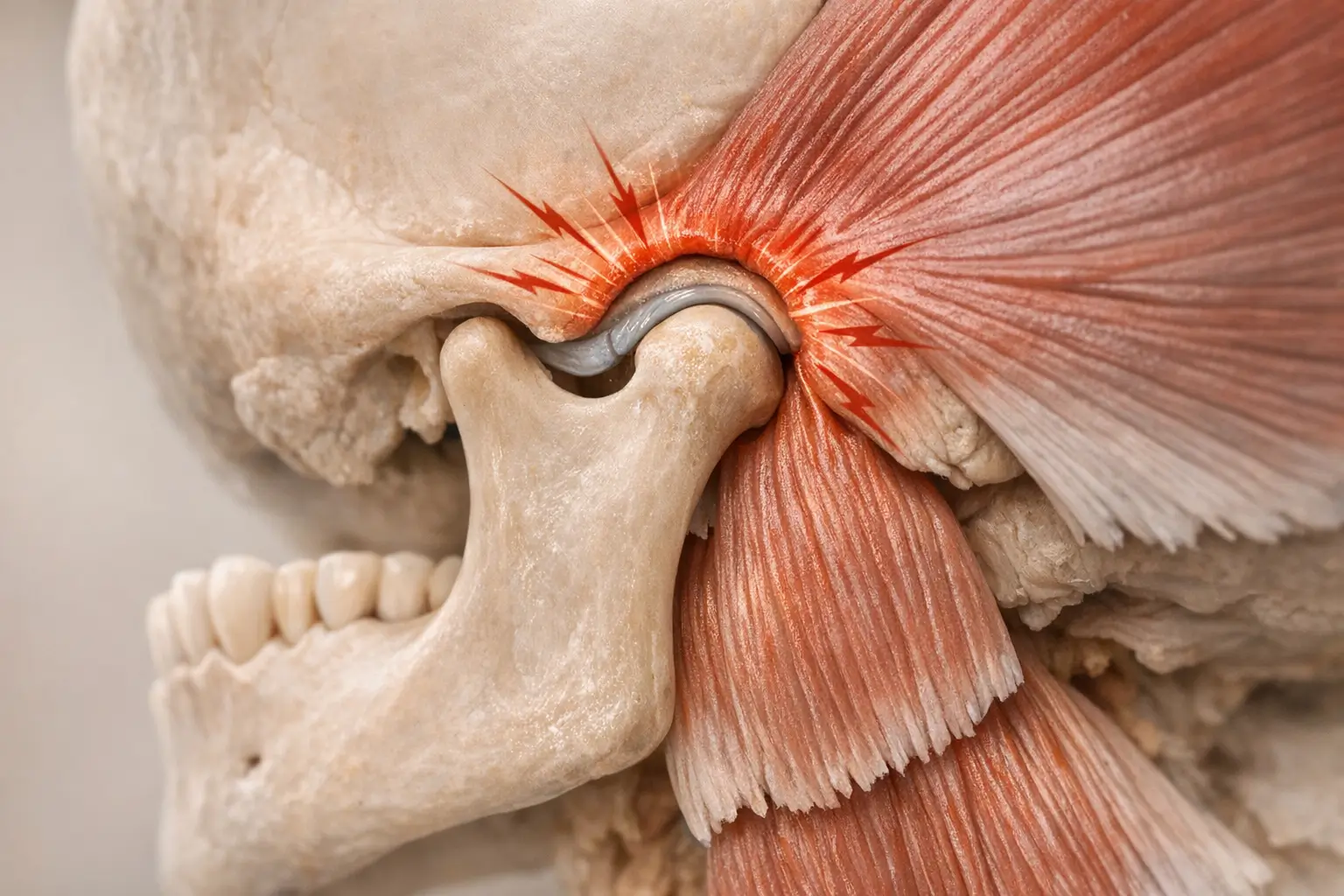
The pain often centers on the temporomandibular joint (TMJ), the hinge that lets your lower jaw move up, down, and sideways. When you grind repeatedly, the muscles around the TMJ stay contracted for long stretches. This puts strain on ligaments, discs, and bone in that small but hardworking joint. A recent anatomy review of TMJ pain highlighted how chronic overload from habits like bruxism can spark inflammation and muscle fatigue (Nieves Del Rio et al., 2025).
Why the Masseter Muscle Takes the Heat
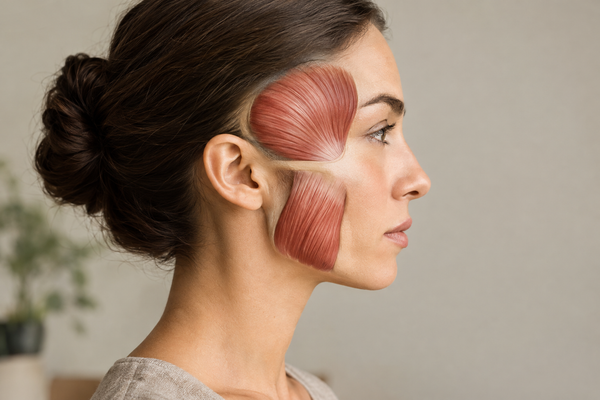
The masseter, pound for pound the body’s strongest muscle, can crank out forces topping 200 pounds per square inch during a bruxism burst. That power floods the tissue with lactic acid and explains the dull ache near your cheeks each morning. Because the same trigeminal nerve branch feeds the masseter and part of the ear canal, jaw overuse can also mimic ear fullness or ringing. Some clinicians even park TENS pads over the masseter to calm both jaw tension and tinnitus episodes described in recent nerve-stimulation trials.
Over time, that strain can travel beyond the joint. Muscles in your temples, cheeks, and even neck pitch in to stabilize the jaw. Unfortunately, their “help” often backfires, causing widespread facial discomfort. Researchers tracking patients with bruxism found that people who ground their teeth had stiffer masseter muscles (the main jaw closers) and reported significantly more morning stiffness than non-grinders (Matusz et al., 2025). That stiffness translates into the dull or sharp pain you feel when you chew breakfast or yawn during a work call.
Picture a graphic designer hunched over a laptop: deadlines loom, shoulders creep toward ears, and jaw muscles grip like a vise. He barely notices the tension until lunch break when opening wide for a sandwich feels like forcing a rusty hinge. Multiply that micro-scenario by months, and you have a textbook example of how seemingly harmless daytime clenching can morph into chronic TMJ pain and enamel damage.
The take-home point: if your jaw aches without an obvious injury, nightly tooth grinding is a prime suspect. The joint’s anatomy and the surrounding muscles simply were not designed for hours of involuntary clamping. Learn more about understanding jaw tension and its causes.
Symptoms of Teeth Grinding and Bruxism
Jaw pain is the headline symptom, but bruxism wears many disguises. Knowing the full lineup of signs helps you connect the dots.
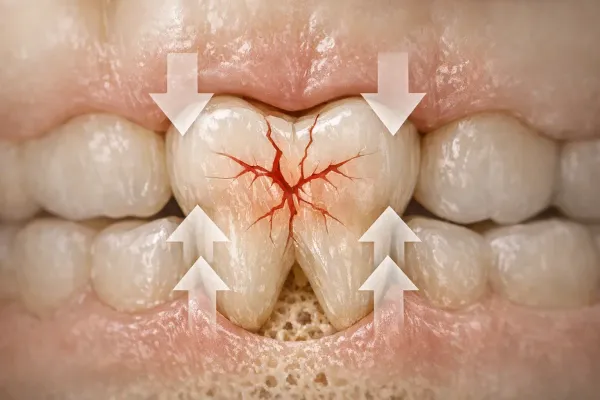
- Tooth wear and chipping. Repeated grinding can shave down enamel, flatten chewing surfaces, or create thin cracks. Dentists spot this quickly during routine exams.
- Morning headaches. Tight jaw muscles can radiate pain upward, giving you a tension-style headache right after waking. Explore why waking up with a sore jaw and headache could be a sign of bruxism.
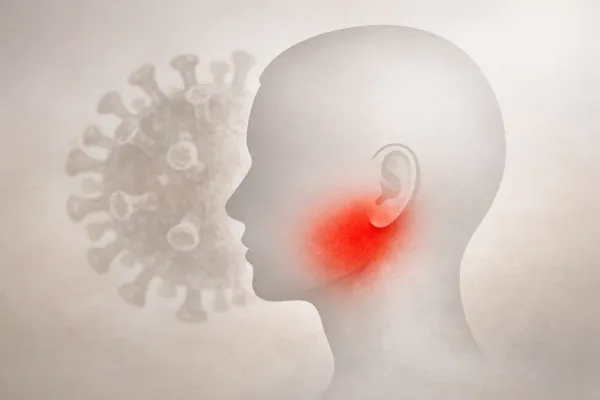
- Ear fullness or ringing. The TMJ sits close to the ear canal. Inflammation in the joint can mimic ear trouble even when hearing tests are normal. Read about the connection between ear pain, TMJ, and bruxism.
- Facial muscle tenderness. Press along your cheeks or temples. If you wince, overworked muscles could be the reason.
- Indentations on the tongue or cheeks. Constant clenching can push soft tissues against teeth, leaving scalloped edges.
- Disturbed sleep. Partners often report hearing clicking, popping, or grinding sounds during the night.
A useful self-test: Place your index fingers in front of the ear canals and gently open and close your mouth. If you feel the joint “jump” forward or grind, note whether soreness follows. Many patients mistake this mechanical sensation for an ear infection and bounce from physician to physician before landing in a dental chair.
Bruxism is not purely mechanical. Stress, anxiety, and certain medications can dial up muscle tension, making grinding more likely. A literature review on neurophysiological tests in orofacial pain found that elevated sympathetic nervous system activity, a marker of stress, was common in bruxism patients (Raciti et al., 2025). The same review noted that people with bruxism often score higher on anxiety inventories than non-grinders. Learn how stress and anxiety trigger teeth clenching.
Meanwhile, the muscle strain itself feeds a vicious cycle. Research on masseter muscle function showed that ongoing microtrauma leads to localized inflammation, which in turn heightens pain sensitivity (Matusz et al., 2025). Your brain registers more pain signals, you tense up, and the grinding continues.
Bottom line: jaw pain rarely travels alone. If several of these symptoms tag along, bruxism jumps higher on the list of potential causes.
Key Indicators to Determine if Jaw Pain is Related to Bruxism
How can you be reasonably sure that your aching jaw points to bruxism and not something else like sinus trouble or dental decay? The following indicators offer strong hints.
- Timing of discomfort. People with sleep bruxism often wake up with tightness that eases as the day goes on. If pain ramps back up late afternoon, you may also clench during work stress, double trouble.
- Noticeable tooth changes. Flat spots or visible chips, especially on the front teeth, are classic markers. A dentist may use a light dental dye or photos to confirm wear patterns (Redinova et al., 2024).
- Muscle fatigue after chewing gum or tough foods. Overworked muscles protest quickly when you add extra load.
- Clicking or popping in the jaw joint without wide opening. Sporadic clicks in a healthy joint often occur at extreme openings like yawning. Frequent clicks at small openings may flag bruxism-related strain.
- Feedback from a sleep partner. If someone in your house hears grinding, treat that as valuable data, not a random complaint.
Tip: Keep a seven-day “jaw journal.” Note pain levels, stressful events, caffeine intake, and any comments from partners about nighttime noises. Bringing this diary to your dental appointment speeds up diagnosis and personalizes treatment recommendations.
Daytime vs. Nighttime Bruxism
Not all grinding happens while you dream.
Daytime (awake) bruxism is usually linked to concentration or stress. You might catch yourself clamping your teeth while sending emails or driving through traffic. Because you are awake, biofeedback tools and mindfulness practices often help. Discover more about biofeedback therapy for bruxism treatment.
Nighttime (sleep) bruxism runs on automatic pilot. Researchers suspect it ties to brief micro-arousals during REM and non-REM cycles. You cannot simply will yourself to stop, so oral appliances and, in some cases, medication come into play. Learn how to prevent nighttime teeth clenching.
A cross-sectional study of dentists’ self-perceived skill in managing orofacial pain underscored the importance of asking patients specific questions about both daytime and nighttime habits (Vikashini et al., 2025). Many patients never mention clenching because they see it as normal or harmless. Your own self-observation, paired with a dental evaluation, fills in the diagnostic puzzle.

Bruxism's Impact on Sleep Quality
Grinding does not clock out when you close your eyes. A systematic review and meta-analysis that scanned polysomnography data showed that bruxers rack up about 20 more micro-arousals per night than non-bruxers and spend less time in rapid eye movement (REM) sleep. Less REM fuels groggy mornings, poor memory consolidation, and touchy moods, which can loop back and trigger more clenching.
Protective moves include:
- Custom night guards. They cushion teeth and may dampen sensory feedback that keeps the jaw on high alert.
- Biofeedback headbands. Some devices vibrate gently when they detect clenching, nudging muscles to relax without waking you fully.
- Screen for sleep apnea. Up to half of people with apnea also grind. A formal sleep study can reveal if an airway collapse is egging on your jaw.
Better sleep tames grinding, and less grinding deepens sleep. Break in anywhere and the loop shifts your way.
Clinical Approaches to Diagnosing Bruxism
Self-observation can raise suspicion, but a formal diagnosis requires professional tools. Dentists and orofacial pain specialists use several methods.
- Intra-oral examination. The dentist checks for wear facets, enamel cracks, and soft-tissue indentations.
- Occlusal analysis. Using carbon paper, silicone bites, or digital scanners, the practitioner maps out where your upper and lower teeth make contact. A study comparing traditional occlusiography with photo documentation found consistent wear and contact patterns among bruxers (Redinova et al., 2024).
- Neurophysiological testing. Surface electromyography (sEMG) measures muscle activity while you rest, chew, and clench. Elevated baseline activity often crops up in bruxism cases. The review by Raciti et al. (2025) highlighted sEMG’s role in teasing apart bruxism from other jaw disorders.
- Sleep studies. For stubborn or complex cases, a polysomnography (sleep lab test) records grinding sounds, muscle contractions, and brain waves overnight.
- Imaging when needed. Cone-beam CT or MRI scans assess the TMJ’s bone and disc status if structural damage is suspected.
Some clinics now add pressure-sensing bite strips that you wear overnight at home. These thin disposable sensors change color in response to force, giving the dentist a visual “heat map” of where and how hard you clench, valuable data without the cost of a hospital sleep study.
Why bother with all these tests? Precise diagnosis steers treatment. For instance, if your muscles but not your joint are overactive, a mouthguard alone may suffice. If the joint disk has displaced, you might need physical therapy or splint adjustments. Your dentist, possibly in tandem with a sleep physician, crafts the optimal plan. Explore advanced clinical treatments for bruxism.
Treatment Options for Bruxism and Associated Jaw Pain
Good news: you have several science-backed ways to soothe the grind. Treatment usually mixes dental devices, behavioral tweaks, and in some cases, medical interventions.
- Custom night guards. These acrylic or thermoplastic devices create a smooth surface between your upper and lower teeth. They cushion bite forces and reduce enamel wear.
- Cognitive behavioral therapy (CBT). Because stress can trigger bruxism, CBT or relaxation training helps you spot and reverse clenching cues.
- Physiotherapy. Targeted jaw stretches, posture correction, and trigger-point massage ease muscle tension. Discover jaw relaxation techniques for nighttime clenchers.
- Botulinum toxin type A injections. Small doses of BTX-A weaken overactive jaw muscles for about three to four months. A systematic review concluded that BTX-A reduced pain scores and grinding intensity in moderate to severe cases (Yacoub et al., 2025). Further work on masseter injections confirmed functional improvements, such as wider mouth opening and lower EMG readings (Matusz et al., 2025).
- Pharmacologic aids. Low-dose muscle relaxants or anxiety medications, prescribed by a physician, may be used short term.
- Occlusal adjustment. If certain high spots in your bite trigger grinding, selective reshaping of enamel can level the playing field. Dentists make these micro-adjustments under magnification.
- Orthodontic or restorative work. Crowded or missing teeth shift bite forces unevenly. Braces, aligners, or crowns can once again distribute load evenly, curbing the grind.
Night guards themselves come in flavors: soft EVA plastic for light grinders, dual-laminate (soft inside, hard outside) for moderate cases, and hard acrylic for severe clenchers who also need precise bite calibration. Expect to invest anywhere from $150 for a lab-made soft guard to $700 or more for a fully customized hard splint, money often well spent compared to the cost of crowns or implants later. Learn about the benefits of custom mouth guards for teeth grinding.
No single fix works for everybody. Your provider will likely stack two or three approaches, starting with the least invasive. For example, many patients pair a night guard with stress management. Those with severe muscle hypertrophy might add BTX-A if symptoms linger.
Lifestyle Changes and Home Remedies to Manage Bruxism
Your daily habits can either fuel or cool the grind. Consider these practical tweaks backed by dental experts:
- Identify “teeth together” moments. Set a phone alert every hour. When it buzzes, notice your jaw. Lips should be closed, but teeth apart.
- Practice guided relaxation. Apps that teach diaphragmatic breathing or progressive muscle relaxation calm the nervous system and loosen the jaw.
- Avoid hard chewing. Swap ice, popcorn kernels, or tough jerky for softer snacks while symptoms persist.
- Limit caffeine and alcohol. Both can disrupt sleep architecture and increase nocturnal grinding. Avoid caffeine late at night to help manage bruxism.
- Use a boil-and-bite guard temporarily. Over-the-counter guards are not as durable as custom ones, but they can provide short-term cushioning until your dental visit.
- Stay hydrated. Dehydration may thicken saliva, making grinding sounds worse and irritating soft tissues.
Tame Your Tech Habits
Blue light and turtle-neck posture from late-night phone scrolling are under-rated bruxism triggers. An adolescent study tied high screen time, especially in bed, to more sleep bruxism, neck pain, and poorer sleep quality. Blue light delays melatonin, while a 45-degree head tilt loads your neck with the weight of a bowling ball and recruits jaw muscles for backup.
- Flip on night-shift or blue-light filters after sunset.
- Prop devices at eye level to spare your neck and jaw.
- Set a screen curfew 30 minutes before lights-out.
- Trade doom-scrolling for low-light reading or gentle stretching.
Sleep posture also matters. Try lying on your back with a supportive pillow that keeps the neck neutral; side sleeping with the jaw pressed into the pillow can encourage lateral grinding motions. Some people even sew a small tennis ball into the front of a T-shirt collar to remind themselves not to sleep face-down.
Dentists surveyed in Chennai emphasized that patient education, teaching these very habits, was a frontline management tool for mild cases (Vikashini et al., 2025).
Conclusion
Jaw pain can feel like a puzzle, but modern research offers clear pieces. Frequent clenching or grinding often overloads the TMJ and surrounding muscles, leading to the stiffness and tenderness you notice each morning. Add telltale signs, flattened teeth, temple headaches, reports of nighttime grinding, and the bruxism picture sharpens.
A dentist’s evaluation, possibly supported by occlusal mapping or muscle testing, confirms the diagnosis. From there, layered treatments ranging from night guards to targeted botulinum toxin injections can bring relief. Do not overlook lifestyle tweaks that calm your nervous system and keep your teeth apart when they are off duty.
If your jaw keeps sending distress signals, consider booking that dental appointment. Catching bruxism early saves enamel, lowers pain, and helps you sleep without a soundtrack of grinding gears.