Natural Remedies for Jaw Tension Relief: Effective Stress Alleviation Techniques
Explore natural methods to ease jaw tension caused by stress with holistic practices.

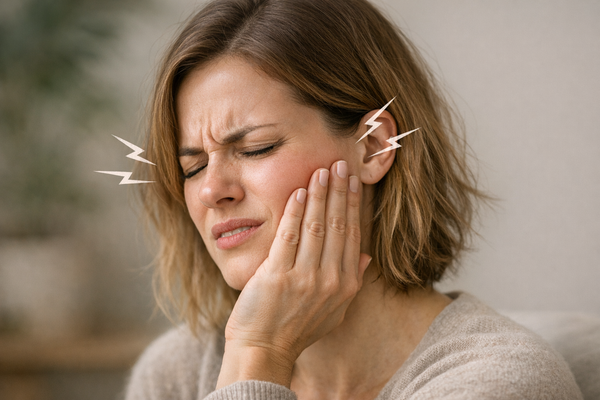
Clenching your jaw during a tough meeting or waking up with sore facial muscles is common. Jaw tension is one of the most frequent physical signs that your nervous system is stressed. The good news is you don't need to accept a lifetime of clicking, popping, or morning headaches. A mix of evidence-based strategies, hands-on exercises, and small lifestyle changes can help you find relief from jaw tension caused by stress.
This article explores the science behind why stress manifests in your jaw and provides a practical menu of natural options for relief. Every technique is supported by peer-reviewed research or recommendations from trusted medical organizations, so you can start feeling better.
Understanding Jaw Tension and Its Connection to Stress
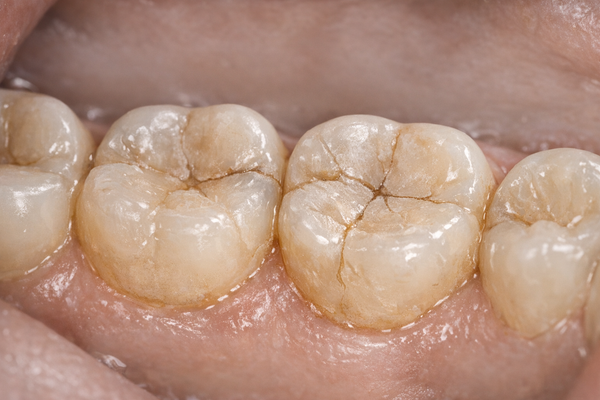
Jaw tension often appears as tightness, soreness, or fatigue in the muscles that power chewing, particularly the masseter and temporalis. Dentists refer to this cluster of issues as temporomandibular disorders (TMD). While TMD can have mechanical triggers like an off-center bite or past injury, stress is a well-known factor.
When you're stressed, your body enters fight-or-flight mode. Cortisol and adrenaline levels spike, heart rate increases, and muscles tense up in preparation for action. Your jaw is no exception. Over time, this muscular tension can lead to chronic clenching during the day and bruxism (nighttime grinding) while you sleep.
The connection between stress and TMD is supported by research. In a 2022 review by Penlington et al., psychological interventions such as cognitive behavioral therapy (CBT) consistently improved pain and function in TMD patients. Another study, the 2024 survey by Graziani Prada and colleagues, found that people with TMD were more likely to screen positive for anxiety and depression. This suggests that emotional stress can contribute to jaw tension.
Stress-induced jaw tension can become a cycle: discomfort leads to more stress, which increases muscle guarding. Breaking this cycle requires calming the nervous system and addressing the physical strain on your jaw muscles.
Holistic Approaches to Relieve Jaw Pain from Stress
Holistic approaches treat the whole person rather than focusing on a single joint. Because jaw tension is partly driven by mental state, strategies that reduce psychological arousal can also reduce muscle tightness. Below are two approaches with strong scientific support.
Mindfulness and Relaxation Techniques
Mindfulness involves noticing thoughts, sensations, and emotions without judgment. Randomized controlled trials have shown it to be effective. In the 2022 Cochrane review, mindfulness-based stress reduction (MBSR) lowered pain intensity and improved jaw range of motion in TMD patients.
Start with a five-minute body scan:
- Sit comfortably with your feet on the floor.
- Close your eyes and breathe slowly through your nose.
- Focus on the crown of your head, then move downward, noticing any tension.
- When you reach your jaw, consciously relax the muscles, letting your tongue rest on the roof of your mouth, teeth slightly apart.
- If your mind wanders, acknowledge it and gently refocus.
Progressive muscle relaxation (PMR) is another effective technique. You systematically tense and release muscle groups, teaching your nervous system the difference between stiffness and ease. A small pilot trial cited in the same review reported that adding PMR to usual dental care reduced jaw pain more than mouthguards alone.
Breathing Exercises
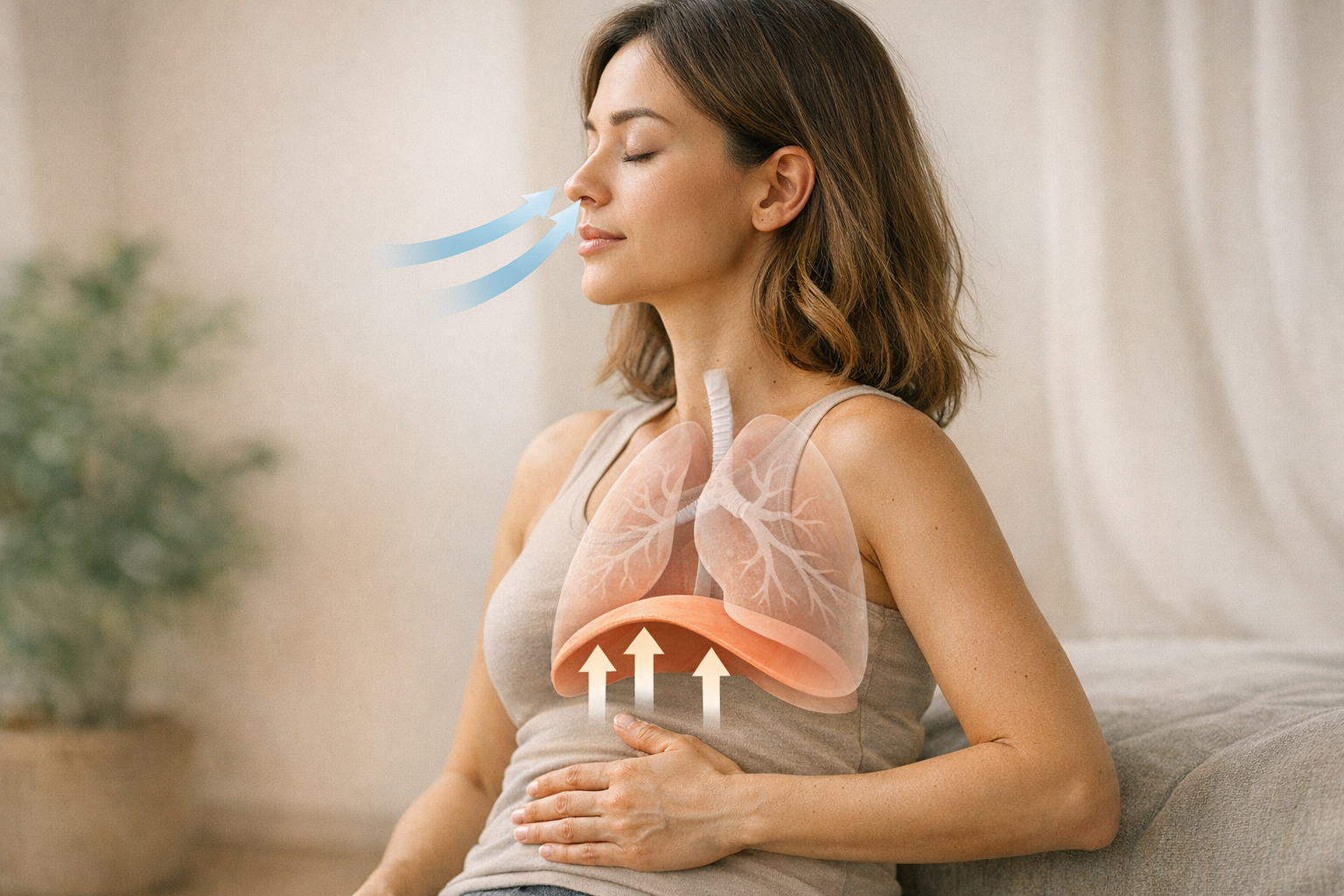
Slow, diaphragmatic breathing can stimulate your vagus nerve, reducing sympathetic (fight-or-flight) activity. Try the 4-7-8 pattern popularized by sleep physicians:
- Inhale through your nose for a count of 4.
- Hold for 7.
- Exhale gently through pursed lips for 8.
- Repeat for four cycles.
A 2023 meta-analysis on breathing techniques for chronic pain, summarized on the Mayo Clinic stress management portal, concluded that paced breathing can reduce perceived pain by about 20 percent. Less pain can lead to less subconscious clenching.
Natural Therapies: Herbal Remedies and Essential Oils
Many plants contain compounds that can calm nerves, relax muscles, or reduce inflammation. While herbs and essential oils are not cure-alls, they can support other treatments when used wisely.
- Chamomile (Matricaria chamomilla): Known for its mild sedative effects, chamomile tea before bedtime can encourage muscle relaxation. A 2019 double-blind trial found that 400 mg of chamomile extract twice daily reduced generalized anxiety scores, indirectly lowering the risk of bruxism.
- Valerian root (Valeriana officinalis): Often marketed as a sleep aid, valerian appears to modulate GABA neurotransmission. Better sleep means fewer nocturnal grinding episodes. Start with 300–600 mg standardized extract about one hour before bed.
- Lavender essential oil: Inhalation of lavender (two to three drops on a cotton ball) can lower heart rate and blood pressure during stressful tasks. A small 2020 crossover study found that subjects exposed to lavender aroma displayed reduced masseter muscle activity.
- Peppermint oil: Topical application (a 3 percent dilution in carrier oil) creates a cooling sensation that distracts from pain. Do a patch test first to rule out skin sensitivity.
Side effects are generally mild but should be noted. Valerian can cause grogginess, chamomile may trigger ragweed allergies, and essential oils can irritate skin if used undiluted. Consult a pharmacist or qualified herbalist if you're taking prescription meds, as some herbs interact with antidepressants or anticoagulants.
For sourcing, choose vendors that provide Certificates of Analysis and test for heavy metals and pesticides. The National Center for Complementary and Integrative Health offers updated safety sheets for each herb mentioned.
Physical Exercises for Jaw Tension Relief
Stretching and strengthening the muscles that support your jaw, neck, and shoulders can help them handle daily stress without seizing up. Think of it as cross-training for your face.
Jaw Exercises
Perform these movements twice daily, ideally in front of a mirror so you can watch for symmetry. Stop if pain increases beyond a mild ache.
- Controlled open-close: Place the tip of your tongue on the roof of your mouth, just behind the front teeth. Slowly open your jaw halfway, then close. Repeat 10 times.
- Resisted opening: Place two fingers under your chin. Gently open your mouth while applying mild resistance with your fingers. Hold for 5 seconds, relax, and do 5 reps.
- Side-to-side glide: With teeth slightly apart, slide your jaw to the left, hold for 3 seconds, then to the right. Do 5 passes each side.
- Goldfish stretch (partial): Put one finger on your TMJ (the hinge right in front of your ear) and another on your chin. Drop your lower jaw halfway, feeling a slight stretch, then close. Six reps complete one set.
These exercises can help retrain the jaw to move smoothly and decrease grinding forces. The Cleveland Clinic TMJ guide suggests pairing exercises with moist heat packs to improve tissue pliability.
Neck and Shoulder Stretches
Tight upper traps and scalene muscles often contribute to jaw tension, so loosening the entire chain can yield better results.
- Upper trapezius stretch: Sit tall, place your right hand under the chair. Tilt your head left, bringing your left ear toward your left shoulder until you feel a gentle stretch. Hold for 20 seconds, then switch sides.
- Levator scapulae release: Turn your head 45 degrees to the right, nod down as if sniffing your armpit. Use your right hand to apply gentle pressure. Hold for 20 seconds and repeat on the other side.
- Pectoral doorway stretch: Stand in a doorway with your forearms on each side at shoulder height, elbows bent 90 degrees. Step forward slowly until you feel a chest stretch. Hold for 30 seconds.
- Chin tucks: While standing against a wall, draw your chin straight back, creating a “double chin” without tilting down. Hold for 5 seconds, release. Do 10 reps.

Regular practice improves posture, freeing the jaw from the constant upward pull of tense neck muscles. According to the American Academy of Orofacial Pain, combining jaw exercises with cervical mobility work can reduce pain scores by up to 30 percent within eight weeks.
Lifestyle Changes for Long-Term Stress and Jaw Tension Management
Quick fixes are helpful, but sustainable relief comes from reducing the stressors and habits that trigger jaw tension.
Dietary Modifications
Your jaw is a hard-working hinge. Eating chewy steak or hard bagels when it's already inflamed is like running on a sprained ankle. Opt for softer textures—like steamed veggies, mashed sweet potatoes, or shredded protein—during flare-ups.
Anti-inflammatory foods can also lower pain sensitivity. Include omega-3-rich fish, leafy greens, berries, and nuts in your diet. A Mediterranean-style diet has support from multiple pain studies and is easy to maintain. In contrast, high-sugar and ultra-processed foods can increase systemic inflammation, making muscles more irritable.
Caffeine deserves special mention. While a morning cup of coffee is fine, high caffeine intake can increase jitteriness and clenching. Aim for under 300 mg per day (about three cups of brewed coffee) and avoid caffeine at least six hours before bed.
Sleep Hygiene
Bruxism often increases during rapid eye movement (REM) cycles. Poor sleep quality can lead to more grinding and a lower pain threshold the next day. The 2026 review by Karolak et al. emphasized that bruxism management should include sleep optimization.
Key strategies:
- Maintain a consistent sleep schedule, even on weekends.
- Keep the bedroom cool (around 65°F/18°C) and dark.
- Avoid screens for at least 30 minutes before bed; blue light can delay melatonin release.
- If worrying thoughts keep you awake, jot them down and set them aside until morning.
- Consider white noise or soft nature sounds to mask background disruptions.
For additional support, pair good sleep habits with a custom mouthguard from your dentist to minimize damage from nocturnal grinding.
When to Consult a Specialist
Self-care can be effective, but some situations require expert help.
- Jaw pain that persists longer than three months despite diligent home care.
- Loud grinding that wakes a bed partner.
- Noticeable changes in your bite or difficulty opening your mouth wider than two finger-widths.
- Locking, clicking, or popping that affects daily activities like eating or speaking.
A dentist trained in TMD can assess your bite, fit you for an occlusal splint, or refer you to a physical therapist. If stress and anxiety are significant factors, a psychologist or licensed counselor can teach coping skills. The 2022 Cochrane review and 2024 multidisciplinary study both suggest that combining dental treatment with psychological therapy provides the most durable relief.
Conclusion: Embrace a Holistic Path to Jaw Tension Relief
Jaw tension is your body's reminder that stress levels are high. While a single yoga session or herbal tea won't erase years of clenching, a layered approach can help. Combining mindfulness, exercises, plant-based remedies, and healthy habits increases the likelihood that your jaw muscles will relax.
The strategies discussed here are simple enough to start immediately yet strong enough to impress researchers. Use them consistently, track what works, and don't hesitate to seek professional help when needed. Your jaw—and likely the rest of your body—will be grateful.