How Anxiety Drives Nighttime Teeth Clenching: Understanding Jaw Tension and More
Discover how anxiety leads to nighttime teeth clenching and jaw tension.
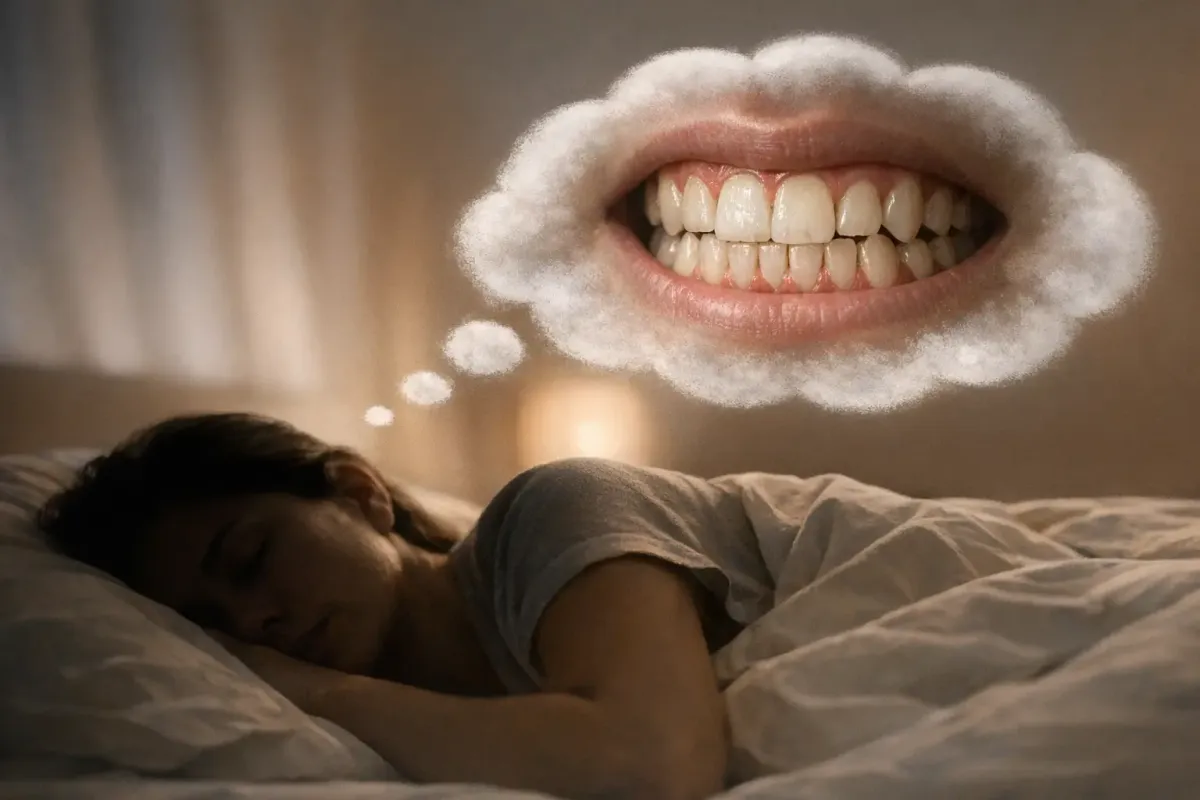
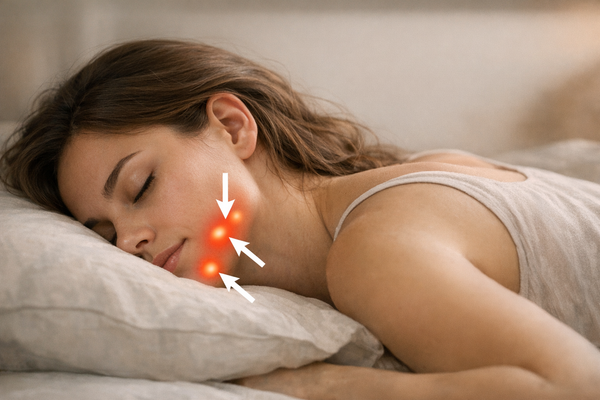
Ever wake up with your jaw feeling like it spent the night doing push-ups? You're not alone. Millions of adults clench or grind their teeth in their sleep, a habit known as bruxism. What often hides behind that morning jaw ache is anxiety, quietly working the night shift. Understanding how anxiety leads to nighttime teeth clenching and jaw tension can help manage this common issue.
Research is connecting the dots between stress hormones, brain circuits, and how your molars meet under pressure. By the end of this article, you'll know how anxiety affects your jaw muscles, how to spot the signs, and what you can do about it without turning into a human stress ball.
The Connection Between Anxiety and Teeth Clenching
A tough day at work might lead to some jaw tension, but the relationship goes beyond a bad Tuesday. A 2025 systematic review by Dupare et al. explored temporomandibular joint disorders, sleep quality, and anxiety. They found that people with higher anxiety scores were significantly more likely to report nighttime clenching or grinding. Another study by Uchima Koecklin et al. 2024 used brain imaging to show that the limbic system, the brain’s anxiety hub, activates right before jaw-muscle activity spikes during sleep.
Why does that matter for you? Bruxism isn't just a quirky bedtime habit. Chronic clenching can exert up to 200 pounds of force on your teeth, chipping enamel, causing gum recession, and triggering headaches before you even smell coffee. The American Dental Association warns that unmanaged grinding can lead to cracked crowns and worn fillings (ADA).
Stress is the prime suspect. When you're anxious, your body flips into fight-or-flight mode, even while you snooze. This releases adrenaline and other stress chemicals that tell muscles to gear up. Jaw muscles, among the strongest in the body, respond to this call. Over time, the muscle memory sticks, turning short-term tension into a nightly ritual. Learn more about how stress and anxiety trigger teeth clenching at night.
Bruxism can create a feedback loop. Pain and dental damage can increase anxiety about sleep and health, which ramps up nighttime clenching. Recognizing that cycle is the first step toward breaking it.
Psychological Mechanisms Behind Anxiety-Induced Bruxism
Anxiety doesn't just live in your head; it rewires your entire physiology. Two main pathways link mental stress to the physical grind.
Cortisol and Stress Response
Cortisol is crucial for waking you up and regulating metabolism. The trouble starts when anxiety keeps cortisol elevated after dark. Chronic high cortisol is tied to muscle hyperactivity. A 2024 clinical trial by Kadıoğlu et al. noted that participants with bruxism showed late-night cortisol spikes compared to calm sleepers. Elevated cortisol sensitizes motor neurons, making it easier for jaw muscles to fire. It's akin to turning up the volume on a speaker; even light background noise (regular sleep movements) can trigger clenching.
Botulinum toxin trials for neurological disorders accidentally uncovered more evidence. In a review of those trials, Kuang et al. 2025 reported that patients receiving injections not only had better muscle relaxation but also showed lower overnight cortisol levels, highlighting the hormone-muscle connection.
Sleep Disturbances and Anxiety
When anxiety barges into your bedroom, restorative deep sleep takes a hit. Lighter, fragmented sleep keeps the brain closer to wakefulness, making muscle movements more likely. According to the Cleveland Clinic, REM sleep is when most grinding happens, possibly because dreaming can trigger emotional arousal. If anxiety already has you tossing and turning, your jaw finds extra chances to clamp down.
There's also a timing issue. Cortisol normally dips at night, but anxious brains delay that dip. This delayed rhythm overlaps with REM cycles, exactly when bruxism peaks. Researchers call this a circadian mismatch: stress hormones surge when muscles are naturally loose, creating a snap-back effect that jolts jaw muscles awake. Over months, the mismatch conditions your nervous system to treat clenching as part of standard operating procedure. Explore more about how sleep disorders can influence bruxism.
Micro-arousals—those brief awakenings you never remember—add to the picture. Every time you drift from deep sleep to a lighter stage, your jaw gets another workout. It's like doing reps at the gym without consent, and the weights only get heavier with ongoing anxiety.

The Role of Oral Health in Bruxism
Your mouth isn't just a victim of bruxism; it can also fan the flames. Tooth wear and gum problems set off pain signals that increase stress hormones, tightening the noose on your anxiety-bruxism loop.
Impact on Teeth and Gums
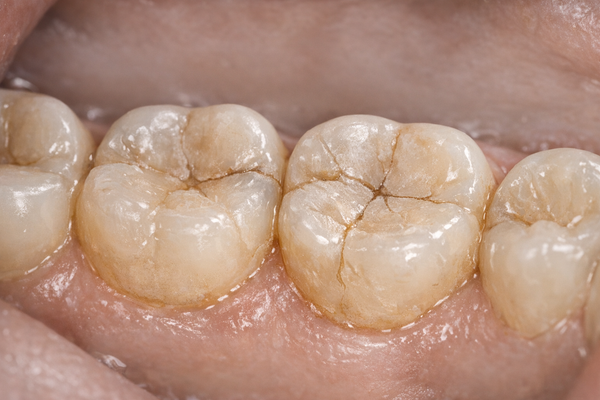
Picture two granite slabs grinding together. Over time, enamel—the hardest tissue in your body—thins out. Cracks form, exposing dentin, which is more sensitive to temperature and even sugar. That sensitivity can wake you, prompting more jaw activity. The Mayo Clinic lists cracked teeth and flattened chewing surfaces as hallmark signs of night clenching (Mayo Clinic).
Gum tissue doesn't escape either. Repeated pressure inflames periodontal ligaments, causing gums to recede. Recession not only exposes roots but can shift teeth, changing your bite. A misaligned bite then requires extra muscle force to close, and the cycle tightens again. For more insights, read about key indicators that your jaw pain might be a sign of bruxism.
Oral Microbiota and Anxiety
Here's an angle you might not expect: microbes. Your mouth houses more than 700 bacterial species. A 2025 paper by Morris et al. suggests that chronic clenching can shift the mouth’s microbiota by creating micro-fractures and altering saliva flow. Less saliva means fewer antibodies in the mouth, allowing harmful bacteria to dominate. Those bacteria can trigger low-grade inflammation, which raises systemic stress markers and may heighten anxiety.
In other words, bruxism changes the oral environment, and the new microbial tenants pay the rent by raising inflammation. Inflammation then nudges cortisol higher, and your jaw tightens.
Recognizing and Diagnosing Anxiety-Induced Bruxism
Clenching is sneaky because it happens while you sleep. Many people don't realize they're grinders until a dentist finds the evidence.
Symptoms to Watch For
- Morning headaches centered at the temples
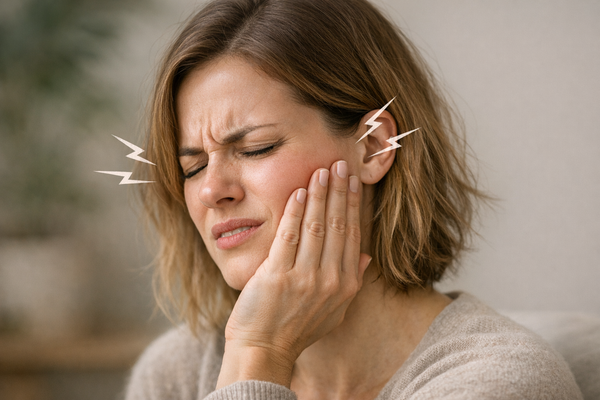
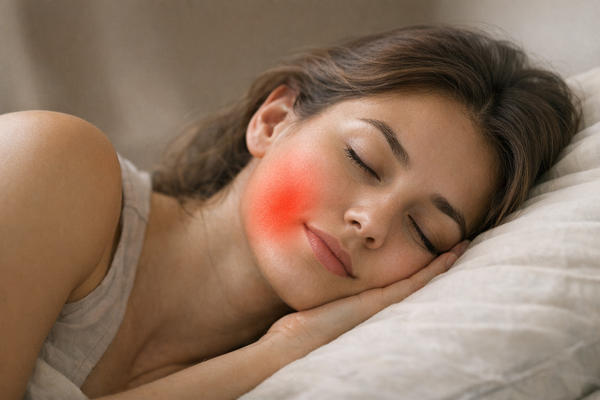
- Jaw pain or fatigue upon waking
- Chipped or flattened teeth with no daytime trauma
- Earaches that aren't infections (jaw muscles share nerves with the ear)
- Clicking or popping in the jaw joint
- Sleep partner reports of grinding noises
The American Psychological Association notes that physical tension is a common anxiety symptom (APA). If you feel edgy during the day and wake up with any of the signs above, anxiety-induced bruxism should be on your radar.
Diagnostic Tools and Techniques
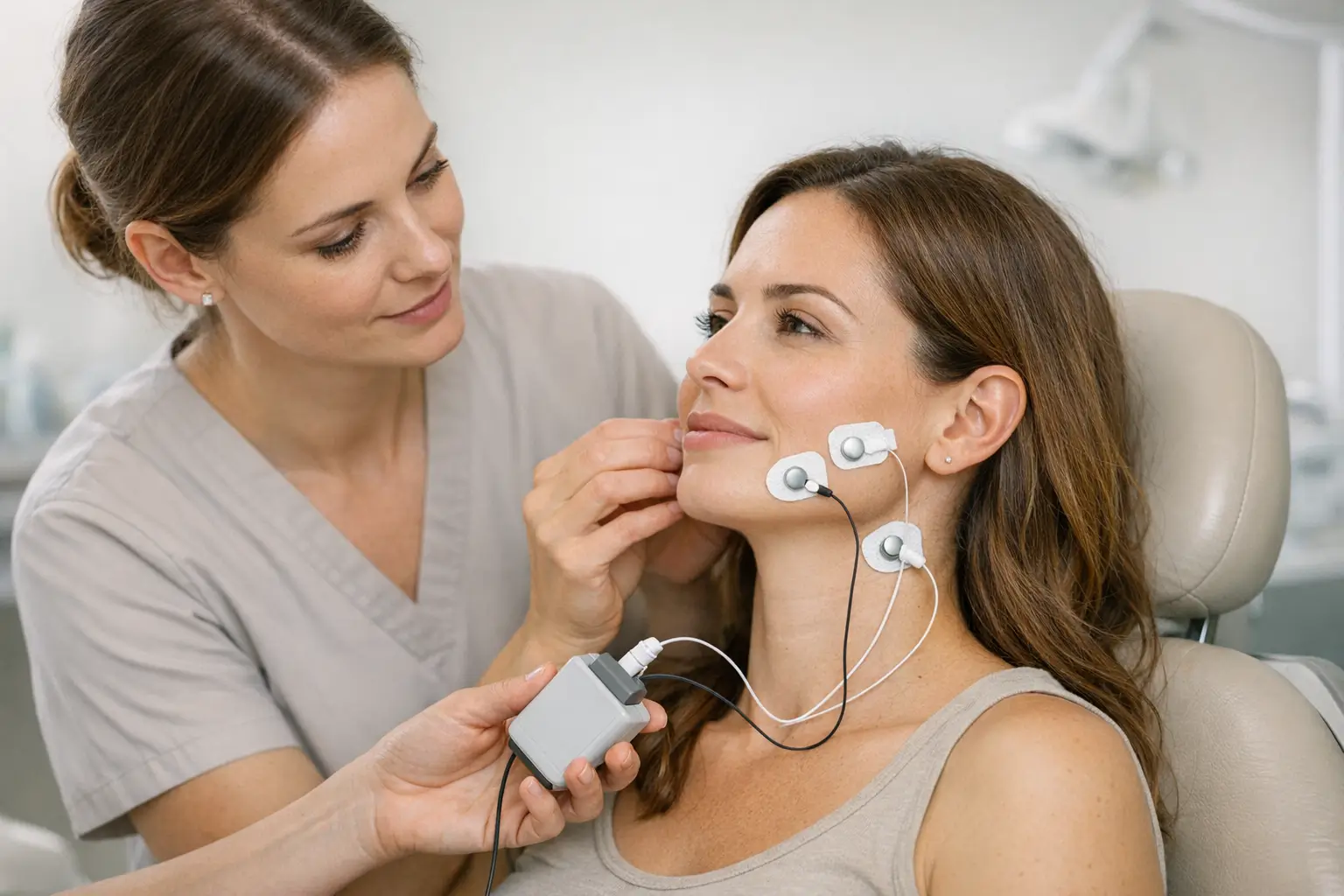
Dentists traditionally look for wear patterns and palpate jaw muscles, but technology has upgraded the toolkit. The Bruxoff device pairs electrodes with a bite force sensor to record nocturnal jaw activity. In a 2023 monitoring study by Crăciun et al., Bruxoff successfully distinguished mild from severe bruxism in adolescents. Adults benefit the same way. Portable electromyography units can log muscle contractions overnight, providing objective proof of grind sessions. Consider exploring biofeedback devices for managing bruxism effectively.
Advanced imaging like cone-beam CT scans can map joint spaces, revealing damage from chronic clenching. While these scans aren't first-line tools, they help when pain persists despite normal X-rays. Your dentist may also use pressure transducers—thin sensors placed between teeth for one night—to measure bite force peaks. If the numbers exceed typical chewing forces, you have actionable data.
Finally, anxiety screening questionnaires such as the GAD-7 help link bruxism with psychological stress. Scoring high on anxiety plus objective grinding data makes anxiety-induced bruxism the likely culprit.
Effective Treatments and Management Strategies
No single magic pill fixes bruxism, but a combination of behavioral tweaks and medical options can loosen the nocturnal vise grip.
Behavioral Therapies
Cognitive Behavioral Therapy (CBT) tackles the anxiety half of the equation. By reframing worry triggers and teaching relaxation techniques, CBT can reduce both daytime tension and nighttime clenching. A biofeedback twist involves daytime jaw sensors that beep when muscles tighten, training you to notice and release tension. For those interested in alternative methods, hypnotherapy could be another avenue to explore.
Manual therapy shines here too. In the randomized trial by Kadıoğlu et al. 2024, patients receiving facial muscle massage and guided stretching showed significant drops in pain, stress scores, and EMG-confirmed clenching episodes. Home exercises—think gentle chin tucks and tongue-up roof-of-mouth posture—extend those benefits between appointments. Discover more about TMJ exercises for pain relief.
Some people swear by mindfulness meditation. Studies on heart-rate variability show that even ten minutes of controlled breathing can lower sympathetic nervous activity. Less fight-or-flight means quieter jaw muscles when the lights go out.
Medical Interventions
Night guards remain the dental MVP. They don't stop muscle activity but distribute forces to reduce tooth damage. Custom guards from a dentist fit better and last longer than boil-and-bite versions found online. Learn more about choosing the right bruxism mouth guard.
When muscle overdrive is severe, injections of botulinum toxin offer relief. The review by Kuang et al. 2025 notes that strategic shots into the masseter and temporalis muscles cut clenching strength by up to 40 percent for three to six months. The bonus: lower cortisol levels, as discussed earlier. Side effects are usually mild—temporary chewing fatigue or slight asymmetry—but you need a skilled injector.
Medications like low-dose benzodiazepines or certain antidepressants can tone down nighttime arousal. They come with baggage such as dependence risk, so they are best reserved for short-term relief while behavioral work ramps up.
Finally, treat any dental triggers: fix misaligned bites with orthodontics or occlusal adjustments, replace cracked fillings, and address gum inflammation. Removing pain sources lowers subconscious clench prompts.
Living With Bruxism: Tips for Daily Management
Long-term victory comes from small daily habits that nudge both mind and jaw toward calm.
Lifestyle Changes
- Limit caffeine after lunch; stimulants can keep cortisol high into the night. Discover how caffeine affects bruxism.
- Skip hard foods like unpopped popcorn kernels and ice cubes that overload jaw muscles.
- Keep your monitor at eye level to avoid a forward-head posture that strains jaw muscles.
- Use a warm compress on the sides of the face for ten minutes before bed to relax muscles.
- Stay hydrated; saliva lubricates joints and buffers oral acids.
Stress Reduction Techniques
- Box breathing: inhale for four counts, hold four, exhale four, hold four. Repeat for five minutes.
- Progressive muscle relaxation: tense and release body areas from toes to scalp while lying in bed.
- Journaling: offload racing thoughts onto paper an hour before sleep.
- Digital sunset: dim screens or use night mode two hours before bedtime to encourage melatonin.
- Short walks: even a ten-minute stroll lowers cortisol more effectively than scrolling social media.
Conclusion
Anxiety and nighttime teeth clenching are dance partners that feed off each other. Research from systematic reviews (Dupare et al. 2025) and brain-imaging studies (Uchima Koecklin et al. 2024) confirm that stress hormones and neural circuits turn jaw muscles into over-eager gym rats after dark. Left unchecked, bruxism chips teeth, inflames gums, and even alters your mouth’s microbiota, which circles back to raise anxiety.
The upside: you can break the loop. Combine anxiety-targeted therapies like CBT and mindfulness with dental tools such as night guards and, when warranted, botulinum toxin. Layer on lifestyle tweaks that lower cortisol and relax muscles. With consistent effort, you can wake up to quieter mornings, happier teeth, and a jaw that finally clocks out when you do.