Jaw Pain on One Side: Is It Stress or Bruxism?
Understand if your one-sided jaw pain is due to stress or bruxism.
You wake up, yawn, and one side of your jaw greets you with pain. By mid-morning, the ache distracts you, and a quick search online offers a host of alarming possibilities. Could it be stress or bruxism causing your discomfort? Let’s explore the science behind these conditions, how to distinguish between them, and actionable steps you can take to alleviate the pain.
The following insights are drawn from peer-reviewed studies and reputable health sources, presented in straightforward language. Keep an open mind, grab a mirror, and let’s decode the signals your jaw is sending.
Understanding Jaw Pain on One Side
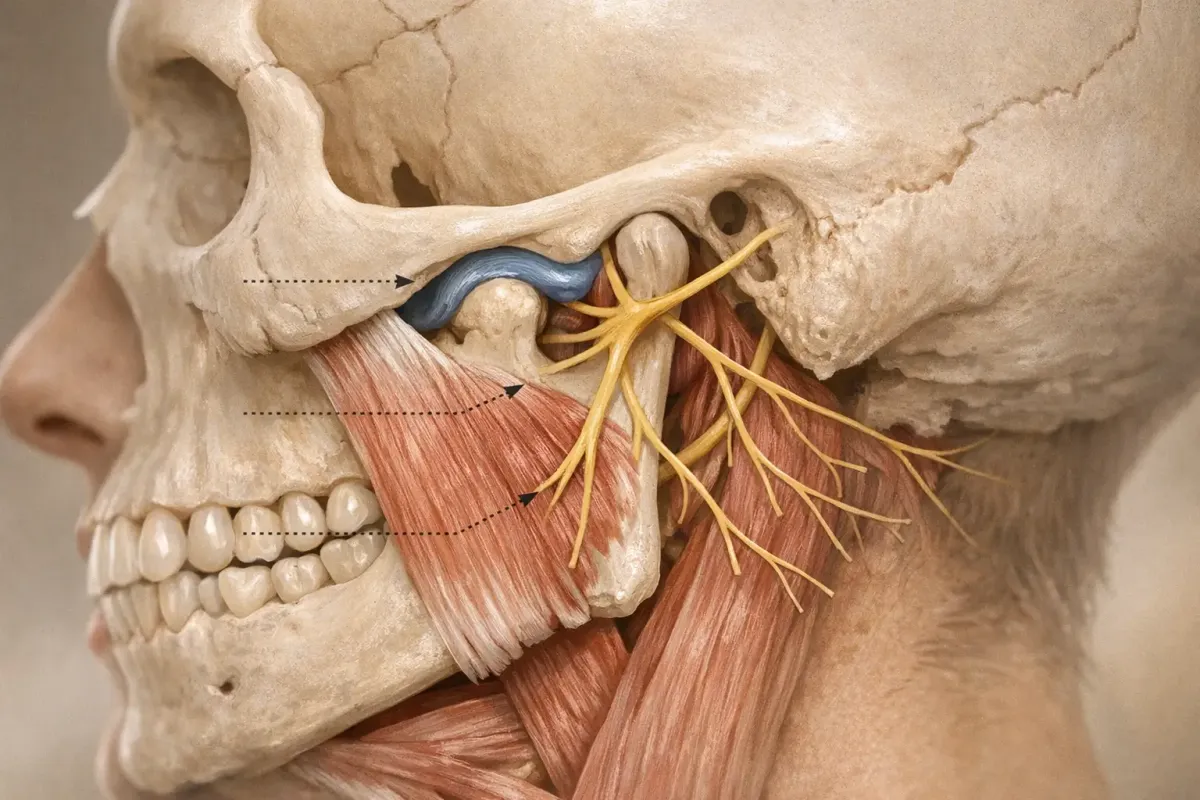
Jaw pain that occurs on one side is common and often temporary. The temporomandibular joint (TMJ) acts like a sliding hinge on each side of your face. If the muscles around one joint tighten or the joint becomes irritated, unilateral pain can occur. According to a 2025 review by Goodfred, Simon, and Azam, unilateral jaw pain is frequently seen in temporomandibular disorders (TMDs), but it can also be caused by dental infections, sinus pressure, nerve issues, or trauma. For more detailed causes and solutions, you can explore this guide on understanding jaw pain on one side.
The main triggers are often stress or bruxism. Stress can lead to daytime clenching of the jaw muscles. Bruxism is a sleep-related movement disorder, characterized by grinding or clenching, usually at night. While they may appear similar, their causes and treatments differ.
Think of your TMJ as the door hinge of a busy coffee shop. When the hinge is well-maintained, the door opens smoothly. But if a screw loosens or the door is repeatedly tugged in one direction, the hinge starts to complain. Your jaw works similarly. Activities like chewing on one side, resting your chin in your hand, or sleeping face-down can create an imbalance that affects only one joint.
Common Causes
- Muscle overuse from daytime clenching or excessive gum chewing
- Nocturnal grinding or clenching (sleep bruxism)
- Inflammation in the TMJ
- Dental issues like an abscess on one side
- Sinus infections affecting upper jaw nerves
- Arthritis in the joint
- Nerve pain syndromes such as trigeminal neuralgia, detailed in a 2023 review by May, Benoliel, and Imamura
Symptoms to Watch For
• Sharp or dull ache in front of the ear
• Clicking, popping, or grinding sounds when opening wide
• Stiff or tired jaw muscles, especially in the morning
• Headaches near the temples
• Ear fullness without infection
• Uneven wear on one side of your teeth
If these symptoms persist for more than a week or occur frequently, consider evaluating stress levels and nocturnal habits. For early signs and symptoms of bruxism, recognizing bruxism symptoms can be crucial in preventing complications.
The Role of Stress in Jaw Tension
Stress is not merely “in your head.” It activates a whole-body response. When your brain perceives a threat, like a looming deadline or bills, it triggers the hypothalamic-pituitary-adrenal (HPA) axis. This releases cortisol and adrenaline, priming muscles for action, including those that operate the jaw. Chronic stress keeps these muscles from relaxing fully, resembling a persistent charley horse on one side.
A study on HPA axis activity in individuals with psychogenic health issues found elevated cortisol and sympathetic nerve activity compared to controls (Xu, Chen, and Gu 2023). Although the study focused on another condition, the key takeaway is that chronic stress equals chronic muscle tension. Learn more about how stress exacerbates bruxism and jaw tension.
How Stress Affects the Jaw
- Cortisol maintains slight muscle contraction, even at rest
- Sympathetic nerves increase pain sensitivity, making mild irritation feel worse
- Stress often causes poor posture, which can misalign the jaw
- Nervous habits—like nail biting—add extra strain
Daily-Life Example
Consider Maya, a graphic designer with tight deadlines. By afternoon, she finds herself hunched over her tablet, jaw clenched so tightly her molars seem glued together. Though she doesn’t grind at night, her one-sided ache by late afternoon hampers her creativity. The issue is not her teeth, but her nervous system expressing itself through her jaw muscles. For more on relieving stress-induced jaw tension, explore effective techniques for stressed professionals.
Symptoms of Stress-Induced Jaw Pain
• Pain peaks during the day, especially when working or driving
• You catch yourself clenching when focused or upset
• Pain subsides during weekends or vacations
• No tooth marks or significant enamel wear
• Tension extends to neck and shoulder muscles
If this sounds familiar, stress reduction should be your first step. Practical tools are covered below.
Bruxism: More Than Just Teeth Grinding
Bruxism is a sleep-related movement disorder involving unconscious grinding or clenching, often during REM sleep. The American Dental Association notes that 10 to 15 percent of adults report symptoms, but many remain unaware. A 2024 review by Yoshida highlights that bruxism remains a blind spot between dentistry and neurology, so diagnosis may be delayed until damage occurs. For insights on managing bruxism, consider exploring practical solutions to stop clenching your teeth at night.
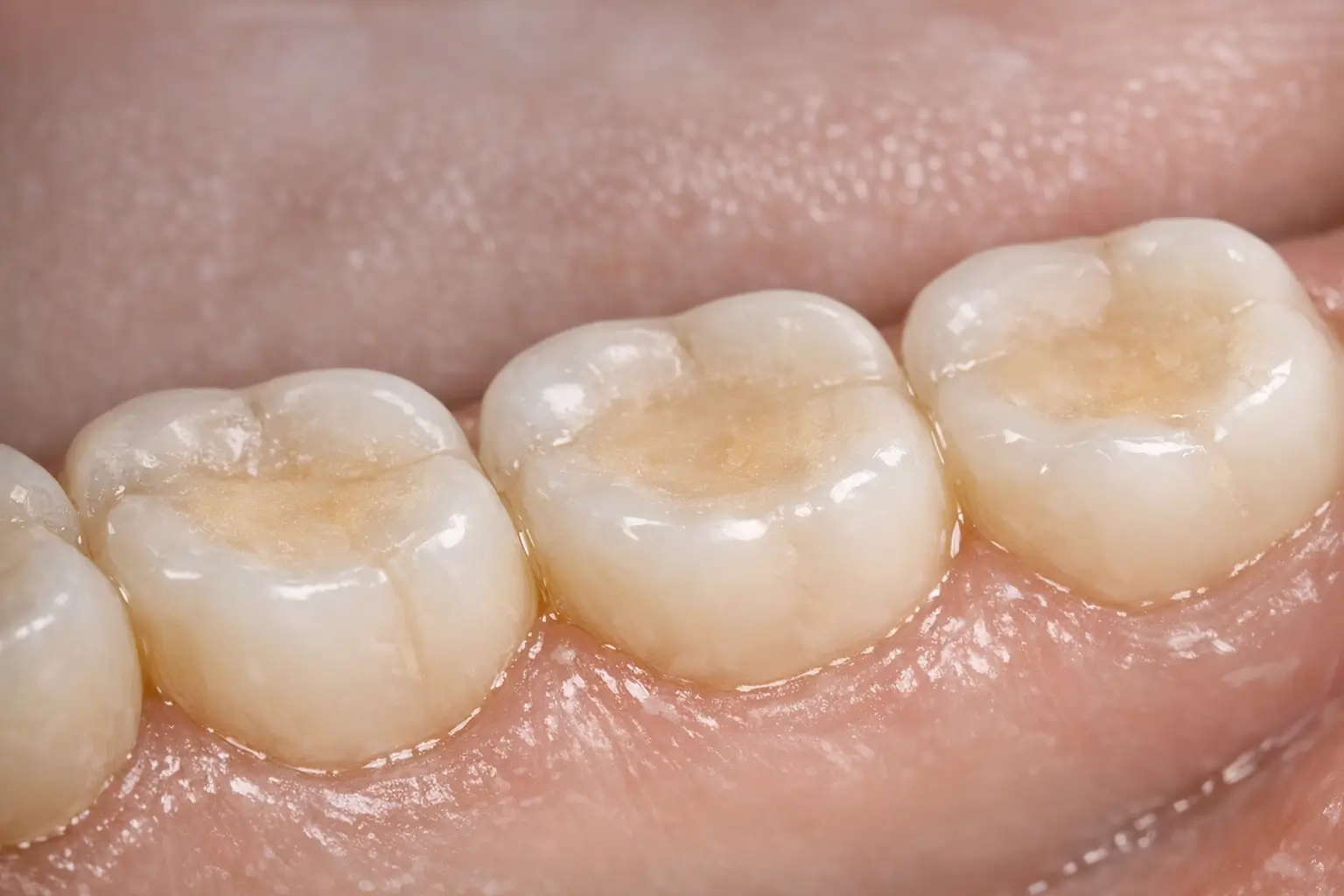
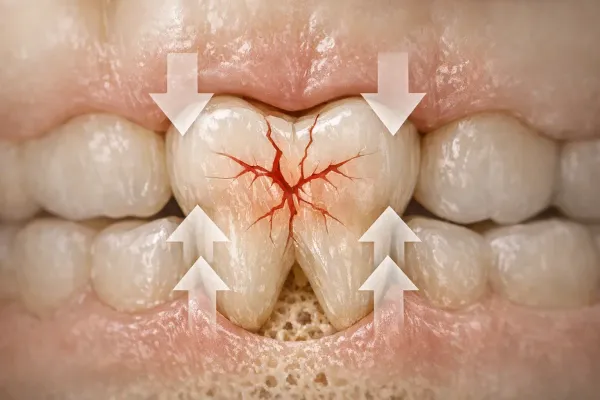
Night grinding can target one side more, especially if you sleep on one side or have an uneven bite. The muscle exertion is substantial—up to 250 pounds of force per square inch—which explains waking with a sore cheek.
Triggers can include stimulants (like late-night energy drinks), medications such as SSRIs, and untreated reflux causing micro-arousals. A 2022 survey of 1,800 college students found caffeine intake over 400 mg doubled the odds of bruxism episodes (Journal of American College Health, 2022). In simple terms, your afternoon cold brew might resonate in your jaw later. To understand more about the link between caffeine and bruxism, read this summary on caffeine and bruxism.
Bruxism Symptoms
- Morning jaw soreness or headaches
- Flattened, chipped, or loose teeth on the grinding side
- Sore spots on the tongue or inside cheeks
- Grinding noises reported by a partner
- Indentations on the sides of the tongue
- Clicking or limited jaw movement upon waking
Screening Tools You Can Try Tonight
1. Use a smartphone voice-memo app near your pillow. Record 20-minute segments early in your sleep. Grinding often sounds like crunching.
2. Conduct the “soft-cheese test.” Mold a slice of cheese over your molars before bed. Check for bite marks in the morning.
3. Rate jaw soreness on a 0–10 scale in the morning, at lunch, and before bed for a week. A consistent morning spike suggests nocturnal grinding.
When to Seek Help
Consult a dentist if you notice tooth wear, cracks, or shifting bite alignment. Untreated bruxism can damage dental work and overstrain the TMJ. A dentist can create a night guard, screen for sleep apnea, and refer you for behavioral therapy if stress contributes. For more on choosing the right bruxism treatment, this comprehensive guide can help.
Differentiating Stress Jaw Tension from Bruxism
Stress often contributes to bruxism, creating overlap. Yet distinguishing between them is crucial. Daytime stress may improve with mindfulness and posture adjustments, while bruxism often requires a dental appliance. Use the following comparison as a quick self-check.
Key Differences
- Timing: Stress pain peaks when awake. Bruxism pain is worse after sleep.
- Noise: Daytime clenching is silent. Night grinding sounds like rocks rubbing.
- Tooth wear: Stress rarely affects enamel. Bruxism causes visible flat spots.
- Associated symptoms: Stress can add neck tension. Bruxism is linked with sleep apnea or GERD.
- Diagnostic aids: Dentists detect bruxism fractures. Muscle palpation reveals stress tension.
Overlap in Symptoms
Both conditions can cause unilateral jaw pain, headaches, ear fullness, and limited opening. According to Goodfred et al. (2025) and Yoshida (2024), up to 50 percent of TMD patients report both stress clenching and bruxism. This overlap can make self-diagnosis challenging. For insights into this overlap, consider reading understanding the link between stress and one-sided jaw pain.
If you are uncertain, keep a three-day diary: note pain levels upon waking, mid-day, and at bedtime, along with any clenching episodes you notice. If mornings are difficult and tooth wear is evident, bruxism is likely. If afternoons are worse and your teeth are unaffected, stress may be the cause.
Management and Treatment Options
Treatment often involves a dual approach: relaxing the muscles and protecting the teeth. Here are evidence-based strategies you can start this week, along with medical options if DIY efforts fall short.

For Stress-Induced Jaw Pain
- Mindful jaw checks: Set hourly phone alerts. When prompted, let your jaw hang loose, lips apart, tongue resting on the palate.
- Progressive muscle relaxation: Tense and relax muscle groups, ending with the face.
- Posture tune-up: A forward head position tightens jaw muscles. Align ears with shoulders, especially at your desk. For tips on maintaining good posture, explore the link between posture and jaw pain.
- Physical activity: Aerobic exercise reduces cortisol levels. Aim for 30 minutes most days.
- Cognitive behavioral therapy: CBT offers coping skills for chronic stress. Consult your doctor for a referral.
- Heat packs: Warmth enhances blood flow and eases muscle spasms.
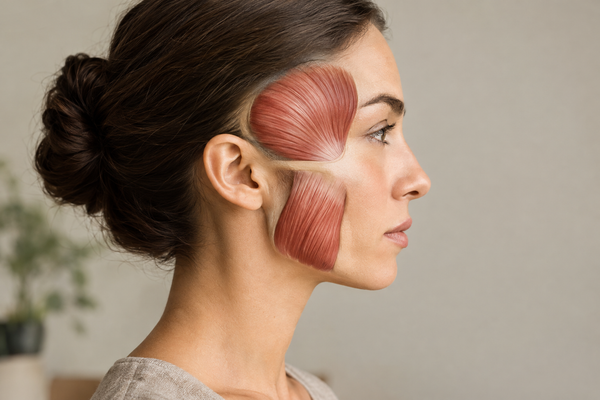
- Self-massage: Massage the masseter (cheek) muscle with fingertips in circles for 60 seconds per side.
- Magnesium-rich foods: Spinach, pumpkin seeds, and dark chocolate support muscle relaxation.
For Bruxism
- Custom night guard: The gold standard. It cushions teeth and dampens muscle force.
- Dentist check-ups twice a year: Catch cracks early and adjust the guard as needed.
- Limit caffeine and alcohol after 6 pm: Both can worsen sleep grinding.
- Jaw-stretch routine before bed: Open gently, move side to side, repeat 5 times.
- Botulinum toxin injections: For severe cases, tiny doses weaken the masseter muscle for 3 to 4 months. Discuss risks with a specialist. For advanced treatments, explore advanced TMJ treatments like Botox.
- Acupuncture: A 2023 randomized controlled trial by Wang et al. showed that real acupuncture reduced muscle activity compared to sham treatment. Discover more about the efficacy of acupuncture for bruxism relief.
- Rule out sleep apnea: Grinding is common in people with airway obstruction. A home sleep test can provide clarity.
- Side-sleeping pillow: A contoured pillow keeps the jaw aligned and may reduce one-sided grinding.
Remember, there is no one-size-fits-all solution. You may need to combine a night guard with daytime relaxation exercises or pair CBT with occasional botulinum injections. Keep a symptom log to determine what truly helps your jaw.
Conclusion
Jaw pain on one side often stems from two main issues: daytime stress or nighttime bruxism. Stress causes muscles to clench during the day, while bruxism makes them grind at night. Both can overlap, confusing even experienced clinicians. Track timing and tooth wear to identify the cause, then apply targeted solutions. Relaxation and posture adjustments help with stress-related clenching, while a dental guard and improved sleep hygiene address bruxism. If pain persists for more than a week or you notice tooth damage, consult a dentist or orofacial pain specialist. Early intervention can restore your jaw's normal function—chewing, talking, and yawning without discomfort.