Effective Techniques for Jaw Tension Relief from Stress
Discover natural, research-backed methods to relieve jaw pain caused by stress.

<<>
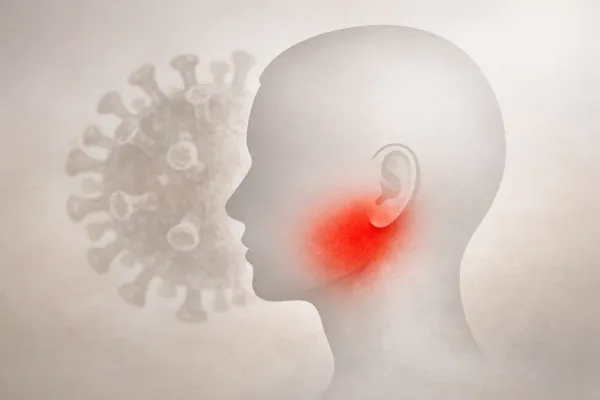
Jaw tension is a common issue, with stress often being the culprit. The throbbing knot below your cheekbone after a tense meeting or sleepless night is a reminder of this. Before rushing to the dentist, consider the research. Decades of studies have mapped the stress-jaw connection, offering practical ways to relieve the tension.
This article presents scientific insights and a variety of home remedies, lifestyle adjustments, and professional treatments. Explore these options to create a plan that helps keep your jaw, and sanity, intact.
Understanding Jaw Tension and Stress Connection
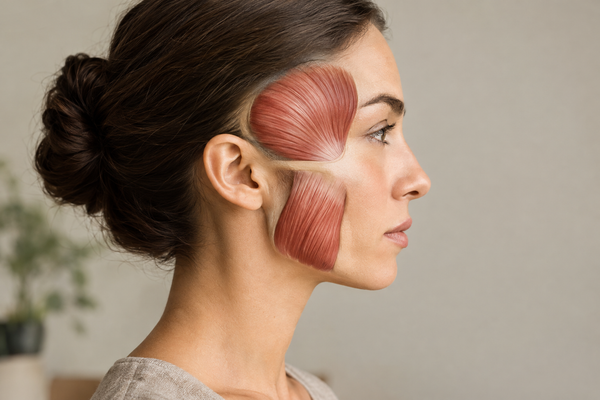
Jaw tension often manifests as sore chewing muscles, clicking in the temporomandibular joint (TMJ), or temporomandibular myalgia. A 2022 systematic review by Cayrol Timothée and colleagues pooled data confirming that people with chronic TMJ muscle pain have heightened sensitivity to pressure and heat. Simply put, stressed muscles hurt more.
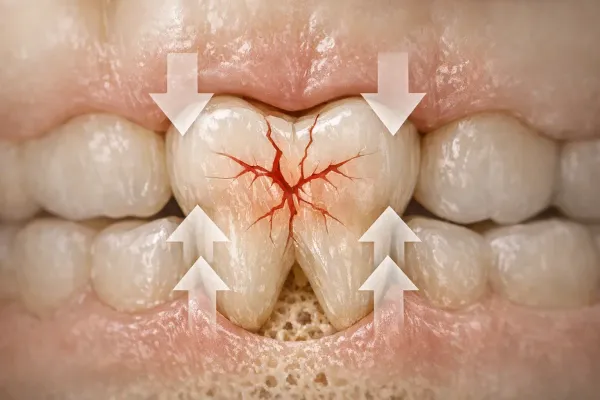
Stress increases sympathetic nervous system activity, leading to muscle guarding, including around the jaw. Physiologically, stress raises cortisol, increasing muscle tone and lowering your pain threshold. Bruxism, the habit of clenching or grinding teeth, can worsen this issue. A 1986 study by Laskin and Block labeled this pattern “myofacial pain-dysfunction syndrome.” Modern imaging shows micro spasms and altered blood flow in tense jaw muscles, confirming the pain is real.
Stress also alters chewing patterns. Under pressure, you may grind harder on one side, overtaxing those muscles. Nighttime bruxism is the stealthy version. Stress dreams lead to jaw grinding, and by morning, inflammation makes chewing feel like heavy lifting.
How to know if stress is hitting your jaw: common signs
- Dull or sharp pain around the jaw joint, ears, or temples
- Morning stiffness that eases after you start talking or chewing
- Clicking or popping noises when you open wide
- Tension-type headaches or facial fatigue after computer work
- Sensitive teeth or gum soreness with no obvious cavity
- Neck and shoulder tightness that flares when you clench
Stress is not the only trigger
Perceived stress can double your risk of TMD according to a 2024 umbrella review by Da-Cas et al., yet other players stack the odds:
- Poor posture and laptop hunch. A forward head position forces jaw muscles to stabilise the skull.
- Medications and stimulants. Selective serotonin reuptake inhibitors, nicotine and over 300 mg of daily caffeine can all kick jaw muscles into overdrive.
- Airway issues. Nasal congestion or sleep apnoea pushes the lower jaw forward for airflow, aggravating the TMJ.
In summary, stress primes your nervous system, tightens muscles, and invites bruxism, but posture, stimulants and airway problems can add fuel. Understanding this chain reaction is key to breaking it. For more detailed insights, explore the link between stress and one-sided jaw pain.
Natural Techniques for Jaw Tension Relief
Fortunately, natural, drug-free methods can calm your nervous system and relieve jaw tension. Here are evidence-based techniques you can start today.
Mindfulness and Relaxation Techniques
- Guided meditation. Daily relaxation can lower muscle pain, as suggested by Laskin and Block. Modern mindfulness apps help you notice clenching early and release tension. Consider exploring natural ways to relieve jaw tension from stress for additional strategies.
- Box breathing. Inhale, hold, exhale, hold, each for four counts. This technique lowers heart rate and muscle tension. The Mayo Clinic confirms breathing exercises reduce cortisol over time.
- Progressive muscle relaxation (PMR). Clench each muscle group, then release. Open your jaw wide, hold, relax, and let it hang. PMR helps muscles differentiate between “on” and “off,” reducing tension.
- Body scan. Mentally travel from head to toes, checking for tight spots. The American Psychological Association notes that body scans enhance interoception, helping you spot clenching sooner.
- Awareness reminders. Set a phone alarm or put a bright sticker on your monitor labelled “Jaw?”. Each cue nudges you to keep lips closed, teeth apart, tongue on the palate.
These techniques downshift your autonomic nervous system, reducing subconscious bracing and allowing jaw muscles to relax.
Heat, Cold and Sensory Grounding
- Warm compress. Fifteen minutes of moist heat boosts blood flow and softens stiff fibres.
- Cold pack rotation. If the area is puffy, wrap an ice pack in a cloth for ten minutes to curb inflammation.
- Sensory tools. Squeeze a stress ball or silicone ring for five-minute micro-breaks. Redirecting tension to the hands lowers overall arousal, a finding highlighted in a 2025 behavioural science review on fidget devices.
Physical Exercises and Stretches
- Resisted mouth opening. Place fingers under your chin, open your mouth slowly while pushing up gently. Hold for three seconds, repeat eight times to build strength. Learn more about effective TMJ exercises for jaw pain relief.
- Side-to-side glide. With teeth slightly apart, slide your lower jaw left, then right. Eight reps each way lubricate the joint and stretch muscles.
- Jaw wiggle. Keep lips closed, teeth apart, and wiggle the jaw gently. This motion relaxes overactive motor neurons.
- Goldfish (partial) stretch. Finger on the TMJ and chin, drop the lower jaw halfway, then close. Six reps make one set.
- Chin tucks. Stand against a wall, draw the chin straight back, hold five seconds and release for ten reps. Better neck alignment lightens jaw load.
- Neck and upper back stretches. Roll shoulders, tilt the head side to side, and hold each stretch for 20 seconds. Tight neck muscles can pull on your jaw.
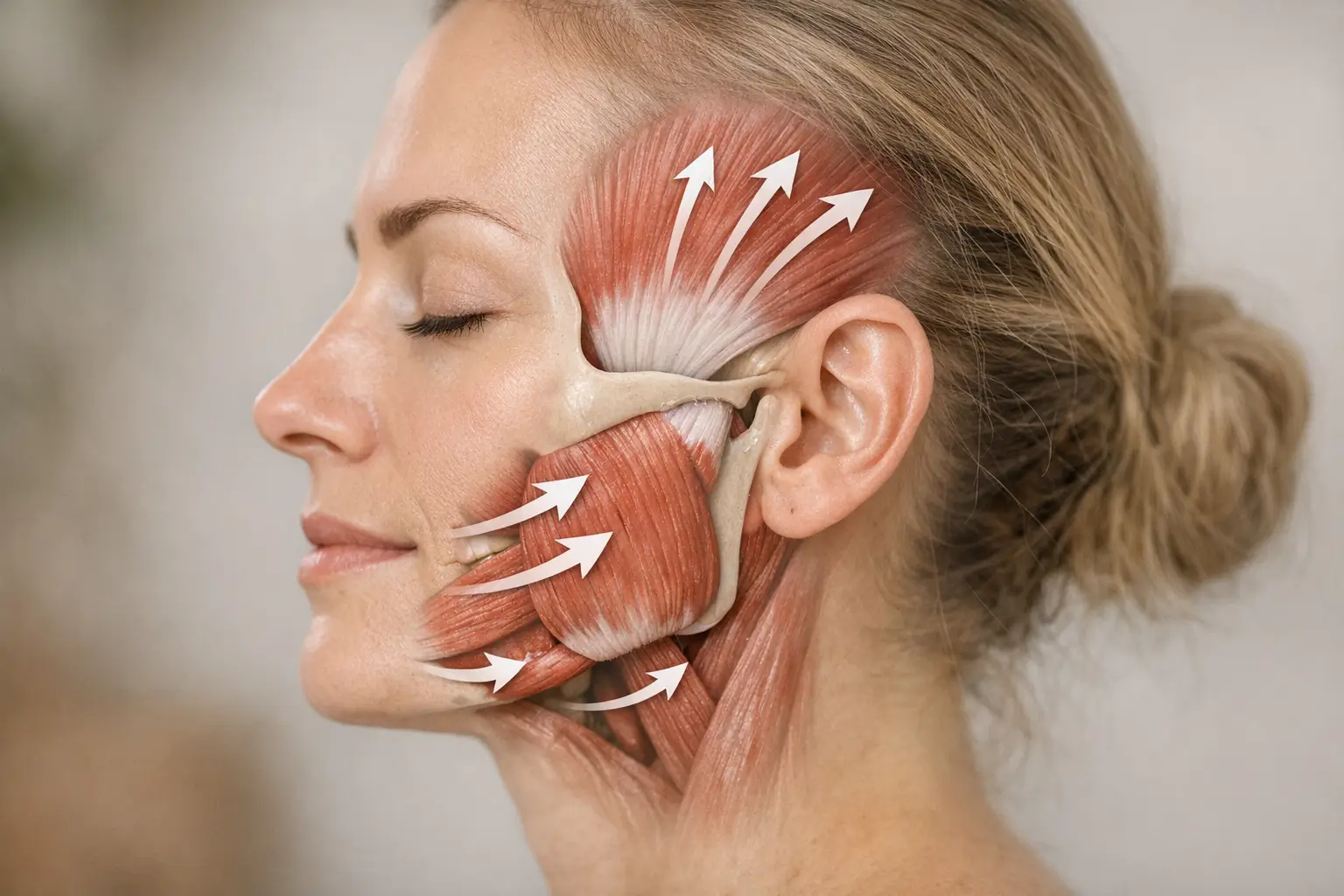
- Self-massage. Using knuckles, draw circles over the masseter for one minute per side. A 2023 handbook by Chitra and colleagues highlights that massage increases blood flow, reducing soreness. Discover more about the role of self-massage in alleviating bruxism symptoms.
Ergonomic tweaks. Keep the top third of your monitor at eye level, elbows at 90 degrees, and use a chair with lumbar support. Posture improvements cut forward-head strain that often tricks jaw muscles into overworking.
Consistency beats intensity. Two to three short sessions daily are more effective than one long stretch. Track your pain on a scale to monitor progress.
The Role of Diet and Hydration in Jaw Pain Management
Your jaw muscles need proper nutrition, just like any other muscles. When dehydrated or lacking key nutrients, muscles can spasm. Here’s how to nourish them.
Hydration first. Water keeps muscle cells hydrated and flushes out excess sodium. Aim for half an ounce of water per pound of body weight.
Magnesium-rich foods. Pumpkin seeds, almonds, and spinach contain magnesium, a natural muscle relaxant. Chitra’s 2023 guide notes that many TMJ patients have low magnesium levels, and supplementation helps reduce spasms.
Omega-3 fats. Foods like salmon and walnuts fight inflammation, reducing soreness after clenching.
Vitamin C and collagen. Citrus and bell peppers support collagen synthesis, keeping joint discs and ligaments healthy.
Mediterranean pattern. A 2025 review by Calderone showed lower pain scores in people who paired relaxation drills with a diet rich in leafy greens, berries and extra-virgin olive oil. Swap chewy bagels for softer whole-grain toast and keep sugar spikes in check.
Watch hard-to-chew foods. Avoid jerky and crusty bread during recovery. Opt for softer options like yogurt or cooked veggies.
Caffeine and alcohol limits. Keep caffeine under 300 mg daily and stop after lunch, then moderate alcohol to protect sleep quality and muscle recovery.
Herbal aids and essential oils
- Chamomile or valerian tea. Clinical trials show both herbs lower anxiety scores, indirectly easing clenching.
- Lavender inhalation. Two drops on cotton lowered masseter activity in a 2020 crossover study.
- Peppermint oil. A 3 percent dilution offers a cooling distraction from pain. Patch-test first.
Choose vendors that supply Certificates of Analysis and review safety sheets from the National Center for Complementary and Integrative Health.
Limit alcohol and excess caffeine, as both can dehydrate and disrupt sleep, leading to tighter jaw muscles. Keep a water bottle handy to promote hydration.
Impact of Sleep on Jaw Tension Relief
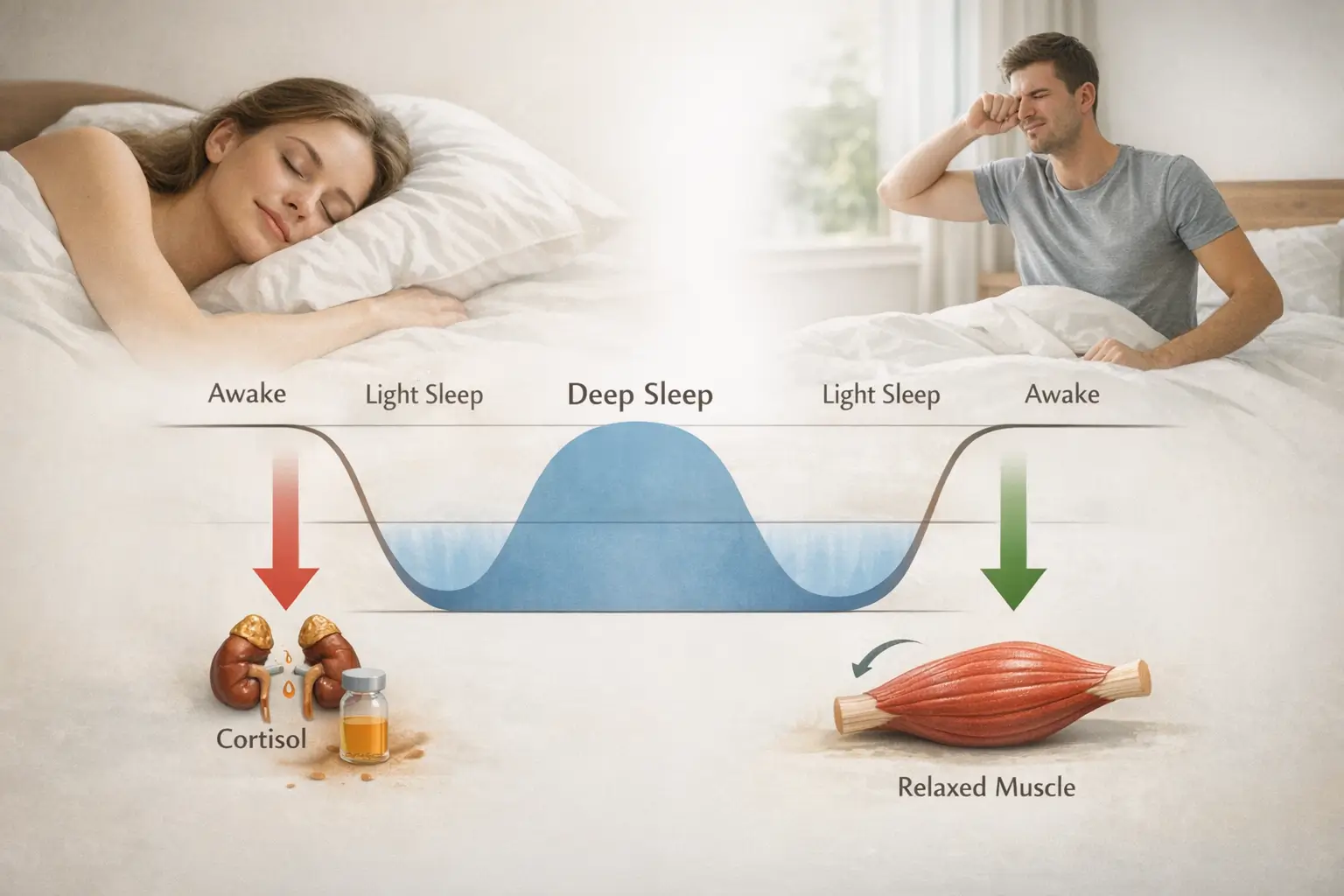
If stress is the trigger for jaw tension, poor sleep exacerbates it. Lack of rest raises cortisol and intensifies pain perception. A 2024 study by Grierosu et al. showed that sleep-deprived patients needed more anesthetic, indicating increased pain sensitivity.
Improving Sleep Hygiene
- Regular schedule. Maintain a consistent sleep-wake cycle. Your circadian rhythm thrives on routine.
- Screen curfew. Avoid screens an hour before bed. Blue light can block melatonin production.
- Optimal sleep environment. Keep your room cool, dark, and quiet. Use blackout curtains and a white-noise machine if needed.
- Avoid stimulants. Caffeine can linger for hours. Stop consumption after lunch. For more on how caffeine affects bruxism, refer to the effects of caffeine on teeth grinding.
- Stress download ritual. Journal or meditate before bed to clear your mind and prevent nighttime clenching.
Addressing Sleep Disorders
If you still wake with a sore jaw despite good sleep hygiene, you might have a sleep disorder. Obstructive sleep apnea (OSA) and REM-behavior disorder often accompany bruxism. If your partner notices snoring or grinding, consult a sleep specialist.
Home sleep tests can identify airway collapses and grinding. In-lab polysomnography is the gold standard. Treatments like mandibular advancement devices or CPAP improve oxygen levels and reduce bruxism.
Behavioral changes, such as weight loss and alcohol moderation, can also help. Better sleep repairs tissue, lowers stress, and gives your jaw a break. Learn more about the role of sleep hygiene in managing bruxism.
Alternative Therapies: Acupuncture and More
Acupuncture is a viable option for jaw pain relief. A 2025 study by Chen et al. found that electroacupuncture reduces pain hypersensitivity by targeting specific points, sending calming signals to the brain.
During treatment, needles stimulate nerves to release endorphins and serotonin. Jaw protocols often use points near the ear and jaw, with six to eight sessions needed for lasting relief.
Other complementary therapies:
- Biofeedback. Sensors track muscle activity while you practice relaxation, helping you unlearn clenching. For more insights, explore biofeedback therapy for bruxism treatment.
- Low-level laser therapy (LLLT). Painless light increases cellular energy and blood flow. Early trials show promise for TMJ pain.
- Yoga. Gentle poses and breathwork reduce sympathetic nervous system activity. Try Cat-Cow and neck stretches.
These therapies complement conventional care, offering additional options for relief.
Professional Treatments for Severe Cases
If natural remedies aren’t enough, dentists and oral surgeons offer advanced treatments. Consider these options after three months of persistent pain or when daily functions like eating are affected.
Occlusal Splints
Night guards, or occlusal splints, prevent teeth from grinding against each other. A 2025 trial by Yıldırım et al. found that 70% of splint users experienced significant pain reduction within eight weeks.
Success tips:
- Opt for custom-made splints for better fit. For guidance, refer to our comprehensive guide on choosing the right bruxism treatment.
- Clean with non-abrasive soap, avoiding toothpaste.
- Re-evaluate fit annually, as dental structures can change.
Therapeutic Injections
Botulinum toxin type A can relax stubborn jaw muscles. The 2025 study compared splints with injections, finding that injections provided faster relief, though effects lasted three to four months. For more on advanced TMJ treatments, explore Botox and other advanced TMJ treatments.
Botulinum toxin blocks acetylcholine, relaxing hyperactive fibers. Doses are small, so you can still chew comfortably. Side effects are rare but may include mild muscle weakness. Ensure your provider is board-certified.
Physical therapy and CBT
Targeted jaw mobilisation, cervical posture retraining and graded exercises delivered by a physical therapist often improve range of motion within six to eight weeks. When stress is a major driver, pairing therapy with Cognitive Behavioral Therapy gives longer lasting relief, a conclusion echoed in the 2022 Cochrane review by Penlington and the 2024 survey by Graziani Prada.
Other options include dry needling, corticosteroid injections, and in extreme cases, arthroscopic surgery. Most patients won’t need surgery, but it’s good to know the options.
Conclusion: Crafting a Personalized Jaw Pain Relief Plan
Jaw tension from stress is a complex issue, but solutions are available. Start with hydration, mindful breathing, and sleep improvements. Add targeted stretches and, if needed, professional treatments like splints or injections. Keep a log of stress levels, sleep hours, and pain scores to identify patterns and progress.
Scientific evidence supports your efforts, from reviews on muscle sensitivity to studies on acupuncture’s effects. Combine strategies that suit your lifestyle to transform jaw pain from a daily nuisance to an occasional whisper. Your face, and those who interact with it, will appreciate the effort.