The Role of Self-Massage in Relieving Bruxism Symptoms
Discover how self-massage can ease bruxism symptoms and jaw pain effectively.
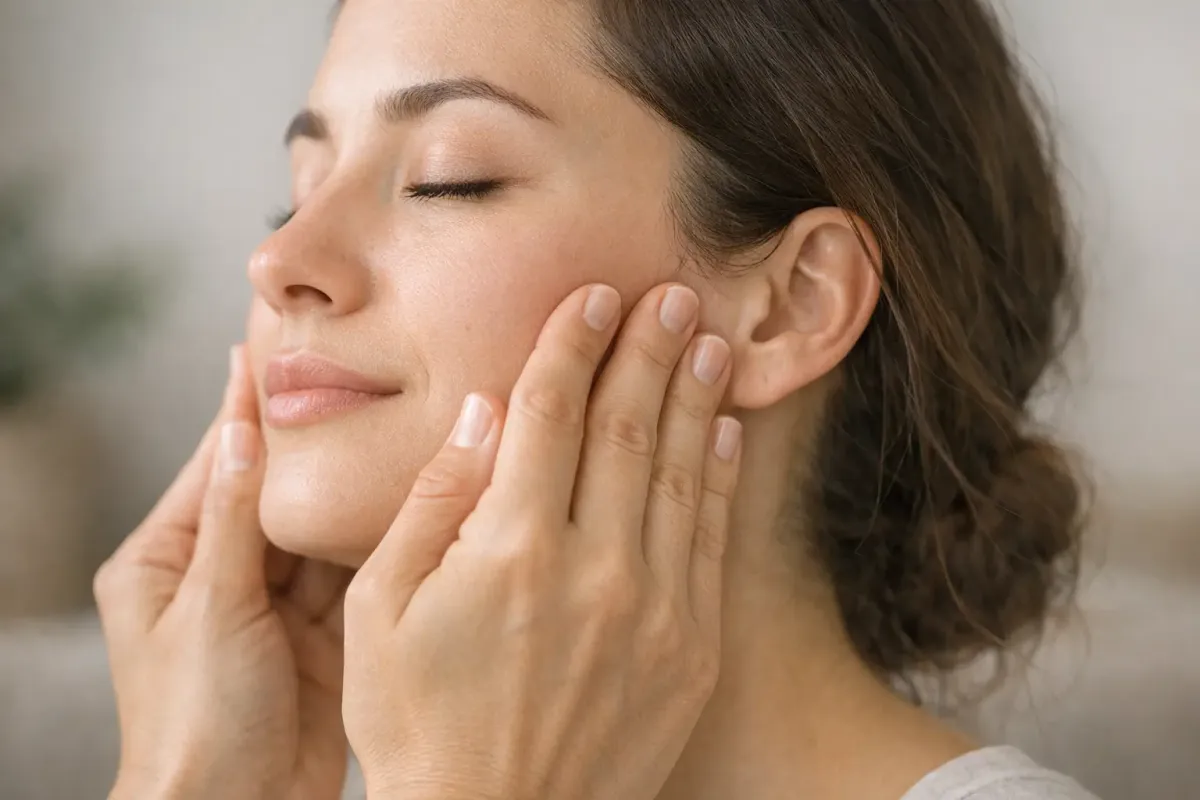
Grinding your teeth might not seem serious, but chronic jaw clenching can lead to headaches, worn enamel, and a jaw that feels sore. While dentists often recommend mouthguards and Botox, there's a simpler, more affordable solution: self-massage. Research suggests that self-massage can help ease the tense muscles behind bruxism, offering relief from jaw pain. This article explores what the science says, where to massage, and how to incorporate this habit into your life.
Understanding Bruxism and Its Impact
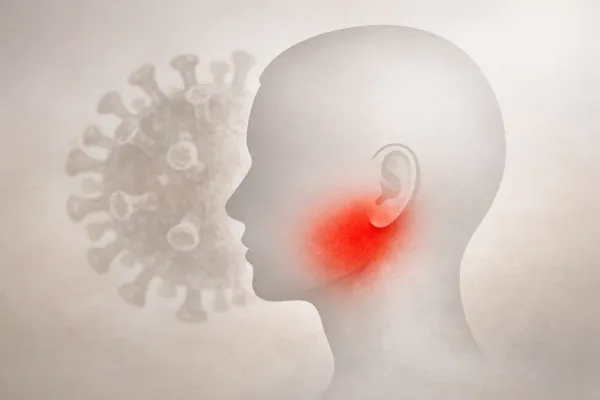
Bruxism refers to clenching or grinding your teeth, and it occurs in two forms: sleep bruxism and awake bruxism. Symptoms include jaw pain, tired facial muscles, worn teeth, earaches, and popping sounds near the temporomandibular joint (TMJ). For more on identifying if your jaw pain is due to bruxism, see key indicators of teeth grinding.
How common is it? A review of clear aligner users reported bruxism in up to 18% of adults, suggesting that even modern orthodontics don't eliminate grinding Porporatti et al., 2026. Another report identified silent bruxers unaware of their nighttime teeth grinding Cañas Miranda et al., 2025. The Cleveland Clinic states that bruxism affects 10–20% of adults Cleveland Clinic.
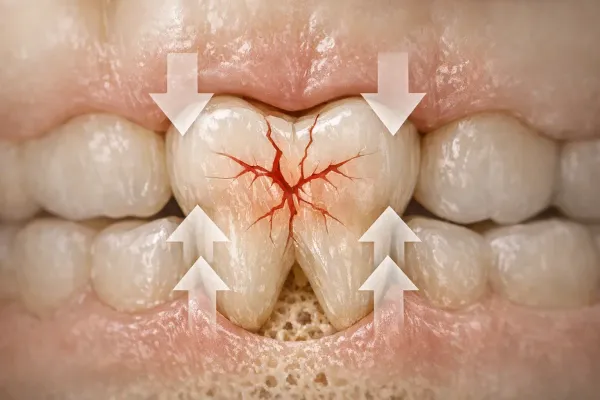
Chronic grinding does more than hurt your jaw. Untreated bruxism can damage fillings, cause headaches, and lead to TMJ disorder. During the day, pain might distract you from work or relaxation. At night, grinding can disturb sleep, leaving you tired. Since bruxism links to stress and neurological factors, experts suggest non-invasive methods like relaxation training, posture adjustments, and self-massage to reduce muscle overactivity without drug side effects. For more holistic approaches, check out holistic solutions for bruxism.
The Science Behind Self-Massage for Bruxism
Massage involves rubbing tight tissue until it loosens, but it also stimulates muscle fibers and fascia, boosting blood flow and reducing inflammation. This can relax jaw muscles and lessen morning stiffness. Evidence for massage's effectiveness isn't limited to spa promotions.
After the 2024 Noto Peninsula earthquake, evacuees reported less muscle pain after receiving brief massage sessions Tarui et al., 2026. Although not specific to bruxism, jaw muscles share structural similarities with neck and back muscles. A study on older adults using a tennis ball for self-massage found relief in chronic back pain Salvi and Londhe, 2025. This suggests that self-applied pressure can help relax overworked muscles.
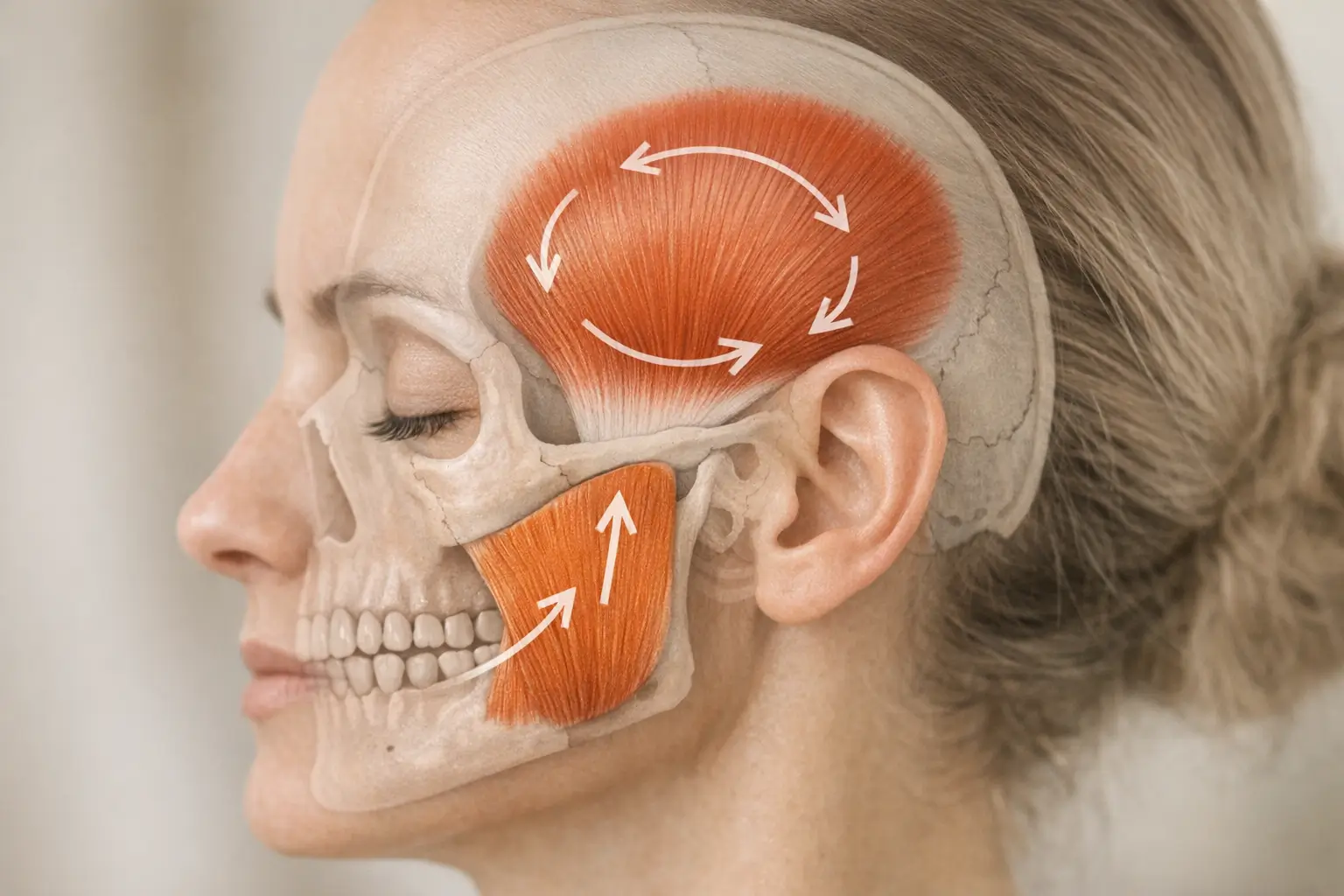
The TMJ hinges the masseter, one of the body's strongest muscles, capable of exerting up to 200 pounds of force. Overuse can reduce blood flow and increase acetylcholine, a neurotransmitter that keeps muscles contracted. Gentle self-massage helps interrupt this cycle. Studies using ultrasound show that short massage sessions can soften muscles and improve jaw mobility. Additionally, massage reduces cortisol and increases serotonin, targeting both tension and stress, a key factor in bruxism American Dental Association. To further explore if stress is contributing to your condition, read about how stress contributes to bruxism.
Techniques for Effective Jaw Pain Relief Massage
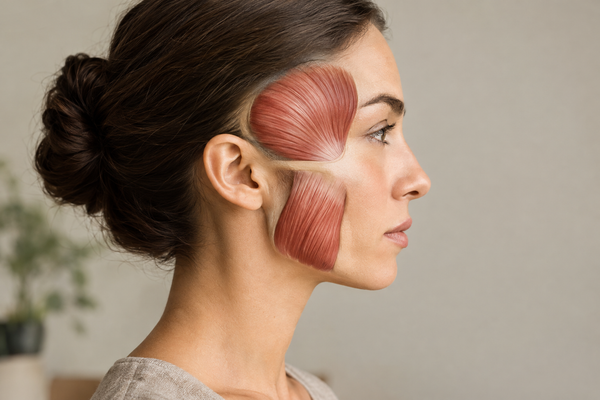
No expensive tools are needed to massage your jaw muscles. Just clean hands, a mirror, and a few minutes. Focus on the masseter (cheek area), temporalis (side of the head), and TMJ muscles near your ears. Apply moderate pressure to move tissue without bruising. Consult a healthcare professional if you have dental implants, severe TMJ arthritis, or recent surgery. For more targeted TMJ exercises, visit effective TMJ exercises.
Step-by-Step Jaw Massage
- Warm-up slide. Place your fingers between your cheekbone and jawline. Slide upward slowly for 30 seconds to warm the fascia.
- Masseter circles. Clench your teeth lightly to locate the masseter. Relax, then use your fingers to make small circles on the spot for 40 seconds, alternating directions.
- Trigger-point press. Find a knot under your skin, apply gentle pressure for 10 seconds while breathing, then release.
- Temporalis sweep. Place your fingertips above your temple and sweep backward along the hairline for one minute.
- Ear-to-jaw stretch. Hook your thumb under your cheekbone and your finger near the ear, pull apart gently for five seconds, and repeat five times.
- Finish with jaw shakes. Let your lower jaw hang and jiggle it side to side for 15 seconds.
Additional TMJ Massage Techniques
- S-shape knuckle glide. Use your knuckle to glide from under the earlobe in an S-curve toward the mouth, then chin. Repeat five times per side.
- Pincer stretch. Pinch the masseter between your thumb and finger, roll gently for 30 seconds. Keep nails trimmed.
- Forearm lean. Lean your forearm against the masseter while supporting your elbow on a table. Rock your wrist to vary pressure.
- Gua sha edge. Use a smooth stone or spoon to scrape along the jawline from chin to ear, enhancing micro-circulation.
Incorporating Self-Massage into Your Routine
A massage routine only works if you stick to it. Fortunately, most people can spare two minutes. Self-care research on TMJ patients shows that consistent practices like massage reduce pain and improve sleep over eight weeks Neves et al., 2026. Here are some tips to make jaw massage a habit.
Creating a Relaxing Environment
- Anchor it to another habit. Try massaging right after brushing your teeth.
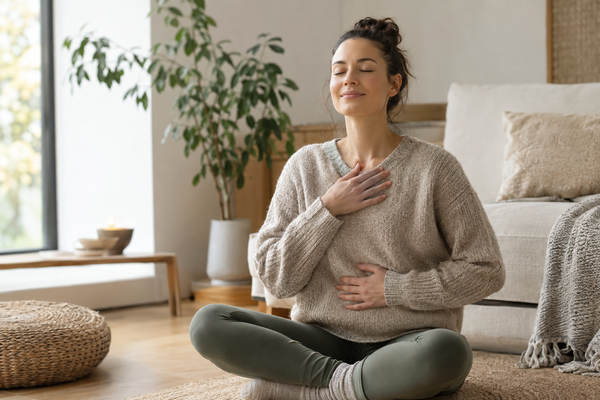
- Use mindful breathing. Inhale to a count of four while applying pressure, exhale for six as you release.
- Dim the lights, ditch the phone. Use soft lighting to signal recovery time.
- Add gentle heat. Warm a washcloth and drape it over your jaw before massaging, unless you have acute inflammation.
Frequency and Duration Recommendations
Most people find one to two sessions daily, each lasting two to five minutes, effective. Morning massages relieve overnight muscle fatigue, while evening massages prepare you for sleep. In the Neves study, those who did ten minutes of daily self-care saw the most improvement.
Progress isn't always linear. You might feel initial soreness, but it should fade in a few days. If pain worsens or your jaw locks, stop and consult a healthcare professional.
A tool that makes self-massage easier
The limiting factor on self-massage is usually your hands. Your fingers tire before the muscle lets go, and holding steady pressure on one point for long enough is harder than it sounds.
We are partnered with the YourTMJ Pen, which combines a precision tip, four levels of low-frequency vibration, and adjustable heat up to 118°F. It handles the sustained pressure and warmth so you can concentrate on finding the right spot. Ninety-day trial if it does not earn a place in your routine.
Affiliate link. If you buy through it we earn a commission, at no extra cost to you. How this works.
Complementary Practices for Bruxism Relief
Self-massage is effective, but its benefits increase when combined with other interventions.
- Cognitive-behavioral therapy (CBT). CBT combined with relaxation techniques can match or exceed the relief from occlusal splints Sójka-Makowska et al., 2026. To explore other modern therapies, visit our guide on advanced bruxism treatments.
- Posture checks. Correcting posture can reduce TMJ strain. Chin-tuck exercises during breaks can help Mayo Clinic.
- Mind-body relaxation. Techniques like yoga nidra or progressive muscle relaxation can reduce nervous activity Sillmann et al., 2025.
- Sleep hygiene upgrades. Maintain a cool room temperature, limit blue light, and avoid caffeine late in the day WebMD Bruxism guide. For more on improving sleep, see our article on sleep hygiene and bruxism.
- Stretch breaks. Open your mouth wide, move the jaw side to side, and roll your neck to prevent muscle tension.
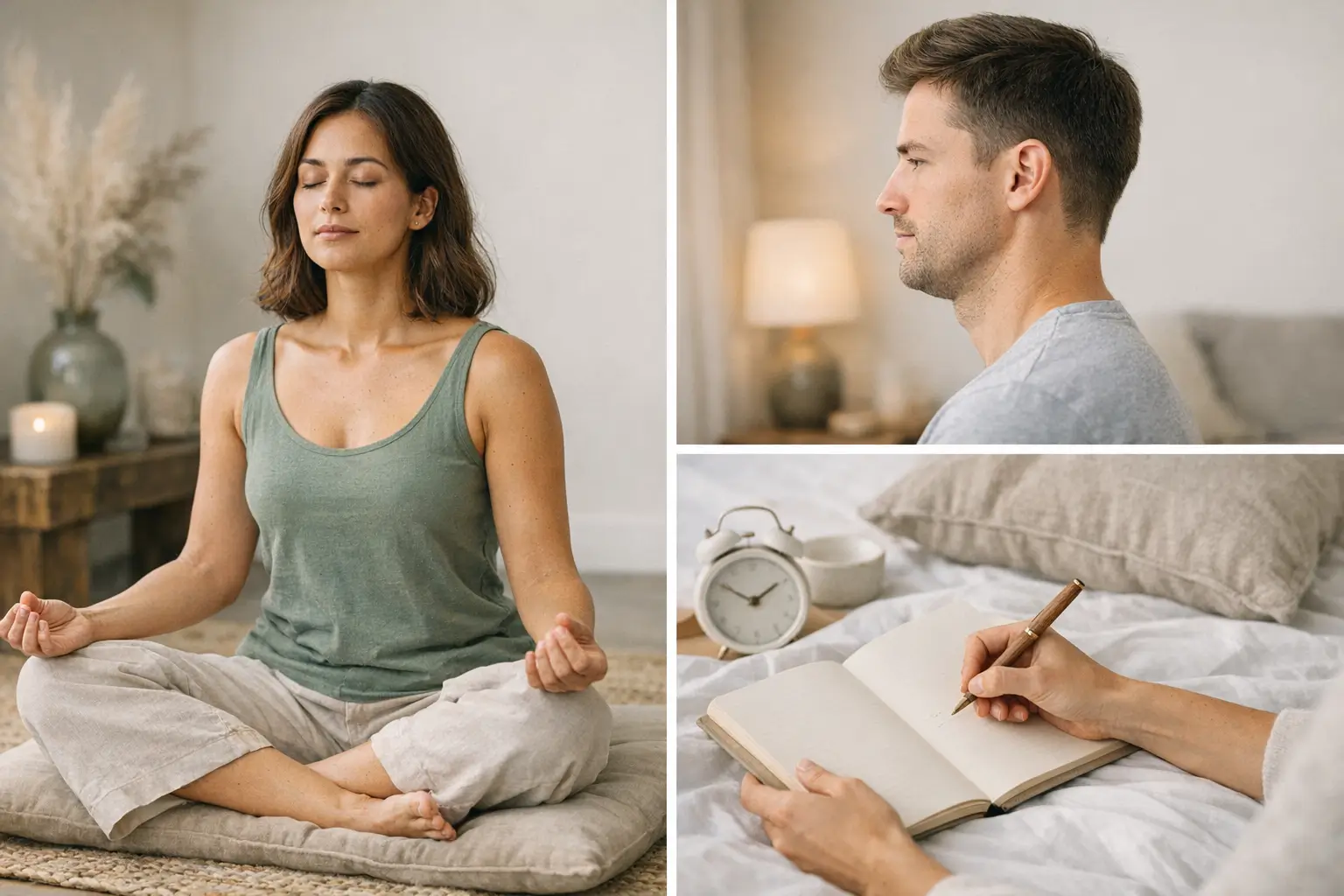
Combining these strategies promotes lower tension, better sleep, and reduced daytime stress. Think of bruxism relief as a harmonious orchestra, with self-massage as the drummer setting the rhythm.
Conclusion: Embrace Self-Care for Bruxism Relief
Bruxism can be a persistent annoyance, but research shows you have options. Self-massage improves blood flow, softens muscles, and reduces stress. Paired with good posture, relaxation, and sleep habits, this quick ritual can reduce jaw pain and enhance your quality of life. For more on how lifestyle changes can help, explore natural solutions for reducing bruxism symptoms.
Consistency is key. Make massage a routine like brushing your teeth, and monitor changes in pain. If symptoms persist or worsen, consult a dentist or physical therapist. Your jaw works hard, so give it the care it deserves for a pain-free experience.