Recognizing Bruxism Symptoms: Is Your Jaw Pain Telling You Something?
Identify bruxism symptoms early to prevent complications. Learn signs of teeth grinding in sleep and more.
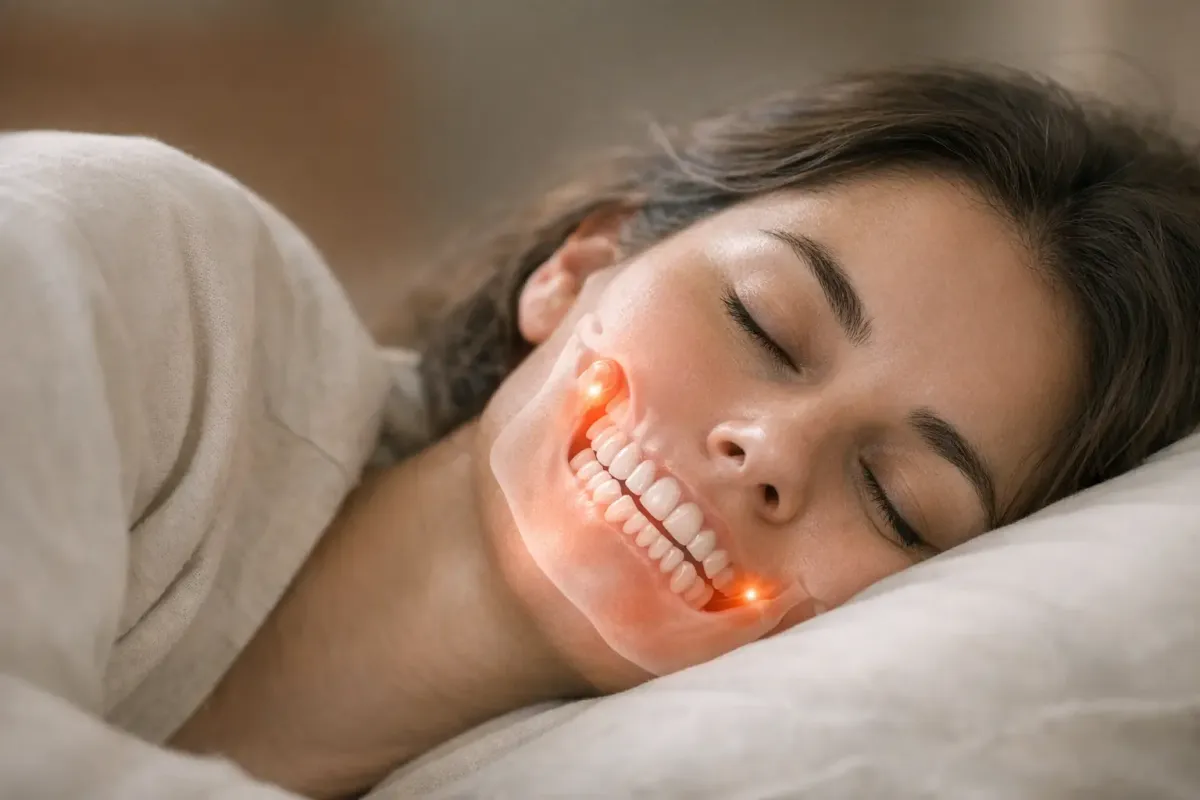
Your jaw gets tight, your partner hears faint grinding at night, and the mornings start with a headache you did not sign up for. These symptoms may be indicators of bruxism, a condition involving teeth clenching or grinding. Although recognized for centuries, recent studies have shed light on its prevalence and impact on overall health.
Rather than endlessly searching about “mystery jaw pain,” rely on data from large studies and advanced sensor research to understand what might be happening. This article breaks down the science, helping you decide if that sore jaw warrants a dental appointment.
Understanding Bruxism: What It Is and Why It Matters
Bruxism is the clinical term for repetitive clenching or grinding of the teeth. Researchers categorize it into two types:
- Sleep bruxism: Occurs during sleep, often in non-rapid eye movement stages.
- Awake bruxism: Involves clenching or grinding while awake, often linked to stress or concentration.
Bruxism is more common than many realize. According to the Mayo Clinic, a pooled analysis suggests up to 15 percent of adults experience sleep-related bruxism frequently enough to warrant a diagnosis. A lab-based prevalence study by Malik et al. 2025 found subclinical grinding in nearly one-third of participants when measured using wearable sensors overnight.
Age and gender also play roles. Children may outgrow teeth grinding, while adults often require intervention. Women report jaw pain more frequently, yet studies show men often exert higher bite forces during episodes. Genetics contribute as well; a Scandinavian twin study found heritability rates near 50 percent, indicating some inherit a predisposition amplified by stress.
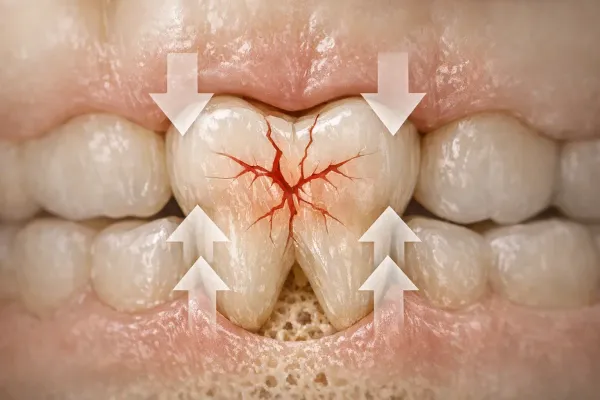
Bruxism is not just a noise issue. A 2025 review from an oral-facial pain clinic indicated sleep bruxism doubled the risk of recurrent temporomandibular disorder pain over two years Yang et al. 2025. In addition to jaw pain, uncontrolled grinding can fracture fillings, shorten tooth height, and disturb sleep quality for bed partners (source).
The impact on quality of life for those with moderate bruxism is comparable to that of chronic lower-back pain. Ignoring jaw clenching today can lead to long-term pain management challenges (source).
Common Symptoms of Teeth Grinding in Sleep
Teeth grinding often goes unnoticed until symptoms manifest in subtle ways, making early recognition crucial.
Recognizing the Signs
- Jaw soreness or stiffness upon waking: Muscles that worked overnight may feel tender in the morning.
- Tension-type headaches: Pain often starts at the temples and spreads. An imaging study using functional near-infrared spectroscopy linked altered blood flow patterns to frequent grinders, suggesting muscle fatigue may trigger headaches Fatima et al. 2025.
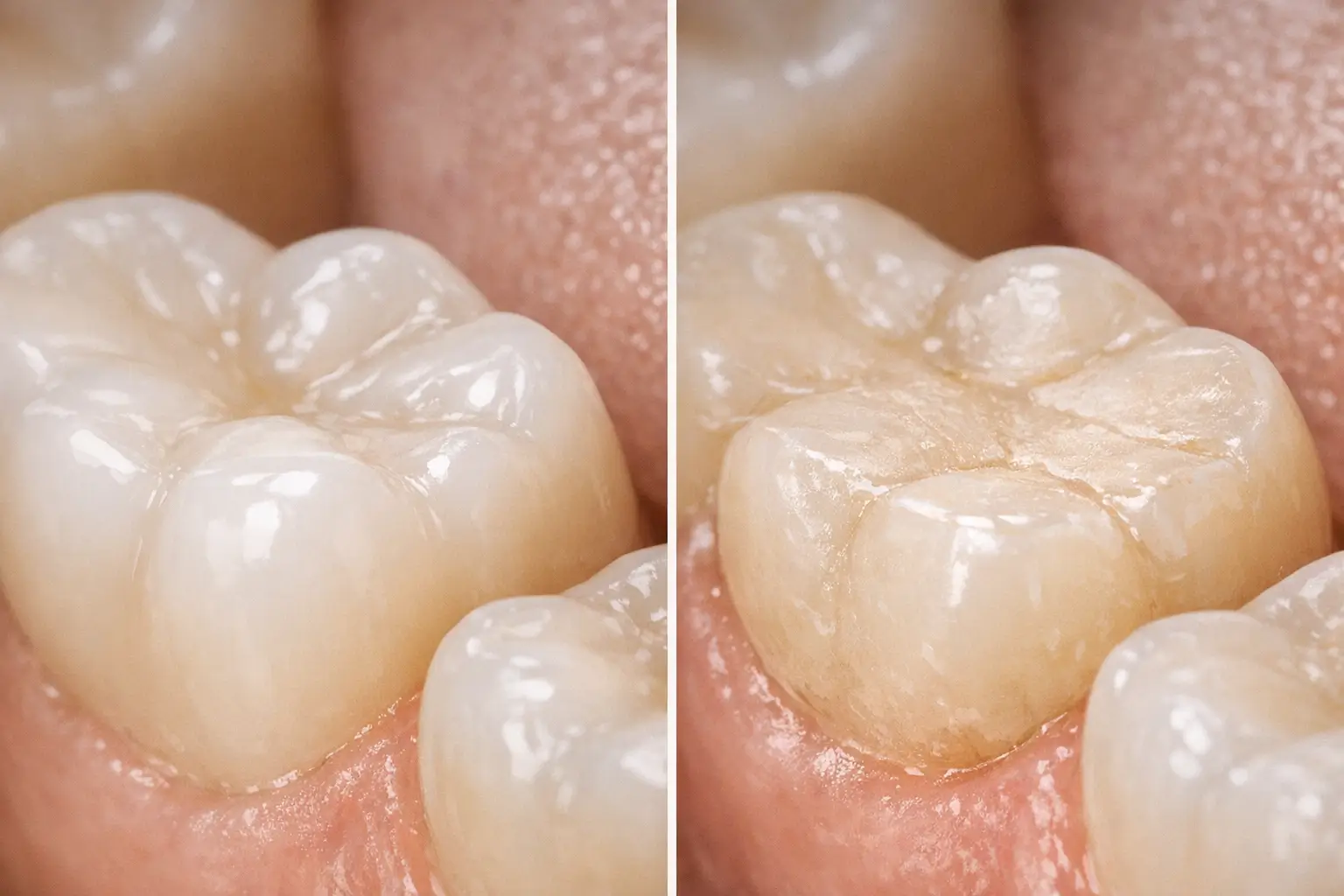
- Flattened or chipped teeth: Dentists identify “wear facets,” polished spots where enamel rubs enamel (source).
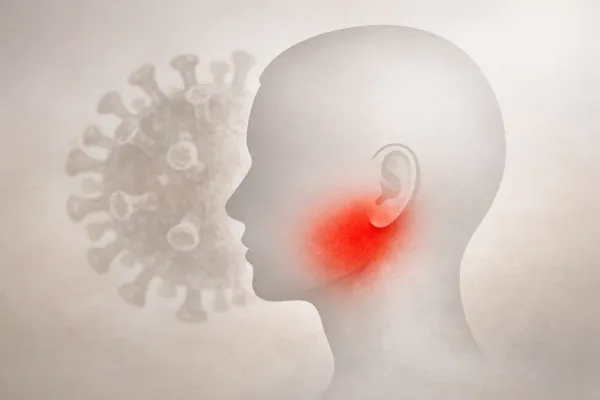
- Ear discomfort: Shared nerve networks mean clenching pain can radiate to the ear canal (source).
- Sleep disturbance for you or a partner: Grinding noises can reach 80 decibels, similar to a loud alarm clock.
Consider a typical Monday: you finish work late, sleep, and wake with a headache. A quick mirror check shows thin cracks on your teeth. These small signs often precede a formal bruxism diagnosis, highlighting how easily early symptoms can be dismissed (source).
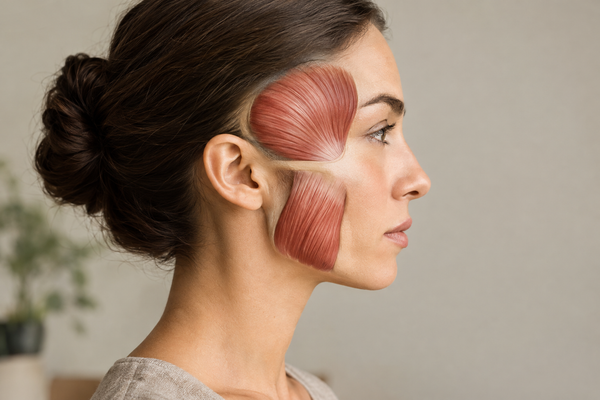
Try this simple test: place a finger on your masseter muscle (just in front of the ear). If it bulges while you are relaxed, you could be clenching (source).
When Jaw Pain Becomes a Concern
Pain that subsides after coffee may not seem urgent, but studies warn that minor symptoms can lead to major complications. In the retrospective chart review mentioned earlier, recurring temporomandibular disorder followed months of subtle grinding cues Yang et al. 2025. Another study focusing on children found a two-way street: untreated dental issues led to poor sleep and vice versa Zhang et al. 2025.
Ignoring jaw pain risks severe enamel loss, potentially leading to root canals or crowns. The American Dental Association notes that bruxism is a leading non-cavity reason for restorative work ADA. Early treatment can save teeth and money (source).
Bruxism and Its Connection to Other Disorders
Bruxism often coexists with neuropsychiatric or stress-related conditions, and understanding these links can guide treatment strategies.
Neuropsychiatric Links
A cross-sectional analysis of 1,538 adults found that ADHD symptoms increased the odds of sleep bruxism by 2.5 times, even after adjusting for caffeine and alcohol intake Caron et al. 2026. Dopamine dysregulation is one possible explanation. The neurotransmitter affects attention circuits and modulates muscle activity during sleep. A similar connection was found in a study on obsessive-compulsive traits, where patients with higher OCD scores had elevated jaw muscle activity during sleep Ozyurt et al. 2025.
Post-traumatic stress disorder is also linked. Network analysis of veterans with PTSD showed connections between intrusive thoughts and bruxism intensity, suggesting psychological hyper-arousal primes the jaw muscles Chung et al. 2025. In simpler terms, adrenaline spikes that keep the brain alert may also trigger the jaw to clench (source).
Clinicians screen for bruxism when evaluating obstructive sleep apnea (OSA), as they often overlap. One theory, the “respiratory arousal” model, suggests that a jaw thrust helps reopen a collapsing airway, but the result is tooth wear. If you use a CPAP machine and still wake with jaw pain, consider discussing dual therapy for OSA and grinding.
The Role of Stress and Anxiety
Stress is a well-known factor, and the data supports this. Longitudinal studies from the Cleveland Clinic show up to 70 percent of new bruxism cases report high stress in the prior six months Cleveland Clinic. Cortisol, the body’s “fight or flight” hormone, peaks during stress and can increase muscle tone even during sleep (source).
Chronic stress not only triggers bruxism but also worsens pain perception, creating a feedback loop. More clenching leads to more pain, raising stress and prompting further clenching. Breaking this cycle often requires more than a mouth guard. Mindfulness and cognitive therapy are gaining traction, and some clinics combine them with muscle relaxants (source).
Jaw tension can indicate broader mental health needs, not just a dental issue.
Innovative Diagnostic Tools for Early Detection
Relying on a partner to notice grinding noises is like waiting for smoke instead of installing a smoke detector. Technology now offers quieter, smarter ways to detect bruxism early.
AI-Driven Solutions
Researchers have developed algorithms that translate micro-vibrations into clear bruxism indicators. In a multicenter trial, a wrist-worn device paired with a neural network achieved 92 percent sensitivity and 88 percent specificity compared to gold-standard polysomnography Malik et al. 2025. The system identified frequency clusters matching jaw muscle contractions while filtering out unrelated movements.
Data may soon grade severity. A follow-up paper described AI that considered bone conduction profiles for varied skull shapes and bite forces Ishtiaq et al. 2025. While experimental, the prototype could provide a “grind score” akin to an apnea-hypopnea index in sleep apnea (source).
Wearable Technology
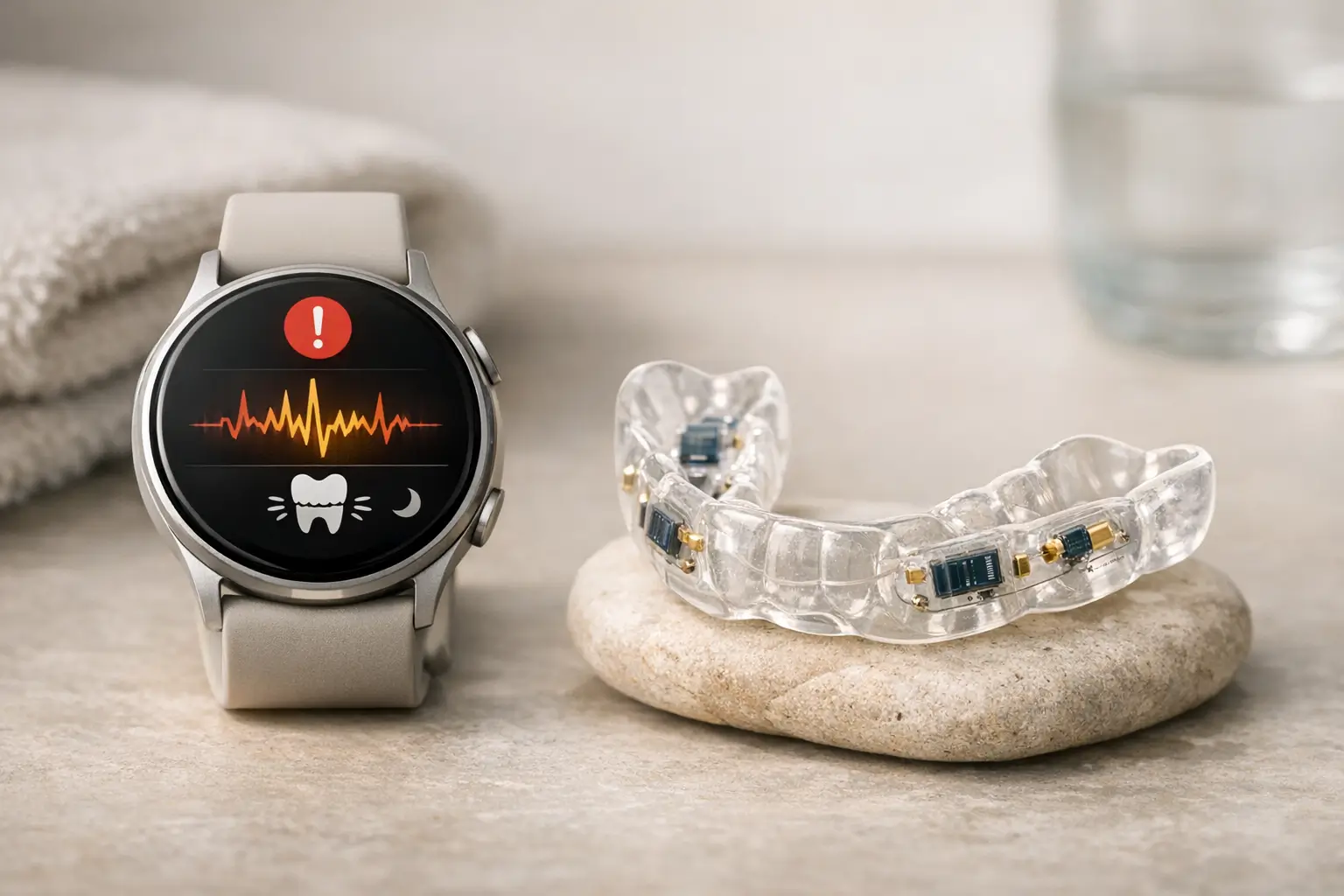
If wearing gadgets on your jaw during sleep sounds cumbersome, rest assured. Start-ups now embed sensors into slim mouthpieces or chin patches, logging muscle spikes and syncing with smartphone apps.
- Mouth guard sensors: Thin films measure bite pressure in real time.
- Bone-conduction earbuds: Detect subtle jawbone vibrations without ear canal obstruction.
- Smartwatches: Use heart-rate variability and motion detection to flag stress-induced clenching episodes.
These early alerts can prompt lifestyle adjustments or dental consultations before significant damage occurs. Many devices cost less than a single dental crown, and early adopters report reimbursement under flexible spending accounts—an encouraging sign that insurers value prevention. The goal is for bruxism screening to become as routine as step counting.
Preventing Further Complications from Bruxism
No single solution fits all, but combining self-care with professional interventions offers the best chances of easing your jaw for good.
Lifestyle Changes
Start tonight with these muscle tension and nervous system calming strategies:
- Limit caffeine after lunch: Stimulants heighten muscle tone; skipping the 4 p.m. latte may reduce nighttime clenching.
- Establish a wind-down ritual: Ten minutes of breathing exercises or gentle yoga can reset cortisol levels.
- Jaw stretches and massage: Open wide until mild tension, hold for five seconds, and repeat ten times. A warm compress can relax tight muscles.
- Adjust posture: Forward-head posture strains jaw muscles. Keep screens at eye level to prevent automatic clenching (source).
- Track triggers: Use a notes app to log clenching times. Patterns often reveal stressors like work or driving.
Consider Maria, a 34-year-old designer who tracked clenching for two weeks and noticed a spike during late-night work. By rescheduling tasks and adding a breathing exercise before bed, her grind frequency dropped 60 percent. Success stories like Maria's support lifestyle-first tactics (source).
These strategies draw from the pediatric study, which showed improved sleep hygiene positively affected dental health markers Zhang et al. 2025.
Professional Treatments
When lifestyle changes fall short, medical and dental teams offer various options:
- Custom night guards: Acrylic barriers protect enamel and redistribute bite force. A meta-analysis by the American Academy of Oral Medicine reports success rates around 70 percent for pain reduction.
- Botulinum toxin injections: Small doses relax overactive jaw muscles for three to six months, focusing on pain control rather than cosmetics.
- Physical therapy: Targeted exercises strengthen neck muscles, reducing jaw workload (source).
- Behavioral therapy: Cognitive behavioral interventions teach habit reversal, particularly for awake bruxism (source).
- Medication review: Some antidepressants and stimulants increase bruxism risk. Discussing dose timing or alternatives with your doctor is advised, as supported by the ADHD linkage study Caron et al. 2026.
- Occlusal adjustment: Selective reshaping of high bite spots can decrease trigger points, often combined with a guard.
Dental insurance often covers part of the cost for the first custom guard every five years, but coverage for botulinum or CBT varies. Request pre-authorization and use clinical notes referencing ADA or Cleveland Clinic guidelines to improve approval odds. Combining treatments often yields better results than single-modality plans. A note from Cleveland Clinic highlights that night guards plus CBT offer longer-lasting relief than either alone.
Conclusion: Taking Action for Better Sleep and Health
Your jaw should not work overtime while you sleep. Persistent morning soreness, headaches, or tooth wear warrant attention, as bruxism can escalate into chronic pain and costly dental procedures. Thanks to new AI wearables and evidence-based therapies, there are more ways than ever to diagnose and manage this condition. If the signs resonate with you, start with stress-reducing habits and consult your dentist or doctor. Early intervention safeguards your smile, sleep, and well-being.