How to Recognize Bruxism Before It Gets Worse: Symptoms of Teeth Grinding in Sleep
Identify early signs of bruxism to prevent complications. Learn symptoms and solutions.
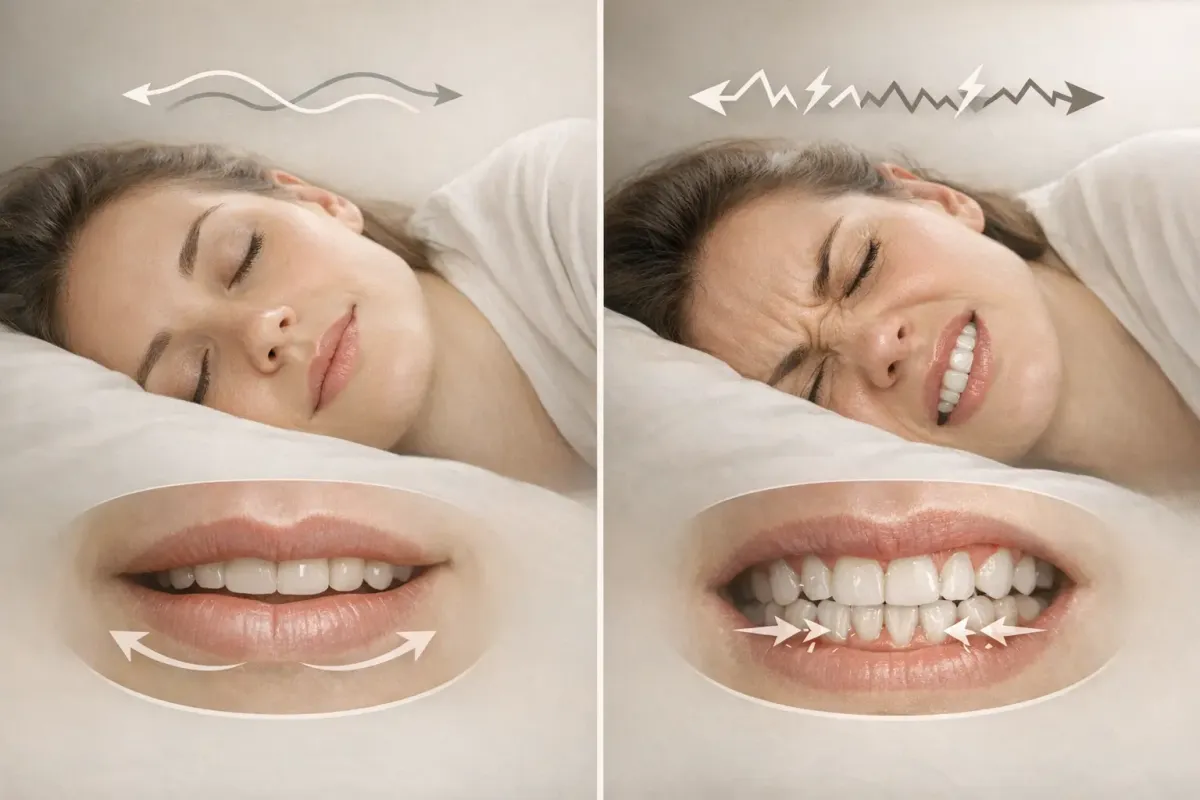
Ever wake up feeling like you spent the night chewing on a steak made of gravel? You're not alone. Millions of adults grind or clench their teeth while they sleep, often without realizing until a partner complains about the noise or a dentist notices the damage. The clinical name for that midnight jaw workout is bruxism. Catching it early can spare you cracked enamel, migraines that scoff at painkillers, and a bank account-draining list of dental repairs.
This article walks you through the latest science on how to spot bruxism before it turns your pearly whites into sandpaper. The evidence is fresh, the language is plain, and there's no fluff. Ready? Let’s dive into what your jaw is really up to after lights-out.
Understanding Bruxism: What Is It?
Bruxism is a repetitive jaw-muscle activity that shows up as grinding, clenching, or bracing of the teeth. It comes in two basic flavors: awake bruxism and sleep bruxism. Awake bruxism usually happens when you're stressed, focused, or just scrolling endless news feeds. Sleep bruxism, on the other hand, is an involuntary motor activity that sneaks in during light non-REM sleep and in brief spurts during REM cycles. You don't choose it, and you can't simply will it to stop.
According to a 2024 concept review by Davis, Manfredini, and Patel, sleep bruxism affects roughly 8 to 13 percent of the adult population. This means in a room of 10 people, at least one person is probably gnashing away at night. Awake bruxism is even more common, especially in high-stress work environments, but it is easier to notice because, well, you're awake when it happens.
The American Dental Association notes that bruxism is only partly explained by dental issues such as bite misalignment. More often, it is linked to a mix of psychological stress, genetic susceptibility, and sleep-related arousals. In other words, it's a team effort by your brain, jaw muscles, and whatever deadline is breathing down your neck. For more about how stress can contribute to bruxism, you might want to explore how stress contributes to bruxism and ways to mitigate its effects.
Still, not all grinding is pathological. A small amount of nocturnal jaw activity is normal and even thought to help with airway patency. Trouble starts when that activity crosses the line into frequent, forceful episodes that can chip enamel and strain your temporomandibular joint (TMJ). A narrative review of ambulatory monitoring methods by Li, Yap, and Loh (2024) highlights this continuum, urging clinicians to distinguish between harmless rhythmic masticatory muscle activity and true pathological bruxism.
Because bruxism is not always obvious, dentists and sleep specialists increasingly rely on home-based muscle sensors and smart splints to quantify how often and how hard you grind. We will get to those gadgets later, but first let’s cover the tell-tale symptoms.
Common Symptoms of Teeth Grinding in Sleep
You might think the main sign of bruxism is noise, and yes, the harsh scraping that makes your partner question life choices is a giveaway. But plenty of grinders are silent. The most reliable clues are the ones you feel or see in the mirror.
1. Morning jaw pain and stiffness
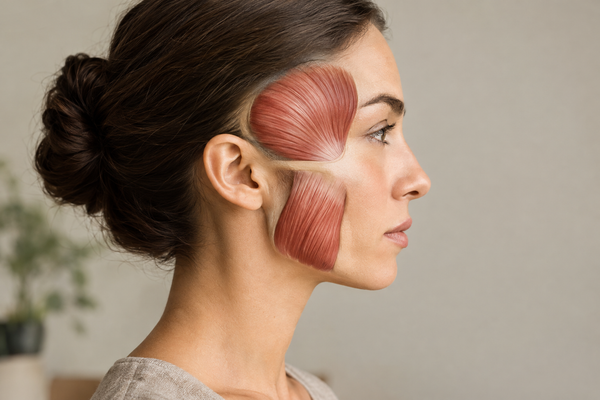
Grinding taxes the masseter and temporalis muscles. After a night of clenching, you may wake up with a jaw that feels as if it ran a half-marathon. This discomfort often eases as the day progresses, only to return the next morning. For more insights into jaw pain, explore key indicators that your jaw pain might be a sign of bruxism.
2. Tension-type headaches
A 2024 review on tooth surface loss by Dhaliwal and Ouanounou lists early-morning headaches as a hallmark of sleep bruxism. The pain is typically bilateral, dull, and radiates from the temples or behind the eyes.
3. Audible grinding
Partners, roommates, or the family dog may hear clicking, popping, or outright crunching sounds. While the volume varies, persistent noise suggests forceful contact between upper and lower teeth.
4. Tooth wear
Over time, grinding removes enamel, flattening the biting surfaces. You may notice sharper edges, shiny spots where enamel has thinned, or even micro-fractures. The Cleveland Clinic warns that advanced wear can expose dentin, leading to sensitivity and faster decay. Learn more about the signs of tooth wear and morning discomfort as signs of bruxism.
5. Cracked or chipped teeth
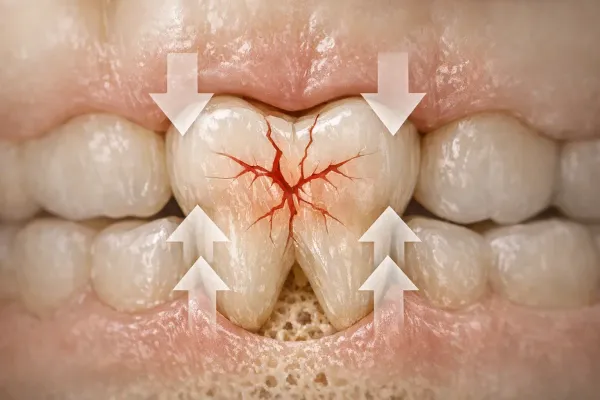
The forces in bruxism can exceed 250 pounds per square inch. Unsurprisingly, crowns, fillings, and natural teeth crack under that load. Dentists often spot unexplained fractures during routine X-rays.
6. Ear discomfort without infection
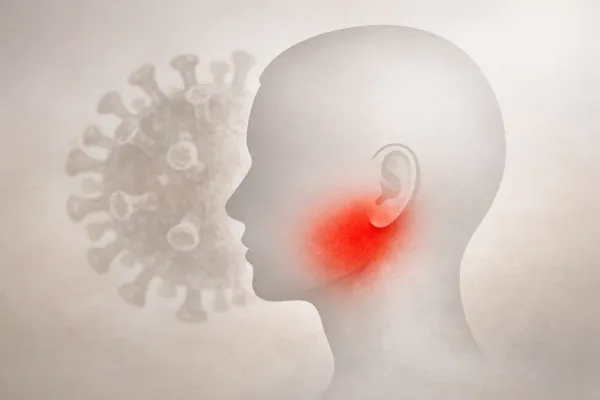
The TMJ sits right in front of the ear canal. Inflammation from constant clenching can mimic an earache even when your ENT gives the all-clear. Discover more about the connection between ear pain and bruxism.
7. Sleep disruption
Every grinding burst is preceded by a micro-arousal in the brain. These may fragment your sleep architecture, reducing restorative deep sleep. A systematic review of occlusal splints by Sultan, Farghal, and Alzemei (2024) notes that many patients report daytime sleepiness even before dental damage shows up.
Keep an eye on combinations of these signs. One symptom alone can be misleading, but a cluster paints a clearer picture.
Early Warning Signs: How to Catch Bruxism Early
Waiting until a molar snaps is like ignoring smoke alarms until flames appear. You want to identify grinding when the damage is still reversible or, better yet, prevent it entirely.
Sore or tired jaw on waking
This is the low-hanging fruit. If you wake up and need a jaw stretch before your first coffee, grinding is on the shortlist of suspects.
Dentinal hypersensitivity
Thin enamel exposes nerve-rich dentin. Sudden zaps from cold water or sweet foods might be your teeth waving a white flag. A cross-sectional study on TMJ dysfunction in rheumatoid arthritis patients by Kroese and colleagues (2024) found that bruxers often rank higher on sensitivity scales even without visible cavities.
Indented tongue borders
Pressing the tongue against clenched teeth can leave scalloped edges, sometimes called a “crenated” tongue. It is not specific to bruxism but adds to the evidence pile.
Cheek ridging
Chronic clenchers develop a line where the buccal mucosa meets the occlusal plane. Your dentist may point it out before you notice.
Subtle sleep disturbances
Light sleepers may notice more awakenings or vivid dreams. Research on sleep arousals, such as the data in the narrative review by Li, Yap, and Loh, suggests that these micro-arousals are biologically tied to grinding bursts.
Unexplained facial muscle hypertrophy
Look in the mirror while clenching gently. Pronounced bulges at the jaw angle (the masseters) can be a sign your muscles have been pumping iron against your will. For more about the physical changes bruxism can cause, read about how teeth grinding can change the shape of your jaw.
Catching these early lets you deploy conservative measures, like stress management or a thin nightguard, before enamel loss begins. The Mayo Clinic emphasizes that early intervention can reduce the risk of TMJ disorders and expensive restorative work.
The Impact of Bruxism: Risks and Complications
Unchecked bruxism is not just a quirky bedtime habit. It is a full-contact sport for your mouth, with injuries that echo beyond the teeth.
1. Temporomandibular Joint (TMJ) Disorders
The TMJ is a hinge-and-slider joint cushioned by a disc. Grinding overloads this system, wearing the disc or dislocating it entirely. Up to 20 percent of chronic bruxers develop clicking, locking, or pain in the joint, according to the cross-sectional data in Kroese et al. 2024. For more on TMJ and bruxism, explore how physical therapy can aid TMJ pain and bruxism relief.
2. Severe tooth damage
Once enamel is gone, it is gone. Restorations like crowns mimic enamel but are not indestructible. Repeated fractures can lead to root canals or extractions. A review of pediatric cases by Leung, Wong, and Lam (2024) found that in children, severe wear sometimes appears before age ten, highlighting the speed at which grinding can cause destruction.
3. Occlusal changes
Loss of tooth height alters bite alignment, which further exacerbates grinding in a vicious circle. In extreme scenarios, facial symmetry changes as the lower face shortens.
4. Cracked Tooth Syndrome
Tiny cracks can cause stabbing pain when you chew, but stay invisible on X-rays. These hairline fractures are notorious for necessitating crowns and, eventually, extractions.
5. Sleep quality decline
The micro-arousals that accompany grinding reduce slow-wave and REM sleep. Chronic poor sleep is linked to mood disorders, metabolic issues, and cardiovascular risk. While bruxism is just one piece of the puzzle, fixing it can nudge overall sleep quality in the right direction.
6. Dental costs
Let’s talk wallets. A single full-coverage crown runs hundreds to over a thousand dollars. Multiply that by multiple teeth, add potential implants, and you're looking at a Caribbean vacation’s worth of dental bills.
These complications illustrate why early recognition is not just a dental vanity project. It's preventive medicine for your face, joints, and finances.
Diagnosing Bruxism: Tools and Methods
So you suspect you're a grinder. How do professionals confirm it?
Clinical Examination
Your dentist starts with the obvious: flattened cusps, enamel cracks, tongue scalloping, cheek ridges. They will ask about headaches, jaw pain, and sleep habits. While a visual exam is cheap and quick, it is subjective and may miss early-stage bruxism.
In-office Bite Force Analysis
Some clinics use pressure-sensitive sheets or digital sensors you bite down on. They map force distribution and can show asymmetric clenching.
Polysomnography (PSG)
The gold standard for sleep disorders. In a lab, electrodes track brain waves, muscle activity, heart rate, and airflow. PSG can confirm sleep bruxism and differentiate it from other movements like rhythmic masticatory muscle activity in infants. Downsides: cost, waitlists, and the awkwardness of sleeping wired like a movie cyborg.
Home Bruxism Monitors
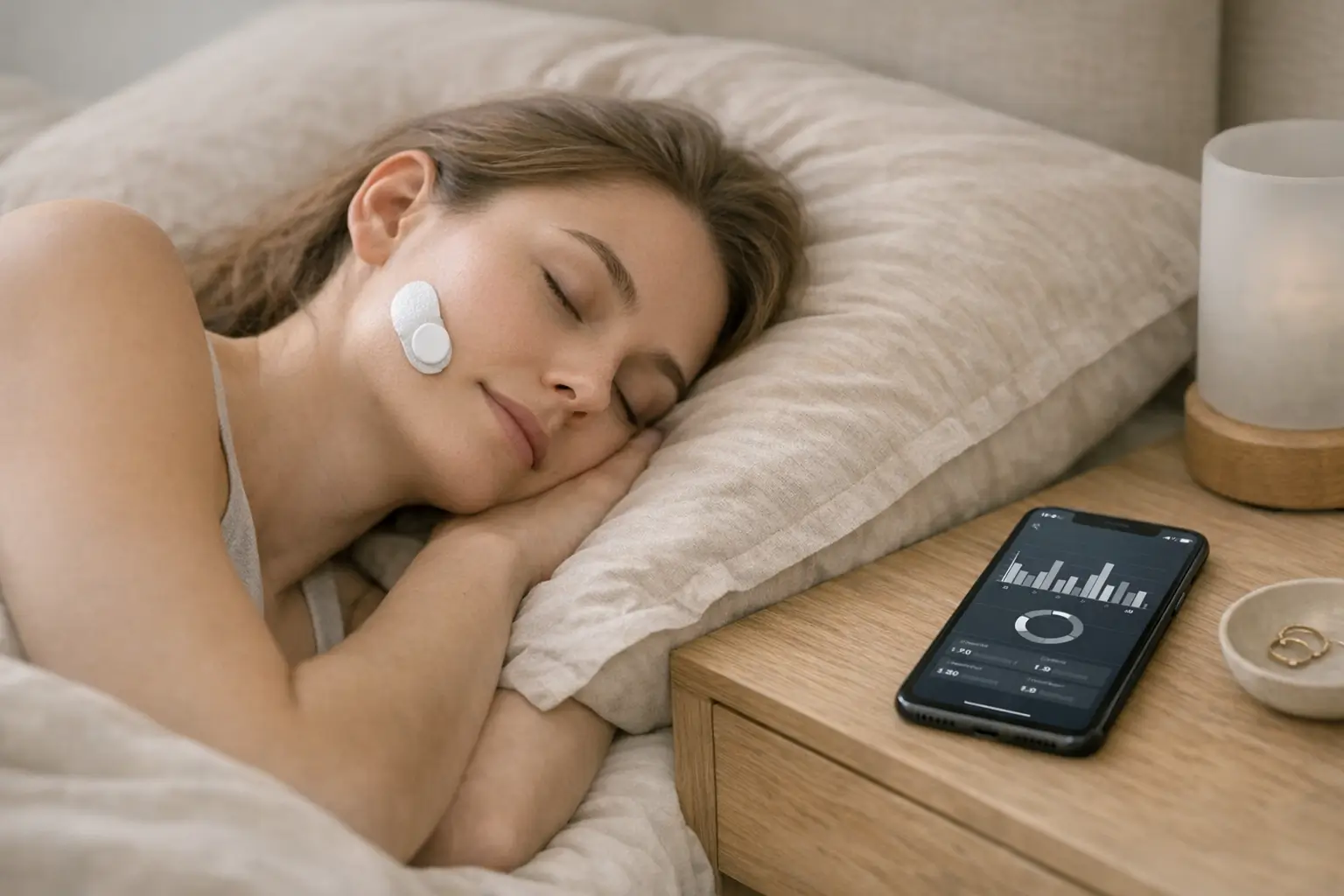
Thanks to wearable tech, you can skip the sleep lab. Devices range from EMG patches placed along the masseter to smart splints with embedded force sensors. A narrative review by Li, Yap, and Loh notes that some monitors pair with smartphone apps, giving you nightly grind counts and intensity scores. They are not yet as precise as lab PSG but are closing the gap quickly. For more on wearable technology, check out how wearable tech can help manage bruxism.
Diagnostic Imaging
Panoramic or cone-beam CT scans reveal jaw joint integrity. If TMJ damage is suspected, an MRI can show disc displacement or inflammation.
Blood and Salivary Markers
Research is ongoing into biomarkers like salivary cortisol, but nothing is clinic-ready yet.
Ambulatory Devices for Detection
Portable EMG devices are game-changers for real-world assessment. They stick to the skin or fit like a mouthguard, logging muscle activity as you toss and turn in your own bed. Models validated in the Li, Yap, and Loh review achieved sensitivity above 80 percent for moderate-to-severe bruxism, making them useful screening tools.
In practice, diagnosis blends chairside findings with at least one objective measure. This combo catches false positives (people who clench awake but not asleep) and false negatives (silent grinders without obvious wear).
Managing Bruxism: Treatment Options
Once diagnosed, treatment follows a ladder: start conservative, escalate if damage or pain persists.
1. Occlusal Splints (Nightguards)
Custom-fit acrylic guards create a barrier so teeth glide rather than grind. A 2024 systematic review comparing types of splints by Sultan, Farghal, and Alzemei found hard upper-arch splints most effective at reducing EMG burst frequency. Soft boil-and-bite guards sold online offer convenience but wear out faster and can encourage chewing motions in some users.
- Pros: Noninvasive, immediate protection
- Cons: Does not stop the muscle activity, needs regular cleaning, can alter speech if worn during the day
2. Behavioral Strategies
Awake bruxers benefit from habit reversal therapy: touching tongue to palate, jaw relaxation drills, posture reminders. For sleep bruxers, stress-reduction tactics such as progressive muscle relaxation, mindfulness apps, or cognitive behavioral therapy for insomnia may reduce episodes. You might find natural and holistic approaches for managing bruxism helpful for stress reduction.
3. Physical Therapy and Massage
Targeted stretches, trigger-point release, and ultrasound therapy can relax overworked jaw muscles. Some patients report fewer headaches and greater mouth opening after a few sessions. For specific techniques, explore effective TMJ exercises for jaw pain relief.
4. Pharmacologic Approaches
There is no FDA-approved drug specifically for bruxism, but muscle relaxants like clonazepam are sometimes prescribed off-label for short-term relief. Side effects and tolerance limit long-term use.
5. Botulinum Toxin Type A Injections
Yes, Botox is more than a wrinkle smoother. By partially paralyzing the masseters and temporalis muscles, it reduces bite force by up to 40 percent. A 2025 systematic review on botulinum toxin efficacy by Yacoub, Gharbi, and Khemiss concluded that injections cut grinding episodes in half for three to six months with minimal adverse effects.
- Pros: Quick, measurable force reduction, helps pain
- Cons: Temporary (needs repeats every 3-6 months), cost, mild chewing weakness

6. Orthodontic and Restorative Solutions
If malocclusion drives grinding, braces or clear aligners may redistribute forces. Severely worn teeth sometimes need full-mouth rehabilitation with crowns or onlays to restore vertical dimension.
7. Lifestyle Tweaks
Limit caffeine and alcohol before bed, as both boost nocturnal muscle activity. Keep hydrated; dehydration thickens saliva, increasing friction. If you smoke, consider quitting, because nicotine is a stimulant that ramps up muscle tone. For more on how diet impacts bruxism, see how your diet can influence bruxism symptoms.
8. Emerging Therapies
Biofeedback splints vibrate gently when they detect clenching, nudging your brain to relax the jaw. Early trials are promising but larger human studies are needed before mainstream adoption.
Combining treatments often yields the best outcome. For example, a nightguard protects teeth while Botox calms the muscles, giving the joint a break to heal.
Conclusion
Your jaw is not supposed to be in beast-mode all night. Bruxism may start silently, but the wear, pain, and sleep disruption it causes speak volumes. Identifying early warning signs like morning jaw soreness, tooth sensitivity, and subtle sleep disturbances can save you layers of enamel and dollars down the road. Diagnosis blends clinical eyes with tech-savvy devices, confirming whether those clicks and pops are harmless or a red flag.
Treatment ranges from simple guards and stress management to high-tech injections and smart splints. The sooner you act, the easier and cheaper it is to restore peace between your teeth. So listen to your jaw, talk to your dentist, and give those hardworking molars the vacation they deserve.