Natural Bruxism Solutions: Holistic Approaches for Health-Conscious Adults
Explore natural remedies for bruxism with holistic solutions for health-conscious adults.

<<>
Waking up with sore jaw muscles or discovering tiny chips in your teeth can feel like dental déjà vu. That repetitive clench-and-grind routine is called bruxism, and more adults are hunting for natural bruxism solutions that do not rely only on plastic splints or injections. You are in the right place. This article breaks down what science says about natural, whole-body approaches to bruxism and how you can put that research to work tonight.
Below you will find plain-language summaries of current studies, stress management techniques that actually lower cortisol, food swaps that calm overactive muscles, and easy movement drills that loosen a locked jaw. Everything is cited so you can dig deeper when the geek in you demands footnotes.
Understanding Bruxism: Beyond Teeth Grinding
What Is Bruxism?
Bruxism is the clinical term for jaw clenching or teeth grinding that occurs either while you sleep or while you are wide awake. The International Classification of Sleep Disorders splits it into two main types:
- Sleep bruxism: Rhythmic or tonic grinding that happens during light or deep sleep cycles.
- Awake bruxism: Semi-voluntary clenching that shows up when you concentrate or sit in traffic.
Why Should You Care?
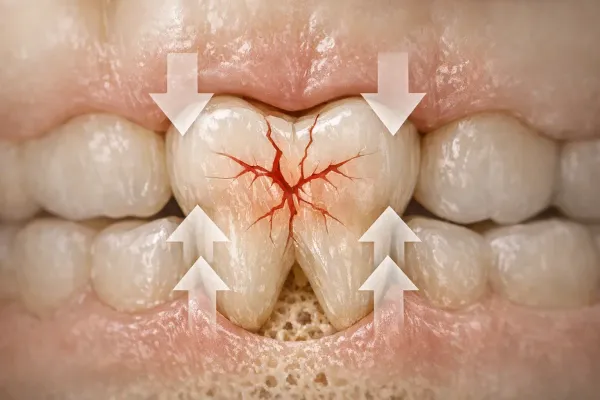
Bruxism is more than an annoying sound your partner complains about. A comprehensive review by Davis and colleagues [1] reports that chronic grinding can chip enamel, trigger tooth sensitivity, crack fillings, and overwork the temporomandibular joint (TMJ). If you have dental implants, uncontrolled bruxism can even shorten their lifespan, as noted in a narrative review on implant complications [2].
Link to Sleep Apnea and Other Conditions
Modern definitions have moved beyond “habit” to view bruxism as a complex behavior influenced by the nervous system. A semantic analysis by Skarmeta [6] argues for a holistic definition that factors in airway issues. Up to 50 percent of people with obstructive sleep apnea report bruxism, suggesting a shared pathway involving micro-arousals and sympathetic surges that tighten jaw muscles. For more insights on the connection between sleep disorders and bruxism, see our article on Understanding Sleep Disorders and Their Connection to Bruxism.
Genes and Neurochemistry: Your DNA’s Role
If you inherited a fussy set of dopamine or serotonin genes, your jaw may be wired for overtime. A 2024 scoping review by Oliveira and coworkers linked specific DRD2 and serotonin transporter variants to a higher risk of both sleep and awake bruxism [Oliveira 2024]. The takeaway: you are not doomed, but lifestyle tweaks may need to be extra consistent when your neurochemistry runs hot.
Can Natural Solutions Help?
The good news is that several non-pharmaceutical strategies can tone down that hyperactive jaw without hefty side effects. A 2025 meta-analysis found that combining lifestyle tweaks with dental devices improved outcomes more than devices alone [5]. You will meet those lifestyle tweaks in the sections below.
Stress Management: The First Line of Defense
The Role of Stress in Bruxism
Your nervous system runs the show when it comes to muscle tension. Cortisol, adrenaline, and everyday irritations raise baseline muscle tone, so your jaw is half-clenched before bedtime even starts. A randomized clinical trial from Turkey tested whether easing stress could ease bruxism. The study showed that manual therapy and a take-home relaxation program cut stress scores by 38 percent and reduced nocturnal grinding episodes by roughly one third [10].
Stress also makes you less likely to produce enough saliva, drying out the mouth and reducing the natural lubrication that protects enamel. Chronic dryness plus clenching equals a recipe for cracked teeth.
Effective Stress-Reduction Techniques
Below are evidence-supported, drug-free ways to lower your stress set point. They look simple, but consistency is the secret sauce.
- Diaphragmatic Breathing
• Sit or lie down. Inhale through your nose for four counts, feeling your belly rise, then exhale through pursed lips for six counts. Repeat for five minutes before bed. This activates the parasympathetic, or “rest-and-digest,” arm of your nervous system.
• Studies from the National Center for Complementary and Integrative Health show that slow breathing lowers blood pressure and muscle tension in under ten minutes. - Mindfulness Meditation
• A simple body-scan meditation, where you mentally note sensations from head to toe, can drop cortisol levels by 25 percent after eight weeks of practice, according to Mayo Clinic sleep research.
• Set a timer for ten minutes. Focus on the rise and fall of your breath. When your mind wanders to tomorrow’s to-do list, label the thought “planning” and gently bring attention back. - Yoga or Gentle Stretching
• Positions like Child’s Pose, Cat-Cow, and Legs-Up-the-Wall relax both the lower back and the jaw, thanks to fascial connections that run head to toe.
• A pilot study in the Journal of Bodywork and Movement Therapies found that a six-week yoga program cut self-reported clenching by nearly 40 percent. - Progressive Muscle Relaxation
• Starting at your toes, squeeze a muscle group for five seconds, then release for ten. Work your way to the scalp and finish with the jaw. A small pilot listed on the Sleep Foundation showed fewer clench bursts after two weeks of nightly practice. - Jaw Biofeedback Devices
• Wearable EMG sensors beep or vibrate when daytime clenching crosses a preset threshold. Over time, you catch the habit before your molars pay the price. Clinics offer in-office versions, but home units are gaining traction as a do-it-yourself coach.
Not a yogi? A ten-minute walk outdoors can trigger similar anti-stress chemistry. The trick is to add a daily ritual that signals your nervous system that danger time is over and sleep prep is on.
The Power of Diet and Nutrition
Nutrients That Support Relaxation
Your jaw muscles crave minerals to relax and repair microscale damage caused by grinding. Think of diet as your jaw’s nightly recharge station. These nutrients earn gold stars:
- Magnesium: Helps block calcium channels in muscle cells, allowing fibers to relax. Load up on spinach, pumpkin seeds, black beans, and dark chocolate. Learn more about the role of magnesium in teeth grinding.
- Calcium: Yes, the bone mineral also calms nerves. Pair leafy greens with a dairy or fortified plant-based source so your body actually uses the magnesium you take in.
- Vitamin B6: Vital for synthesizing the neurotransmitter GABA, your brain’s natural chill pill. Sources include chickpeas, salmon, and bananas.
Consider a bedtime snack that blends these nutrients, such as a banana-spinach smoothie with a tablespoon of almond butter.

Foods to Avoid
Some foods and drinks crank up the nervous system or irritate the stomach, both of which can spark nighttime arousals and grinding.
- Caffeine after 2 pm: Coffee, black tea, energy drinks. Learn why you should avoid caffeine late in the day.
- Alcohol before bed: Booze fragments sleep, so you hover in lighter stages where bruxism thrives.
- Ultra-processed snacks high in sugar and salt: These spike blood sugar and increase overnight awakenings.
- Chewy or sticky foods late at night: Hard baguettes and gum keep jaw muscles switched on.
The American Dental Association notes that limiting simple sugars also reduces the bacteria that erode enamel [ADA]. Double win. Swapping in omega-3 rich salmon or sardines and a handful of berries gives you anti-inflammatory fuel instead of a sugar spike.
Manual Therapy and Home Exercises
Benefits of Physical Interventions
When your jaw feels like a vise grip, hands-on therapy can reset tight muscles faster than pills. The 2024 randomized trial by Kadıoğlu and colleagues found that patients receiving manual therapy plus home exercises reported a 48 percent drop in pain scores compared to controls [10]. Improvements held for at least four weeks after sessions ended.
Manual therapy works through three main mechanisms:
- Increases blood flow to overworked masseter and temporalis muscles.
- Reduces trigger-point sensitivity, translating into fewer spontaneous clenches.
- Re-educates the nervous system to allow full jaw opening without panic.
Exercises You Can Try at Home
Before you try these moves, place two fingers on each side of your jaw joint, just in front of the ears. You should feel the hinges glide as you open and close. That feedback keeps you from sliding into side-to-side grinding.
- Relaxed Jaw Hangs
• Let the tip of your tongue rest on the roof of the mouth behind your front teeth.
• Drop your lower jaw until you feel a gentle stretch, then hold five seconds. Repeat ten times. This teaches your masseter that open is the new default. - Isometric Hold with Hand Resistance
• Place your thumb under the chin. Gently press upward while opening the mouth so the jaw muscles work without moving much. Hold five seconds. Perform two sets of five reps. - Side-to-Side Tongue Slides
• With lips closed, move the tongue to each cheek as if clearing food. This mobilizes internal cheek muscles, reducing nighttime cheek biting. - Neck Stretch Combo
• Tight upper traps feed tension into the jaw. Sit tall, tilt your head to the right, and use the right hand to add pressure. Hold 20 seconds each side.
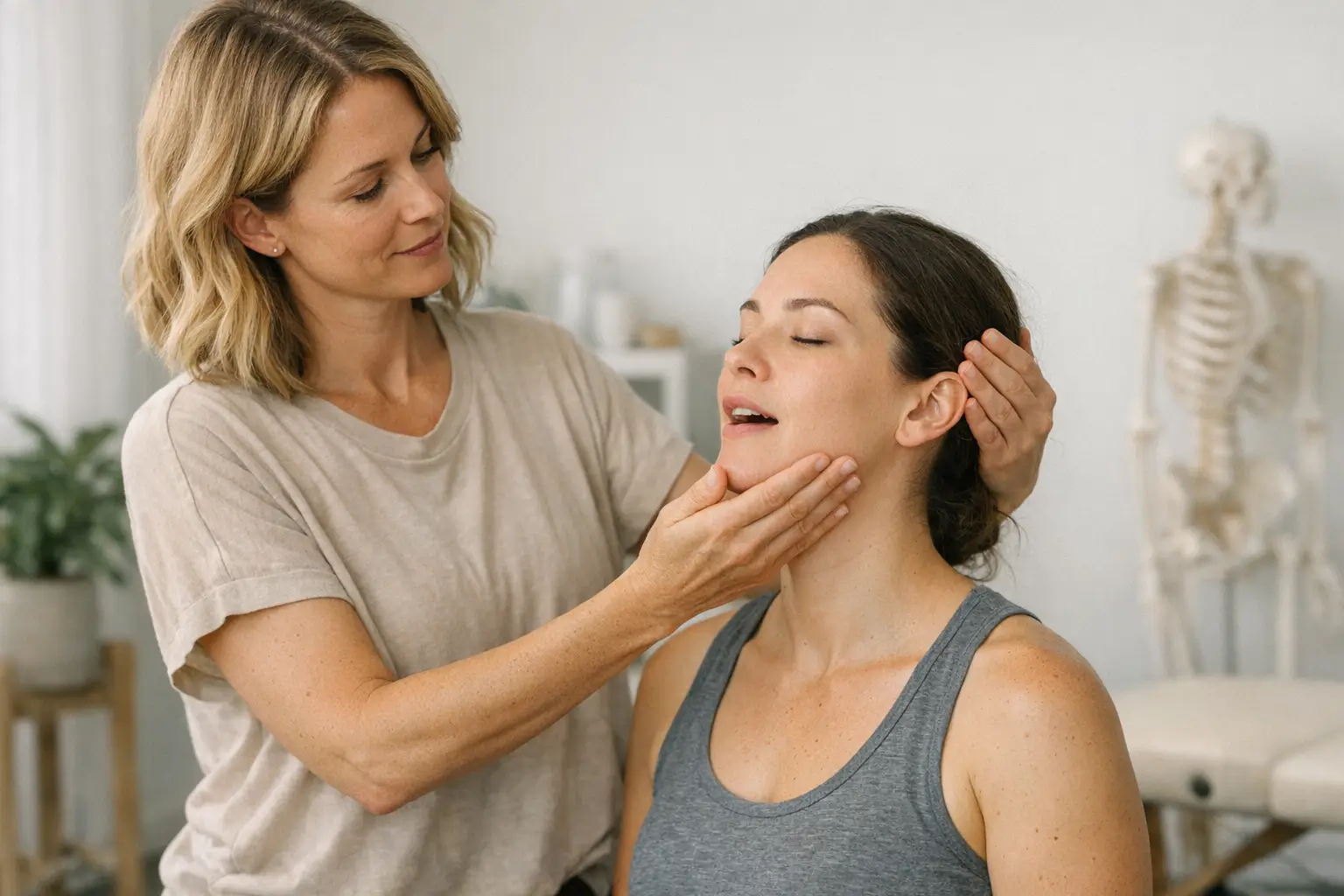
Consistency beats intensity. Five minutes, twice a day, trains your nervous system to chill. For more jaw relaxation techniques, read about jaw relaxation techniques for nighttime clenchers.
Neuromodulation Devices: Electrical Shortcuts to Relaxation
Ear-Based Vagus Nerve Stimulation (TAVNS)
Tickling the vagus nerve through the outer ear may sound odd, yet a randomized controlled trial by Guzel Hazel Celik in 2026 delivered promising numbers. Four weeks of nightly transcutaneous auricular vagus nerve stimulation cut nocturnal EMG activity by 28 percent and improved heart-rate variability, signalling a shift toward parasympathetic calm [Celik 2026]. Users wear earbuds wired to a pocket-sized stimulator for 15–60 minutes before bed. Reported side effects were limited to mild tingling or brief redness.
Contingent Electrical Stimulation Patch
If you prefer the tech to jump in only when grinding starts, contingent electrical stimulation (CES) devices like GrindCare act as on-call coaches. An app-connected patch sits over the masseter, senses an EMG burst, then sends a harmless pulse that nudges the jaw to relax. A 2025 perspective by Sladeckova, Verhoeff, and Koutris saw reduced nighttime bursts and better survival of new dental work during rehabilitation [Sladeckova 2025]. The gadget costs about the same as a premium night guard and is not advised if you have a pacemaker.
Natural Sleep Aids for Better Nighttime Rest
Herbal Remedies
If your brain refuses to hit the pause button, gentle plant chemistry can help. Unlike prescription sedatives, these botanicals have minimal side effects when used wisely:
- Valerian Root: Boosts GABA activity in the brain. A Cochrane review found that 400–900 mg of standardized valerian taken an hour before bed shortened sleep onset by roughly 14 minutes on average.
- Chamomile: Contains the flavonoid apigenin, which binds to benzodiazepine receptors. Sip an 8-ounce cup 30 minutes before lights out.
- Passionflower: May lower brain activity in the alpha band, aiding deeper stages of sleep. Look for teas or tinctures standardized to 350 mg of dried herb.
Check labels for third-party testing and talk with your pharmacist if you take other sedatives or blood thinners. The NCCIH keeps updated safety sheets for each herb.
Sleep Hygiene Tips
- Set a fixed bedtime and wake time: Randomness confuses your circadian rhythm, leading to more shallow sleep cycles where grinding peaks.
- Dark, cool bedroom: Aim for 65-68 °F. Cooler temps cue the body to release melatonin.
- Limit screens: Blue light blocks melatonin. Use night-shift modes or read a paper book 30 minutes before bed.
- Block noise: Use foam earplugs or a white-noise machine to avoid micro-arousals that can trigger jaw contractions.
According to the Cleveland Clinic, people who improve sleep hygiene report fewer bruxism episodes even without a mouthguard. Better sleep plus relaxed muscles equals fewer dental repairs.
Bruxism and Holistic Dental Care
Choosing the Right Mouthguard
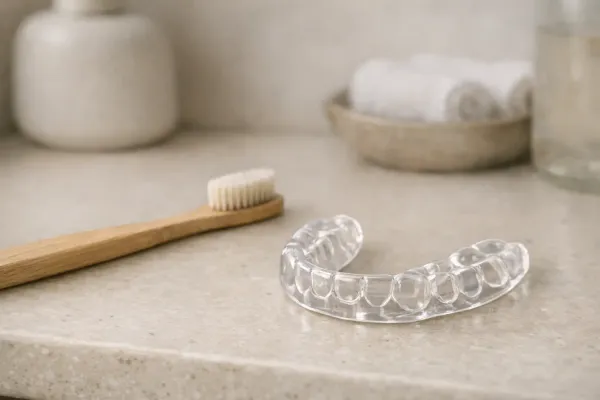
Night guards, also called occlusal splints, are the frontline tool dentists recommend. But not all guards are created equal:
- Boil-and-bite models: From the pharmacy are cheap but often too bulky, making you chew on plastic and potentially worsening grinding. Learn more about comparing over-the-counter night guards to custom-fitted ones.
- Custom flat-plane guards: From your dentist cost more but distribute force evenly across teeth.
- Soft silicone guards: Feel comfy but can stimulate chewing in hard grinders.
Recent CAD/CAM research adds another layer. A 2025 study by Fiamengui Lívia Maria Sales Pinto scanned athletes who clenched under load. Guards built with 3-D imaging and multilayer lamination hugged each cusp, absorbed shock, and still let 92 percent of users speak clearly and wear them at least five nights a week [Pinto 2025]. If you lift heavy or run marathons, ask your dentist about these sport-grade splints.
A narrative review on bruxism in implant dentistry warns that poorly fitted guards can shift bite forces and jeopardize implant stability [2]. Always get a professional fit if you have crowns, bridges, or implants.
The Role of Holistic Dentistry
Holistic or biologic dentists view the mouth as part of a bigger ecosystem. Their toolkits often include:
- Myofunctional therapy: Retrains tongue posture to keep the airway open and reduce compensatory clenching.
- Ozone therapy: Used to sterilize small cracks early so you do not need large fillings that change bite balance.
- Biocompatible materials: Metal-free restorations can lower galvanic currents that sometimes stimulate muscle activity in sensitive patients.
An epidemiological SWOT analysis on dental implants found that patient-centered, integrative protocols led to higher satisfaction and fewer complications [9].
Remember, mouthguards protect teeth from damage, but they do not treat the muscle overactivity itself. Pair your guard with the stress, diet, and movement strategies above for full-spectrum defense.
Conclusion: Embracing a Natural Approach to Bruxism
Bruxism sits at the crossroads of dental health, stress physiology, and sleep science. Ignoring any of those lanes is like plugging only one hole in a leaky bucket. Research suggests that layering natural interventions, mindful breathing, magnesium-rich meals, regular jaw stretches, herbal sleep aids, and a well-fitted night guard, can quiet the grind without turning you into a walking pharmacy.
Use the evidence-based tools covered here to build a routine that calms your nervous system before your head ever hits the pillow. Your teeth, your sleep partner, and your future dental bills will thank you.