Understanding Pediatric Bruxism: Signs, Symptoms, and Prevention Tips
Explore signs of bruxism in toddlers and prevention tips for parents. Learn about teeth grinding in kids.

When a toddler grinds their teeth, it can sound like two ceramic plates in a blender. You might dismiss it as "just a phase," but researchers disagree. Teeth grinding and clenching in kids—known as pediatric bruxism—can indicate future dental problems, sleep issues, and cranky mornings. The good news: with some science and practical tips, you can spot the problem early and keep your child's smile (and your sanity) intact.
This research-driven guide explores pediatric bruxism. We'll unpack what it is, how to recognize it, why it happens, and what you can do about it. Let’s dive in.
What is Pediatric Bruxism?
Pediatric bruxism is the repetitive, involuntary habit of grinding or clenching the teeth in children, typically under age thirteen. Picture tiny jaws working overtime, often while the rest of the body is supposedly at rest. Clinicians categorize it into two types: sleep bruxism (grinding during sleep) and awake bruxism (jaw clenching while awake). Estimates vary because kids are tricky research subjects, but a systematic review of more than twenty studies reported that roughly 22% of children show signs of bruxism Garcia 2025.
Teeth grinding is not new. Paleopathologists have found wear facets on ancient baby teeth. What is new is our understanding that early bruxism can ripple into adulthood. Excessive grinding erodes enamel, sensitizes nerves, and can misalign the bite. It also overlaps with sleep disorders, anxiety, and attention-related conditions. This is more than an annoying nighttime soundtrack. For more on recognizing bruxism symptoms, visit Recognizing Bruxism Symptoms: Is Your Jaw Pain Telling You Something?
Early identification matters because children's teeth are still forming, and the jaw joint (temporomandibular joint or TMJ) is malleable. Intervening while the system is flexible can prevent bigger orthodontic bills later. Learn how to recognize the main red flags and why a toddler’s grind may be more than a quirky bedtime ritual.
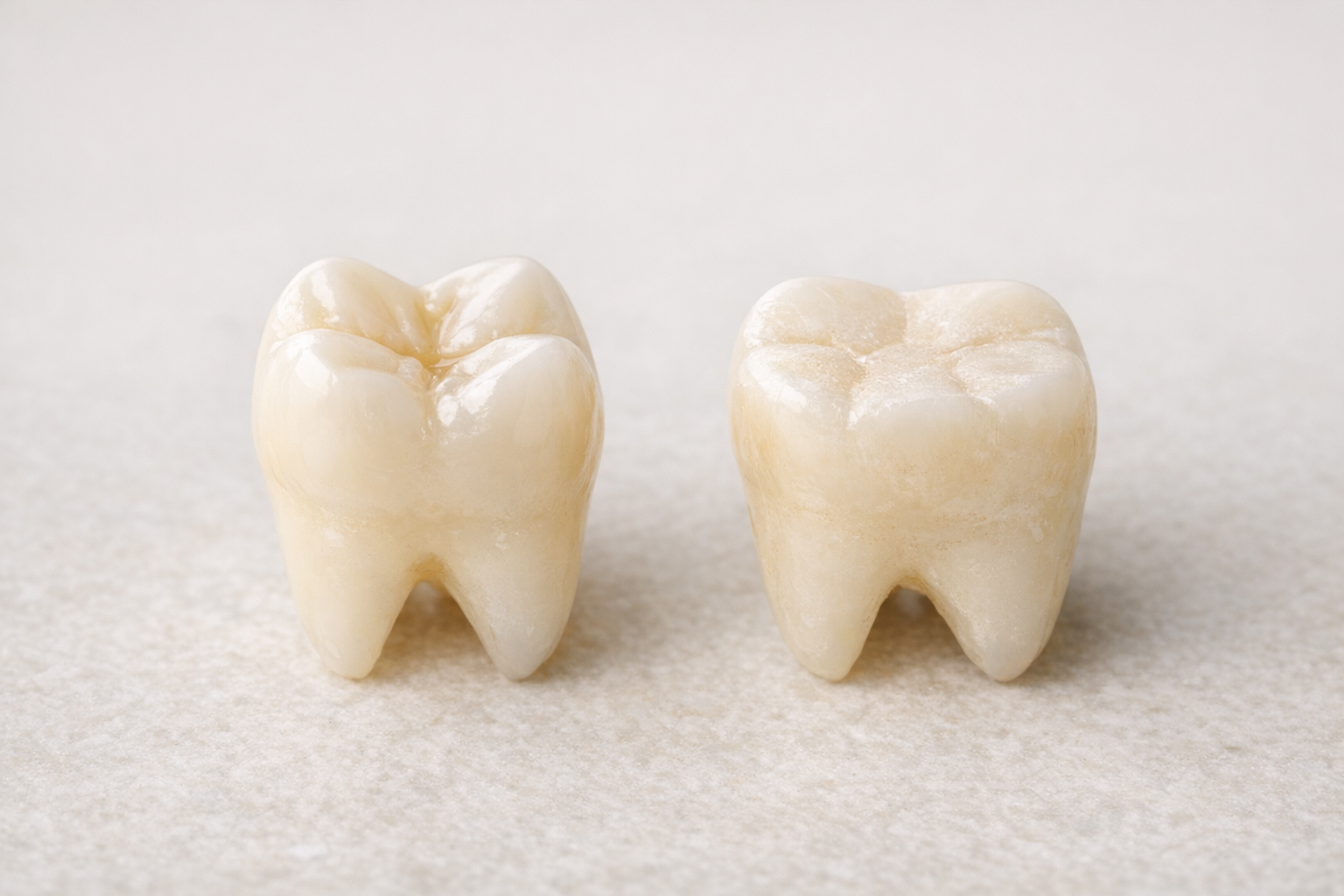
Think of a toddler’s dental timeline like a construction project with soft deadlines. Between six months and three years, twenty primary teeth erupt, sometimes causing transient discomfort that can trigger jaw movements. Around age six, permanent molars appear behind the baby molars, adding another wave of pressure. Understanding where your child is on this timeline helps distinguish normal, short-lived grinding from a worrisome habit.
Identifying Bruxism: Signs and Symptoms
The first hint usually comes from your ears. Parents often report hearing a “clickety-scrape” from the baby monitor. While sound is a useful cue, other signs can be silent but equally revealing. Below is a checklist grounded in clinical research and seasoned by pediatric dentists on the front line.
- Audible grinding or clicking at night: A hallmark sign supported by the bidirectional sleep–dental study Zhang et al. 2025.
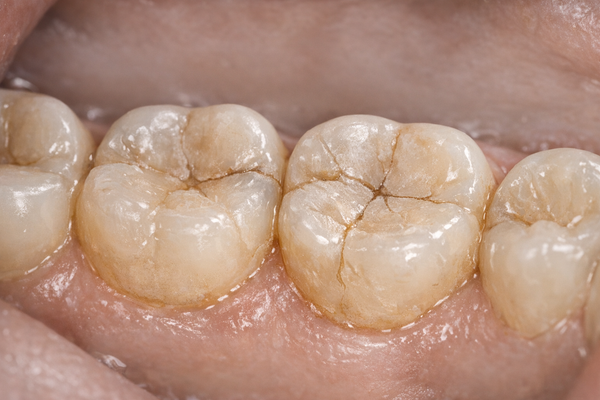
- Flattened or chipped baby teeth: Enamel looks sanded down; cusps appear blunted.
- Jaw or facial soreness in the morning: Toddlers may rub their cheeks or refuse chewy foods.
- Headaches, especially upon waking: Mini migraines are easily missed because small children rarely articulate them.
- Sleep disturbance: Fragmented sleep patterns often accompany nocturnal grinding. Learn more about sleep disorders and their connection to bruxism.
- Behavioral changes: Irritability, concentration dips, and daytime sleepiness can follow poor sleep.
- Clicking TMJ noises: Opening and closing the mouth may trigger a pop, which may be related to ear pain linked to TMJ and bruxism.
A quick at-home mini-exam can provide extra clues: place clean fingertips gently over your child’s masseter muscles (the “cheeks” in front of the ears) while they watch a cartoon. If you feel rhythmic pulses or see the temples twitching, daytime clenching may be underway. Document what you notice on your phone—photos of tooth wear and voice memos about sleep patterns—so you can present a clear timeline to the dentist.
A pilot study introduced a specialized assessment tool for awake bruxism in kids, confirming that wear facets and muscle tenderness are common even when the grinding happens during the day Ribeiro-Araújo et al. 2025. Markers can appear gradually. Regular dental visits give professionals a time-lapse view of tooth surfaces and jaw growth, improving detection.
Daytime vs. Nighttime Bruxism
Not all grinding sessions look the same:
- Awake (Daytime) Bruxism
• Typically involves clenching more than grinding.
• Can be rhythmic or sporadic, linked to focus or stress (think video games or homework).
• Children often are not aware they are doing it. - Sleep (Nighttime) Bruxism
• Characterized by loud grinding bursts lasting a few seconds.
• Usually clusters in non-REM phase 2 sleep cycles.
• Frequently coexists with night terrors, snoring, and even mild obstructive sleep apnea.
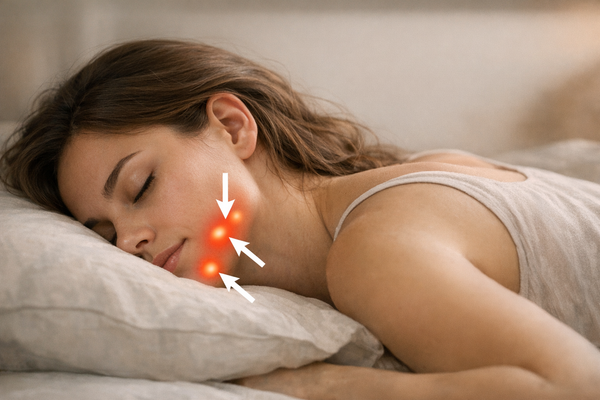
The distinction matters because treatment strategies, which we will discuss later, differ slightly. Daytime bruxism often responds to habit-reversal training, whereas nighttime grinding may require a deeper dive into sleep quality and airway evaluation. For more on how sleep positions affect bruxism, visit sleep positions and bruxism.
Causes and Risk Factors of Teeth Grinding in Kids
Bruxism is a multifactorial issue. No single trigger explains every case, but researchers have identified clusters of risk factors. The earlier systematic review on predictors Garcia 2025 breaks them down into biological, psychological, and external contributors.
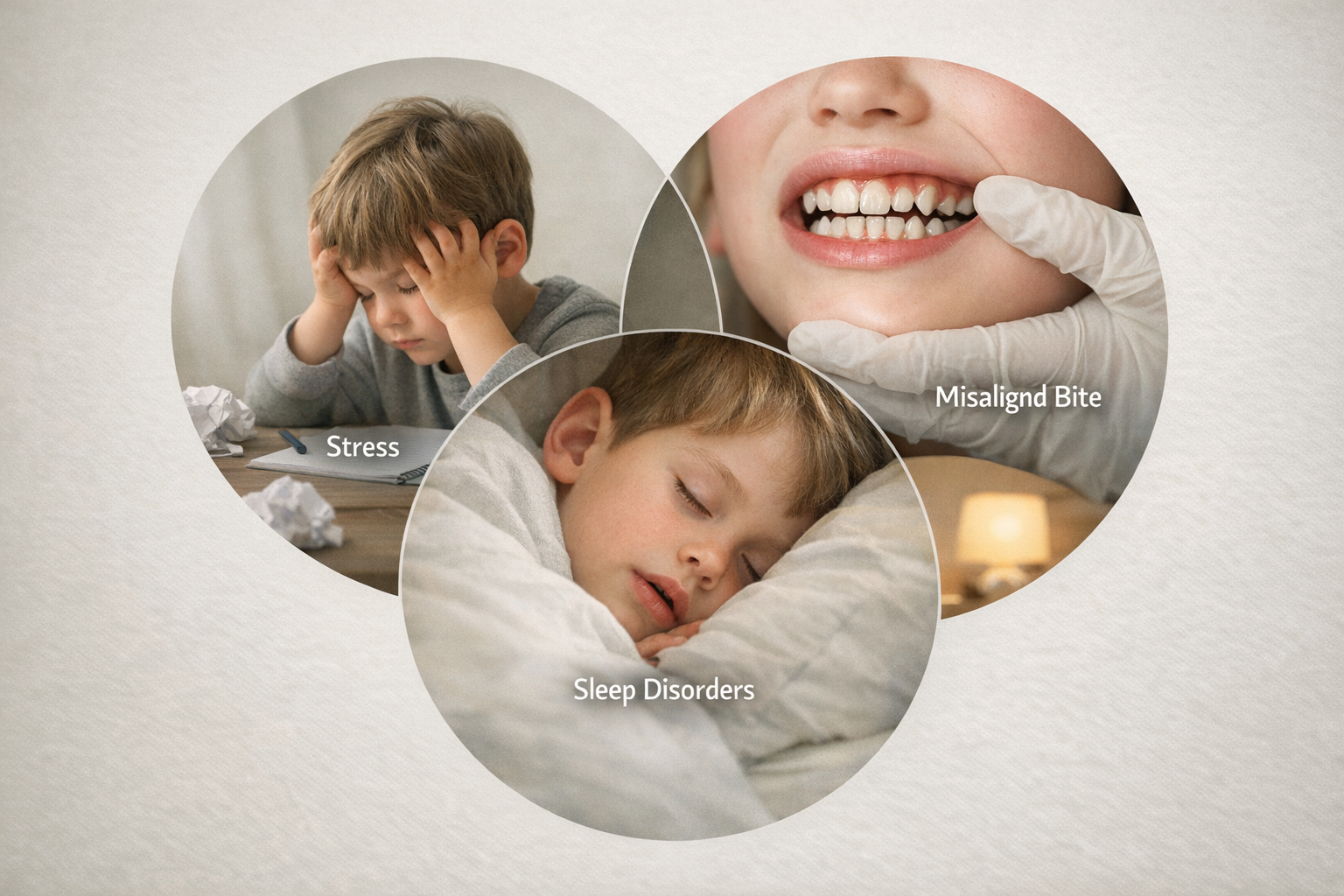
- Stress and anxiety: Even preschoolers feel the heat. New siblings, starting daycare, or parental tension can manifest as nighttime grinding. Explore more about how stress and anxiety trigger teeth clenching.
- Malocclusion (misaligned bite): When upper and lower teeth do not mesh properly, the jaw muscles may overcompensate.
- Sleep disorders: Snoring, enlarged tonsils, and pediatric sleep apnea increase grinding probability.
- Genetic predisposition: If you ground your teeth as a kid, your child might follow suit.
- Neurodevelopmental conditions: ADHD and autism spectrum disorders correlate with higher bruxism prevalence, possibly due to baseline muscle hyperactivity or medication side effects.
- Medications and substances: Certain stimulants prescribed for ADHD can elevate jaw muscle tone, making clenching more likely. Always review side effects with the prescriber.
- Secondhand smoke exposure: Nicotine metabolites were associated with bruxism episodes in one subgroup analysis, though causation remains under debate.
Hormonal shifts, especially around tooth eruption phases, might also play a role. In toddlers aged two to three, primary molars erupt, which can briefly lead to jaw activity. Usually, this eruption-related grinding fades, but if it persists, consider the other risk factors listed above.
Do not overlook lifestyle cues. High sugar intake, excessive screen time before bed, and inconsistent sleep schedules prime the nervous system for micro-arousals that feed bruxism loops. A study group of kindergarteners who replaced their late-afternoon juice boxes with water and adopted a 7:30 p.m. “digital sunset” saw a 30% drop in audible grinding after four weeks.
Prevention Tips for Parents
You cannot bubble-wrap your child’s teeth, but you can reduce the odds of full-blown bruxism. An umbrella review of interventions Soares-Silva et al. 2024 concludes that lifestyle tweaks are effective. Here are practical steps you can start tonight.
Lifestyle and Behavioral Modifications
- Set a consistent wind-down routine: Bath, story, then lights out at a predictable hour stabilizes circadian rhythms. The American Academy of Pediatrics recommends screens off at least 30 minutes before bed AAP.
- Introduce relaxation cues: Deep breathing, toddler yoga, or soft music can lower cortisol. You do not need incense or chanting, just a calm vibe. Use effective techniques for jaw tension relief to help.
- Limit caffeine and added sugar: Yes, that chocolate milk counts. Stimulants add fuel to nighttime muscle activity.
- Encourage daytime jaw awareness: Teach your child a “lips together, teeth apart” mantra. A sticky note on the mirror can serve as a reminder.
- Mouth exercises: Simple stretches like opening wide, moving the jaw side to side, and practicing gentle gum chewing strengthen muscles without overloading them.
- Hydration check: Mild dehydration can thicken saliva, which some theories link to oral discomfort and subsequent grinding. Keep the water bottle handy.
- Pacifier and bottle weaning: Extended sucking habits can alter bite alignment and perpetuate grinding; aim to phase out pacifiers by 18 months.
- Sleep environment audit: A cool, dark, quiet room (68–70 °F) reduces micro-arousals that trigger bruxism bursts.
When to Consult a Pediatric Dentist
Home strategies have limits. Book an appointment if you notice any of the following:
- Visible tooth wear, chipping, or sensitivity complaints.
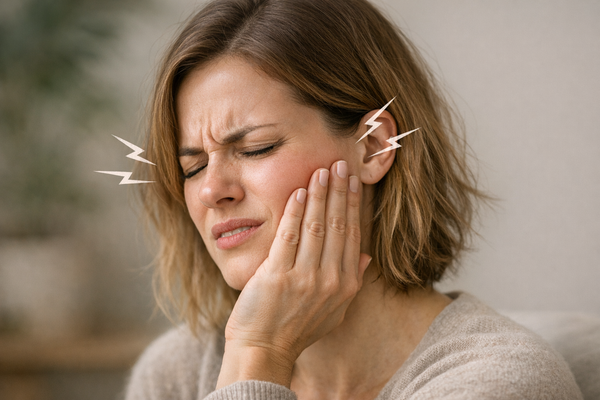
- Pain around the ear or jaw on waking.
- Snoring louder than a cartoon bear or pauses in breathing.
- Behavioral regression, chronic headaches, or teacher reports of daytime sleepiness.
A pediatric dentist can perform an occlusal exam, track wear patterns, and, if necessary, craft a custom night guard. They may also refer you to an ENT or sleep specialist to explore airway concerns. The Cleveland Clinic notes that multidisciplinary care often produces better outcomes for stubborn bruxism cases Cleveland Clinic. For more on managing pediatric bruxism, see effective approaches for parents.
Treatment Options for Pediatric Bruxism
If prevention is the seatbelt, treatment is the airbag. Interventions range from basic watchful waiting to cutting-edge injectables. Below is the current evidence landscape.
Non-Invasive Approaches
- Occlusal splints (night guards): A thin, BPA-free plastic tray fits over the upper teeth, cushioning grinding forces. Most dentists hold off until the child’s permanent incisors erupt, but soft guards can be made for younger kids if the wear is severe. Learn how to safely use a mouth guard for more information.
- Behavioral therapy: Techniques like habit-reversal training and biofeedback buzzers teach older children to notice and relax their jaw muscles during the day.
- Physiotherapy and massage: Gentle facial massage and thermal packs can loosen hyperactive muscles. Some parents swear by pediatric chiropractic adjustments, though robust data are scarce. Explore the role of physical therapy in TMJ pain management and bruxism relief.
- Sleep hygiene upgrades: If a sleep study reveals apnea, treatments like adenotonsillectomy or continuous positive airway pressure (CPAP) can indirectly reduce grinding episodes.
- Parental coaching: Studies show that when parents receive a 20-minute training on modeling relaxed jaw posture and giving gentle verbal cues, daytime grinding frequency drops by roughly 25% within two months.
Advanced Therapies
For chronic, severe cases unresponsive to the basics, clinicians may escalate:
- Pharmacologic aids: Low-dose clonazepam or muscle relaxants are reserved for short-term use in adolescents rather than toddlers, as side effects outweigh benefits in younger kids.
- Botulinum toxin injections: Botox isn't just for wrinkles. An overview of the evidence Coelho et al. 2025 found that targeted injections into the masseter or temporalis muscles reduced bruxism intensity for up to six months. Pediatric data are limited, so this remains off-label and typically a last resort.
- Orthodontic intervention: Correcting a crossbite or deep overbite can diminish the mechanical reflex to grind. Palatal expanders and functional appliances may be introduced as early as age six. For more insights, explore comparing bruxism treatments.
- Cognitive behavioral therapy (CBT): When anxiety drives the grind, CBT equips the child with coping strategies that reduce both distress and jaw tension. Compare CBT and mindfulness techniques for managing bruxism.
The umbrella review of interventions highlighted that combining splints with behavioral coaching produced the most durable gains Soares-Silva et al. 2024. Purely pharmacologic or injectable fixes without lifestyle changes saw symptoms rebound once the drug wore off.
Conclusion
Pediatric bruxism is common, noisy, and thankfully manageable. You now know the key signs—from faint nighttime grinding to flattened baby molars—and the overlapping risk factors like stress, misaligned bites, and sleep disorders. Prevention starts with steady routines, jaw-relaxing habits, and regular dental checkups. If grinding persists, evidence supports a hierarchy of treatments, beginning with occlusal splints and moving toward advanced therapies such as botulinum toxin for truly stubborn cases.
The take-home: do not wait for permanent teeth to pay the price. Trust your ears, watch the wear marks, and involve a pediatric dentist early. Small steps today can keep your child's smile strong tomorrow and maybe give you quieter nights too.