Comparing Bruxism Treatments: From Night Guards to Natural Solutions
Explore effective bruxism treatments, from mouth guards to natural solutions. Compare pros and cons.
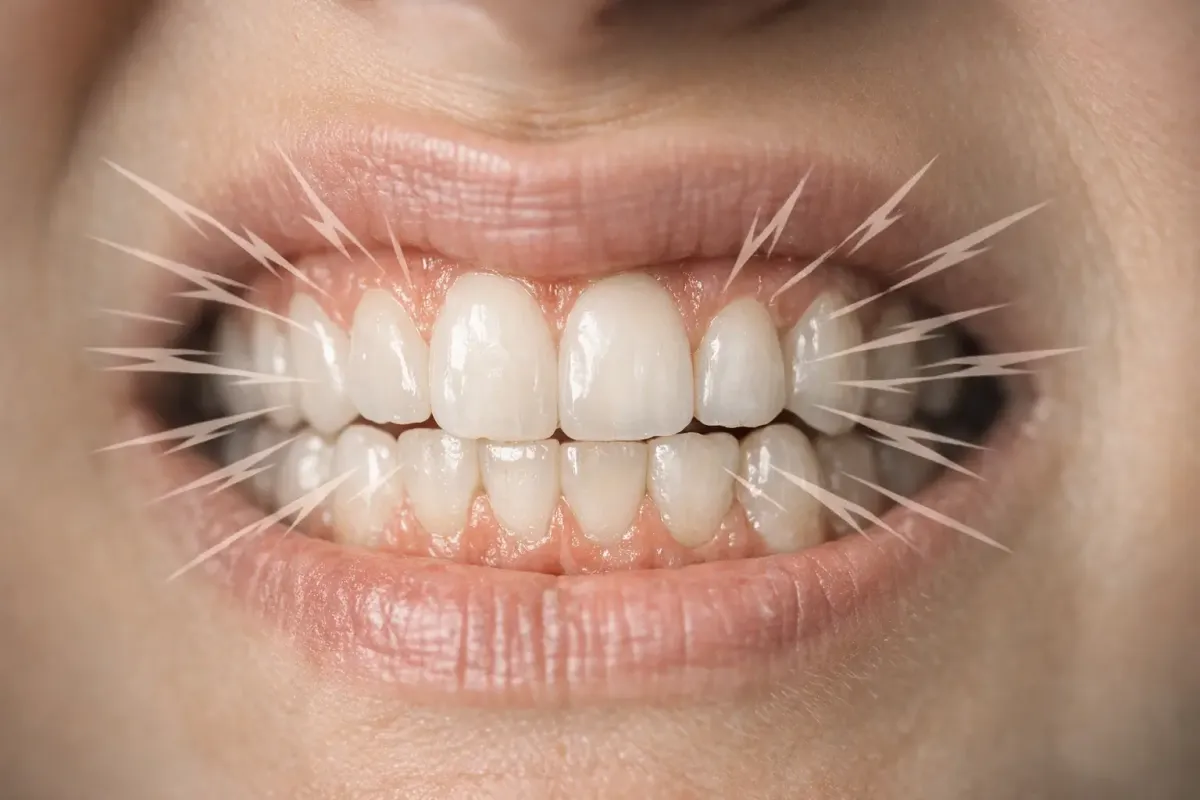
Bruxism, the unconscious grinding or clenching of teeth, is more than just an annoyance. It can lead to chipped enamel, headaches, and even jaw joint disorders. Fortunately, there are numerous treatments available. From traditional night guards to innovative injectables and herbal remedies, you have options to explore. Learn more about choosing the right bruxism treatment for your needs.
This article delves into the latest research on bruxism treatments. We will help you make an informed choice on what might fit your needs, whether it's a night guard beside your bed or a different approach altogether. Your teeth deserve attention, and we're here to guide you through the options.
Understanding Bruxism: Causes and Symptoms
Bruxism refers to repetitive jaw muscle activities like clenching or grinding. It occurs during waking hours (awake bruxism) or sleep (sleep bruxism). According to a systematic review by Minervini et al., sleep bruxism affects up to 30% of children and can persist into adulthood. The causes are complex, involving stress, misaligned bites, caffeine, certain medications, and genetics. Discover unexpected causes in our article on why you might be clenching your teeth at night.
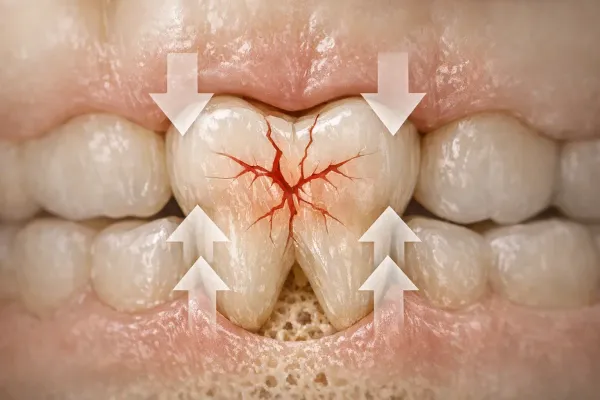
When you grind your teeth, you exert up to 250 pounds per square inch, pressure that your enamel wasn't designed to handle. Common symptoms include:
- Morning jaw or temple pain
- Flattened or chipped teeth
- Tooth sensitivity to cold
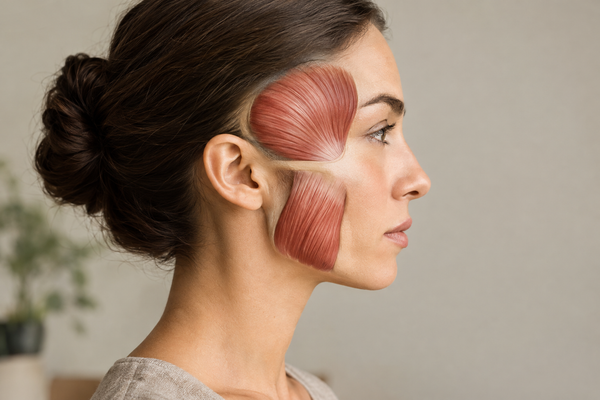
- Tense jaw muscles under the cheekbones
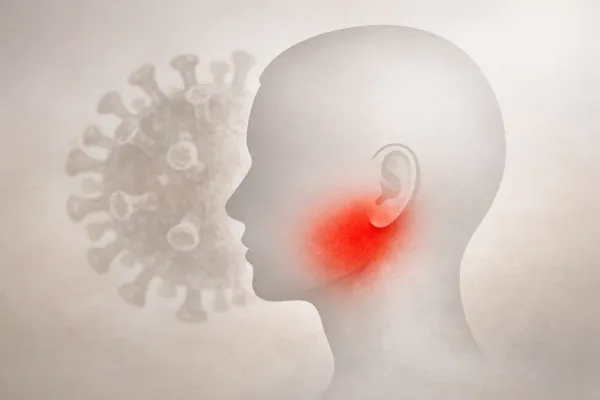
- Clicks or pops in the temporomandibular joint (TMJ)
- Earaches unrelated to infections
- Interrupted sleep for you or your partner
Ignoring these signs can lead to severe issues like TMJ disorders, which Mayo Clinic warns can make chewing painful and limit mouth opening. Early treatment prevents small problems from becoming major dental procedures.
Bruxism Mouth Guards: Your First Line of Defense
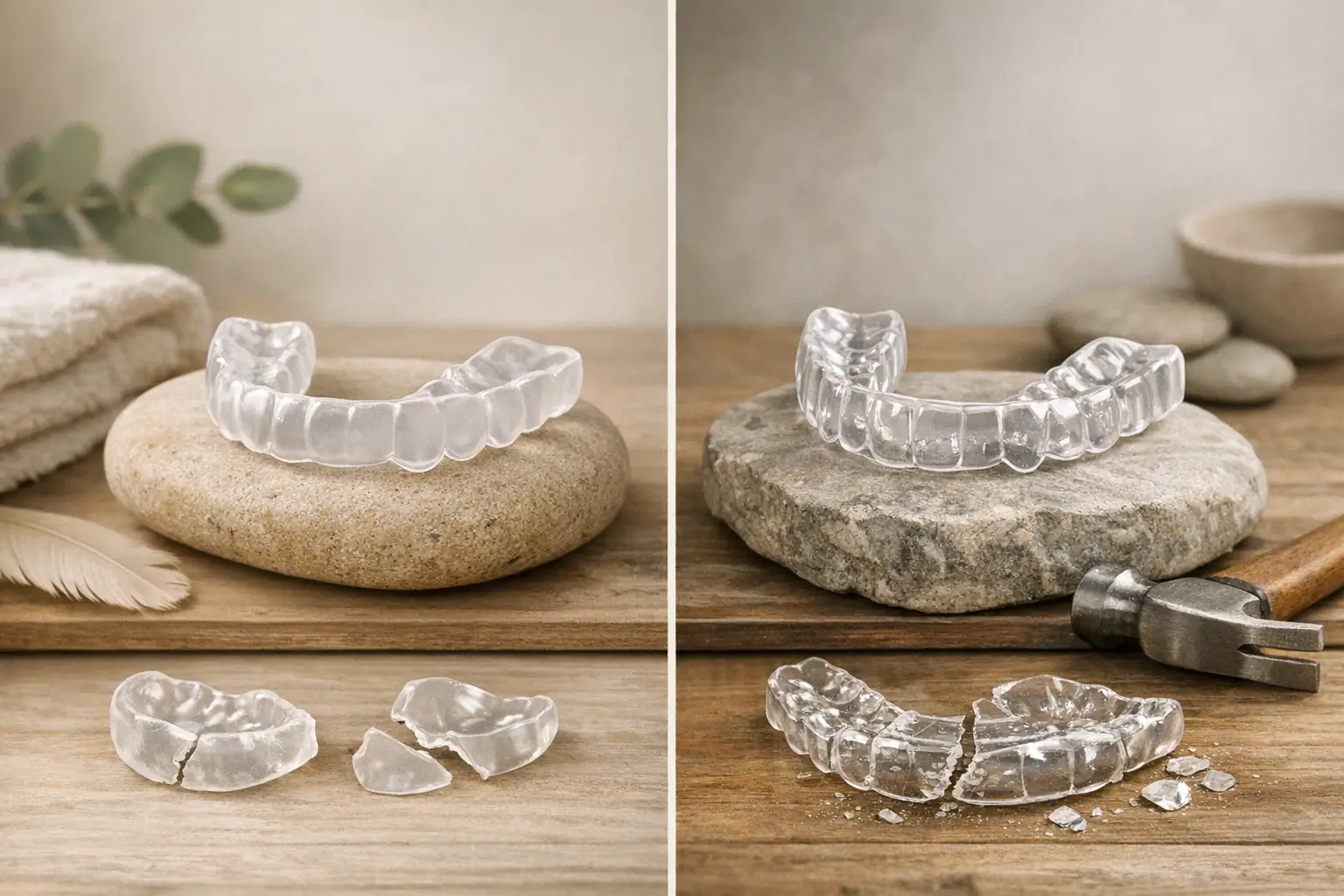
Night guards, or occlusal splints, are popular among dental professionals. These plastic shields protect your teeth by creating a barrier and redistributing bite forces. A systematic review by Sultan et al. confirmed that well-fitted splints reduce grinding sounds and muscle activity. There are various types:
- Soft boil-and-bite guards from pharmacies
- Hard acrylic guards custom-made by dentists
- Differential thickness guards for molar protection
- Mandibular advancement devices often used for sleep apnea
Each type offers different levels of comfort and durability. Soft guards are economical but wear out quickly for heavy grinders. Hard acrylic guards are more durable but cost more upfront. Learn more about choosing the right bruxism mouth guard for your needs.
Effectiveness of Different Types of Mouth Guards
The Sultan review compared various guard designs. Hard full-coverage stabilization splints were the most effective, reducing muscle activity by 40% over three months. Partial-coverage guards helped but could shift teeth if used long-term. Bite-raising appliances relieved pain faster but didn't always reduce grinding frequency.
Material stiffness also plays a role. Stiff splints distribute forces better, reducing micro-cracks, but some find them uncomfortable. The key is consistent use. A guard won't help if you don't wear it.
For most, starting with a guard is a good first step. It's non-invasive, reversible, and supported by extensive data. But what if you need more than plastic, or want something quicker? Explore innovative mouth guard designs for more options.
Botulinum Toxin Type A: A Modern Solution
Botox, or Botulinum toxin type A, is not just for cosmetic use. It works by blocking acetylcholine release, temporarily paralyzing jaw muscles and reducing grinding force. A systematic review by Yacoub et al. found Botox injections cut bruxism episodes by 60% over three months. Pain scores also improved, especially in those with TMJ disorders. Patients typically receive 25–50 units of toxin, with relief starting in a week and peaking at one month.
Benefits include:
- No need for nightly guard use
- Useful for daytime clenchers
- May reduce hypertrophic masseter muscles, offering a cosmetic benefit for some
Drawbacks include:
- High cost and need for repeat treatments every few months
- Potential chewing weakness
- Rare side effects like asymmetrical smiles
- Variable insurance coverage
Botox doesn't repair existing tooth damage and doesn't address stress-related triggers. However, for persistent grinders, it can be a game changer. Learn more about Botox for bruxism in our detailed guide.
Natural Bruxism Solutions: Can Herbal Remedies Help?
Herbal remedies like chamomile tea are popular but lack robust data. Some herbs may reduce anxiety, a common bruxism trigger. While large RCTs on herbs for bruxism are scarce, studies on muscle relaxation and sleep quality offer insights. A narrative review by Paliwal et al. highlighted botanicals like valerian, passionflower, and turmeric for their potential calming effects.
Consider these options:
- Valerian root: May improve sleep, potentially reducing bruxism episodes.
- Passionflower tea: Acts as a mild anxiolytic.
- Turmeric-ginger paste: Applied topically for anti-inflammatory relief.
- Magnesium glycinate: Supports muscle relaxation and is often grouped with "natural" remedies. Discover more about magnesium's role in managing bruxism.
Comparing Natural and Conventional Treatments
While no RCTs show herbs directly stopping enamel wear, they offer low-cost, low-risk options that target stress pathways. They are best used alongside conventional treatments like splints or Botox. Quality varies, so buy from reputable brands and consult your dentist to avoid masking more serious issues. Explore more natural bruxism solutions for a holistic approach.
Stress Management and Lifestyle Tweaks
Stress lights up the same neural circuits that command your jaw muscles. A rapid review by Matheson et al. 2023 ranked psychological factors on par with biomechanical ones for TMD and related bruxism. Two evidence backed tactics stand out:
Mindfulness and CBT
- Mindfulness body scan: Lying in bed, sweep your attention from toes to scalp and consciously unclamp the jaw. MRI data show eight weeks of practice lowers amygdala reactivity.
- 4-7-8 breathing: Inhale four counts, hold seven, exhale eight. Mayo Clinic sleep labs report measurable heart-rate drops within minutes.
- Cognitive behavioral micro-breaks: A CBT therapist helps you spot daytime clenching and swap in self talk like "Jaw is tight, quick stretch now." Six to twelve telehealth sessions are typical.
Caffeine Curfew and Other Daily Habits
- Caffeine cutoff: Shafiee and Nourizadeh’s 2025 review notes a nine hour half life in sensitive people. Move the last coffee to before lunch.
- Alcohol swap: Late night drinks fragment REM sleep and spike sympathetic surges. Trade cocktails for valerian or passionflower tea.
- Warm compress plus jaw glides: Cleveland Clinic therapists recommend ten minutes of moist heat before bed followed by gentle side-to-side movements.
- Blue-light hygiene: Screens after sunset delay melatonin and lengthen the light sleep stages where grinding peaks. Use filters or park the phone outside the bedroom.

Manual Therapy and Home Exercises: A Holistic Approach
Manual therapy, including massage and stretching, can relax overworked jaw muscles. A randomized clinical trial by Kadıoğlu et al. found that a combination of therapist-guided massage and patient-led exercises reduced jaw pain by 38% and improved sleep quality. Learn more about the benefits of self-massage for bruxism.
A typical protocol includes:
- Warm compress to increase blood flow
- Intraoral massage of the internal masseter
- External kneading along the jawline
- Active stretching: Open mouth wide, hold, and repeat
- Isometric exercises: Press tongue to the roof of the mouth while opening slowly
- Posture checks: Maintain correct head position to relieve jaw tension. Discover how posture affects jaw pain.
You can perform parts of this routine at home. Apps can guide stress-reducing breathing exercises. While the trial compared manual therapy to a control rather than night guards, the pain relief and sleep improvements were significant. The challenge is maintaining consistency. Explore more on jaw relaxation techniques to assist with your routine.
Biofeedback and Neuromodulation: High-Tech Alternatives
Contingent Electrical Stimulation (CES)
Gadgets like GrindCare use surface EMG sensors to detect masseter spikes and send a gentle pulse that cues your brain to relax. In an eight week trial by Sladeckova et al. 2025, CES trimmed nocturnal muscle activity by 67% and the benefit lingered two weeks after stopping.
- An adhesive patch on the temple calibrates to your EMG threshold the first night.
- Sub sensory pulses fire each time clenching tops that line.
- Data syncs to an app so you can graph progress.
Electrodes need replacing every few uses and people with pacemakers or epilepsy should skip this option. For tech lovers who want a switch they can flip, CES delivers.
Repetitive Transcranial Magnetic Stimulation (rTMS)
Low frequency rTMS aims magnetic pulses at the motor cortex face area. Lanza et al. 2023 reported up to 39% drops in jaw muscle activity in early pilot work. A typical session lasts twenty minutes, feels like rhythmic scalp tapping, and can hold effects for weeks. Access is mostly in academic centers and insurance rarely pays, but if you already undergo rTMS for depression, ask whether a bruxism add-on protocol is available.
Both CES and rTMS pair well with night guards or mindfulness, offering a layered defense when single tactics fall short.
Pros and Cons of Bruxism Treatments
The variety of options can be overwhelming. Here's a summary:
- Night guards
Pros: Noninvasive, protective, custom-fit, well-supported by evidence.
Cons: Costly for custom guards, possible drooling, requires nightly use, may not relieve muscle pain. - Botulinum toxin type A
Pros: Quickly reduces muscle strength and pain, benefits daytime clenchers, potential cosmetic perks.
Cons: Expensive and requires repeated injections, temporary chewing weakness, uncertain insurance coverage. - Natural remedies
Pros: Affordable, low risk, targets stress, can complement other treatments.
Cons: Limited data, inconsistent product quality, slower effects, doesn't directly protect enamel. - Manual therapy & home exercise
Pros: Alleviates muscle tension and stress, improves posture, enhances sleep quality.
Cons: Time-consuming, effectiveness depends on technique and consistency, may not protect teeth during severe episodes.
Considerations for Choosing a Treatment
Consider the following:
- Severity: Severe wear may require a combination of treatments.
- Budget: Weigh the cost-effectiveness of each option.
- Lifestyle: Choose what fits your routine and preferences.
- Medical history: Some treatments may not be suitable for everyone.
- Compliance: Be realistic about what you will consistently use.
Many people find a hybrid approach works best. Customize your treatment plan in consultation with your dentist or specialist.
Conclusion
Bruxism is a complex condition influenced by stress, anatomy, and lifestyle. You don't have to endure damaged teeth. A well-fitted night guard remains the go-to solution, supported by extensive evidence. If that doesn't suffice, botulinum toxin type A offers an advanced alternative. Prefer to avoid injections? Herbal remedies and jaw exercises can help reduce tension and are cost-effective.
The best strategy is personalized. Combine protective measures with therapies you can maintain, whether that's yoga-inspired exercises or periodic Botox treatments. Regular check-ins with your dentist or orofacial pain specialist, monitoring symptoms, and adjusting your plan as needed will keep your teeth healthy and your mornings pain-free.