Understanding the Surprising Link Between Posture and Jaw Pain
Explore how poor posture worsens jaw pain and get tips for relief.
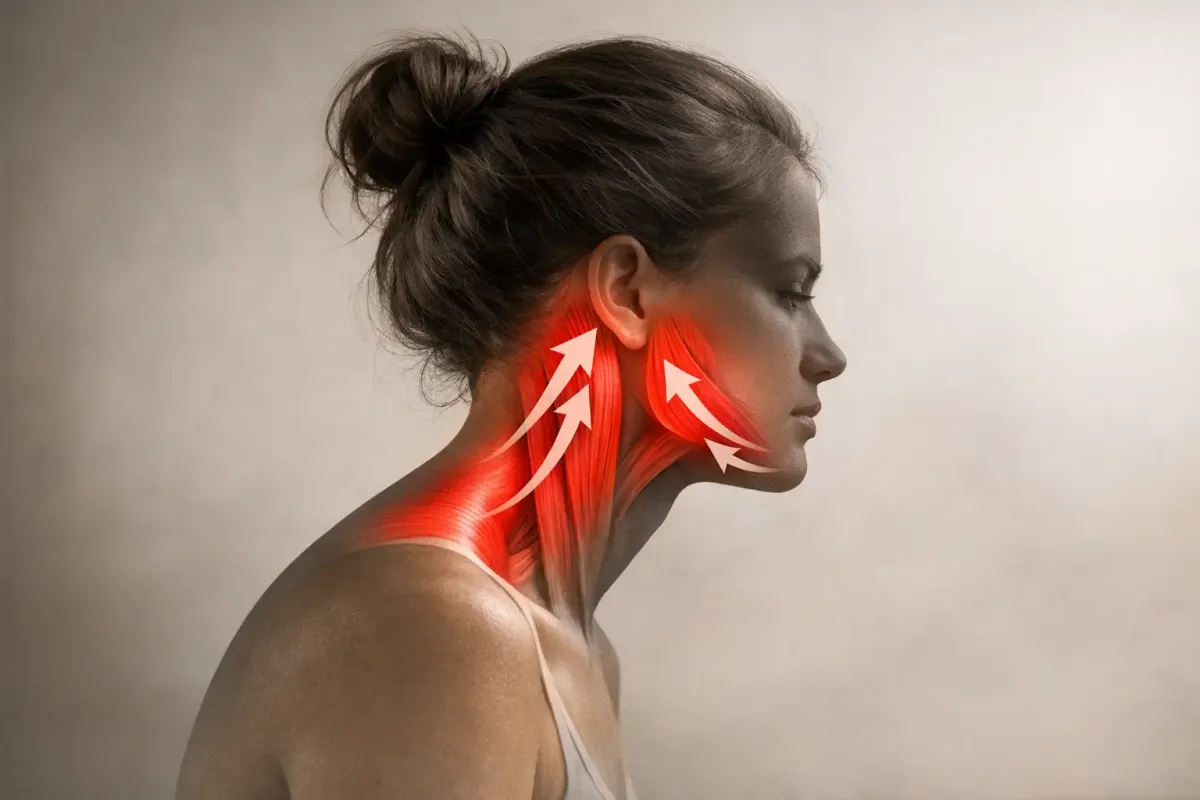
You probably don’t think about your posture until your neck or back starts giving you grief. Yet, the way you hold your shoulders and head also affects your jaw's movement and comfort. A growing body of research suggests slouching can increase facial muscle tension and even trigger jaw pain during work, texting, or sleep. In this article, you’ll learn how posture can aggravate jaw pain, what science says about temporomandibular disorders (TMD), and practical tips for relief.
Skeptical? Good. Let’s explore the evidence, break down the jargon, and offer some cheeky advice you can apply today.
The Science Behind Posture and Jaw Pain
How Posture Affects Jaw Alignment
Think of your head as a bowling ball balanced on a flexible tower of vertebrae. When that ball drifts forward, the muscles at the back of your neck work overtime to keep it from falling. These muscles are connected—by fascia and shared nerve pathways—to the muscles that close your jaw. A forward-head posture can therefore tug on the jaw and misalign it.
An early clue came from a 2026 study by Ptak and Stefańska that measured jaw-sucking movements (a lab stand-in for clenching) and found they increased tension in neck and shoulder muscles. The study showed that as jaw activity increased, so did postural muscle activity, suggesting a connection between the two regions.
More recently, a 2025 literature review by Pastorello and colleagues linked orthodontic bite abnormalities with spinal deformities. In simpler terms, spine shape and jaw mechanics often go hand in hand. When the spine curves, the jaw often follows.
The Role of Muscle Tension
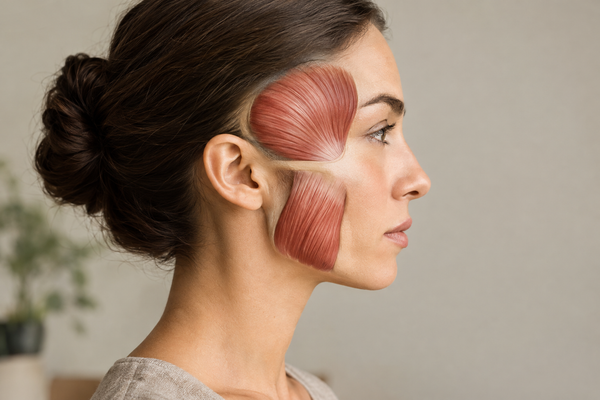
Poor posture shortens and tightens some muscles while overstretching others. Picture sitting hunched over a laptop: your chest muscles tighten, your upper back muscles lengthen, and your masseter—the main chewing muscle—often clenches to stabilize the head. In biomechanical terms, the jaw becomes a compensatory support for the head’s new center of gravity.
Chronic tension can squeeze blood vessels, reducing oxygen supply and leading to a buildup of metabolic waste, a recipe for pain. This pain often presents as headaches at the temples or soreness in front of the ears, signs of jaw-related muscle fatigue. For more on how stress can contribute to jaw tension, explore Understanding Jaw Tension: Is It Stress or Something More?
Neuroscience provides another angle. Sensory nerves from the jaw and upper neck share a relay station called the trigeminocervical nucleus. When neck muscles are constantly active, they can sensitize this hub, making the jaw more reactive to stress. This results in feeling pain faster and longer.
In short, posture is more than a cosmetic issue. It changes muscle length, nerve sensitivity, and joint alignment in ways that can trigger jaw discomfort.
Understanding Temporomandibular Disorders (TMD) and Posture
Symptoms and Causes of TMD
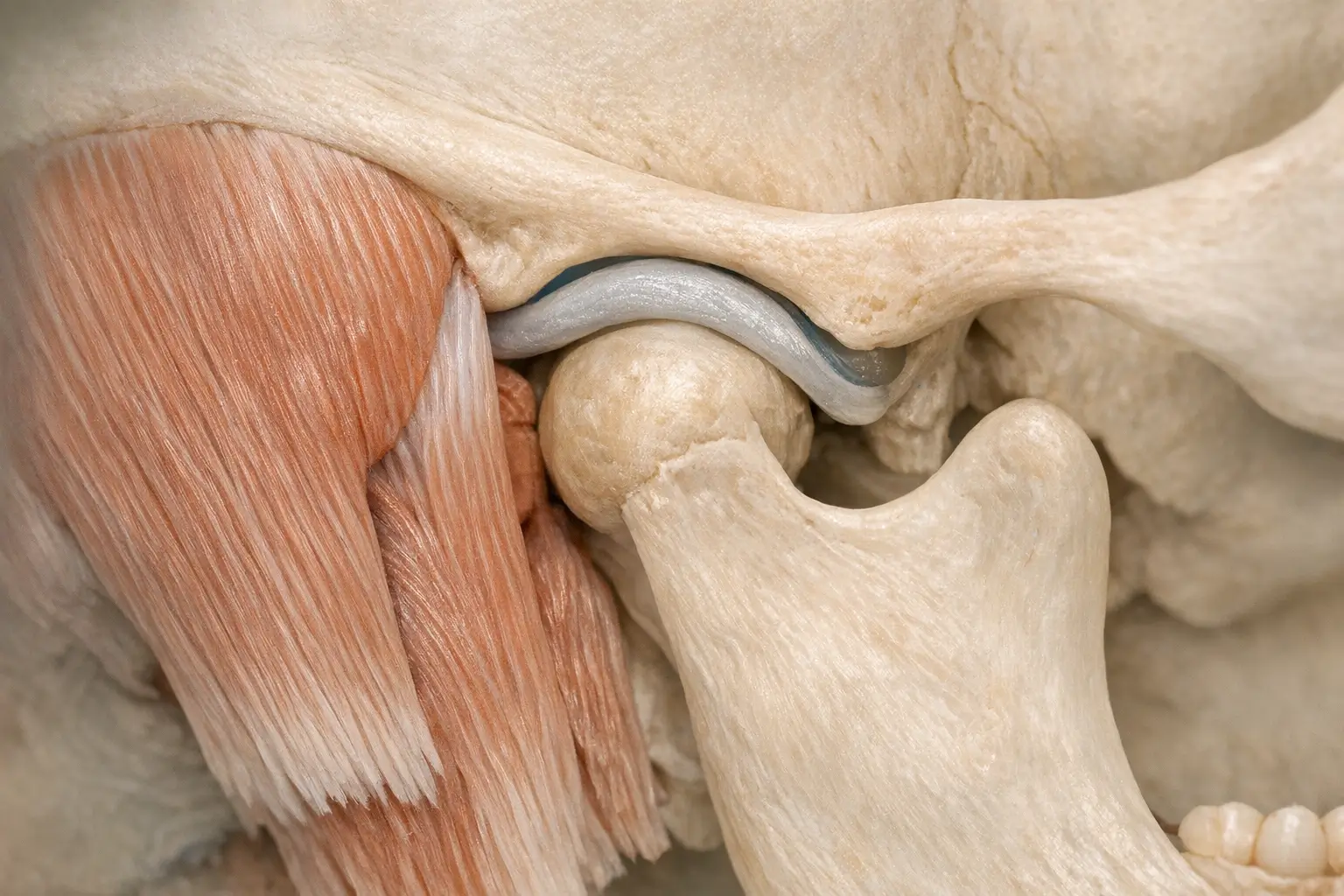
TMD is a term for problems affecting the temporomandibular joint (TMJ), the sliding hinge that lets you talk, chew, and yawn. Common symptoms include:
- Pain or tenderness around the jaw joint
- Clicking, popping, or grinding noises when opening the mouth
- Limited or uneven jaw movement
- Earaches, headaches, or facial fatigue
According to the National Institute of Dental and Craniofacial Research, TMD can stem from arthritis, injury, grinding, or muscle disorders. Increasingly, posture is listed as a silent accomplice. To dive deeper into effective solutions for TMJ pain, check out Understanding Jaw Pain Relief: What Works and What Doesn't for TMJ.
Posture's Role in TMD
A healthy TMJ functions best when the head sits directly over the spine and the teeth meet in a relaxed position. Slouching drags the mandible (lower jaw) backward and downward, altering how the joint surfaces contact each other. Over time, this can inflame the joint capsule or strain the ligaments.
A systematic review by Scrase, Forbes, and Lindop published in 2025 found that therapeutic exercises targeting posture noticeably improved activity levels and quality of life in people with TMD. This suggests posture is not only linked with pain but can also be a tool to treat it.
Another angle comes from a 2025 review by Nishath examining smartphone use and TMD. The paper highlighted that sustained flexed-neck positions (also known as text neck) increased reports of jaw pain and dysfunction, again tying posture to jaw health. If you're experiencing jaw pain, you might find Is Your Jaw Pain a Sign of Bruxism? Key Indicators to Watch For helpful.
In your daily life, you may notice that your jaw feels worse after a long Zoom meeting or a movie marathon on the couch. That’s posture at play. If you already have TMD, poor alignment can amplify existing inflammation. If you don’t, chronic slouching can push you closer to the edge.
Connection Between Technology Use and Posture-Related Jaw Pain
Impact of Smartphone Use
The average adult bends the neck forward 45 to 60 degrees while texting. At 60 degrees, your head exerts about 60 pounds of force on the cervical spine—roughly the weight of a loaded suitcase. That load also increases jaw muscle activity as your body fights gravity.
The systematic review by Nishath (2025) pooled data from multiple observational studies and found a consistent link between heavy smartphone use and TMD symptoms. People clocking more than four hours of daily screen time reported higher jaw pain scores and more frequent clicking sounds. The study didn’t prove cause and effect, but it makes a strong circumstantial case.
Why would scrolling Instagram irritate your TMJ? Because the forward head angle shortens the suboccipital muscles under the skull and forces the mandible into a pulled-back position. Your teeth may not touch, but the supporting muscles brace constantly, much like cables holding up a drawbridge.
Posture Tips for Tech Users
You don’t need to toss your phone into the sea. Instead, try these posture-friendly tweaks:
- Hold the phone at eye level. Your arms will tire at first, but your neck will thank you.
- Use voice-to-text or a stylus to reduce typing time.
- Set a 20-minute timer. When it dings, roll your shoulders back, tuck your chin lightly, and take a deep breath.
- Install posture-reminder apps that use the camera to alert you when your head drifts too far forward.
- If you binge shows on a tablet, prop it on a stand instead of cradling it in your lap.
Small tweaks add up. If you can shave even ten degrees off your neck angle, the load on your spine and jaw drops significantly. For those dealing with nighttime teeth clenching, consider How to Prevent Nighttime Teeth Clenching: Tips and Tricks.
Exercise and Therapies for Improving Posture and Jaw Pain
Posture Exercises
Exercise isn’t just about six-pack abs. Targeted moves can retrain the muscles that hold your head and shoulders, easing stress on the jaw. In a randomized controlled trial, Karabicak and colleagues (2025) compared three groups of probable sleep bruxism patients: jaw exercises only, combined jaw and posture exercises, and a group using occlusal splints (mouth guards). The combined exercise group outperformed the others in reducing pain and increasing jaw opening range.
Below are science-backed drills you can do at home:
- Chin tucks: Stand tall, gaze forward. Gently draw your chin backward, as if making a double chin. Hold for five seconds, repeat ten times.
- Wall angels: Lean your back, head, and arms against a wall. Slide arms up and down in a snow-angel motion. Keep ribs tucked. Repeat 15 times.
- Thoracic extension: Sit on a chair, clasp hands behind your head. Arch mid-back over the chair top while keeping lower back neutral. Perform 10 slow reps.
- Scapular squeezes: Pull shoulder blades together without shrugging. Hold for five seconds, repeat 15 times.
Jaw Exercises
Now let’s zoom in on the jaw itself. According to the Mayo Clinic, gentle mobility drills can loosen tight connective tissue and improve joint lubrication. Pairing these with the posture work above maximizes benefits.
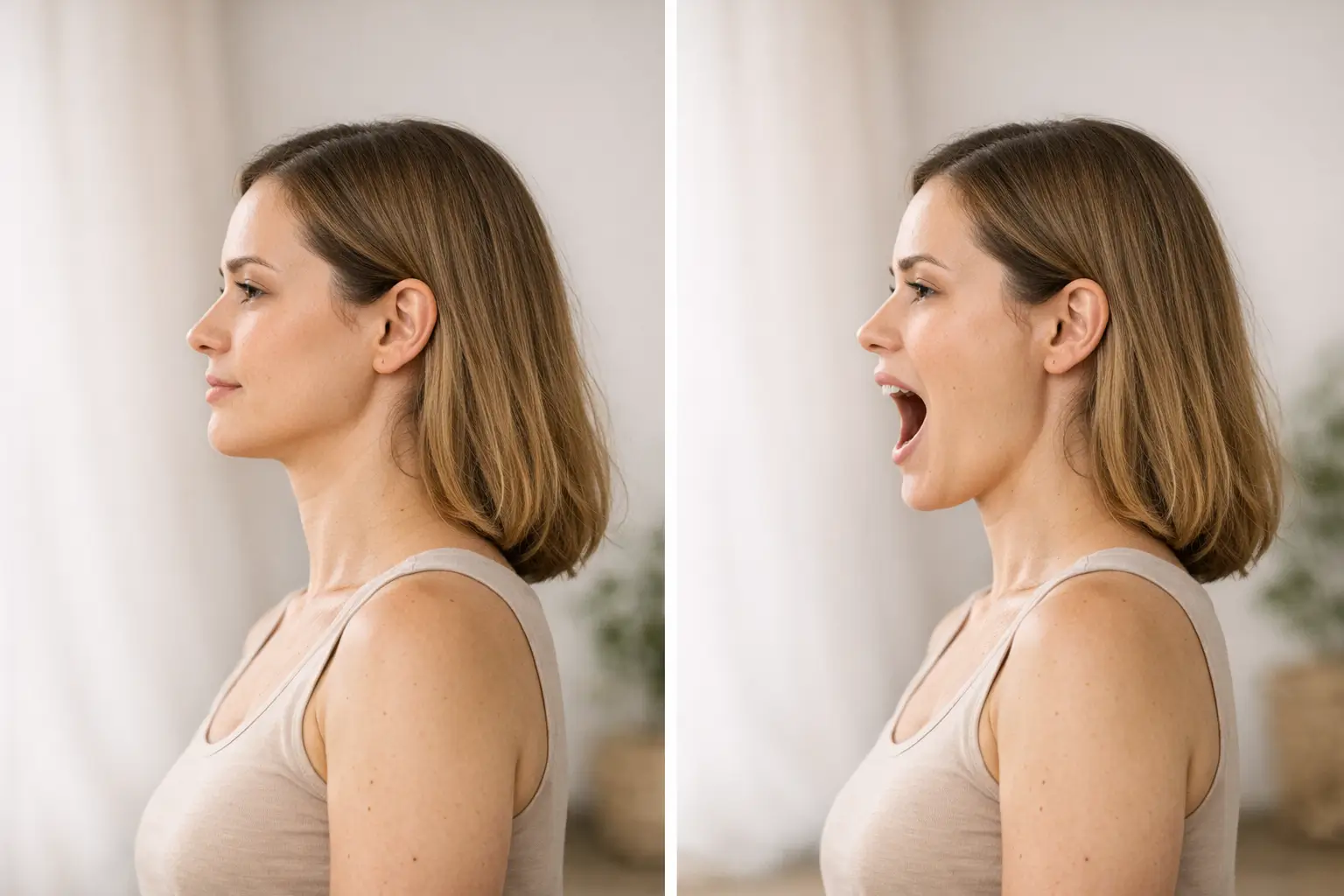
- Controlled opening: Place the tip of your tongue on the roof of your mouth just behind the front teeth. Slowly open and close the jaw without letting the tongue slip. Ten reps.
- Lateral glides: With mouth slightly open, move lower jaw left and right in a straight line. Use a mirror to avoid diagonal motion. Eight reps each side.
- Resisted closing: Place your thumb under the chin. Close the mouth slowly while providing gentle upward resistance with the thumb. Five slow reps.
The systematic review by Scrase et al. (2025) noted that participants who committed to an exercise plan for at least six weeks reported better pain scores and life participation. Consistency is key. Combine 15 minutes of posture drills with 10 minutes of jaw work daily, and your tissues will start to remodel in weeks. For athletes, Athlete's Guide to Jaw Pain Relief: Managing TMJ for Peak Performance offers additional insights.
Mouth guards still have a role, especially for night-time grinders, but evidence suggests exercise offers equal or greater relief without hardware in your mouth. Plus, better posture means fewer achy muscles elsewhere.
Lifestyle Changes to Support Better Posture
Ergonomic Adjustments
Your environment shapes your posture. If your desk forces you to crane forward or tilt your head, no exercise routine will fully cancel the damage. Start with these upgrades:
- Monitor height: The top third of the screen should be at eye level. Use risers or a stack of books if needed.
- Chair support: An adjustable chair with a lumbar cushion keeps the spine’s natural curve. Hips should sit slightly higher than knees.
- Keyboard placement: Forearms parallel to the floor, elbows by your sides. A negative-tilt keyboard tray can help.
- Foot position: Feet flat on the ground or on a footrest to reduce slouching.
A review of orthodontic and spinal links by Pastorello et al. (2025) concluded that an aligned spinal column decreases strain on craniofacial structures. Translation: tweak your workstation and your jaw may relax too.
Healthy Habits
Even the best chair won’t save you if you never leave it. Build these habits into your day:
- Set a movement timer every 45 minutes. Stand, stretch, or walk for two minutes.
- Use a water bottle that needs frequent refills. The trips to the kitchen double as posture resets.
- At red lights or TV commercials, perform a quick chin tuck and shoulder roll.
- Sleep on your side with a pillow that keeps your head level. Over-stuffed pillows push the head forward, stressing the jaw overnight. For more on how sleep affects jaw pain, read Jaw Pain After Sleeping: How Sleep Positions Impact Bruxism.
- Mind your bag. A heavy shoulder bag drags one side down, tilting the jaw. Opt for a backpack or lighten the load.
According to MedlinePlus, regular posture checks reduce musculoskeletal complaints across the board. Less stiffness means fewer subconsciously clenched jaws.
Conclusion: Key Takeaways for Managing Jaw Pain through Better Posture
Your jaw isn’t an isolated hinge. It teams up with your neck, shoulders, and spine to keep your head balanced. Slumped posture forces jaw muscles to overwork, leading to inflammation and pain. Research from Ptak and Stefańska, Nishath, and others shows that correcting posture can ease TMD symptoms and may even outperform mouth guards in some cases.
Here’s your action plan:
- Lift screens to eye level and take micro-breaks.
- Practice chin tucks, wall angels, and jaw mobility drills daily.
- Upgrade your workstation and watch bag weight.
- Stick with the program for at least six weeks to let tissues adapt.
Good posture may not win you an award, but it can save you from a world of jaw pain and sleepless nights. Start straightening up today, and give your TMJ the break it deserves.