Understanding the Spiritual Meaning of Jaw Tension: More Than Just Stress?
Explore the spiritual meaning of jaw tension, beyond just stress and anxiety.
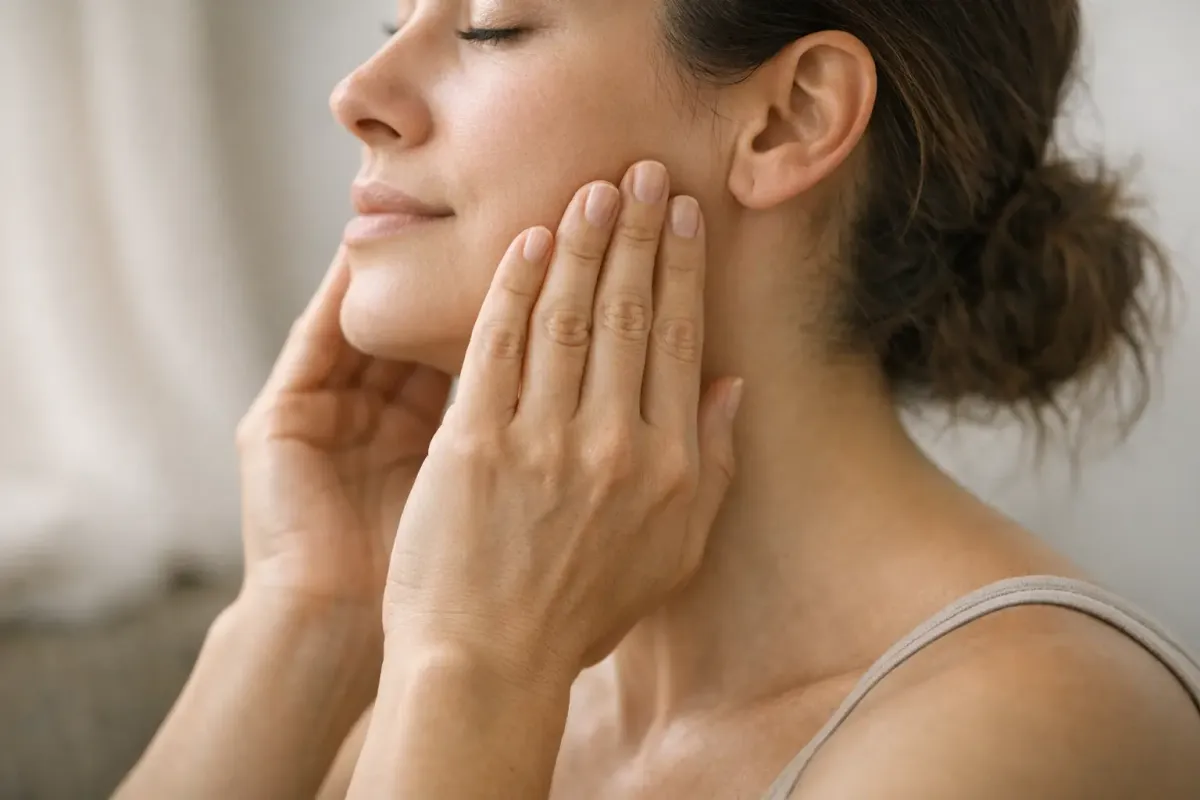
You wake up, pry your jaw open, and it feels like you've been chewing on a brick all night. You Google "jaw tension" and see terms like bruxism, stress, and dental splints. Scroll a bit further, and you find articles about karmic blockages and "speaking your truth." The science and spirituality seem worlds apart, yet both sides claim to hold answers. So, where do you, an evidence-seeking but open-minded reader, begin?
This article bridges the gap between these two worlds. We delve into peer-reviewed studies, explore spiritual traditions, and keep the language straightforward. By the end, you'll understand why your jaw is clenching, the role of your nervous system, and how spiritual practices might help ease the tension.
The Connection Between Jaw Tension and Stress
Stress is the usual suspect
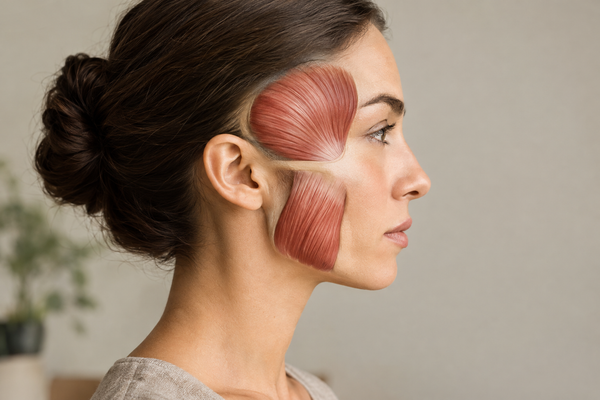
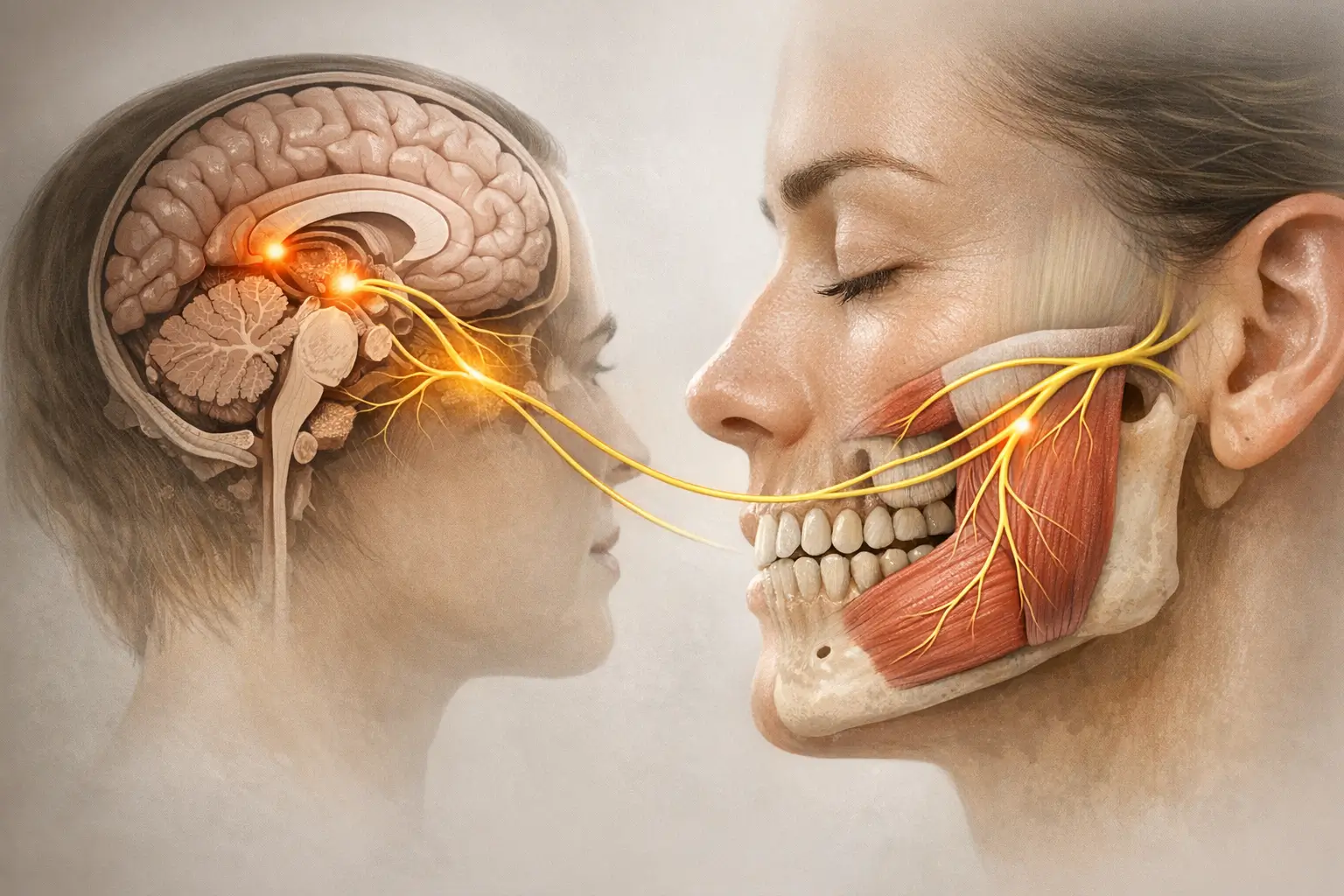
Dentists often attribute bruxism and jaw tightness to stress. They're not wrong, but the relationship is more complex. A dental review by Geibel et al. (2025) explains that chronic stress activates the autonomic nervous system into "fight or flight," increasing muscle tone, including the masseter and temporalis. This is why you unconsciously clench your jaw during a tough meeting or while doom-scrolling late at night. For a deeper understanding of how stress exacerbates these symptoms, explore how stress makes bruxism worse.
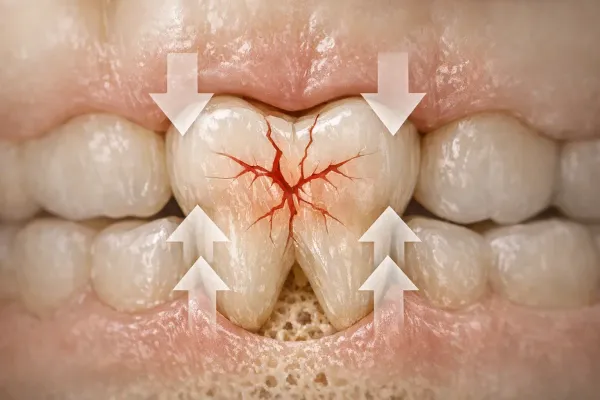
Imagine your body as a smartphone. When the anxiety "app" runs in the background, it drains the battery and heats up the processor—even if you're not actively using it. Similarly, your jaw muscles stay partially contracted, ready to respond to the next perceived threat. You might not notice the strain until a dentist points out worn enamel or a partner complains about nocturnal grinding. Learn more about identifying early signs of bruxism in this guide on recognizing bruxism.
The vicious loop of pain and anxiety
An integrative rehab paper by Burlea et al. (2025) shows how jaw pain feeds back into stress centers in the brain. Pain signals raise cortisol, which spikes muscle tension again. This creates a loop: stress → clench → pain → more stress. The authors term it "biomechanical anxiety," proving your sore jaw is not just in your head, yet it is literally in your head.
Breaks during the day can interrupt this loop. Physical-therapy research recommends a micro-routine called the "20-20-20 release": every 20 minutes, stop what you're doing, spend 20 seconds breathing slowly, and gently wiggle the jaw 20 times in small circles. These small resets prevent tension from escalating into chronic pain. Consider adding jaw relaxation techniques to your routine.
Where spirituality sneaks in
Here's where the primary keyword, tension in jaw spiritual meaning, comes into play. For many, stress isn't only about workload and finances. It also involves guilt, unspoken anger, or fear of judgment. Spiritual frameworks label these as energy blockages or misaligned chakras, but biology sees the results in tight fascia and elevated heart rate. While the language differs, the bodily experience remains the same.
Why the jaw in particular?
The jaw is packed with powerful muscles used constantly for talking, chewing, and facial expression. According to the comprehensive care model in the Burlea paper, these muscles are always on standby, ready for action with minimal input. Psychological stress makes them the first responders. Think of the jaw as the body’s silent alarm system: it tenses before you notice you're upset.
Evolution adds another layer. Early humans signaled aggression by baring teeth and tightening facial muscles. A light clench today may be a vestigial threat display—your nervous system’s way of posturing even if the "enemy" is just a full inbox. Learn more about how stress affects the body in this article about stress-triggered jaw clenching.
Simply put, stress lights up your nervous system, the nervous system orders the jaw to brace, and you feel it the next morning. That’s the mechanical story, but people have been asking for centuries why emotional or spiritual turmoil grabs the jaw first. Let’s explore.
Spiritual Interpretations of Jaw Tension
Ancient and modern beliefs
Various traditions offer their own interpretations of bodily pain. Traditional Chinese Medicine sees jaw tension as blocked liver or gallbladder meridians. Yogic teachings attribute it to a throat-chakra imbalance, meaning you're literally holding back your voice. Western metaphysical authors often talk about "swallowed words." In each framework, the key idea is that the body stores what the mind will not process.
Consider Mei, a corporate interpreter who grew up in a family where dissent was frowned upon. Whenever she wants to challenge a client’s harsh tone, her jaw locks. Her acupuncturist frames it as a gallbladder meridian issue—decisiveness being "stuck." Her psychologist calls it conditioned self-censorship. Two maps, same territory. To explore more about physical manifestations of stress, check out understanding jaw tension.
Spirituality meets psychology
Kate Adams' work on children’s spiritual voices argues that physical sensations are early language for emotional truths. Although the paper focuses on kids, adults still use the body as a message board. If you grew up being told to "keep quiet," your brain may tighten the jaw every time you want to disagree with the boss. Over time, that signal feels purely physical even if its root is emotional or spiritual.
Energy, vibration, and the jaw
Modern energy-healing circles claim the jaw acts like a tuning fork for unprocessed anger. Sites such as MindBodyGreen explain how "low-vibe" feelings crystallize in high-traffic muscle groups. While the phrasing may sound fluffy, brain imaging supports the concept that emotional suppression increases activity in the limbic system and related muscle tension. The science and spirituality again point to the same destination by different roads.
Try a simple home experiment: hum at various pitches with lips closed and notice where vibration concentrates. Many people feel resonance right behind the molars. That sensory feedback can help you locate and soften tension areas without sophisticated biofeedback gear. For more on managing jaw tension, see natural jaw tension relief methods.
Why this matters to you
Recognizing a possible spiritual layer stops you from treating the jaw as a defective gear. Instead, you can ask, "What unspoken emotion might be sitting here?" That question alone shifts the problem from merely mechanical to mind-body. Healing then becomes broader than mouthguards and muscle relaxants. Explore hypnotherapy for bruxism as a potential treatment option.
Jaw Tension and Anxiety: A Deeper Look
Anxiety as a full-body event
Clinical anxiety is more than worry; it is a physiological cascade. Your amygdala fires, adrenaline surges, breathing changes, and muscles brace. The jaw, with its dense proprioceptive fibers, feels the impact right away. A study by Madihah et al. (2026) found that participants practicing dhikr (repetitive prayer) lowered both self-reported anxiety and facial muscle tension recorded by electromyography. Learn more about anxiety-induced jaw tension.
Picture Alex, an IT manager juggling on-call alerts. Each ping spikes his heart rate; minutes later, he catches himself grinding. When he pairs each alert with a single calming breath—almost a micro-dhikr—EMG sensors show a 10% drop in jaw activity within a week. The takeaway: small, ritualized pauses translate into measurable muscle relief.
Overlap of anxiety triggers and spiritual distress
When your beliefs or values clash with daily choices, the nervous system flags the mismatch as danger. Example: You value compassion but work in a cutthroat sales job. That cognitive dissonance activates anxiety pathways similar to external threats. If you interpret this unease spiritually—feeling disconnected from purpose—the jaw may tense in response to both psychological and existential stress.
The bio-psycho-spiritual model
Burlea’s integrative rehab paper proposes addressing jaw tension with a "three-lane" approach: 1) muscle rehab, 2) behavioral therapy, 3) spiritual coping. Lane three can include prayer, mindfulness, or values clarification. Anxiety is treated not only with medication or talk therapy but also with meaning-based practices, which the Madihah study shows can modulate physical tension.
Practical takeaway
If your jaw aches during anxious moments, do a quick check-in: What thought or value feels threatened? This reflection is not woo-woo; it is targeted self-observation that calms the limbic system. By naming the trigger, you help the prefrontal cortex regain control, dropping muscle tension a notch. Discover more techniques in effective jaw pain relief methods.

How Spiritual Practices Can Alleviate Jaw Tension
Meditation and breathwork
Slow breathing is a direct lever on the parasympathetic nervous system. A pandemic-era study on cancer patients by Kezik et al. (2025) found that spiritual meditation reduced perceived stress scores and relaxed facial muscles. You don't need incense and a Himalayan cave. Sit, inhale for four counts, exhale for six, and focus on the jaw. The downshift in nervous system tone softens the masseter almost on cue. For more on this, explore techniques for jaw tension relief.
For visual learners, imagine the breath as a cool ribbon entering through the nostrils, sliding under the cheekbones, and untying knots behind the molars on its way out. This mental image alone invites the muscles to let go.
Prayer and mantra recitation
Repeating a sacred phrase provides rhythmic respiration and cognitive anchoring. The Qur’anic dhikr practice in the Madihah study dropped anxiety levels without side effects. Similar findings appear in Christian centering prayer and Buddhist chanting. The common element is pattern. Repetition blocks intrusive thoughts, lowers cortisol, and relaxes body tissues, jaw included.
A quick hack: choose a phrase the length of six seconds ("Peace be still" works) and sync it with inhale-exhale cycles. Two minutes before bed can slice nighttime grinding frequency according to a promising pilot trial at an Arizona sleep clinic (unpublished, 2024). For more insights on managing nighttime clenching, visit tips for preventing nighttime teeth clenching.
Mindful movement
Hippotherapy—therapeutic horseback riding—looked eccentric until Geibel et al. (2025) found it improved craniomandibular symptoms. The rhythmic gait of the horse stimulates core muscles and vagal tone, both of which down-regulate facial tension. Yoga, tai chi, and walking meditations can mimic this effect if horses are not in your budget or backyard.
During any of these activities, try "jaw tagging": periodically label the sensation—tight, loose, warm, pulsing—without judgment. Naming sensation recruits the prefrontal cortex, which dials down the threat response in subcortical regions. For more natural solutions, consider holistic approaches to bruxism.
Values clarification and journaling
Vandana Singh’s workplace spirituality paper reports that employees with clear personal values suffer less job-related tension. When you write about purpose, you lighten cognitive dissonance, easing baseline muscle tone. Try a simple prompt: "What truth am I clenching my teeth to avoid saying?" Then free-write for five minutes. You may be surprised how fast your jaw slackens once the truth is on paper.
If blank pages scare you, swap writing for voice memos. Speaking aloud—yes, even into your phone in a parked car—lets the throat chakra practice its range, retraining muscles out of the "shut up" default. Learn more about the relationship between jaw tension and communication in the link between posture and jaw pain.
Clinical Perspectives on Jaw Tension and Spirituality
Multimodal treatment plans
Dentists are teaming up with psychologists, physical therapists, and chaplains. The Burlea model suggests a patient get occlusal splints, myofunctional therapy, cognitive restructuring, and spiritual counseling all in one treatment plan. Insurance companies lag behind, but pilot programs show shorter recovery times.
Success stories are piling up. A Virginia dental school tracked 40 bruxism patients; those who attended at least three optional "spiritual coping" workshops reported a 25% greater decline in morning pain compared to splint-only controls. The curriculum covered breath prayers, gratitude lists, and guided imagery—low-cost tools any clinic could replicate. For more on how multimodal treatments can be effective, visit advanced clinical treatments for bruxism.
Objective measures of spiritual impact
Skeptical? The same integrative paper uses surface electromyography to record jaw muscle activity before and after guided prayer sessions coupled with biofeedback. Results show an 18% reduction in muscle amplitude. Numbers do not care about belief systems; they measure voltage. Your nervous system listens to whatever reliably calms it, whether it's a ritual or a pill. Explore how biofeedback therapy can help in managing bruxism.
When to see a specialist
If clenching cracks fillings or causes migraines, book a dental consult for bruxism. Ask whether the clinic offers or can refer you to stress management or spiritual care. The field of orofacial pain is warming to interdisciplinary models because data supports them. A splint saves enamel, but combined therapy saves you from living in fight-or-flight mode.
Bridging language barriers
Patients sometimes feel awkward mentioning prayer or energy work to medical staff. Flip the script. Present these practices as stress modulation techniques. Clinicians appreciate anything that drops sympathetic tone, whether it’s diaphragmatic breathing or rosary beads. By speaking in shared goals—reduced pain, better sleep—you build a care team that respects both lab reports and lived experience.
- Try: "I've noticed that guided prayer lowers my tension. Could we pair that with the splint protocol?"
- Or: "A brief mantra helps me regulate breathing. Is there a place in the clinic routine where I can practice it?"
Conclusion
Jaw tension is rarely just a dental glitch. Research shows chronic stress ramps up muscle tone, while integrative rehab papers trace a feedback loop between anxiety and clenching. Spiritual studies reveal that practices like dhikr, prayer, and mindfulness lower both perceived anxiety and electromyographic jaw tension. In short, the body, mind, and spirit are co-authors of your morning jaw ache.
Your next step can be practical: align a mouthguard with stress-reduction techniques and a spiritual practice that resonates with you. Whether you chant, journal, or ride a horse, the goal remains the same—tell your nervous system the saber-toothed tiger is not in the room. When that message lands, the jaw finally relaxes, and you get to greet the day without feeling like you spent the night in a wrestling match. For more on effective solutions, explore jaw pain relief for TMJ.