Jaw Pain Relief: Home Remedies vs. Clinical Treatments
Explore effective jaw pain relief: home remedies vs. clinical treatments, backed by research.
You wake up with a jaw that feels like it bench-pressed a truck overnight. Chewing hurts, yawning clicks, and by mid-morning you're Googling "Is my jaw broken or is it just Tuesday?" Jaw pain is common and often linked to temporomandibular joint disorders (TMJ or TMD). The good news is that the science on soothing that ache is clearer than your post-lunch smoothie. This article explores effective jaw pain relief, comparing home remedies and clinical treatments, all backed by research.
Understanding Jaw Pain and Its Causes
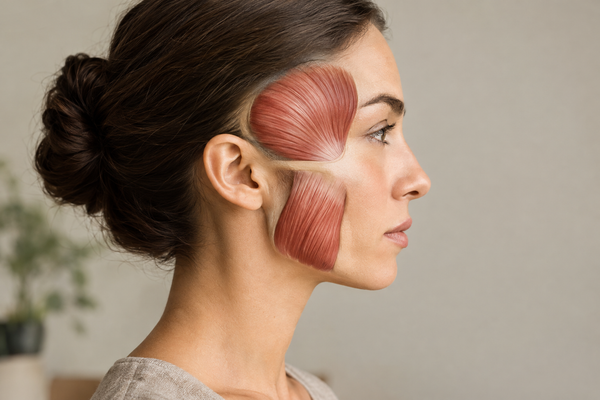
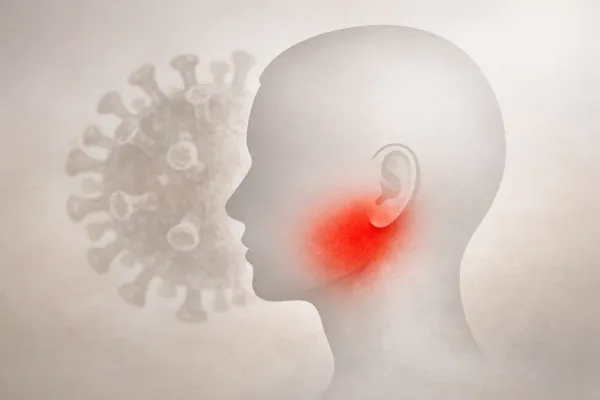
Jaw pain is an umbrella term that covers anything from mild morning tightness to grinding, popping, or outright locking of the temporomandibular joint. The TMJ sits just in front of each ear, acting like a sliding hinge that lets you talk, chew, and sing in the shower. When that hinge, or the muscles around it, get cranky, you feel it fast.
Think of the joint as a ball-and-socket that also glides. A small fibrocartilaginous disc cushions that motion. If the disc slips forward—common in people who clench—the ball no longer sits squarely in the socket and the notorious "click" is born. That click does not always equal pain, but it often foreshadows it. For more on how stress and anxiety exacerbate jaw pain, you can explore how stress contributes to one-sided jaw pain.
Common Symptoms of Jaw Pain
- Aching or tenderness in the jaw, face, or neck
- Clicking, popping, or grinding noises when opening or closing your mouth
- Limited range of motion or a "stuck" feeling
- Headaches that start near the temples
- Ear pain or a feeling of fullness in the ear despite a clean bill of health from your ENT
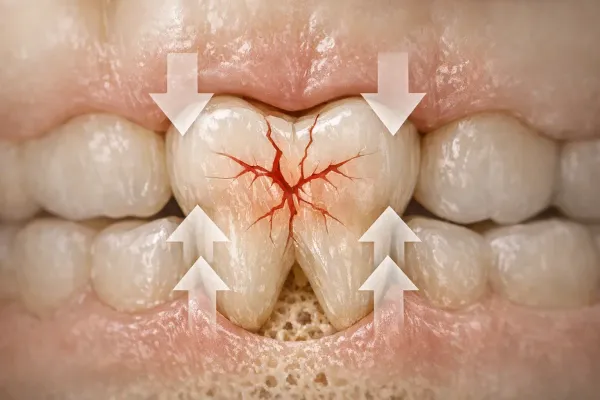
- Tooth wear or sensitivity linked to nighttime grinding (bruxism)
Common Causes Including TMJ
Broadly, jaw pain stems from three main categories:
- Muscle Overload: Stress, bruxism, and poor posture can overwork the masseter and temporalis muscles. Long Zoom calls where your chin rests in your palm do not help. The "tech-neck" posture—head jutted forward staring at a laptop—shortens neck extensors and shifts the jaw’s resting position, increasing tension with every email.
- Joint Trouble: The TMJ can slip out of alignment or develop internal derangements such as disc displacement. Arthritis can also set up camp here, especially in people who have a history of facial trauma or systemic inflammatory disease.
- Dental or Medical Issues: Malocclusion, impacted wisdom teeth, sinus infections, and even heart problems (in rare cases) can refer pain to the jaw.
According to the National Institute of Dental and Craniofacial Research, TMD affects up to 10 percent of adults, skewing heavily toward women of childbearing age. With numbers like that, it makes sense to nail down effective treatments rather than gritting your teeth and hoping for the best.
Home Remedies for Jaw Pain Relief
Effective Home Techniques
Home care is the first line of defense because it is cheap, safe, and you can do it in pajamas. The basics revolve around heat, massage, and mindful movement.
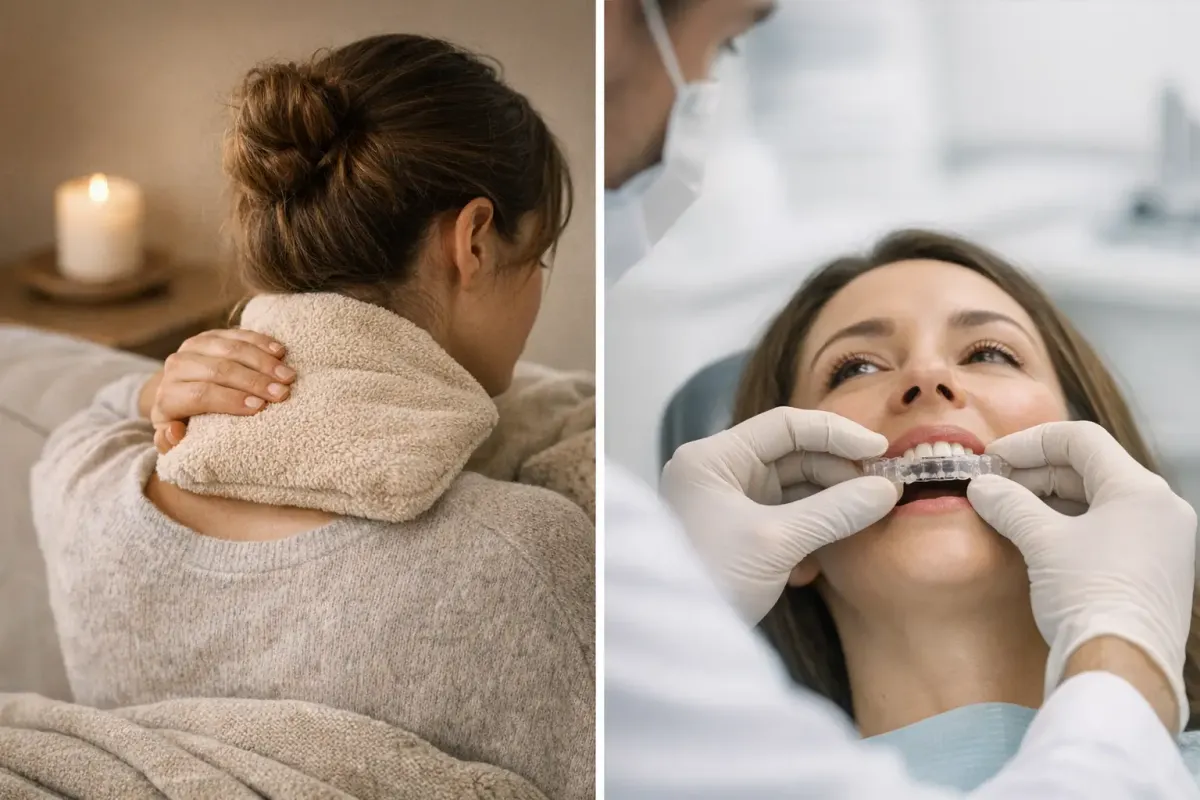
- Warm Compress: Apply a moist, warm towel to each side of your jaw for 10-15 minutes, two or three times daily. Heat improves blood flow and relaxes tight muscles. A pro tip: alternate warm and cool packs to create a pump-like effect that tamps down low-grade inflammation.
- Self-Massage: Using two fingers, apply gentle circular pressure over the masseter (cheek area) and temporalis (above the ear). Work slowly from the cheekbone down toward the jawline. Spend extra time on any knot that feels like a dried pea under the skin. For more on self-massage techniques, check our guide on how self-massage can ease bruxism symptoms.
- Jaw Stretching: Slow, controlled opening and side-to-side glides keep the joint lubricated. Place the tip of your tongue on the roof of your mouth and open just until you feel your tongue stretch—not until pain hits. Repeat ten times, twice a day.
- Posture Tune-Up: Roll your shoulders back, stack your ears over your collarbones, and imagine a string pulling the crown of your head upward. This simple reset reduces the downward drag on the jaw muscles.
- Diet Tweaks: Stick with softer foods for a week or two and cut down on chewy items like bagels or steak. Swap gum for mints—your jaw does not need a cardio workout while you concentrate. If you're curious about how diet influences bruxism, explore how your diet might be causing jaw tension and contributing to bruxism.
- Stress Management: Box breathing, yoga, or even a walk can lower cortisol and dial down unconscious clenching. Many people benefit from placing sticky-note reminders that read "Unclench!" on their monitor.
Research-Backed Methods
While the above tips feel intuitive, science also backs up structured exercise routines that target jaw stability. A randomized controlled trial by Patra and Yashudas in 2025 investigated cranio-mandibular stabilization exercises. Participants who performed these simple movements—think controlled jaw openings with tongue positioning—reported significant drops in pain scores, better mouth opening, and improved oral health-related quality of life compared with a no-exercise control group. The protocol took just 15 minutes per day for six weeks.
Another perk of home care: minimal downside. You may feel mild soreness the first day or two, but the risk of serious side effects is basically the same as binge-watching your favorite show. If pain skyrockets or you notice swelling, you can always stop and call a professional.
Real-world example: Jenna, a 34-year-old graphic designer, set a phone timer that chimed every hour. At each ding she did two posture resets, a five-second jaw relaxation (lips together, teeth apart), and a micro-stretch. Within three weeks her morning headaches—once a daily ritual—were rare enough to surprise her when they showed up. For more on effective relaxation techniques, check out jaw relaxation techniques for stressed professionals.
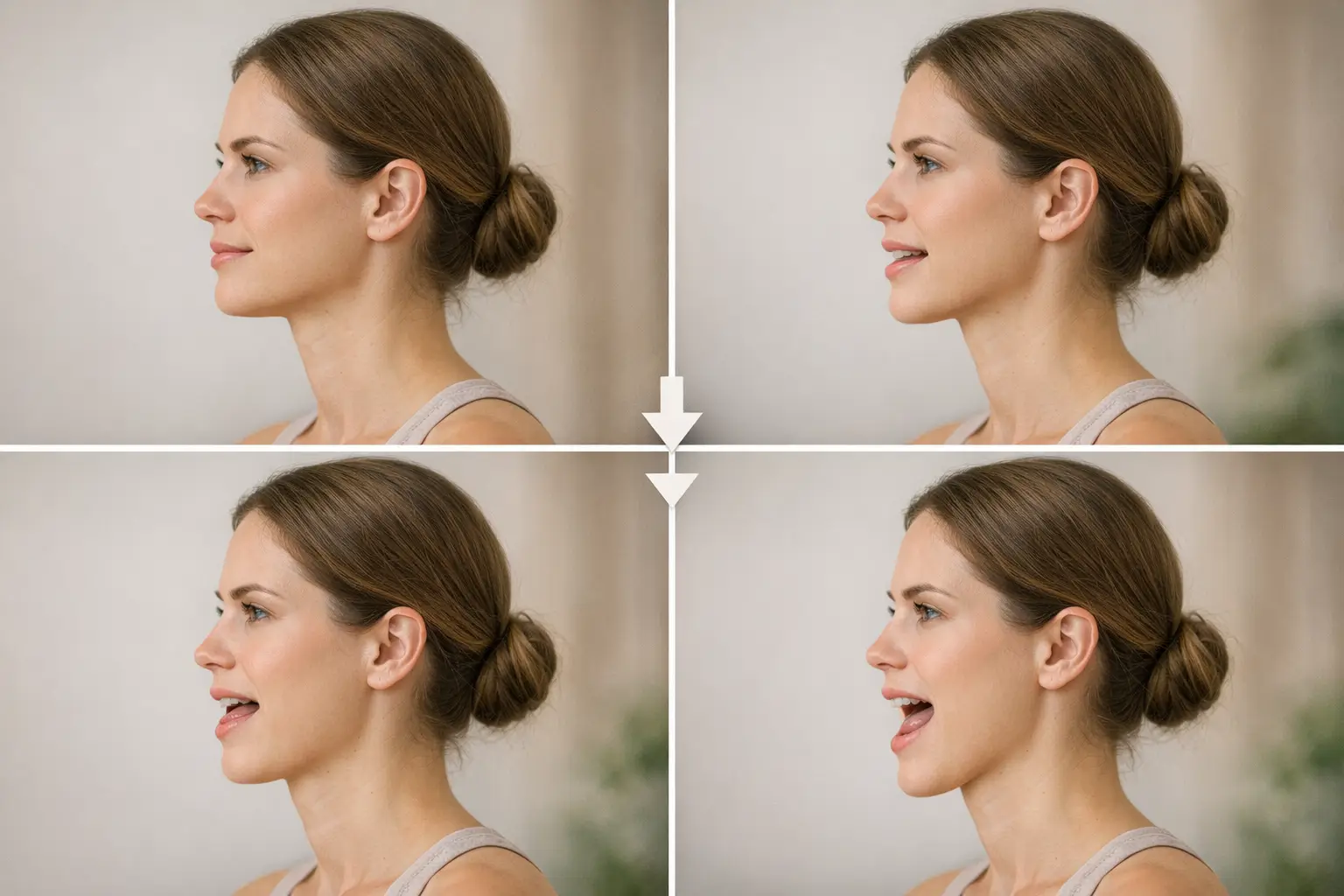
The home remedy we actually use
Heat has more support behind it than almost any other home remedy on this list, and the worst follow-through, because a warm compress goes cold about four minutes in.
We are partnered with the YourTMJ Pen, a handheld device that holds 100 to 118°F for as long as you hold it there and adds low-frequency vibration for the muscle. It belongs squarely in the home remedy column of this article. It will not resolve a structural joint problem, and if your pain is getting worse rather than better, the clinical column below is where you should be looking. Ninety-day trial.
Affiliate link. If you buy through it we earn a commission, at no extra cost to you. How this works.
Clinical Treatments for Jaw Pain
Physiotherapy and Manual Therapy
If home remedies are the appetizers, clinical treatments are the main course. They aim to correct mechanical issues and reboot muscle balance.
Physiotherapy sessions typically last 30 – 45 minutes and may include ultrasound warm-ups, guided stretching, and resisted movements using small rubber bands. Many clinics now offer tele-rehab, sending you short instructional videos and tracking your range of motion through smartphone apps. A systematic review by Skorupa-Strojna and Kulesa-Mrowiecka in 2026 pooled data from dozens of trials and concluded that physiotherapy significantly reduces pain and improves jaw function. Techniques ranged from myofascial release to cervical spine mobilizations, highlighting that the jaw rarely acts alone—your neck gets a vote.
Manual therapy, which includes trigger-point work and joint mobilization, can break up adhesions and reset neuromuscular control. Clinicians often pair it with dry needling or low-level laser therapy to calm inflammation quickly. One randomized study found that adding cervical spine mobilization to TMJ therapy cut recovery time by almost 30 percent compared with jaw-only approaches.
Diagnostic imaging occasionally joins the party. If your therapist suspects a disc displacement that refuses manual reduction, an MRI or dynamic ultrasound can confirm the hunch and prevent weeks of spinning your wheels.
Occlusal Splints and Advanced Techniques
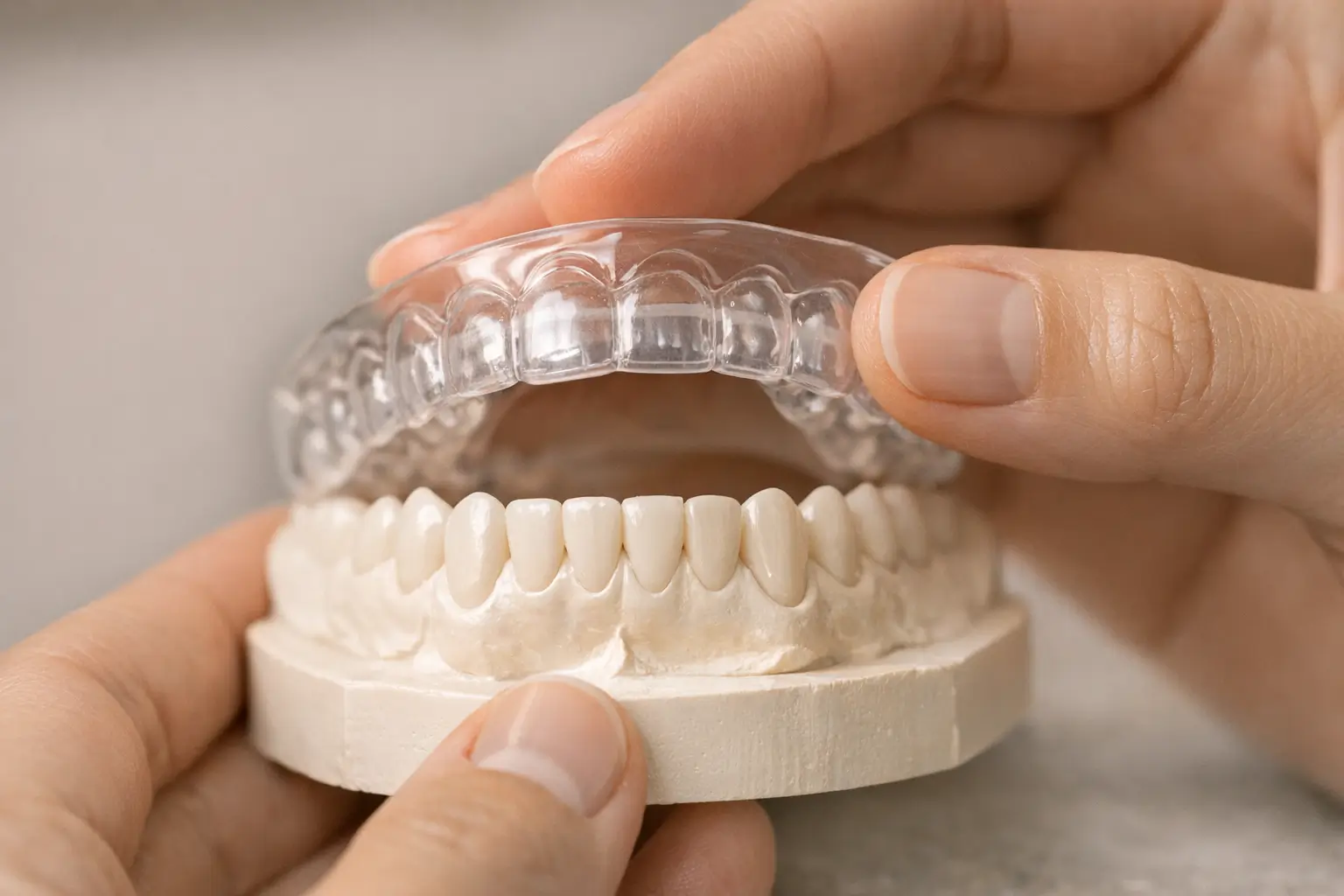
Night-time bite guards—officially called occlusal splints—are the rock stars of TMD care. They work by redistributing biting forces and preventing tooth grinding. A 2025 review by Albagieh et al. compared digital and conventional splint fabrication. Both reduced pain and muscle tenderness, but 3D-printed versions fit better and needed fewer adjustments.
Splints come in flavors: soft vinyl models cushion better but may encourage chewing, while hard acrylic "Michigan-style" guards provide durable stability. Repositioning splints—worn mostly at night but sometimes during high-stress daytime tasks—nudge the jaw into a slightly forward posture that eases joint compression. If you're considering using a mouth guard, learn how to safely use a mouth guard for teeth clenching at night.
In a separate retrospective study, Gu and colleagues in 2025 found that combining splints with manual therapy was more effective than splints alone for patients with anterior disc displacement without reduction.
Other clinic-based options include:
- Trigger Point Injections: Local anesthetic or corticosteroids can knock out stubborn muscle knots.
- Low-Level Laser Therapy: Shown in small trials to improve microcirculation and reduce inflammation.
- Botulinum Toxin (Botox): Off-label but increasingly common for severe bruxism. It partially weakens the masseter, giving the joint a vacation. Results last 3-4 months and are repeatable. For more on Botox and other advanced treatments, explore advanced bruxism treatments.
- Surgery: Reserved for structural issues that fail conservative care, such as severe disc displacement or ankylosis.
The Cleveland Clinic states that up to 90 percent of TMD cases respond to non-surgical care, making splints and physiotherapy a smart first stop.
Comparing Effectiveness: Home Remedies vs. Clinical Treatments
Pros and Cons
Choosing between home and clinical treatments is like picking between cooking dinner and ordering takeout—both feed you but differ in cost, convenience, and outcome. Let us weigh the science.
| Approach | Pros | Cons |
|---|---|---|
| Home Remedies |
|
|
| Clinical Treatments |
|
|
Which Is Right for You?
The sweet spot often lies in a blended plan. A pilot trial by Afshari et al. in 2025 tested a multimodality package of stabilization splints plus low-level laser therapy. Participants reported bigger pain drops compared with splints alone, lending weight to combo care. For postoperative dental pain, Kamis and colleagues in 2025 compared two drug protocols and found that layering approaches—analgesics plus anti-inflammatories—shortened recovery time. Although that study focused on wisdom-tooth removal, the principle of synergistic treatment applies to the jaw joint as well.
If your pain is mild and clearly linked to long workdays or gum-chewing marathons, start with heat packs, simple exercises, and behavioral tweaks. If you grind at night, wake with headaches, or feel joint locking, book a dentist or physiotherapist to evaluate whether a splint or manual therapy makes sense. You can also explore practical solutions to prevent nighttime teeth grinding.
The Mayo Clinic recommends seeking professional help if pain persists beyond a few weeks or if your jaw refuses to open fully. Early intervention keeps minor irritation from turning into a chronic pain saga.
Alternative and Complementary Treatments
East Asian Medicine
Not everyone vibes with splints and lasers. Traditional East Asian medicine (TEAM) offers herbal formulas, acupuncture, and acupressure. A 2025 network meta-analysis by Ha, Kang, and Lee compared different TEAM protocols for TMD. Acupuncture plus herbal medicine outperformed sham treatments for pain reduction, though the authors noted variability in study quality. Side effects were minor—think brief bruising or a herbal aftertaste—making it a relatively safe adjunct.
Innovative Techniques
Science loves gadgets, and jaw pain is no exception. Electrical vestibular stimulation (EVS) is a new kid on the block that targets the vestibular system behind your ears to modulate pain signals. In a 2025 randomized trial, Gowda et al. delivered low-level currents for four weeks. Participants logged significant drops in pain scales compared with placebo leads. The researchers hypothesize that altering vestibular input recalibrates trigeminal nerve pathways involved in jaw pain.
More cutting-edge ideas include stem-cell injections for osteoarthritic TMJ changes (Kudrin et al., 2025), though those remain experimental and wallet-busting. On the psychological front, cognitive-behavioral therapy (CBT) and biofeedback devices teach patients to spot tension spikes before they snowball. Early trials suggest that pairing CBT with standard care trims pain scores by an extra 15-20 percent over three months. Always vet new treatments with a qualified professional because the line between innovation and expensive placebo can be thin. Learn more about biofeedback devices for effective bruxism management.
Conclusion: Finding the Best Jaw Pain Relief
Jaw pain rarely disappears by magic, but you have an impressive toolkit. Warm compresses, massage, and stabilization exercises cost pennies and often dial down early discomfort. When pain digs in its heels, physiotherapy, occlusal splints, and multimodal combos step up with strong evidence. Alternative approaches like acupuncture or electrical vestibular stimulation may add another layer of relief for open-minded patients.
No single plan fits every jaw. Your bite, stress level, and sleep habits form a quirky Venn diagram that deserves a personalized solution. Start small, track your progress, and loop in healthcare pros when basic fixes fall short. With the right mix of home and clinical care, you can turn down the volume on jaw pain and get back to talking, chewing, and accidental karaoke without a second thought.