Is Your Diet the Culprit Behind Jaw Tension and Bruxism?
Discover how your diet might be causing jaw tension and contributing to bruxism.
Picture this: you wake up, your jaw feels like it bench-pressed a truck, and your partner is glaring because you sounded like a wood chipper all night. If that scene is on repeat, you are likely wrestling with jaw tension or its noisy cousin, bruxism (teeth grinding). Most searches pin the blame on stress or poor sleep, but growing evidence suggests your diet might play a role. Before you toss out your night guard or swear off solid food, let’s examine what the science shows.
Below, you will find a guided tour through the current research, along with practical tips. By the end, you will know which foods push your jaw muscles into overdrive, why your gut bacteria care about your oral health, and when to call in the pros.
Understanding Jaw Tension and Bruxism
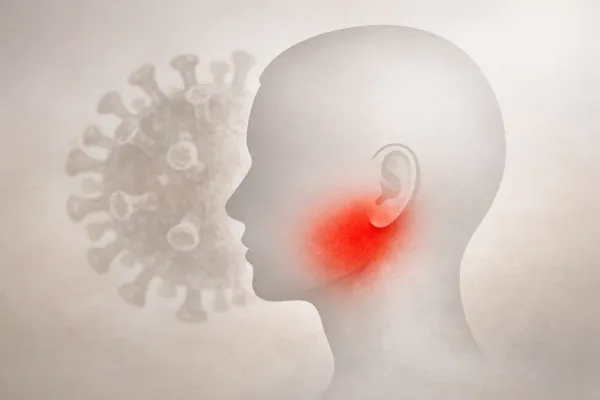
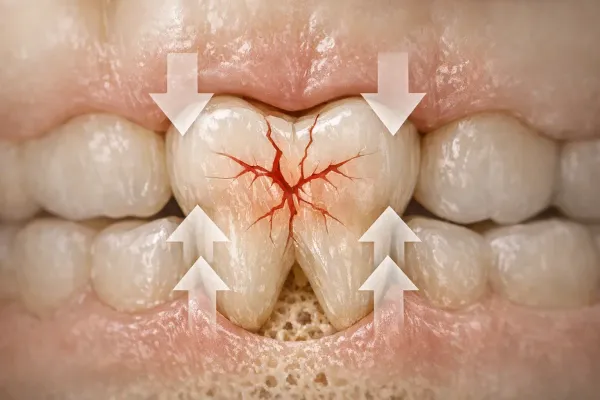
Jaw tension is exactly what it sounds like: chronic stiffness or tightness in the muscles around your jaw joint, known as the temporomandibular joint (TMJ). Bruxism takes things a step further. It's the involuntary grinding, clenching, or gnashing of teeth that usually happens during sleep but can also creep into daytime habits such as jaw clenching while scrolling social media. Symptoms range from dull headaches and earaches to chipped teeth, receding gums, and a jaw that pops like bubble wrap. According to a 2021 narrative review by Golanska et al., more than 30 percent of adults experience some level of bruxism, yet only a fraction realize it until dental damage appears. If you experience nighttime teeth clenching, you might find our guide on preventing nighttime teeth clenching helpful.
The daily fallout can be sneaky. You might notice sore facial muscles after a workout, but with bruxism, the “workout” happens all night. Over time, enamel erodes, tooth sensitivity spikes, and the TMJ itself can become inflamed. Sleep quality also suffers because micro-arousals (tiny wake-ups you usually do not notice) occur each time you clench.
Where does diet come in? Emerging research points to three overlapping pathways:
- Stress chemistry: Certain foods amplify hormonal stress responses, raising muscle tension throughout the body.
- Inflammation: Diets high in processed sugars and unhealthy fats fuel systemic inflammation, which can irritate nerves and muscles around the jaw.
- Neuro-stimulation: Caffeine, alcohol, and food additives can overstimulate the nervous system, making clenching more likely during sleep cycles.
Your menu deserves a closer look if jaw tension keeps spoiling your mornings.
The Role of Stress and Inflammation
How Stress Affects Oral Health
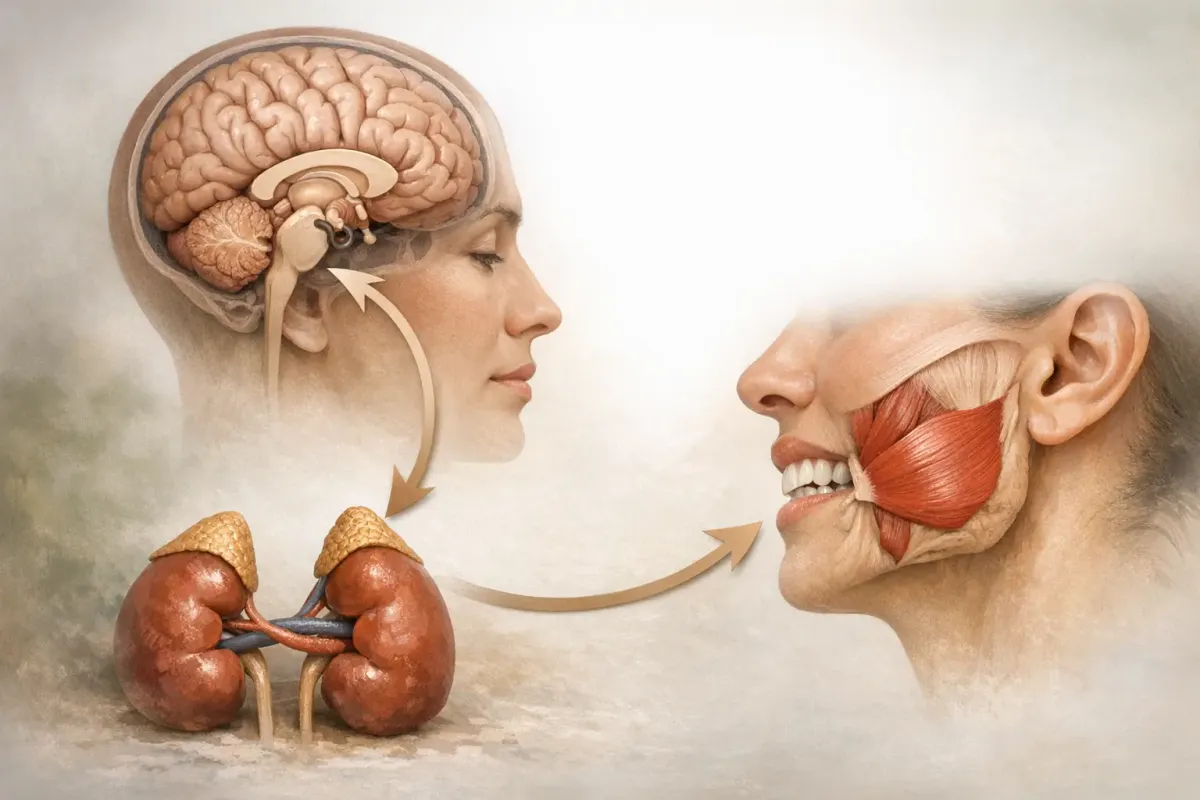
Your body has a built-in alarm system known as the hypothalamic-pituitary-adrenal (HPA) axis. When life throws curveballs, the HPA floods your bloodstream with cortisol and adrenaline. Those hormones tense muscles for a fight-or-flight response, including the masseter muscles that power chewing. The same 2021 review by Golanska et al. notes that chronic psychological stress is a recognized risk factor for temporomandibular disorders. Put simply, if your brain thinks you are in danger, your jaw prepares to bite or hold its ground. Learn more about how stress and jaw tension are interlinked.
The feedback loop worsens at night. Research from the Mayo Clinic shows that stress hormones can disrupt normal REM sleep, the stage when most grinding occurs. Less REM equals more muscle activity, creating perfect conditions for bruxism. Substances such as caffeine that lengthen the time it takes to reach deep sleep keep the HPA axis cranked.
Inflammation's Impact on Jaw Tension
Inflammation is your immune system’s version of crowd control, but when it lingers, tissues swell, nerves become hypersensitive, and pain thresholds drop. A 2025 review by An et al. links systemic inflammation to both oral diseases and cognitive stress. In the jaw, inflamed tissues reduce the natural lubricant inside the TMJ, making each chew or nighttime grind feel like sandpaper. Foods rich in refined sugar and omega-6 fats (think fried snacks and many packaged desserts) feed this inflammatory fire. For natural ways to alleviate jaw tension, you can explore stress-free solutions for jaw tension relief.
Because inflammation and stress often travel together, a diet that cools inflammation can also blunt stress reactivity. You will explore those foods in a moment, but spoiler alert: colorful fruits, veggies, and omega-3 rich fish are the peacekeepers, while soda, candy, and highly processed meals are the agitators.
Foods That Might Trigger Bruxism
Sugar and Processed Foods
Sugary treats supply quick energy, but they also cause rapid spikes and crashes in blood glucose. According to a 2023 scoping review by Oudkerk et al., high sugar intake correlates with increased tooth wear and heightened muscle activity at the jaw during sleep. When blood sugar tanks after a surge, the body releases cortisol to normalize levels, paradoxically placing you back in a stress response. Over time, this rollercoaster teaches your jaw muscles to stay semi-flexed as a baseline.
Processed foods pose another double whammy. They often combine refined carbs, excess sodium, and additives such as monosodium glutamate (MSG) that can overstimulate neurons. The American Dental Association’s page on bruxism highlights diet quality as an emerging modifiable risk factor. MSG and artificial sweeteners have been studied for their excitatory effects on the central nervous system, which can keep jaw muscles in a low-grade state of readiness.
- Sodas and sports drinks bathe enamel in acid, softening it for easier wear during grinding.
- High-fructose corn syrup fuels inflammatory pathways, worsening tissue swelling around the TMJ.
- Ultra-processed snacks (chips, crackers, instant noodles) often require hard chewing, conditioning jaw muscles for more nightly action.
Caffeine and Stimulants
Your morning coffee is not automatically the villain, but timing and dose matter. Caffeine blocks adenosine, the neurochemical that tells your brain it is time to rest. Block that signal late in the day, and you lengthen light sleep stages where teeth grinding is most common. A survey by the Cleveland Clinic reports that individuals who consume more than 400 mg of caffeine daily are twice as likely to exhibit sleep bruxism. You might want to explore why avoiding caffeine late at night is especially important if you grind your teeth.
Energy drinks, pre-workout powders, and some weight-loss supplements crank up the stimulant mix further with compounds like guarana and synephrine. Combine those with late-night scrolling, and your nervous system becomes a live wire. Nicotine works similarly, explaining why smokers often report higher rates of jaw tension.
Alcohol deserves a quick mention. While it feels relaxing, it fragments sleep cycles and increases micro-arousals, both of which drive nighttime clenching. If you notice jaw soreness after a wine-and-Netflix evening, that is no coincidence. The effects of alcohol on teeth grinding are well-documented.
Gut Health and Oral Health Connection
Microbiota's Role in Oral Health
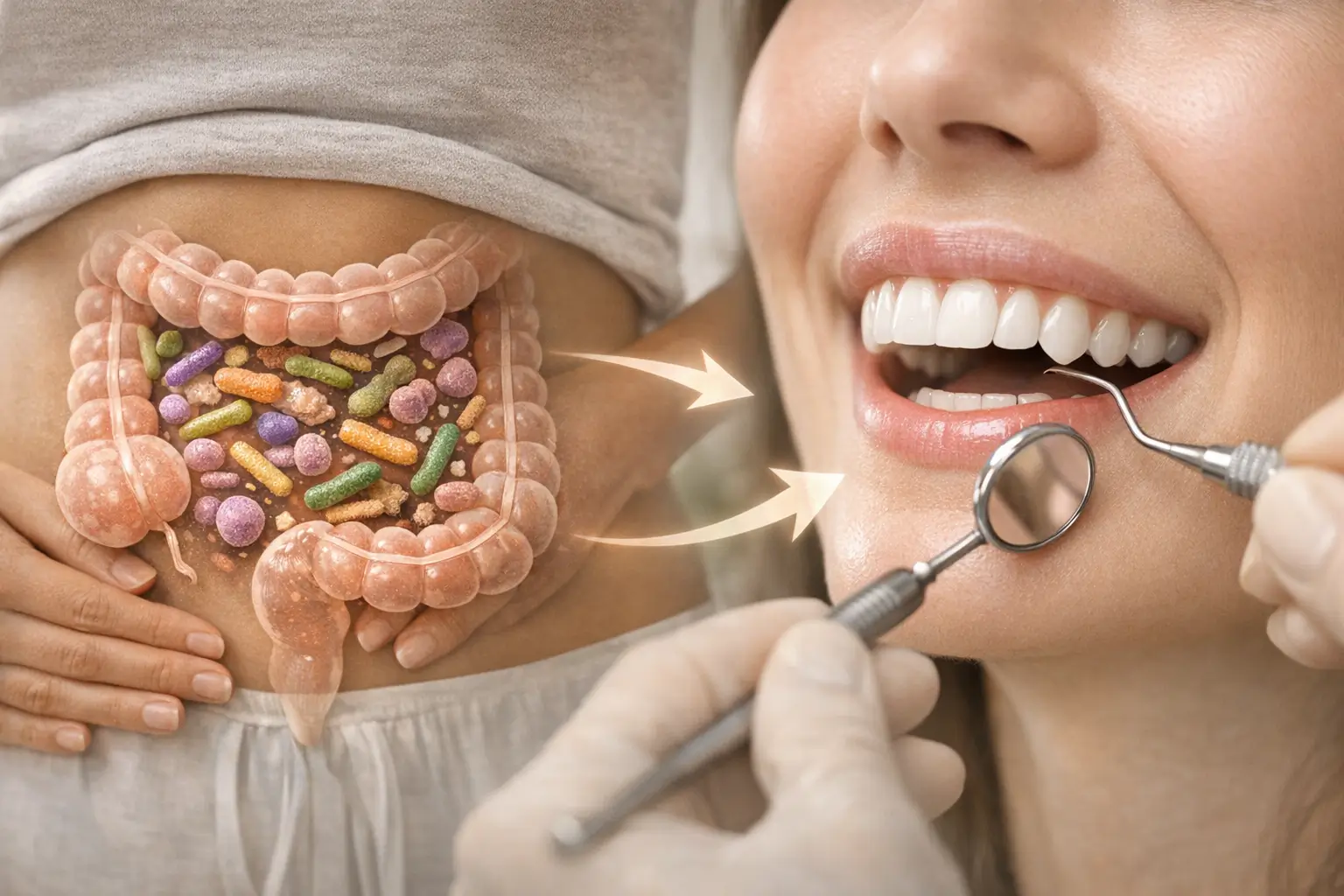
Your mouth and gut host trillions of microbes that chat with each other like nosy neighbors. Liye An and colleagues describe a bidirectional “oral-gut axis” where imbalances in gut bacteria can influence periodontal disease, caries, and yes, muscle pain. Pathogenic strains release endotoxins that promote systemic inflammation, which we have already linked to jaw tension. Meanwhile, a healthy microbiome produces short-chain fatty acids (SCFAs) that lower inflammation and support nerve health.
Oral microbiota also change when you grind. Increased tooth wear exposes fresh enamel that certain acid-loving bacteria colonize quickly. If gut flora are already out of whack, the immune system remains on high alert, amplifying inflammatory signals to the TMJ.
Dietary Choices for a Healthy Gut
A 2024 review by Ciantelli et al. emphasizes lifestyle medicine—including diet, exercise, and stress reduction—as a cornerstone for oral health. What lands on your plate shapes your gut microbiota within days. Favor fiber-rich foods such as oats, beans, and leafy greens to feed beneficial Bifidobacteria and Lactobacilli. Fermented foods (yogurt, kefir, kimchi) introduce live cultures that crowd out harmful strains.
On the flip side, high-fat, low-fiber diets shift the microbiome toward inflammation-promoting species, which seep into bloodstream pathways reaching the jaw. Think of your gut as a command center; if command is frazzled, peripheral units like the TMJ see more skirmishes.
- Add prebiotic fibers: inulin from chicory root or resistant starch in cooked-then-cooled potatoes.
- Sneak in probiotics: unsweetened yogurt instead of sugary parfaits.
- Color code meals: the more plant pigments you see, the wider the nutrient range feeding friendly microbes.
Hydration rounds out the picture. Saliva is over 99 percent water and acts as the mouth’s first line of microbial defense. Dehydration thickens saliva, allowing harmful bugs to stick around longer and aggravate gum tissue.
Lifestyle Modifications to Reduce Jaw Tension
Dietary Changes
You do not need a jaw of steel to make these shifts work. Start small:
- Time your stimulants. Keep caffeine before noon and cap at 300 mg daily (about three small cups).
- Swap refined sugar for naturally sweet alternatives such as berries or a drizzle of honey, which contains polyphenols with anti-inflammatory properties.
- Boost omega-3 intake through salmon, flaxseed, or chia. These fats counterbalance omega-6 overload found in many processed snacks.
- Choose crunchy vegetables (carrots, celery) over hard candies if you crave jaw action. They massage gums without risking enamel.
Ciantelli et al. note that diet changes are most effective when paired with sleep hygiene habits. Think of food as the primer; sleep is the sealant protecting your dental work. For more on how sleep hygiene can impact bruxism, explore the role of sleep hygiene in managing bruxism.
Stress Management Techniques
Even the cleanest diet cannot cancel chronic stress, so layer in these techniques backed by Golanska et al.:
- Progressive muscle relaxation before bed trains your jaw to release tension on cue.
- Diaphragmatic breathing lowers cortisol levels within minutes and can be done in line at the grocery store.
- Mindfulness apps guide short meditations that teach you to notice and interrupt daytime clenching.
- Light exercise like walking or yoga improves sleep depth, indirectly cutting down grinding episodes.

If tech appeals to you, try biofeedback smartwatches that vibrate when they detect jaw muscle activity. Over weeks, this nudge trains you to keep your bite relaxed. For more information on biofeedback therapy, visit our page on biofeedback therapy for bruxism treatment.
Consulting with Healthcare Professionals
When to Seek Help
Self-care has limits. If you notice chipped teeth, chronic headaches, or jaw locking, professional evaluation pays dividends. Persistent symptoms after diet and stress tweaks could indicate structural issues in the TMJ or misaligned bite patterns.
Golanska et al. caution that unmanaged bruxism can transition into myofascial pain syndrome, a chronic condition where muscle knots trigger widespread discomfort. Meanwhile, a 2024 paper by Sharma et al. highlights obesity as a compounding factor, reminding that overall metabolic health influences muscle disorders.
Types of Specialists to Consider
- Dentist: Your first stop for bite guards, enamel checks, and referrals.
- Orofacial pain specialist: Trained in diagnosing TMJ disorders and advanced therapies.
- Dietitian: Helps tailor anti-inflammatory meal plans that you will actually follow.
- Sleep physician: Orders polysomnography to rule out related conditions such as sleep apnea, which often coexists with bruxism.
- Physical therapist: Teaches targeted jaw stretches and posture correction to reduce muscle strain.
- Psychologist: Provides cognitive behavioral techniques for stress reduction, a proven method for curbing nocturnal grinding.
Do not be shy about assembling a team. Bruxism rarely has a single cause, so a multifaceted approach speeds relief.
Conclusion
Your jaw is not a standalone gadget; it reacts to stress hormones, inflammatory signals, sleep cycles, and yes, the foods you chew. Research shows that diets high in sugar, processed fare, and stimulants can crank up clenching, while fiber, omega-3s, and fermented foods help calm both muscle and mind. Tack on smart stress management, adequate hydration, and routine dentist visits, and you give your TMJ its best chance to stay chill.
Remember, swapping a soda for sparkling water will not solve bruxism overnight, but it chips away at the biochemical triggers. Pay attention to what you eat, how you manage stress, and when symptoms defy your efforts, bring in the professionals. Your jaw, your sleep partner, and your future dental bills will thank you.