The Effects of Alcohol on Teeth Grinding
The Effects of Alcohol on Teeth Grinding
Hello there, fellow teeth grinders! Today, we're looking into the impact of alcohol on teeth grinding or bruxism as it's also called. Bruxism has been linked to several causes, but one that is often overlooked is the connection to alcohol consumption. There's three main areas to cover: the effect of alcohol on sleep quality, its muscle-relaxing properties, and other additional factors. Let's uncover how that Friday night glass of wine might impact your endless teeth grinding troubles.
Wait, What Exactly is Bruxism?
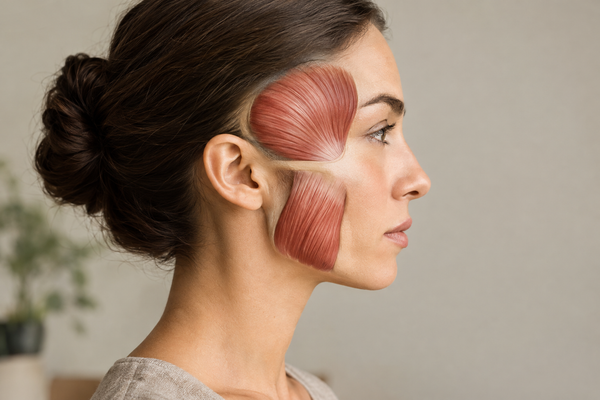
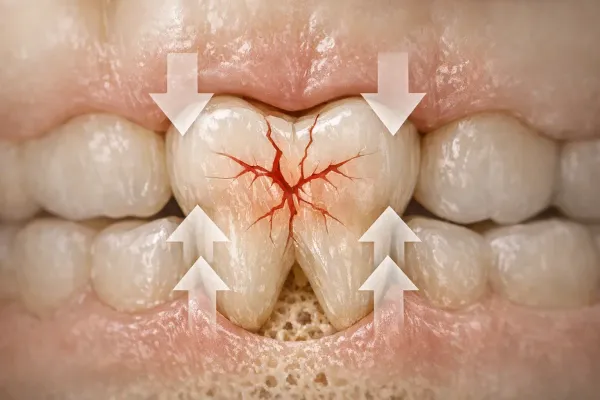
Before we dive deeper, a quick refresher never hurts. Bruxism is the involuntary grinding or clenching of your teeth, most often while you sleep but sometimes during daytime stress or extreme focus. The American Dental Association pegs the problem at roughly 10-15 percent of adults. Symptoms run the gamut from morning jaw pain and tension headaches to cracked enamel and broken crowns. Causes are a mixed bag: stress and anxiety, an imbalanced bite, certain medications and, as we are exploring here, lifestyle factors that wreck your sleep.
If you want the full laundry list, check out our deep dive on what causes teeth grinding. For now, just keep in mind that anything that shreds sleep or spikes stress can push your jaw into overdrive.
Night Cap Nightmares: The Impact of Alcohol on Sleep Quality
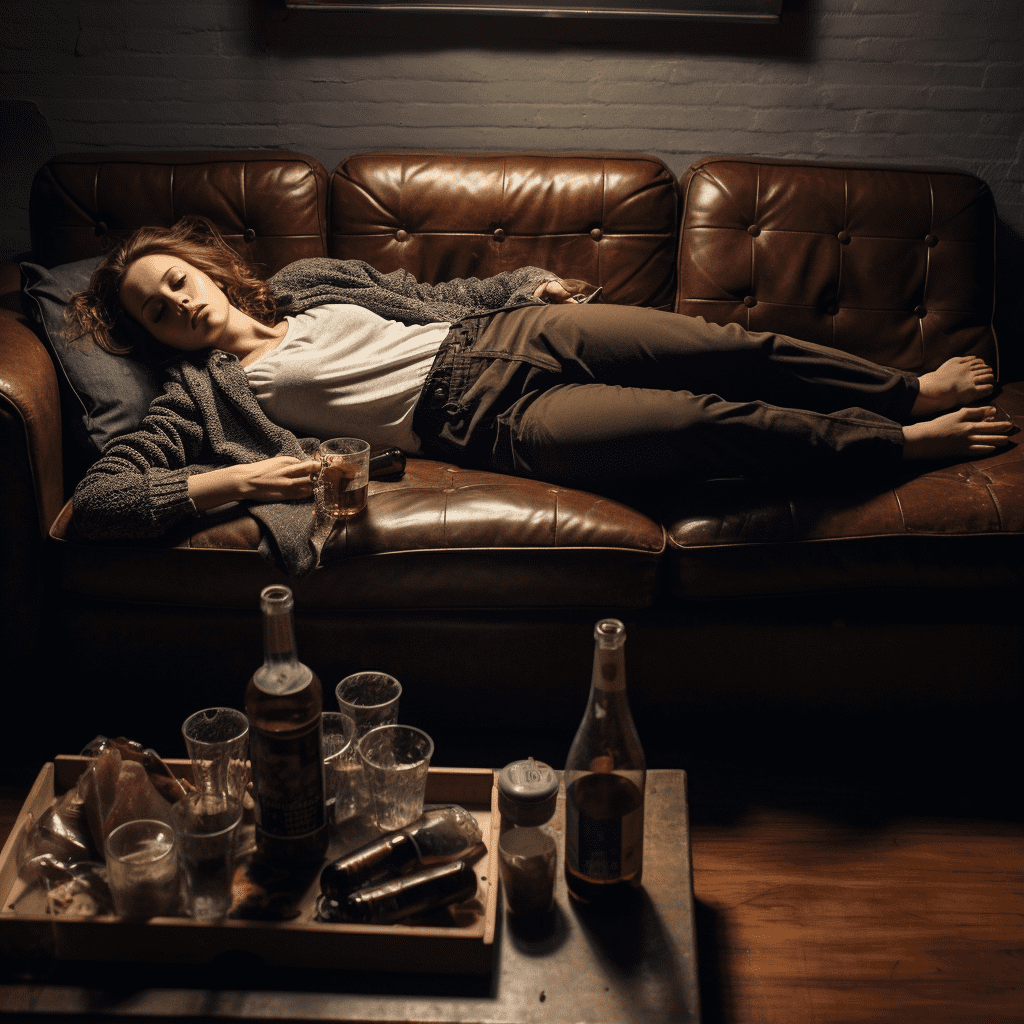
Most of us have probably heard that alcohol can help you sleep. Often we think about getting a glass of wine before a flight that we need to sleep on as supposedly it helps. But this supposed advantage of alcohol can actually turn into a major downside, especially when it comes to bruxism. Alcohol, though initially a sedative, drastically alters the structure of your sleep, leading to low quality rest that might exacerbate teeth grinding. Don't believe us? Grab one of the many sleep tracking watches/connected mattresses and test days with and without alcohol and you'll see a massive difference in the quality of sleep. Nothing has been a bigger draw for sobriety than sleep tracking in my opinion.
The science is quite clear - alcohol induces what we call "sedative hypnotic" sleep, meaning it can help you fall asleep faster. But here's the catch - this is typically followed by a rebound effect, characterized by lighter, disrupted sleep in the second half of the night. This disruption in sleep architecture can amplify the occurrence of bruxism.
Deep sleep or Rapid Eye Movement (REM) sleep is critical for us. However, alcohol reduces the amount of time we spend in this restorative phase. Instead, it increases the duration of non-REM sleep, specifically the lighter stages. During these periods of lighter sleep, the jaw muscles can involuntarily contract, leading to grinding or clenching.
Furthermore, alcohol, being a potent relaxant, can increase the chances of sleep apnea, a disorder strongly associated with bruxism. Sleep apnea, characterized by temporary cessations of breathing during sleep, can lead to arousal responses and trigger teeth grinding.
Cheers to Relaxation? The Role of Alcohol in Muscle Relaxation
Now, let's clink our glasses to the next topic - alcohol's role as a muscle relaxant. You may think, "Hey, relaxed muscles mean no clenching or grinding, right?" Well, not quite. Here's why.
Alcohol has a complex dual role - it acts as both a stimulant and a depressant. Initially, it produces stimulating effects like lowered inhibitions and feelings of relaxation. However, as the blood alcohol concentration rises, the depressant effects become more pronounced, leading to drowsiness, slower reactions, and yes, muscle relaxation.
While relaxed jaw muscles might seem beneficial, it's more complicated than that. As we established earlier, alcohol disrupts normal sleep patterns. So, while the jaw muscles may be relaxed initially, this muscle relaxation is not consistent throughout the night due to disrupted sleep cycles. During periods of lighter sleep, muscle tone can increase, leading to potential bruxism.
In addition, alcohol's muscle-relaxing effect can exacerbate sleep apnea, as it relaxes the throat muscles and makes the airway more prone to collapsing. As we already discussed, sleep apnea is a significant risk factor for bruxism.
More Rounds, More Risks: Additional Factors
Beyond sleep disruption and muscle relaxation, there are other ways alcohol might indirectly affect teeth grinding. For example, regular alcohol consumption can lead to dehydration. The lack of proper hydration can increase the mouth's dryness, leading to discomfort and potential teeth grinding at night.
Another factor to consider is alcohol's impact on stress. Many people turn to alcohol as a coping mechanism for stress, yet paradoxically, chronic alcohol consumption can lead to increased anxiety and stress levels. Given that stress is a major contributor to bruxism, this additional anxiety can potentially exacerbate teeth grinding.
Long-term heavy drinking can also rough up your teeth in a different way. A classic 1989 study on Dental erosion in patients with chronic alcoholism found that the worn enamel seen in alcoholics was mostly chemical erosion from acidic drinks and stomach acid rather than grinding. Translation: if you drink hard and notice ragged teeth, bruxism may get the blame, but chemical wear is part of the story.
What You Can Do Right Now: Coping Strategies
- Dial back the drinks. The 2016 systematic review on alcohol, caffeine, tobacco and drug abuse linked higher alcohol intake to sleep bruxism. Cutting the fourth nightcap can lighten the load on your jaw.
- Hydrate with purpose. Alcohol is a diuretic. Chase it with water plus electrolytes to keep your mouth tissues from drying out and triggering clenching.
- Stress hygiene matters. Meditation, yoga, breathing apps or a sweaty gym session can lower baseline stress and, by extension, grinding episodes.
- Protect the hardware. If damage is piling up, talk to your dentist about a custom night guard or, in stubborn cases, masseter botox to calm the muscles.
- Sleep like it is your job. Consistent bedtimes, a dark cool room and no screens right before lights-out help patch the sleep architecture alcohol rips apart.
Bottom Line
While we all love a good night out or a relaxing glass of wine after a long day, it's important to remember that everything comes with a trade-off. Understanding the complex interactions between alcohol and bruxism can help us make more informed decisions about our health and wellbeing. It's not about giving up that glass of wine completely, but about moderation and awareness.
Remember, everyone's body reacts differently to alcohol, and the relationship between alcohol and bruxism is complex. If you're dealing with bruxism, consult with your healthcare provider or a dental professional to get the right advice for your specific situation.
So the next time you're reaching for that bottle, don't forget about the potential effects on your sleep, muscles, and ultimately, your teeth. Keep it balanced, stay informed, and keep those pearly whites shining! Cheers!