Can Changing Your Sleep Environment Help Reduce Bruxism?
Discover how sleep environment improvements can reduce bruxism symptoms.
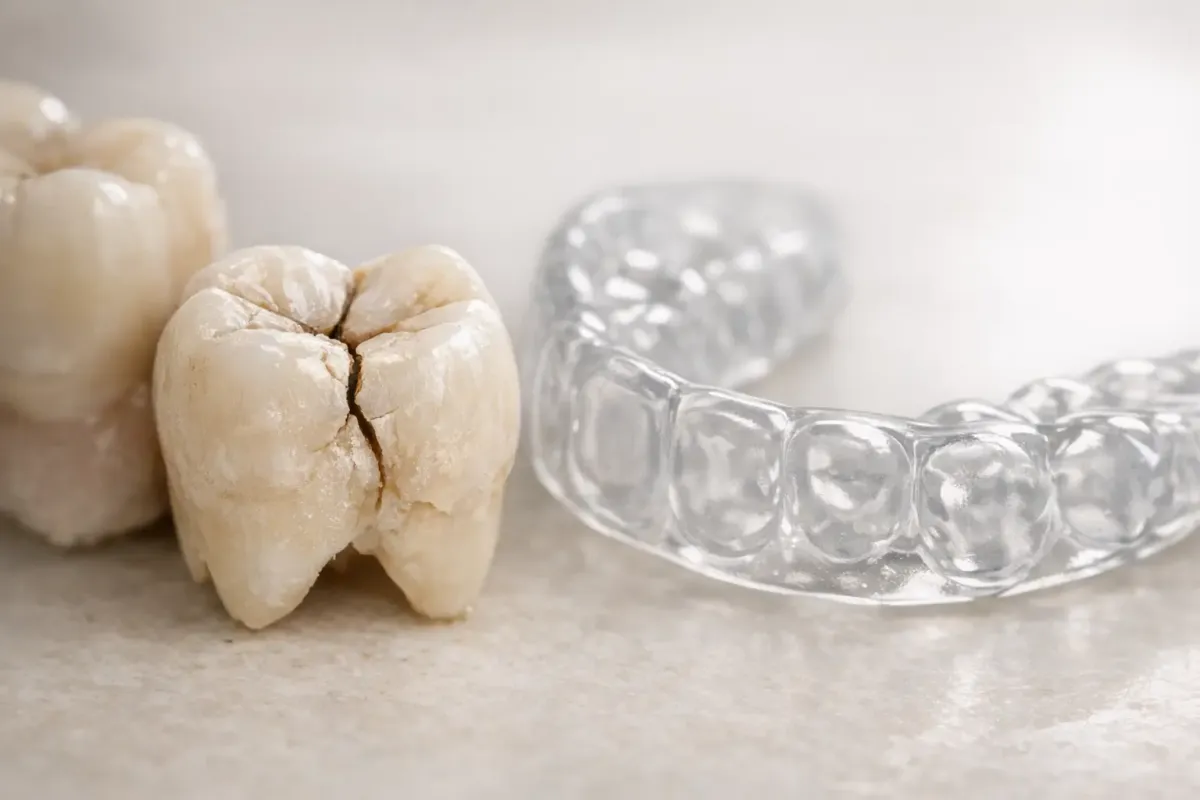
If you wake up with a sore jaw or your partner says you sound like a wood chipper at night, you might be dealing with bruxism. Teeth grinding can feel like a minor annoyance, yet over time it chips away at enamel, quality sleep, and even mood. A growing body of research suggests that your sleep environment may influence how often you grind your teeth. In other words, your bedroom setup might be as important as that pricey occlusal guard. This article unpacks the evidence, shows how sleep hygiene and smart environmental tweaks can lower nighttime grinding, and offers practical ways to stress-proof your nights. No fluff—just data, tools, and a touch of straight talk.
All citations are clickable for anyone who wants to delve into the full papers or leading health-organization pages. Ready to reclaim your jaw and your hours of rest? Let’s dig in.
Understanding Bruxism and Its Impact
Defining Bruxism
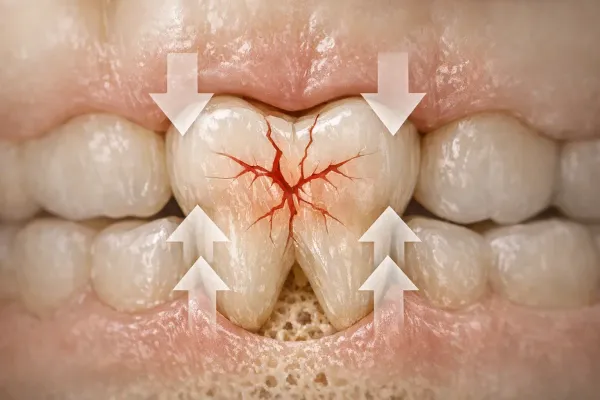
Bruxism is the repetitive clenching or grinding of teeth that can occur while you are awake (awake bruxism) or, more commonly, while you are asleep (sleep bruxism). Researchers still debate the exact mechanism, but it appears to be a mix of genetics, stress, and sleep-related arousals. According to the American Sleep Association, up to 10 percent of adults grind their teeth at night, sometimes without any obvious daytime clue. The grinding episodes usually last only a few seconds, yet the forces generated can exceed 250 pounds per square inch, enough to crack a molar.
The main concept to remember here is sleep hygiene and bruxism. Sleep hygiene refers to the behaviors and environmental cues that prepare your body for quality sleep. When those cues are off—like bright screens, late caffeine, or irregular bedtimes—sleep fragmentation rises, and bruxism often tags along.
Effects on Health
Bruxism is not just a dental nuisance. A 2025 review by Morris et al. explains that chronic grinding can set off an inflammatory cascade in gum tissue, increasing vulnerability to periodontal disease. The damage travels upwards too. A study by Du et al. linked bruxism with head and neck pain disorders, showing that jaw strain can trigger migraines and vice versa. Frequent grinding also interferes with deep sleep stages, leaving you groggy and irritable, creating a feedback loop that fuels more grinding. Left untreated, bruxism can lead to:
- Cracked or loosened teeth
- Temporomandibular joint (TMJ) pain
- Facial muscle hypertrophy (a bulked-up jawline you never asked for)
- Earaches and tension-type headaches
- Disrupted sleep architecture, leading to daytime fatigue and mood swings
Add it all up, and bruxism becomes a multisystem issue, which is why a holistic approach is needed rather than a one-note fix.
The Role of Sleep Hygiene in Managing Bruxism
Importance of Sleep Hygiene
Think of sleep hygiene as preventive dental floss for your brain. When your internal clock, or circadian rhythm, gets out of tune, your body releases stress hormones at the wrong times, nudging the jaw muscles into overdrive. A clinical trial by Tandon et al. compared standard occlusal splints to a combo of sleep hygiene education and progressive muscle relaxation (PMR). The hygiene-plus-PMR group reported lower perceived stress and a significant drop in grinding episodes, while the splint-only group mainly reduced tooth wear.
Consistency may be the secret. A pediatric study by Amaral et al. paired sleep hygiene lessons with mindfulness meditation. The children who stuck to a regular bedtime and avoided screens after 8 p.m. had fewer grinding events. Adults are not so different; your brain loves patterns.
Techniques to Improve Sleep Hygiene
Below is a guide for dialing in your nightly routine:
- Stick to a sleep schedule. Go to bed and wake up within a 30-minute window every day, including weekends. This trains your circadian rhythm to anticipate when to shut down arousal systems that can spark bruxism.
- Limit stimulants. Caffeine and nicotine are notorious sleep disruptors. If you need coffee, cap intake by early afternoon. A decaf latte is your nighttime friend, not an espresso shot.
- Wind-down cueing. Replace late scrolling with a 30-minute pre-sleep ritual: dim lighting, light stretching, or breathing exercises. This lowers cortical arousal that often precedes grinding bursts.
- Comfort matters. Invest in a supportive pillow and keep the room at 60-67 °F, a range endorsed by the Sleep Foundation for optimal melatonin release.
- Mind-body add-ons. Progressive muscle relaxation or guided imagery keeps your jaw from locking down the moment your head hits the pillow.
Mastering these habits does not require monk-level discipline. Small, repeatable tweaks stack up and tamp down the neural micro-arousals linked to bruxism.
Environmental Changes to Prevent Teeth Grinding
Optimizing Your Sleep Environment
You probably do not think twice about your bedroom’s light bulbs, yet that tiny glow could be revving up your sympathetic nervous system. A review on circadian rhythms in orofacial disorders by Meira E Cruz highlighted how even brief light exposure in the blue spectrum can delay melatonin secretion, altering muscle tone in the jaw. Here is how to engineer a grinding-unfriendly bedroom:
- Lighting: Swap out bright overheads for warm, low-lux bulbs in the last hour before bed. Use blackout curtains if streetlamps beam through your window.
- Temperature: Keep the thermometer in the mid-60s Fahrenheit. Cooler air nudges the body into restorative slow-wave sleep stages where bruxism is less common.
- Noise control: Sudden noises trigger micro-arousals. White-noise machines or earplugs create a stable sound backdrop that calms the brainstem circuits involved in jaw movement.
- Bedding materials: Hypoallergenic, breathable fabrics reduce night sweats and tossing, both of which can initiate a bruxism burst.
- Scent: A light lavender or chamomile scent has been shown to lower heart rate variability peaks, indirectly easing muscle tension.
Reducing Stress in the Bedroom
Minimizing stress signals is key. In the same clinical trial by Tandon et al., participants who decluttered their rooms and removed work devices reported fewer nighttime jaw contractions. Less mental residue equals fewer nocturnal stress spikes. Consider these tweaks:
- Tech ban: Phones, laptops, and unfinished to-do lists belong outside the bedroom door. Use an analog alarm clock if you fear oversleeping.
- Visual calm: Neutral colors and minimal decor reduce cognitive load. Even a messy laundry pile can nudge cortisol upward.
- Soothing audio: Whether it is rainfall tracks or slow instrumental music, steady rhythms regulate breathing and jaw muscle tone.
- Mental parking lot: Keep a small notepad to jot down spinning thoughts before lights-out. By “parking” worries, you are less likely to clench over them during sleep.

Stress and Its Connection to Bruxism
Link Between Stress and Bruxism
If bruxism had a best friend, it would be stress. A cross-sectional analysis involving Brazilian health-science students by Cunha et al. found a direct correlation between self-reported perceived stress levels and the frequency of grinding episodes. Elevated catecholamines heighten muscular tension all over the body, but the masseter muscles are particularly expressive of anxiety.
The gut-brain-oral axis adds another layer. A review by Liye et al. highlighted how stress shifts gut microbiota, raising systemic inflammation that can irritate the trigeminal nerve pathways. Those irritated pathways, in turn, stimulate bruxism as a maladaptive reflex.
Managing Stress for Better Sleep
You might not be able to dodge every stressful email, yet you can rewire how your body responds before bedtime. Practical ideas:
- Diaphragmatic breathing: Inhale for four counts, hold for four, exhale for six. This pattern activates your parasympathetic system, dropping heart rate and jaw tension.
- Guided imagery: Picture yourself on a calm beach, jaw unclenched, waves rolling. Effective at lowering muscle activity.
- Journaling: A five-minute gratitude or worry journal can reduce bedtime rumination. Clinical psychologists often recommend this strategy for insomnia and grinding alike.
- Exercise timing: Workouts are stress-busters, but intense sessions within two hours of bedtime may spike adrenaline. Finish vigorous activity earlier in the evening.
- Cognitive reframing: Swap catastrophic thoughts like “I’ll never finish that report” with “I can handle one step tomorrow.” Lowering perceived stress translates into fewer nighttime clenches.
Tackling stress is not fluffy self-care; it is neurochemical maintenance that preserves your enamel.
Alternative Therapies and Lifestyle Adjustments
Progressive Muscle Relaxation
Progressive Muscle Relaxation (PMR) is like a systematic jaw deflation valve. The clinical trial by Tandon et al. showed that PMR practiced for 15 minutes before bed decreased both perceived stress and electromyographic activity in jaw muscles. PMR walks you through tensing and releasing muscle groups, teaching you the difference between “on” and “off.” Over time, your nervous system learns to default to “off” when the head meets pillow.
Implementation tips:
- Lie on your back with arms by your side.
- Inhale deeply, squeeze your toes for five seconds, then release while exhaling.
- Move up the body—calves, thighs, abdomen, shoulders, jaw—tensing then letting go.
- Finish with three deep belly breaths, focusing on the relaxed feeling.
Mindfulness Meditation
Mindfulness trains attention to the present moment, disarming the autopilot habits that fuel clenching. In the pediatric RCT by Amaral et al., mindfulness plus sleep hygiene cut grinding episodes almost in half compared with controls. Adults benefit similarly, as highlighted in numerous insomnia trials.
To get started:
- Download a free meditation app or follow a 10-minute body-scan on a streaming platform.
- Sit upright in a chair, feet grounded, or lie supine if that feels better for your back.
- Focus on breath sensations in the nostrils or the rise and fall of the chest. When thoughts pop in, label them “thinking” without judgment and come back to the breath.
- Over time, extend sessions to 15-20 minutes. The jaw, no longer captive to runaway thoughts, tends to soften on its own.

Other lifestyle tweaks to stack with PMR and mindfulness include:
- Reducing alcohol: Alcohol fragments sleep stages, especially REM, which is when most grinding happens. Swap the nightcap for herbal tea.
- Magnesium-rich foods: Spinach, pumpkin seeds, and dark chocolate support muscle relaxation and nerve conduction.
- Hydration: Dehydrated muscles cramp more easily, including jaw muscles.
- Limit chewy foods: Gum and steak add extra daytime strain to the masseters, priming them for nocturnal overactivity.
The Impact of Oral Health on Sleep Bruxism
Role of Oral Microbiota
You may not equate mouth bugs with tooth grinding, yet oral microbes release by-products that influence systemic inflammation. The review by Morris et al. discusses how dysbiosis—essentially a microbial imbalance—can elevate cytokines like IL-6, sensitizing the trigeminal nerve. The phrase “environmental changes for teeth grinding” therefore includes your mouth’s internal environment, not just the bedroom.
Inflammation and Oral Health
A broader review by Liye et al. links chronic gum inflammation with elevated cortisol, a hormone also tied to stress-induced bruxism. Basic oral-care moves lower this inflammatory load:
- Brush with a soft-bristled brush twice daily, using fluoride toothpaste.
- Floss or water-floss daily to disrupt biofilm—less bacteria means less inflammatory chatter.
- Use alcohol-free antiseptic mouthwash at night to reduce microbial traffic while you sleep.
- Stay on top of dental cleanings every six months for plaque removal that you cannot do at home.
Maintaining a healthy oral microbiome is like leveling the playing field so that jaw musculature does not overreact to pain or irritation cues.
Conclusion: Taking Control of Bruxism
Bruxism sits at the crossroads of stress, biology, and environment. While a mouthguard protects enamel, you can address root triggers by tightening up sleep hygiene, optimizing your bedroom, and practicing stress-reduction techniques. Research ranging from clinical trials on sleep hygiene and PMR to microbiome reviews underscores that no single solution works in isolation. The best care plan is holistic—regular sleep schedules, a cool dark room, mindfulness practice, and diligent oral care.
You do not have to implement every suggestion overnight. Pick one or two changes—maybe lights-out at a consistent time and a 10-minute body-scan—and track how your jaw feels in the morning. Layer on additional tweaks as you go. Within a few weeks, you may find that grinding episodes shrink, headaches fade, and mornings start smoother. Your enamel, jaw joints, and pillow partner will thank you.