Natural Bruxism Solutions: Managing Your Symptoms Beyond the Night Guard
Explore natural bruxism solutions and treatments beyond night guards.
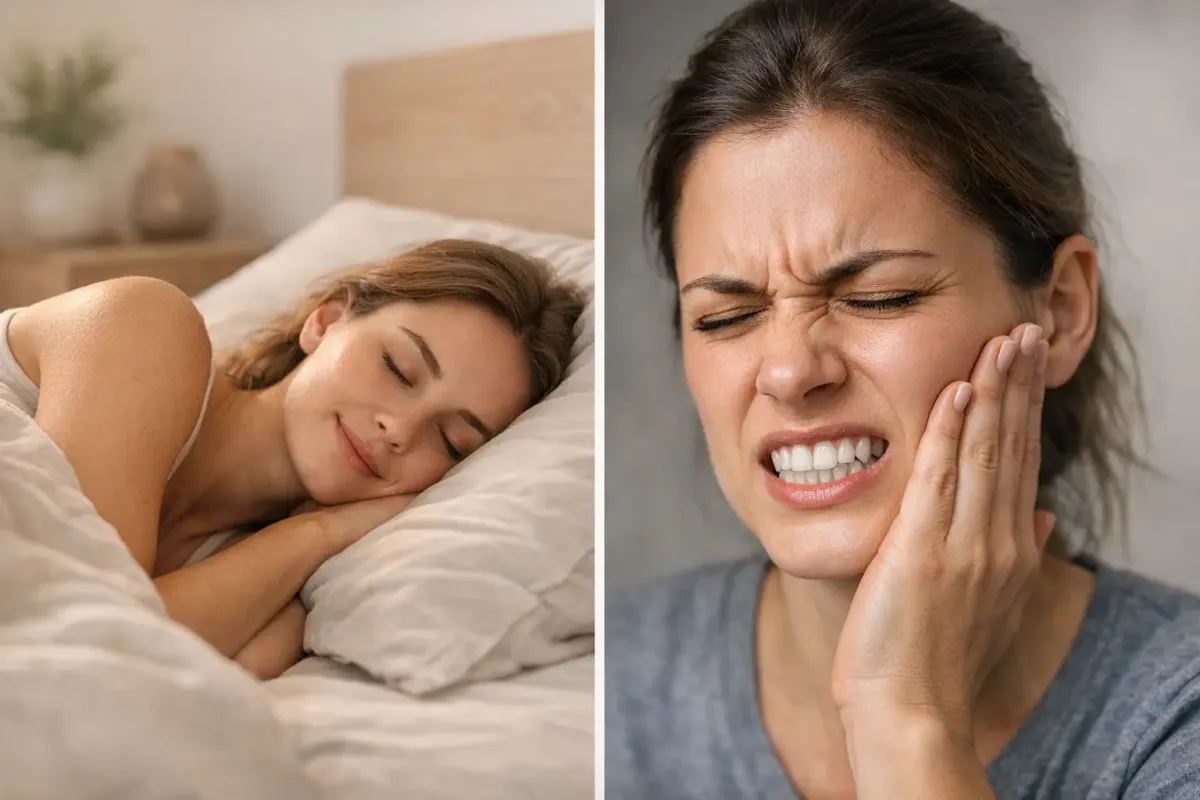
Teeth are tough, but they aren't designed to be your personal stress ball. If you wake up with a sore jaw or your partner complains about the midnight rumble of your molars, you may already suspect bruxism. Night guards can help, yet they are only one piece of the puzzle. This article digs into natural bruxism solutions and treatments beyond night guards.
This article relies on peer-reviewed studies and advice from reputable organizations such as the American Dental Association and the Sleep Foundation. You'll get evidence, straightforward advice, and practical tips to use tonight.
Understanding Bruxism: The Basics
Bruxism is the fancy term for repetitive jaw-muscle activity that involves clenching or grinding your teeth. Dentists identify two main types:
- Sleep bruxism: The nocturnal version you don't remember doing.
- Awake bruxism: The daytime clench often linked to concentration or stress.
According to a narrative review by Davis et al., prevalence ranges from roughly 8% to 31% in adults. Many people have no clue they are doing it. Kids aren't spared either, with estimates around 14% in primary school-age groups.
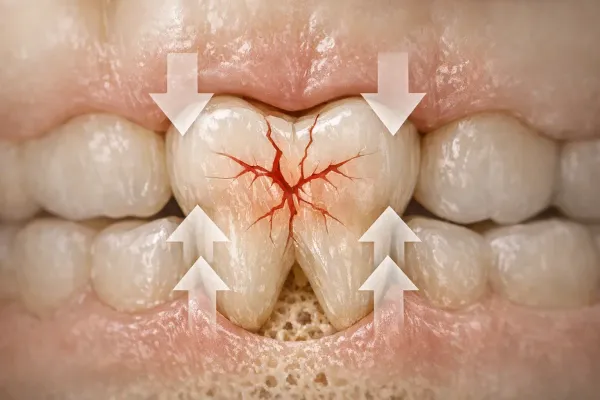
What causes this jaw behavior? Genetics, misaligned teeth, medications like SSRIs, caffeine, alcohol, and stress all play a role. Interestingly, mild bruxism may occasionally be protective. Micro-arousals during grinding can open the airway in obstructive sleep apnea. However, frequent grinding threatens enamel, dental work, and TMJ health.
Night guards insert a physical barrier between your teeth, but they don't address neurological or behavioral triggers. That's where natural and tech-assisted strategies come in. You'll explore these throughout the article.
The Role of Lifestyle Changes in Managing Bruxism
Before investing in gadgets or booking a Botox session, check your daily habits. Lifestyle tweaks cost little and can reduce grinding intensity or frequency. Research is scattered, but trends show benefits in three areas: diet, stress management, and sleep routine.
Diet and Nutrition
Hard or chewy foods—like crusty bread or beef jerky—make your jaw muscles work overtime, priming them for nocturnal over-activity. Limit these in the evening. Cutting down on stimulants is critical too. Caffeine has a half-life of four to six hours. The Cleveland Clinic suggests a caffeine curfew by mid-afternoon.
Magnesium and calcium play roles in muscle relaxation. Leafy greens, nuts, seeds, and dairy products supply both. Some small pilot studies suggest that supplementing magnesium may ease nocturnal muscle cramps, so maintaining adequate dietary intake is a reasonable no-risk experiment. Learn more about the role of magnesium in teeth grinding.
Stress Management
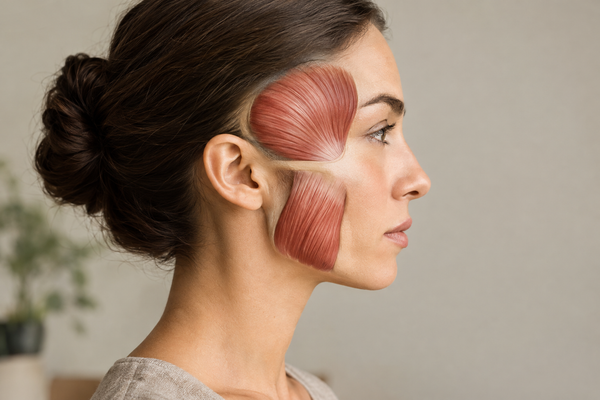
Stress doesn't directly grind teeth, but it recruits your masseter and temporalis muscles. You'll often notice daytime clenching during work, driving, or gaming. Techniques that reduce nervous system tension can help.
- Progressive muscle relaxation: Tense and release major muscle groups. A 10-minute routine before bed can lower sympathetic tone.
- Mindful breathing: Inhale for four counts, exhale for six. Longer exhalations activate the vagus nerve, promoting calm.
- Jaw-position cues: Remind yourself, "Lips together, teeth apart." Use sticky notes on your monitor or phone.
- Physical activity: Aerobic exercise produces endorphins and reduces cortisol, helpful for bruxism.
The National Institutes of Health notes that cognitive behavioral therapy (CBT) can cut stress-driven bruxism episodes by curbing rumination and anxiety. Basic stress-reduction apps can be a starting point. For more on how stress affects bruxism, see this article.
Sleep Hygiene
Grinding episodes peak in lighter sleep stages. Fragmented sleep can increase grinding. Aim for:
- Consistent bed-wake times, even on weekends
- A cool, dark bedroom (65-67°F is optimal)
- No screens 30 minutes before bed; blue light affects melatonin
- Limit alcohol, which boosts arousals
The Sleep Foundation notes that good sleep hygiene won't cure bruxism but reduces triggers. Combine it with stress and diet measures for a synergistic effect. For more tips on improving your sleep environment, see this guide.

Exploring Neuromodulation: Transcutaneous Auricular Vagus Nerve Stimulation
Electrical stimulation isn't just for sci-fi. Transcutaneous auricular vagus nerve stimulation (TAVNS) delivers gentle electrical pulses to the auricular branch of the vagus nerve. It usually uses clip-on electrodes on the tragus or cymba conchae of the ear. The vagus nerve modulates autonomic balance, tilting you toward the parasympathetic—rest-and-digest—state.
A randomized, controlled, single-blind trial by Guzel et al. recruited 52 adults with sleep bruxism. Participants received either active TAVNS or sham stimulation for 20 minutes nightly over four weeks. The active group showed a 31% reduction in bruxism episodes per hour compared to 6% in the control group. Morning jaw pain also decreased significantly.
How it might work
- TAVNS increases parasympathetic output, lowering heart rate variability markers of stress.
- Lower stress reduces micro-arousals that trigger jaw activity.
- Peripheral vagal afferents may dampen trigeminal motor nucleus excitability.
Benefits
- Non-invasive and reversible
- Self-administered at home after brief training
- No systemic pharmaceutical side effects
Limitations
- Not yet FDA-cleared specifically for bruxism
- Some users report mild skin irritation
- Optimal dosing remains under study
If you love gadgets and want a science-backed experiment, TAVNS is promising. Discuss it with a sleep dentist or neurologist experienced in neurostimulation therapies.
Behavioral Therapies: Biofeedback as a Potential Solution
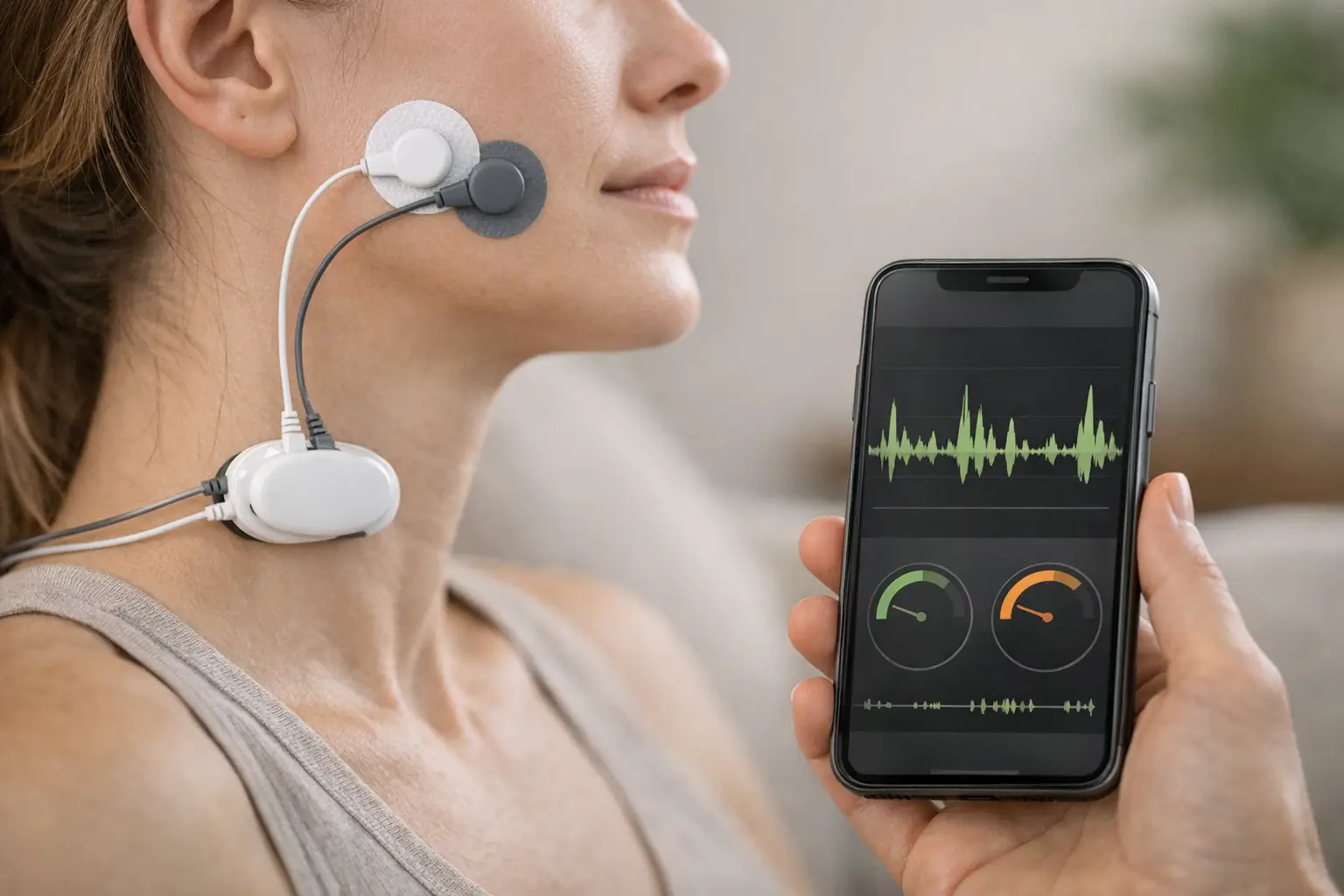
Biofeedback utilizes your brain's ability to control normally automatic muscle activity. Surface EMG electrodes read jaw-muscle tension and provide feedback through auditory tones, visual graphs, or gentle vibrations. When your jaw clenches, a cue tells you to relax.
A randomized clinical trial by Foscaldo et al. compared daytime biofeedback to botulinum toxin type A injections for awake bruxism. Forty-eight participants were split into two groups. After eight weeks:
- Biofeedback users reduced clench events by 59%.
- Botox recipients saw a 68% drop.
- Pain scores improved in both groups with no significant difference.
However, the Botox group experienced transient chewing weakness and needed repeat injections around the four-month mark. Biofeedback had no adverse muscular side effects, making it attractive for those preferring non-pharmacologic interventions.
Getting started
Biofeedback can be delivered through:
- In-office sessions: Therapists place EMG leads and coach you in real time.
- Portable headbands or patches: Wearables sync to a smartphone app, allowing at-home practice.
Initial daily training of 15-20 minutes builds awareness. Many users report spontaneous jaw relaxation during stressful tasks after learning the association.
Why choose biofeedback?
- Empowers you with self-regulation skills
- No needles or medication metabolism required
- Scalable—once learned, you need fewer booster sessions
Potential downsides
- Upfront equipment cost if you buy a device
- Requires motivation and consistency—no passive fix
- Steep learning curve for some; not instant gratification
If you are a data nerd who likes real-time feedback and can commit to short daily sessions, biofeedback could become your low-risk frontline strategy. For more on biofeedback devices, explore this resource.
Temporary Solutions: Contingent Electrical Stimulation
Contingent electrical stimulation (CES) sounds similar to TAVNS but operates differently. Devices such as GrindCare® place adhesive electrodes on facial skin over the temporalis muscle. An algorithm detects jaw-muscle activity that exceeds a threshold and delivers a brief, low-grade electrical pulse. It's like a reflexive "tap on the shoulder" to your masseter.
A perspective by Sladeckova et al. views CES as a bridge option during extensive dental rehabilitation or while other therapies ramp up. Users wore the device nightly for up to six weeks. Findings included:
- Immediate 25-40% drop in EMG burst frequency on the first night
- Clinical reduction in tooth wear progression during prosthetic adjustment
- Reported low discomfort after the first three nights as muscles adapted
Why call it temporary?
CES doesn't rewire behavior long-term. Once the stimulation stops, EMG patterns often rebound within two to three weeks. It's perfect when you need a quick fix—such as waiting for custom crowns—but should be paired with deeper strategies for lasting change.
Pros
- User-adjustable intensity
- No mouthpiece, so people who gag on night guards appreciate it
- Objective EMG data you can share with your dentist
Cons
- Skin irritation or rash in sensitive users
- Potential sleep disturbance if the sensation wakes you
- Costly for a device you may only need short-term
A pragmatic approach is to trial CES under professional supervision, track EMG and symptom improvements, and transition to lifestyle or behavioral therapies to lock in gains.
Children and Bruxism: Special Considerations
Little jaws can grind too, causing disrupted sleep, headaches, and distraction at school. Parents often hear nocturnal squeaking before a child complains.
A systematic review by Al Fallaha et al. compared photobiomodulation therapy (low-level laser) and occlusal splints in children aged 5-12. The review pooled data from eight studies:
- Photobiomodulation: Reduced bruxism episodes by an average of 36%. Sessions lasted 5-10 minutes over three weeks.
- Occlusal splints: Similar episode reduction (34%) but required nightly wear and had higher dropout due to discomfort.
A case report by Mallaguti et al. used botulinum toxin on a severely affected child with success, though that remains a last-line option due to ethical and developmental concerns.
Quality of life and academics
Poor sleep from bruxism correlates with hyperactivity and lower school performance. Teachers may mislabel affected kids as inattentive. Early intervention—splints, laser sessions, or bedtime routines—can normalize sleep and improve focus. For more on managing pediatric bruxism, see this guide.
Parental tips
- Monitor for chipped primary teeth at dental check-ups.
- Set a calming pre-sleep routine: warm bath, reading, no tablets.
- Talk to a pediatric dentist about soft silicone splints if grinding is loud or destructive.
Children's bruxism often fades with age, but proactive management protects developing teeth and supports better sleep and learning.
Conclusion: Finding Your Path to Relief
You don't have to pick just one solution. Start with the basics: adjust your diet, limit caffeine, and adopt a stress-taming ritual. If grinding persists, biofeedback and neuromodulation gadgets like TAVNS or CES can add control without drugs. For kids, consider splints or laser therapy under professional guidance.
Remember, bruxism is multifactorial. Work with a dentist or sleep specialist to build a tailored plan that blends natural methods with appropriate clinical tools. Your jaw—and your sleep partner—will thank you.