The Science Behind Bruxism: Unlocking Its Causes
Explore the scientific research uncovering the causes of bruxism and teeth grinding.
If you wake up with a sore jaw or teeth that feel like they endured a mini earthquake, you're not alone. Up to 10 percent of adults grind or clench their teeth often enough to cause concern. This habit, known as bruxism, was once attributed to "nerves" or a poor bite, but modern research is much more precise. Genes, hormones, sleep patterns, and even your stress-inducing playlist all play a part. In this article, we'll explore the latest science so you can finally answer the big question: Why do I grind my teeth?
Thankfully, scientists are no longer relying on outdated methods like examining bite marks. Instead, they're using genetic screens, polysomnography, and muscle-recording devices to shed light on the causes of bruxism. Grab a cup of decaf—caffeine will be discussed later—and let's get started.
Understanding Bruxism: An Overview
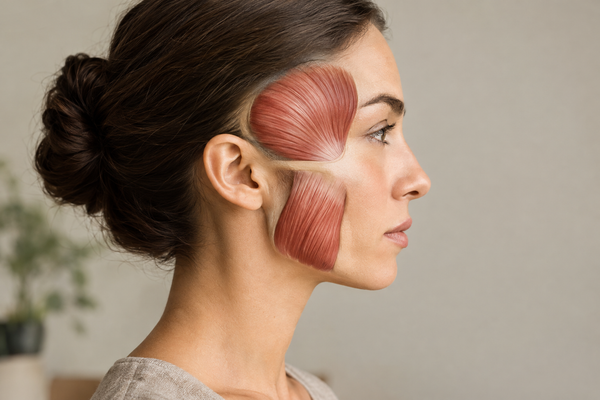
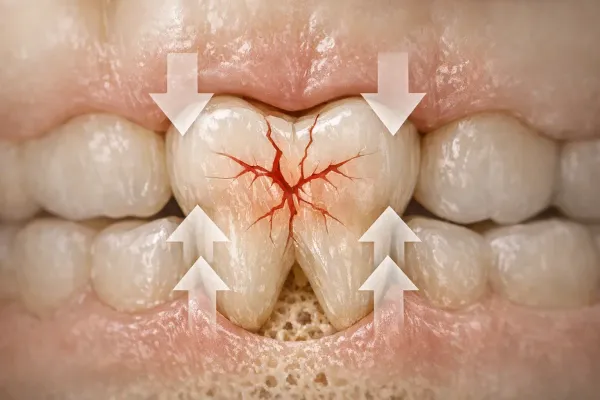
Bruxism is a repetitive jaw-muscle activity that can occur while you’re awake (awake bruxism) or asleep (sleep bruxism). This behavior includes clenching, grinding, or thrusting the lower jaw in ways your dentist wishes you wouldn't. Symptoms can range from chipped enamel and sensitive teeth to morning headaches and clicking jaw joints.
Understanding the causes of bruxism is crucial because it guides treatment. A nightguard protects enamel but does nothing for stress-induced jaw tension, while relaxation therapy helps anxiety but can't fix a genetic dopamine issue. Unraveling the causes also clarifies the link between bruxism and other conditions like insomnia, anxiety disorders, and temporomandibular joint dysfunction.
Research output on this topic has grown significantly over the past decade. A 2023 bibliometric analysis by Al-Moraissi and colleagues found that bruxism publications increased by 150 percent between 2010 and 2022, with genetics and sleep studies leading the way. Ignoring these new findings could leave you grinding in the dark.
Scientists now categorize the causes of bruxism into four overlapping groups: genetic factors, psychological and behavioral triggers, environmental influences, and neurophysiological mechanisms uncovered by cutting-edge diagnostics. Let's explore each one, starting with the genetic factors.
Genetic Factors Influencing Bruxism
"Genes load the gun, environment pulls the trigger." This saying captures bruxism well. Twin studies indicate that heredity explains up to half of the risk for sleep bruxism. The main genetic culprits are those that manage dopamine and serotonin—chemical messengers that keep your brain’s reward and movement circuits running smoothly.
Genetic Polymorphisms
Polymorphisms are small DNA variations that can increase or decrease a gene’s activity. Two well-known variations involve the D3 dopamine receptor gene (DRD3) and the 5-hydroxytryptamine receptor 2A gene (5-HTR2A). When these genes misfire, your brain’s motor control and reward pathways may become active during sleep, prompting the jaw muscles to contract.
A 2026 study by Gassara et al. measured DNA variations and messenger RNA levels of DRD3 and HTR2A in people who grind their teeth. Participants with the risk variant of DRD3 showed a 40 percent increase in gene expression, leading to more dopamine receptors on neurons. This receptor overload may disrupt the normal relaxation of jaw muscles during REM sleep.
Epigenetics—chemical tags on DNA—are also an emerging factor. Chronic stress can add methyl groups to dopamine-related genes, increasing their activity even in people without a risky polymorphism. Early studies suggest that high cortisol levels correlate with epigenetic changes in COMT, another dopamine modulator, and with higher bruxism scores in college students during exams. In simple terms, life events can tweak how your genetic script is read.
Key Genetic Studies
- A 2024 scoping review by Oliveira et al. examined 27 genetic studies and concluded that people with certain DRD3 and COMT polymorphisms are twice as likely to develop sleep bruxism as those without these variants.
- A 2023 meta-analysis by Motahari et al. focused on two 5-HTR2A variants (rs6313 and rs4941573). Carriers of the rs6313 “C” allele had a 1.8-fold higher risk, highlighting serotonin’s role in jaw-muscle overactivity.
In plain language: Your DNA can predispose you to bruxism if key chemical messengers like dopamine and serotonin are out of balance. But genes don't act alone. Stressful days, late-night screens, and even that third espresso can trigger bruxism programmed in your chromosomes.
Psychological and Behavioral Causes
Ask anyone who just finished tax season: stress clenches jaws. Psychological tension is the most common day-to-day trigger people notice. “Why do I grind my teeth?” often pops up in late-night searches after a challenging week. Stress and anxiety do more than occupy your thoughts—they also increase cortisol, a hormone that primes muscles for action even when you’re supposed to be asleep.
Stress and Anxiety
A 2024 narrative review by Voß et al. analyzed 88 papers and found consistent evidence that people with generalized anxiety disorder or high perceived stress report more frequent bruxism episodes. Functional MRI studies in the same review showed hyperactivity in the amygdala, the brain’s fear hub, during jaw-clenching tasks.
Practical tip: Many grinders see quick improvements by pairing a nightguard with a pre-bed relaxation ritual. Five minutes of box-breathing, progressive muscle relaxation, or an app-guided meditation can reduce nighttime EMG bursts by up to 20 percent, according to a small 2022 study from the University of Milan.
Authoritative sources like the Mayo Clinic and the American Dental Association also note that workplace stress, family conflict, and mood disorders are significant behavioral risk factors. They recommend stress-management techniques—such as deep breathing, yoga, or a long-overdue vacation—to keep jaw muscles relaxed.
Sleep Disorders
Sleep and bruxism have a complicated relationship. While grinding occurs in light non-REM and REM sleep, insomnia and fragmented sleep make the episodes worse. A polysomnographic study by Kuang et al. reported that insomniacs experienced 46 bruxism bursts per night on average, compared to 18 in good sleepers. The authors suggested that frequent awakenings provide more opportunities for grinding to occur.
The Sleep Foundation agrees, noting that obstructive sleep apnea, restless legs syndrome, and shift-work sleep disorder often accompany bruxism. In practice, this means your best nightguard might be a sleep-study referral. Fixing broken sleep can reduce grinding. For example, a 42-year-old shift nurse reduced her bruxism index from 32 to 9 events/hour by switching to fixed day shifts and using a mandibular advancement device for mild apnea.
Plain-language takeaway: Stress and poor sleep increase jaw-muscle activity. Tackling anxiety and improving sleep hygiene can lower this activity, even if your DNA is pushing it upward.
The Role of Environmental Influences
While you can't change your genes, and quitting your job may not be feasible, you can adjust lifestyle choices that contribute to bruxism. Environmental factors include everything from late-night energy drinks to the amount of light your phone emits at 1 a.m.
Lifestyle Factors
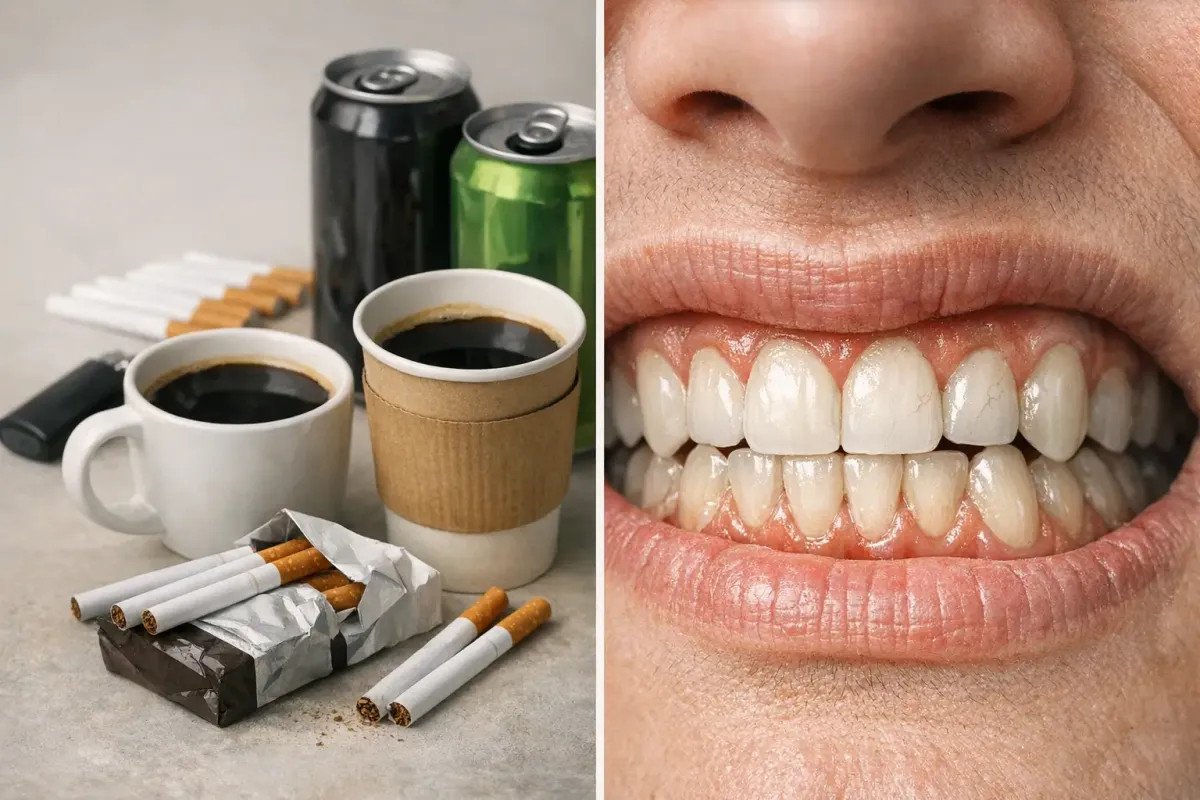
A 2024 review by Thomas et al. highlighted caffeine, nicotine, and alcohol as top contributors. High caffeine intake—about 400 mg or four strong cups of coffee—was linked to a 1.3-fold increase in bruxism episodes. Nicotine stimulates the sympathetic nervous system, essentially telling your jaw muscles to remain alert when they should relax. Although alcohol's sedative effect may sound helpful, it causes rebound arousals that increase grinding later in the night.
For coffee lovers, timing is key: switching your last cup from 4 p.m. to noon can cut overnight caffeine levels in half by bedtime. Smokers who used nicotine patches instead of late-night cigarettes showed a 15 percent reduction in bruxism episodes in a 2021 study, proving that even partial changes can be beneficial.
Dietary habits also play a role. Acidic and sugary foods can weaken enamel, exacerbating any grinding damage. The Cleveland Clinic advises limiting such foods if you already show signs of bruxism. Hydration is also important; dehydration can reduce salivary flow, increasing friction and enamel wear.
External Stressors
Noise pollution, demanding shift schedules, and urban light exposure can influence grinding frequency. Blue light, in particular, delays melatonin release, shifting REM sleep later and prolonging light sleep phases where grinding often occurs. Ergonomic stress—like hunching over a laptop for hours—tightens neck muscles that share nerve pathways with jaw muscles, making nighttime clenching more likely.
Solutions can be surprisingly low-tech: blackout curtains, blue-light-filter glasses, and a 10-minute stretch break every hour can help. One Toronto tech worker logged EMG data with a wearable and saw a 25 percent reduction in jaw-muscle activity after adopting hourly “posture resets.”
Plain-language takeaway: Your environment influences your jaw. Caffeine, nicotine, alcohol, and chronic screen exposure all encourage clenching. Reducing these triggers can help you manage your DNA and stress hormones.
Innovations in Bruxism Assessment
Diagnosing bruxism used to rely on a dentist examining tooth wear, which is like estimating rainfall by checking puddle depth. Modern tools now provide real-time data on muscle activity and sleep stages, transforming guesswork into precise measurements.
Diagnostic Tools
The standout tool is the Standardised Tool for the Assessment of Bruxism (STAB). The 2024 consensus paper by Manfredini et al. describes STAB as a multi-domain checklist combining patient history, clinical exam, and instrumental data. It categorizes bruxism into “possible,” “probable,” and “definite,” depending on whether you just report symptoms, show clinical signs, or wear an EMG sensor that records clear muscle activity.
Portable electromyography (EMG) devices are another significant advancement. Thin electrodes placed near the masseter or temporalis muscles send data to a smartphone. A 2024 systematic review by Cid-Verdejo et al. found that single-night EMG recordings detect up to 90 percent of moderate-to-severe bruxism cases. This accuracy rivals the gold standard of polysomnography but without the high cost of a sleep lab.
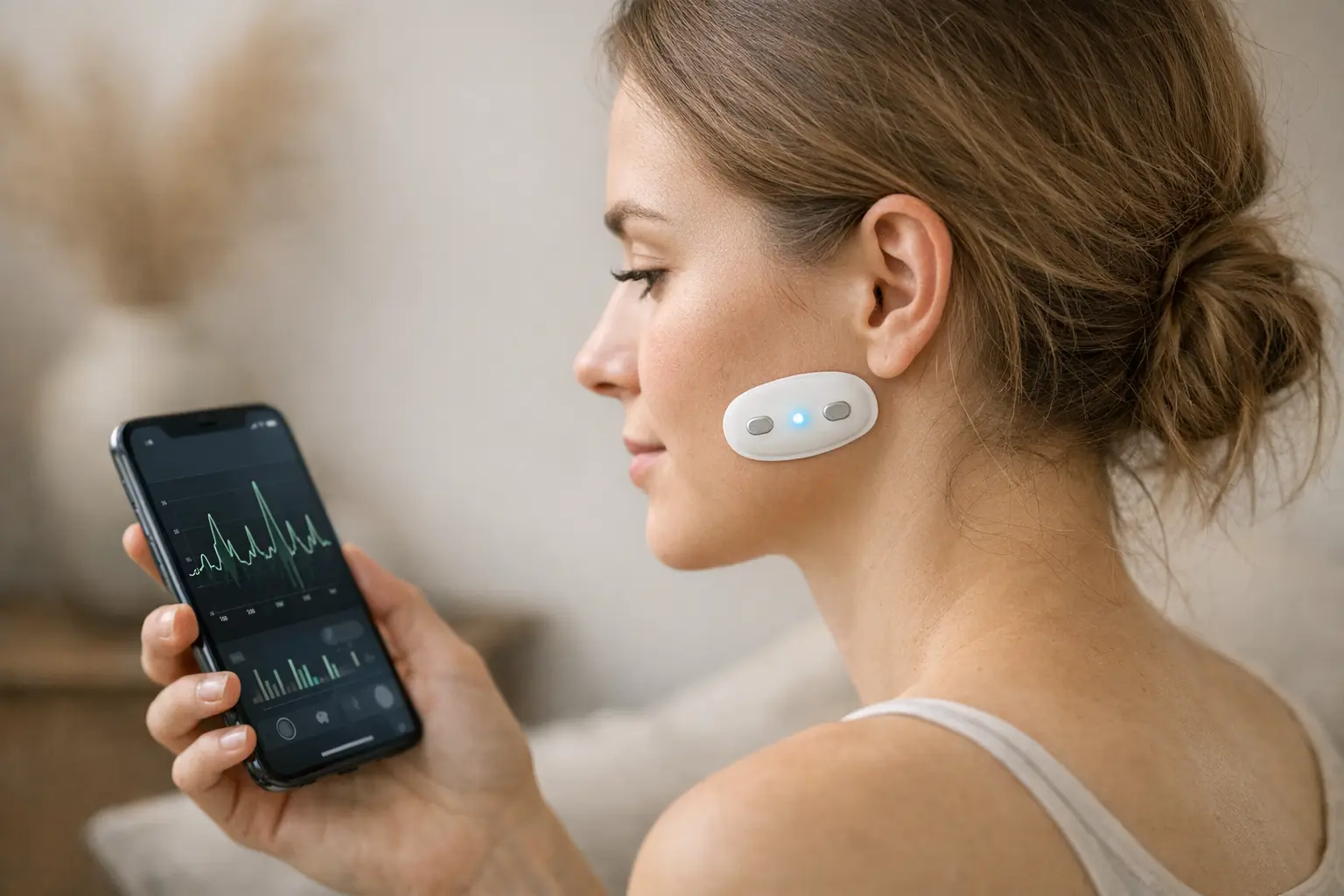
Further advances include smartphone microphones that recognize grinding sounds, and bite-strip devices that change color after reaching a certain pressure threshold, providing instant feedback. Researchers are even developing AI algorithms to predict grinding episodes before they occur.
Future Directions
The next wave of innovation involves combining genetics with real-time monitoring. Imagine a wearable that increases muscle-relaxation feedback when it detects high-risk sleep stages in someone with dopamine-related genetic variants. Neurofeedback and low-intensity transcranial magnetic stimulation, techniques explored for other sleep disorders, are also being trialed for bruxism. If successful, future treatments could be personalized to your unique blend of genes, lifestyle, and nightly muscle patterns.
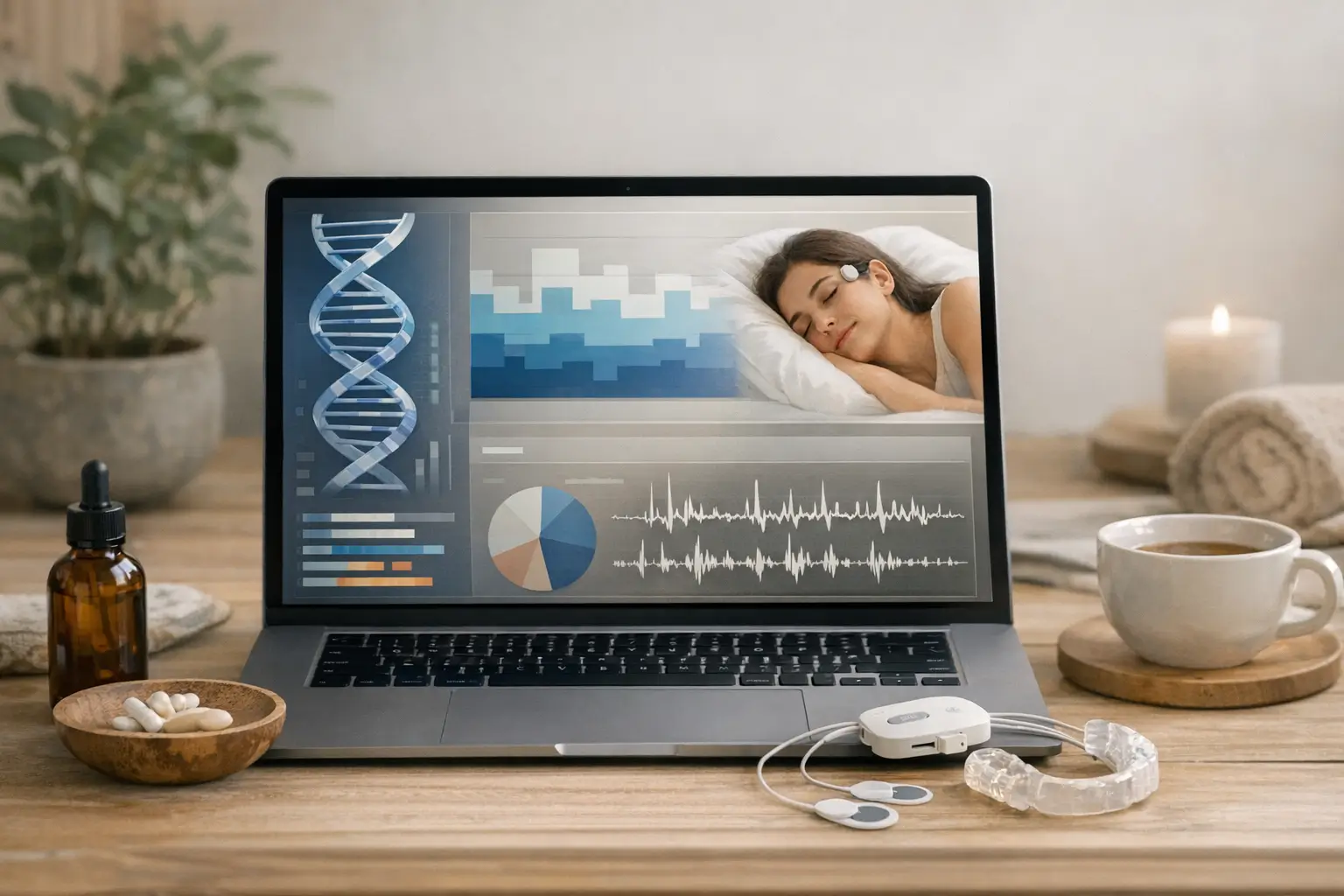
Plain-language takeaway: You no longer have to rely on tooth wear as a delayed signal. Affordable gadgets and standardized checklists make it easier to determine when, how often, and how intensely you grind—essential information for targeted treatment.
Conclusion: Unraveling the Complexity of Bruxism
Bruxism is a multifaceted problem. Genes set the baseline, stress and poor sleep increase activity, and lifestyle choices add complexity. The science shows that the causes of bruxism are multifactorial, which is good news because it offers multiple points for intervention. Adjust your environment, manage your stress, optimize your sleep, and use new diagnostic tools to track progress.
If you're still asking “Why do I grind my teeth?” after reading, consider booking a sleep study or consulting a dental sleep specialist who uses the STAB protocol. Your jaw—and probably your partner—will appreciate more peaceful nights.