What Causes Teeth Grinding in Your Sleep? Understanding Bruxism's Origins
Explore the causes of teeth grinding in sleep, from stress to diet.
Picture this: you wake up, your jaw feels like it did a workout, and your partner says it sounded like you were chewing gravel all night. You, my friend, may be dealing with sleep bruxism, the medical term for teeth grinding during sleep. Nearly one in ten adults experiences this, yet most have no idea why it happens. This article explores the science, stress, snacks, and even your genes to explain why your molars mash after midnight.
Understanding Sleep Bruxism: The Basics
First, let's clarify the terminology. Bruxism refers to repetitive jaw-muscle activity that involves clenching, grinding, or thrusting your lower jaw. When it occurs during the day, it's called awake bruxism. At night, it's known as sleep bruxism, which is our focus today.
How common is it? A review by Terentyeva and colleagues (2025 review) reported that sleep bruxism affects roughly 8–13 percent of adults, peaking in early adulthood and tapering with age. Another analysis by Sonpal et al. (2025 analysis) supports these figures, noting similar rates between men and women.
Since sleep bruxers are unconscious, you usually don't feel the grinding as it happens. Instead, you notice the aftermath:
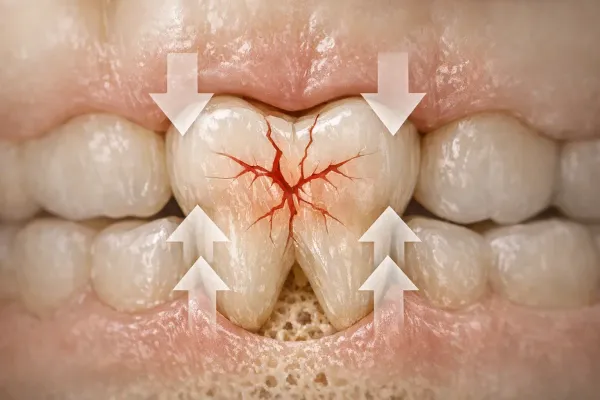
- Flattened or chipped teeth
- Sore jaw muscles in the morning
- Headaches starting near the temples
- Interrupted sleep for you or your partner (the noise can rival a rusty chainsaw)
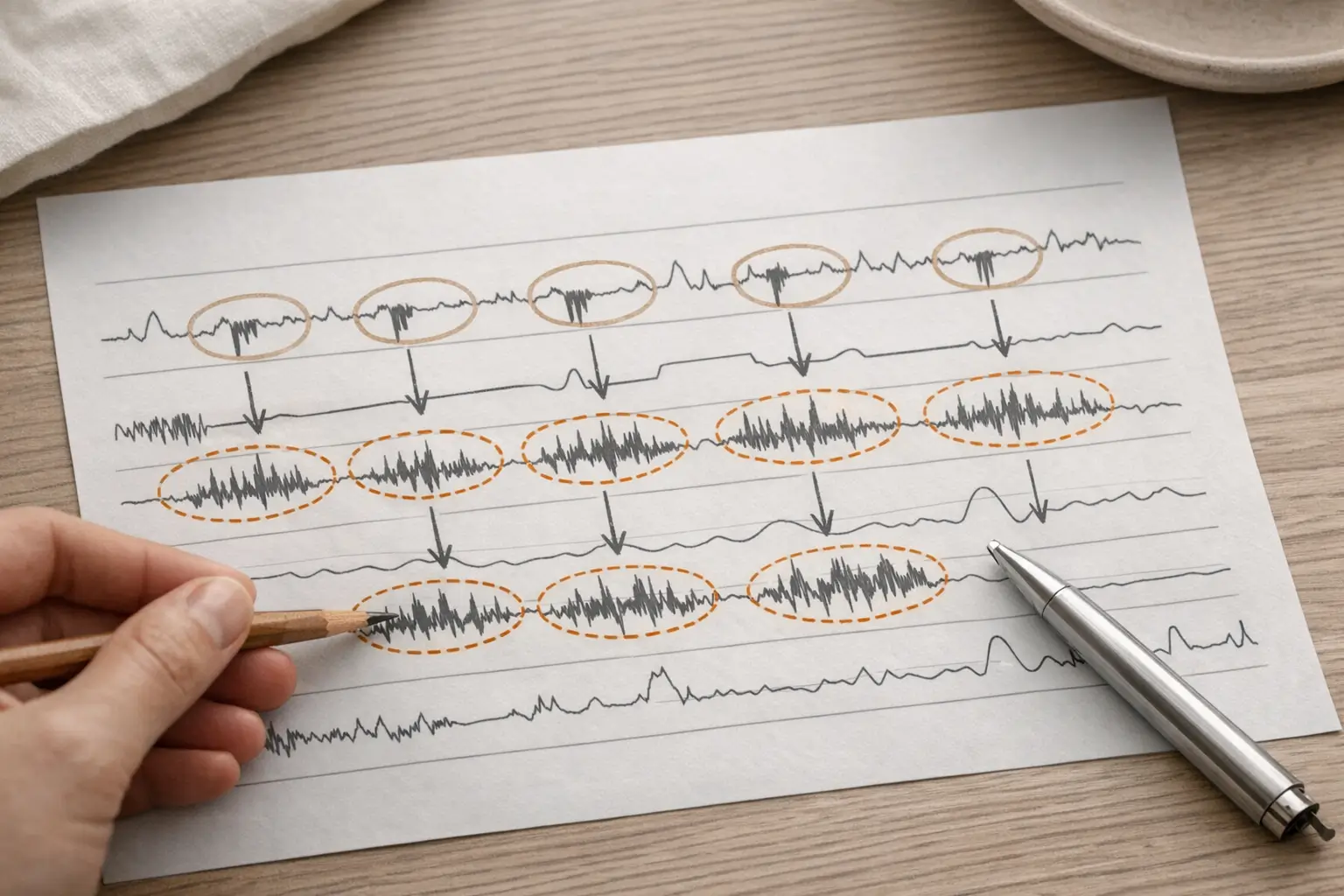
Clinicians identify bruxism primarily by tooth wear that doesn't match your age. Dentists may also use specialized questionnaires or electromyography (surface electrodes tracking jaw-muscle bursts) to confirm the diagnosis. Awake bruxism is often linked to habits or posture, whereas sleep bruxism is less conscious and trickier to manage.
Researchers explore factors influencing the brain stem and sympathetic nervous system during sleep to understand why you grind. These factors include stress hormones, blood-sugar fluctuations, sleep architecture issues, joint problems, genetics, and lifestyle, which we'll delve into next.
Stress and Bruxism: The Cortisol Connection
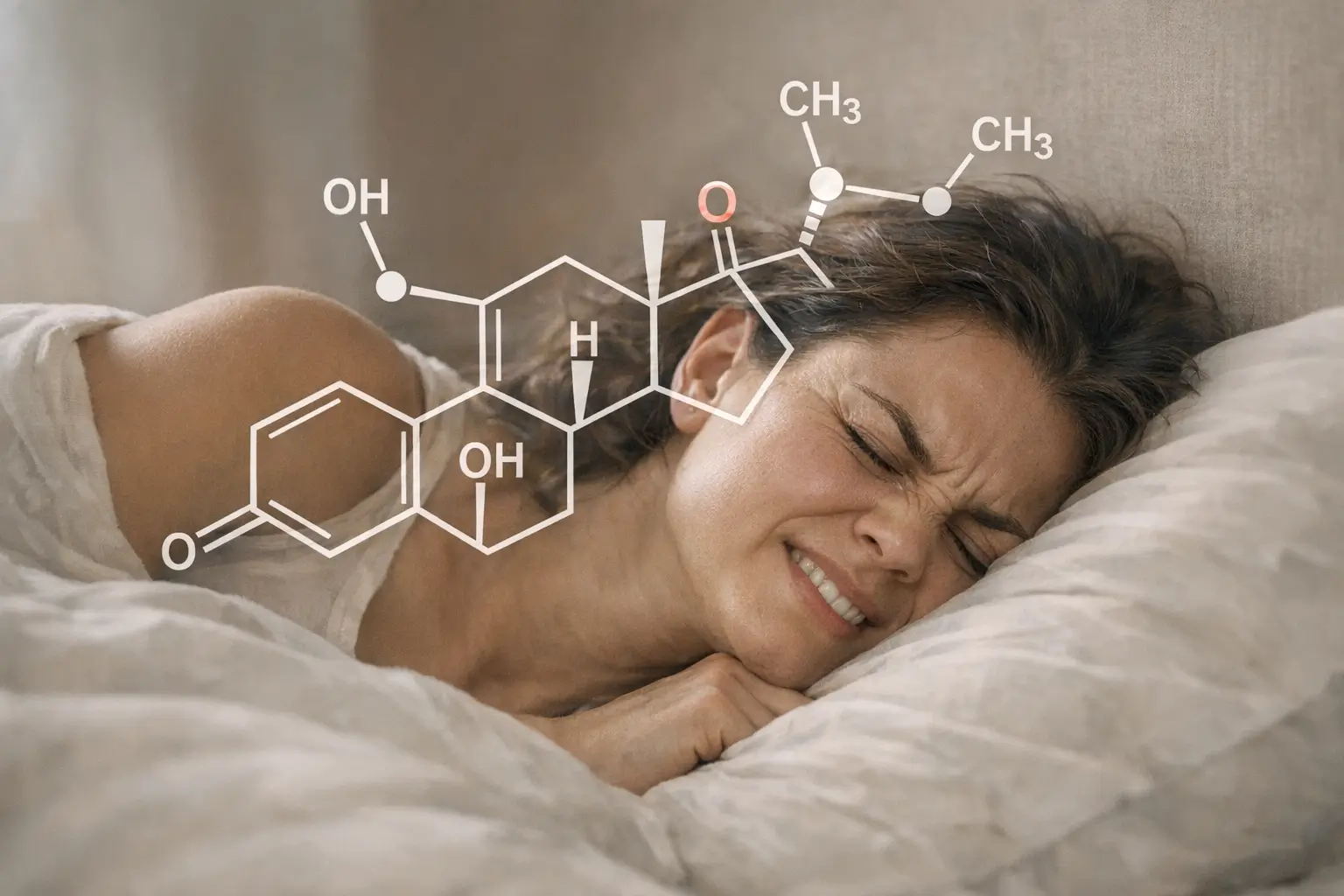
Stress is a primary suspect. It releases cortisol, a steroid hormone that plays a role in the fight-or-flight response. While cortisol peaks about 30 minutes after waking, chronic stress can keep levels elevated continuously. What does this have to do with tooth grinding?
Animal studies provide clues. A rat study by Plongniras et al. (Life, 2025) found that rodents exposed to chronic mild stress developed significant tooth wear compared to stress-free control rats. The stressed rats also showed increased corticosterone (the rodent equivalent of cortisol) and irregular jaw-muscle activity. Although rats aren't humans, the jaw mechanism is similar enough to suggest a direct stress-to-tooth pathway.
Human studies support this link. Galińska and co-authors reviewed 22 clinical trials and found that nighttime grinders often have higher salivary cortisol levels before bed than non-grinders (2025 literature review). The review also noted a pattern: people who manage stress through meditation, exercise, or counseling tend to have lower cortisol levels and milder bruxism episodes.
Here's how cortisol might trigger grinding:
- Stressful thoughts or emotions activate the hypothalamic-pituitary-adrenal (HPA) axis.
- The adrenal glands release cortisol, which can stay elevated during sleep.
- Cortisol increases sympathetic nervous system activity—think higher heart rate and micro-arousals.
- These micro-arousals are linked to bursts of jaw-muscle activity, leading to clenching or grinding.
In short, if your brain is on alert, your jaw is too. Interestingly, short-term stress can trigger grinding in individuals who don't typically brux. The cycle is self-perpetuating: worn teeth cause discomfort, adding stress, which fuels more grinding. Breaking this loop often starts with lowering cortisol through behavioral changes rather than jumping straight to a mouth guard.
Diet and Its Impact on Teeth Grinding
Your diet may influence your jaw muscles at 2 a.m. The focus here is on blood-sugar highs and lows, known as glycemic variability. A pilot study by Taniwaki and colleagues (Journal of Oral Rehabilitation, 2026) used continuous glucose monitors on 23 adults while recording jaw-muscle activity. They found that large nighttime glucose dips coincided with spikes in bruxism episodes. Participants with steadier overnight glucose experienced fewer muscle bursts.
Why would your jaw care about sugar swings? The brain uses a lot of glucose, especially during REM sleep. When glucose drops, the body releases stress hormones (adrenaline and cortisol) to restore sugar levels. This sympathetic surge can awaken the jaw muscles.
Other diet-related factors show softer links but are worth noting:
- Caffeine after noon: It shortens deep sleep and extends light stages where grinding is more common, according to the Mayo Clinic.
- Alcohol at night: It fragments sleep later in the cycle, increasing micro-arousals that trigger jaw activity, per the Cleveland Clinic.
- High-acid or sugary snacks before bed: These can lower oral pH, softening tooth enamel and making it more vulnerable to grinding damage, even if they don't cause grinding directly.
The glycemic link is still new, but the takeaway is simple: aim for balanced evening meals that include protein and slow-burn carbs, and avoid long gaps without food. Keeping blood sugar stable benefits both your jaw and overall sleep quality.
Sleep Disorders and Their Role in Bruxism
Grinding rarely occurs in isolation. It often coexists with other sleep disorders, especially those that increase sympathetic activity. Two significant ones are obstructive sleep apnea (OSA) and periodic limb movement disorder (PLMD).
Apnea causes mini-suffocations when throat muscles relax excessively. Each time airflow stops, oxygen levels drop, the brain panics, and a micro-arousal brings you partly awake. During that surge, you might gasp, kick, and grind. Terentyeva et al.'s review (2025 review) lists OSA as a top comorbidity in nearly 40 percent of bruxers. The constant arousal-grind loop means untreated apnea can reduce the effectiveness of standard dental splints.
Taniwaki’s glucose study also found that fragmented REM sleep, regardless of the cause, increased grinding events. REM is when muscles are mostly paralyzed to prevent acting out dreams, but the jaw is an exception. Disruptions can awaken the motor neurons controlling the masseter (the primary bite muscle).
Other disorders that raise bruxism odds include:
- Restless legs syndrome: Similar dopamine pathways control both limb and jaw movements.
- Insomnia: Prolonged sleep latency and frequent awakenings boost stress hormones.
- Nighttime reflux (GERD): Acid in the esophagus can reflexively tighten throat and jaw muscles.
Diagnostic sleep studies (polysomnography) can determine if grinding episodes follow apneic events or other arousals. If they do, treating the primary sleep disorder (e.g., using a CPAP for apnea) often reduces bruxism frequency significantly. In short, your jaw might be a noisy messenger indicating larger sleep health issues.
The Relationship Between Bruxism and Temporomandibular Disorders
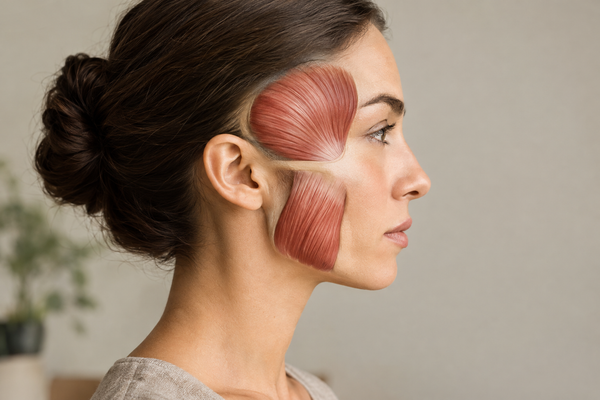
Temporomandibular disorders (TMDs) affect the jaw joint and its muscles. If you grind, you may have heard horror stories about clicking joints and lock-jaw. But does grinding cause TMD, or does TMD cause grinding? The answer appears to be a bit of both.
A narrative review by Voß et al. (Pain, 2024) examined numerous MRI and electromyography studies and concluded that bruxism increases the risk of developing myofascial pain around the jaw, but not necessarily degenerative joint disease. Grinding generates up to ten times the normal chewing load, which can fatigue muscles and strain ligaments.
Conversely, people with existing TMD pain may clench reflexively to stabilize a joint that feels unstable. In a randomized clinical trial, Kahraman and Tunç (BMC Oral Health, 2025) tested vitamin D plus anti-inflammatories in patients with myofascial pain. As pain scores dropped, EMG-recorded bruxism episodes also decreased, suggesting that reducing inflammation in the joint can alleviate grinding.
Here's the practical link:
- Grinding loads the joint and surrounding muscles.
- Micro-tears and inflammation trigger pain receptors.
- Pain alters how you hold your jaw during the day, often leading to more clenching.
- The cycle continues until the joint adapts, muscles tire out, or therapy intervenes.
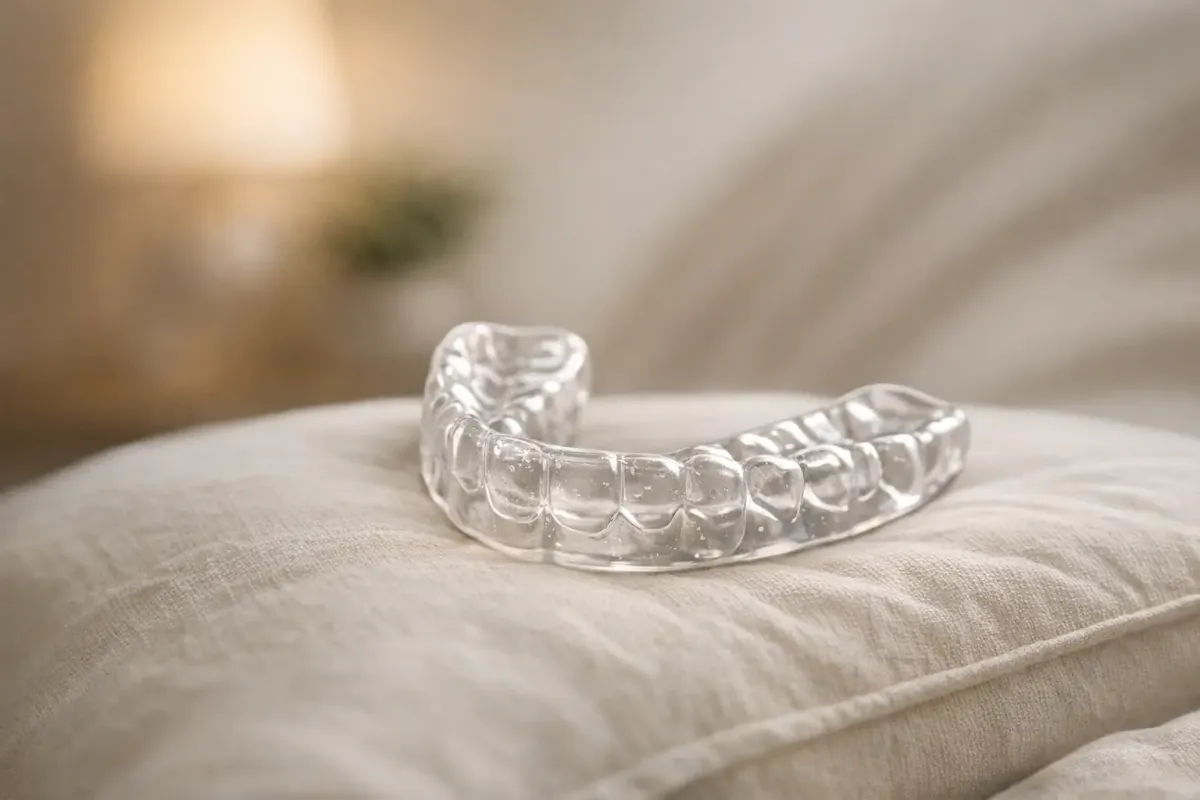
Dental splints (night guards) remain a frontline approach, not because they stop the brain from sending the grind signal, but because they distribute biting force and protect tooth surfaces. Physical therapy, anti-inflammatory meds, and vitamin D supplementation, as studied by Kahraman et al., are part of a multidisciplinary approach.
Other Potential Causes: Genetics and Lifestyle Factors
Stress and sleep explain much, yet some people grind despite zen lifestyles and perfect sleep studies. This is where genetics and biomechanical quirks come in.
Genetic clues first. Research on tooth structure indicates that certain enamel gene variants make teeth slightly softer, increasing the likelihood of visible wear even with normal chewing. A paper on preventive endodontics by Pryles et al. (2026 commentary) suggests that micro-cracks in enamel may signal hereditary weakness. If you inherit brittle teeth, a small amount of grinding leaves a more significant mark, making it easier for your dentist to spot and label you a grinder, whether you objectively grind more or not.
Then there's the biomechanics of your jaw. Zhang and co-authors showed that mechanical stress in gum tissue triggers inflammatory pathways involving IL-1β (Journal of Oral Biology, 2025). People with a steep jaw angle or a deep bite generate higher stress per contact point, potentially setting off these inflammatory cascades at lower thresholds.
Lifestyle also plays a supporting role:
- Smoking: Nicotine is a stimulant that lightens sleep depth and increases nighttime arousal.
- Recreational drugs: Substances like MDMA boost serotonin and dopamine, which can hijack jaw-muscle control, according to the American Dental Association.
- High-impact sports: Constant jaw clenching during weightlifting or martial arts can prime muscles to clench reflexively during sleep.
- Evolutionary leftover: Some anthropologists argue that a hardwired chewing reflex during stress helped early humans sharpen teeth or relieve tension. Whether true or not, modern soft diets leave jaws with idle time and extra mechanical potential.
None of these factors act alone. They mix with stress, sleep, and diet to set your personal grinding threshold.
Conclusion: Managing and Preventing Sleep Bruxism
Teeth grinding in your sleep is rarely caused by a single factor. Instead, it's a combination of stress hormones, fluctuating blood sugar, fragmented sleep, joint pain, and even genetics. The best management plan addresses each of these angles:
- Reduce stress through relaxation training, exercise, or therapy to control cortisol spikes.
- Eat balanced evening meals and limit caffeine and alcohol to stabilize your blood-sugar curve and improve sleep depth.
- Screen for sleep disorders like apnea; if present, treat them first.
- Protect teeth with a well-fitted night guard and address TMD pain with physical therapy or anti-inflammatory strategies.
- Quit smoking and monitor stimulant use to prevent nighttime jaw activation.
Work with both your dentist and, when necessary, a sleep specialist. By addressing multiple factors, you stand the best chance of letting your jaw relax so you can finally enjoy a peaceful night's sleep.