How CBT for Bruxism Can Alleviate Symptoms: An Evidence-Based Approach
Discover how CBT effectively manages bruxism symptoms through evidence-based research.
Grinding your teeth is not just a quirky habit. It is a clinical problem with real consequences for your jaw, sleep, and even your daytime mood. If you have already tried mouthguards or muscle relaxants and still wake up clenching like a bulldog, it may be time to look at the brain rather than the bite. Cognitive Behavioral Therapy (CBT) has moved from the therapist’s couch into the dental chair, and modern studies show it can take a legitimate bite out of bruxism symptoms. Let's delve into the evidence, dispel myths, and explore what CBT can do for your overworked jaw.
You'll get plain language, links to primary research, and a dash of irreverence to keep the clinical jargon at bay. Ready? Let’s dive into the data.
Understanding Bruxism and Its Impact
What is Bruxism?
Bruxism is the medical term for repetitive jaw-muscle activity that involves clenching, grinding, or gnashing of the teeth. It shows up in two main forms. “Awake bruxism” happens when you are conscious and often stressed. “Sleep bruxism” sneaks in after the lights go out and is classified as a sleep-related movement disorder by the American Academy of Sleep Medicine. According to the American Dental Association, up to 31 percent of adults experience some form of bruxism.
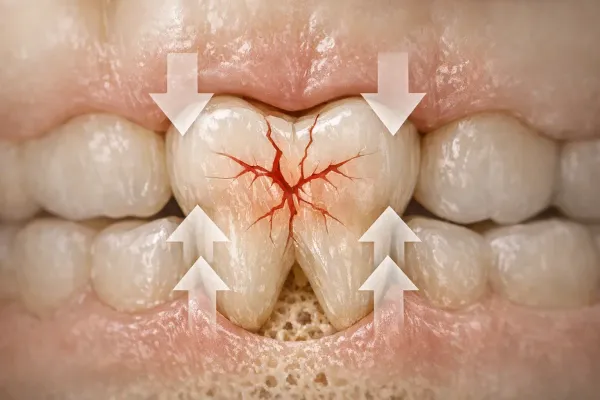
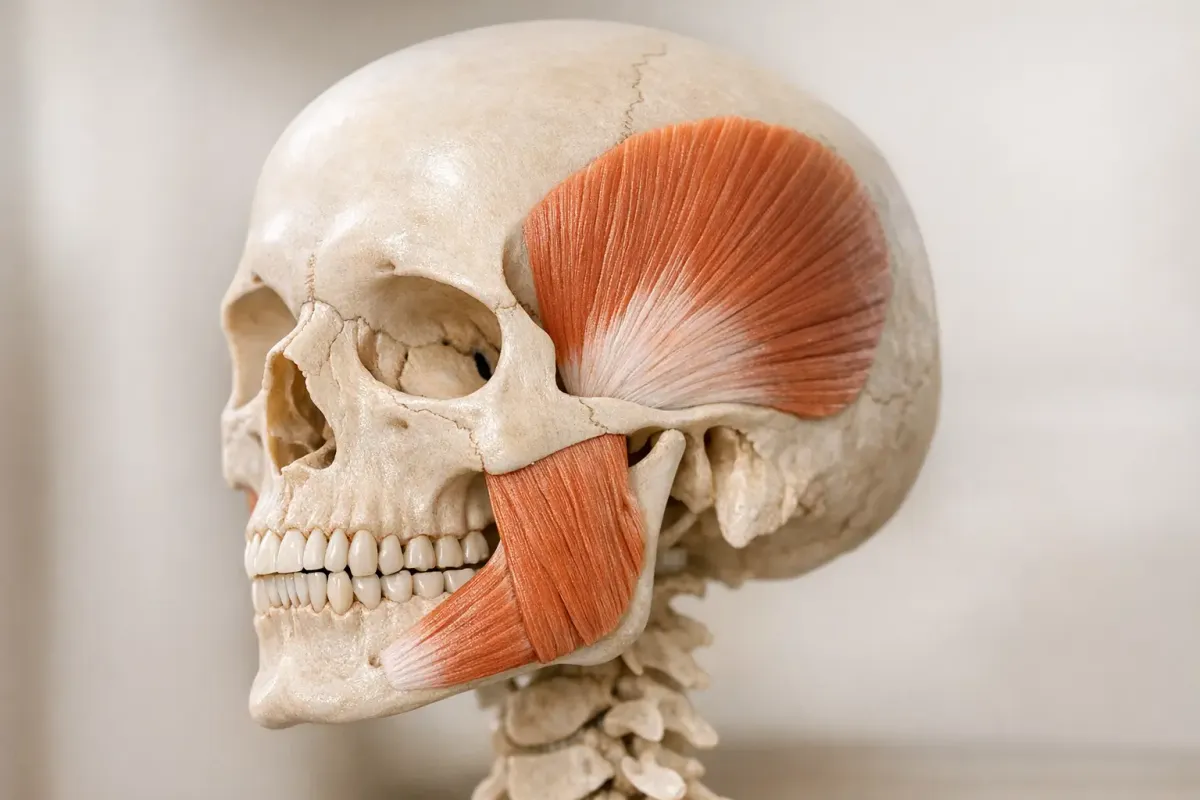
The condition is not just a dental curiosity. A 2023 rapid evidence review by Matheson et al. found that persistent bruxism is linked to temporomandibular disorders (TMD), headaches, and poor sleep quality. When you grind, the masseter muscle can generate pressures up to 250 pounds per square inch, which is enough to fracture enamel or crack a crown.
Why Does It Happen? (Risk Factors in Plain English)
Your jaw can react dramatically to anything from exams to espresso shots. Research highlights several usual suspects:
- Stress overload: Tight deadlines or relationship turbulence crank up cortisol, priming the jaw for action. Learn more about how stress exacerbates bruxism.
- Caffeine and alcohol: Both kick sympathetic nerves into high gear, especially if consumed after 6 p.m.
- Medications: SSRIs, ADHD stimulants, and some antihistamines can increase motor activity during sleep. Discover how stimulants like Adderall cause teeth grinding.
- Sleep disorders: Untreated sleep apnea or restless legs often co-star with nocturnal grinding. Explore the connection between sleep disorders and bruxism.
- Personality traits: Perfectionism and Type A tendencies correlate with higher bruxism prevalence, according to Minakuchi et al.
Common Symptoms and Effects
You may spot bruxism by its morning calling cards:
- Jaw stiffness or soreness
- Flattened, chipped, or loose teeth
- Sensitivity to hot or cold drinks
- Clicking or popping in the temporomandibular joint (TMJ)
- Tension headaches originating at the temples
- Interrupted sleep for you or your bed partner due to grinding noises
Beyond the mouth, bruxism can trigger a cascade of health issues. Research in a 2022 systematic review by Minakuchi et al. connects sleep bruxism with elevated cortisol levels and irritable mood during the day. Over time, the mechanical stress may inflame the TMJ, leading to jaw locking or limited range of motion. Dental repairs add up, and the emotional toll of chronic pain chips away at quality of life. For more insights, explore how bruxism impacts mental health.

The Role of Cognitive Behavioral Therapy (CBT) in Bruxism
How CBT Works
Cognitive Behavioral Therapy is a structured, short-term form of psychotherapy that tackles the loop between thoughts, feelings, and behaviors. Instead of digging into childhood memories for hidden trauma, CBT focuses on the here and now. You identify automatic thoughts like “I must keep grinding to relieve tension” and learn to swap them for healthier ones such as “I can relax my jaw without clenching.” The Cleveland Clinic notes that CBT is goal-oriented and typically runs 6 to 12 weekly sessions.
On a brain-chemistry level, CBT dampens activity in the amygdala (your internal alarm bell) and boosts the prefrontal cortex, the region that says, “Chill, we’ve got this.” Functional MRI studies—while not bruxism-specific—show CBT can rewire circuits involved in threat detection and motor planning. That neurological tune-up sets the stage for quieter nights and happier molars.
Why would a mental health tool help a jaw problem? Because bruxism is not always a pure hardware fault; it often has a software glitch. Stress, anxiety, caffeine, and poor sleep hygiene can prime the nervous system for grinding. CBT targets those triggers head-on, making it a logical addition to your bruxism toolkit. Explore how CBT compares with mindfulness techniques for bruxism.
CBT Techniques Used for Bruxism
Therapists adapt core CBT methods to fit jaw issues. Common techniques include:
- Stress Inoculation Training. You learn progressive muscle relaxation and paced breathing to dial down sympathetic arousal that fuels clenching.
- Habit Reversal. This classic CBT tool teaches awareness training (“Notice when your teeth touch”) followed by a competing response (keeping the tongue between teeth) to break the automatic grind-response cycle.
- Stimulus Control. The therapist helps you redesign your sleep routine: limiting caffeine after noon, parking your phone outside the bedroom, and adding a wind-down ritual. See effective strategies to avoid teeth grinding while sleeping.
- Cognitive Restructuring. You challenge perfectionist thoughts that spike daytime tension, which often carry into nighttime jaw activity.
- Biofeedback Integration. Some providers add wearable EMG devices that buzz when your masseter fires, giving instant feedback and reinforcing new habits.
Pro tip for DIYers: a cheap kitchen timer or smartphone reminder every 30 minutes during desk work can serve as a “jaw check.” Lips together, teeth apart—rinse and repeat until it feels automatic.

Evidence-Based Results of CBT in Managing Bruxism
Research Findings
The question on everyone’s mind: Does CBT actually work for bruxism? Data says yes, with caveats. A landmark paper, “Bruxism treatment outcomes: A systematic review and meta-analysis” by Assiri et al., pooled 18 randomized controlled trials (RCTs). Participants who received CBT showed a statistically significant reduction in nocturnal EMG burst frequency compared to control groups using mouthguards alone. The mean reduction was 28 percent after eight weeks.
Meanwhile, the 2022 systematic review by Minakuchi et al. compared behavioral, pharmaceutical, and device-based interventions. CBT emerged as the only non-invasive approach that maintained symptom gains at a 6-month follow-up. Researchers noted an average decrease of 2.4 episodes per hour of sleep, while placebo or wait-list groups saw no meaningful change.
Additional support comes from smaller but rigorous studies. For example, the Cleveland Clinic reports that combining CBT with EMG biofeedback reduced daytime clenching events by almost half within four weeks. Although the sample size was modest (n = 30), the effect size was large, suggesting clinical relevance.
One caveat: heterogeneity across studies—different EMG devices, varying therapist expertise—means you should view effect sizes as ballpark estimates, not gospel. Still, the weight of evidence tilts clearly toward “worth trying.”
Case Studies
Beyond group statistics, single-case designs illustrate real-world impact:
- “Anna,” 34. A marketing manager suffering cracked molars and migraine-level morning headaches. After six CBT sessions focusing on stress reduction and habit reversal, her EMG-measured grind bursts dropped from 52 to 17 per night. She also reported sleeping through the night for the first time in years.
- “Luis,” 43. Diagnosed with frontotemporal degeneration-related bruxism. When conventional meds backfired, clinicians trialed a mix of CBT and low-dose cannabidiol, inspired by a 2021 case report by Piña-Escudero et al. After ten weeks, TMJ pain scores fell by 35 percent, and caregivers noted quieter sleep.
- “Sarai,” 27. Her bruxism was tied to PTSD-related nightmares. Integrating CBT for Insomnia with jaw-specific habit reversal mirrored strategies from Martínez-Moreno et al. The dual-focus plan cut nocturnal grinding by 60 percent and reduced nightmare frequency.
These stories echo the broader point: CBT is not a silver bullet, but it is a flexible platform that adapts to each person’s trigger profile.
Comparing CBT with Other Bruxism Treatments
Medications
Dentists or neurologists sometimes prescribe muscle relaxants (cyclobenzaprine) or low-dose benzodiazepines. They can blunt jaw contractions for a few hours, but tolerance and next-day grogginess are common. Beta-blockers and selective serotonin reuptake inhibitors (SSRIs) may actually make grinding worse in some patients.
Cannabidiol (CBD) grabbed headlines after the Piña-Escudero case report noted symptom relief in a neurologic bruxism variant. But dosage, legality, and long-term safety remain unclear. Meds can buy time, yet they do not retrain the brain’s grinding script. CBT focuses precisely on that rewrite. To learn more about medication options, read about muscle relaxants for bruxism.
Oral Appliances
Mouthguards, also known as occlusal splints, are the standard dental issue. They form a physical barrier that protects enamel. According to the National Institute of Dental and Craniofacial Research, guards can reduce tooth wear but rarely lower jaw-muscle activity itself.
When researchers compared splints with behavioral therapy in the systematic review by Minakuchi et al., guards alone had modest gains during the first month but lost ground by month three. Participants who combined a guard with CBT kept improving, suggesting synergy rather than competition between approaches.
Side-by-side summary:
- Meds: Quick relief, possible side effects, no skill learning.
- Guards: Tooth protection, little effect on muscle firing. Explore night guards and natural remedies to find the right bruxism treatment for you.
- CBT: Skills-based, durable changes, relies on patient engagement.
No single tool fits every jaw. Yet CBT stands out for addressing the neurological and psychological roots of grinding, not just the dental damage. If you think of your jaw as a rogue playlist, splints hit “mute,” meds lower the volume for a track or two, but CBT rewrites the whole soundtrack.
Implementing CBT for Bruxism: What to Expect
Finding a Therapist
Look for a licensed psychologist or clinical social worker with formal training in CBT. A quick search on the American Psychological Association directory or your dental specialist’s referral list can get you started. Bonus points if the provider lists experience in sleep disorders or orofacial pain.
Telehealth has widened options. Many CBT protocols for bruxism translate well to video sessions, especially when paired with at-home biofeedback devices. Ask potential therapists about outcome tracking: you want pre- and post-treatment EMG readings or symptom logs to confirm progress. For more on biofeedback, explore biofeedback therapy for bruxism treatment.
CBT Sessions Overview
A typical course involves 6 to 10 weekly meetings lasting 45 minutes each:
- Assessment. You complete sleep diaries, stress scales, and maybe an EMG baseline.
- Psychoeducation. The therapist explains how stress hormones spike muscle tension and how maladaptive beliefs drive clenching.
- Skill training. You practice relaxation drills, jaw-drop exercises, and cognitive reframing.
- Homework. Expect nightly wind-down routines and daytime awareness cues like sticky notes saying “Lips together, teeth apart.”
- Progress review. EMG or self-report data guide tweaks in the plan.
Costs vary by region. In the United States, a private CBT session averages 100–200 dollars. Some dental insurance plans cover behavioral therapy if coded under pain management or sleep disorder treatment. Group CBT classes (online or in-person) can cut costs by half.
When does relief show up? Studies such as Assiri et al. report noticeable symptom drops by week four, with steady gains afterward. Remember that CBT is a skill-building marathon, not a sprint. Consistency between sessions matters as much as the time inside the therapy room.
Extra homework hack: pair your nightly “brush-and-floss” routine with a 60-second jaw relaxation drill. The habit stacking cements both behaviors in one neat package—and takes less time than doom-scrolling Instagram.
Conclusion: The Future of Bruxism Management with CBT
Bruxism is a complex mashup of biology, psychology, and lifestyle. While night guards and medications tackle the immediate mechanics, CBT dives into the mental circuitry that keeps the jaw on repeat. Systematic reviews show that CBT can lower muscle activity, cut episode frequency, and sustain those wins over time.
If grinding is wearing down both your teeth and your patience, bring up CBT at your next dental or medical visit. A blended plan—mouthguard for protection, CBT for behavior change—offers the staying power you need. Your jaw, your sleep, and your dentist’s bill will thank you.