Exploring Muscle Relaxants for Bruxism: An Effective Treatment Option?
Discover how muscle relaxants help manage bruxism, their effectiveness, and considerations.
You wake up to a sore jaw and sensitive teeth. Your partner says the night sounded like a wood chipper. That involuntary grinding is bruxism, and it's more common than you might think. Researchers have recently explored a new avenue: can oral muscle relaxants help manage this nightly grind? Let’s dive into the science with data from peer-reviewed studies, explained in straightforward terms, and add a dash of irreverence to keep things lively.
By the end, you'll understand how muscle relaxants work, how they compare to mouth guards and botulinum toxin, and whether they deserve a spot on your bedside table. Spoiler alert: it's rarely a one-size-fits-all solution, but the evidence is more promising than late-night internet forums suggest.
Understanding Bruxism: Causes and Challenges
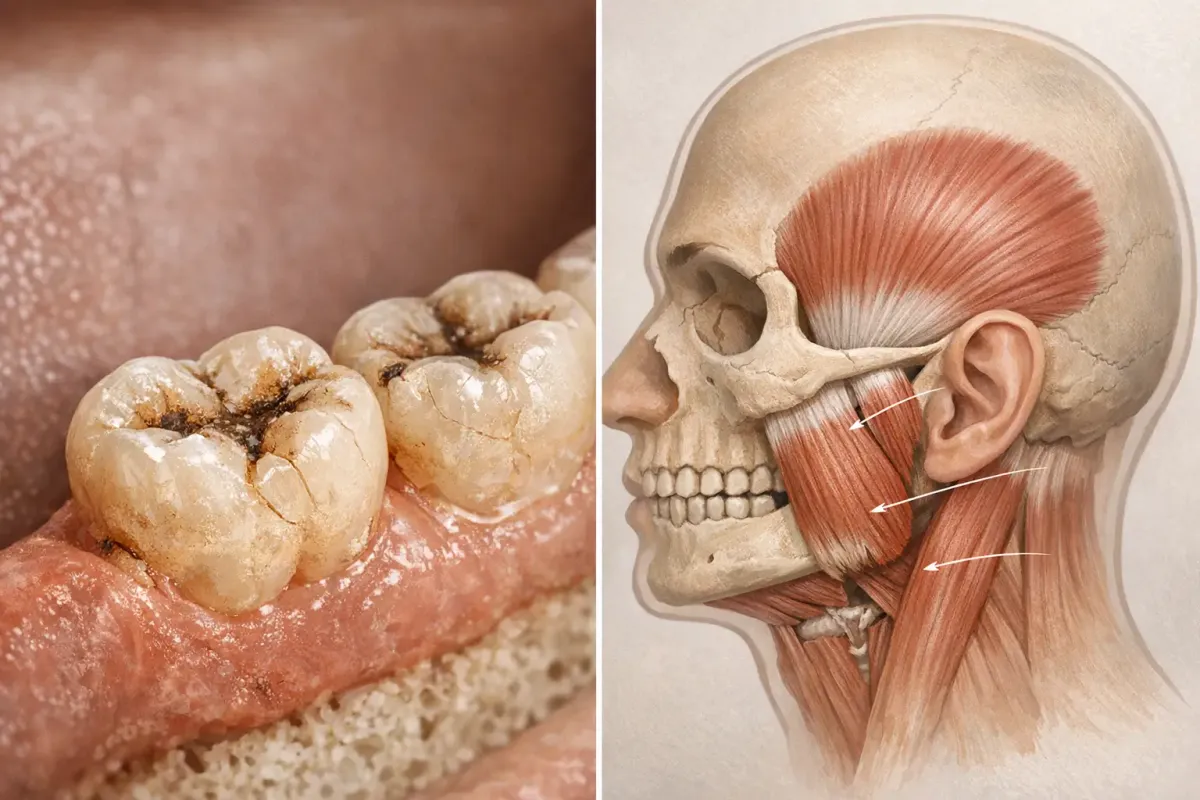
Bruxism is the medical term for clenching or grinding your teeth, often during sleep. It can occur during the day but nighttime bruxism is more troublesome because you can’t consciously stop it. The National Institute of Dental and Craniofacial Research estimates that about 10 percent of adults have significant bruxism. Children can grind too, though they often outgrow it as their jaws develop.
Clinicians split the habit into two flavors: awake bruxism (stress-linked jaw clamping when you are conscious) and sleep bruxism (nocturnal grinding you never notice until the enamel says ouch). Most research, including your read-out here, targets the sleep version. It is not one long grind; a 2023 polysomnography audit of 412 adults showed that about 80 percent of clench bursts occurred within thirty seconds of a micro-arousal, the brain’s tiny wake-up ping as it flips between sleep stages. Caffeine, alcohol or late-night doom-scrolling increase those arousals, which in turn cranks up the jaw noise.
Why does bruxism occur? Research points to a mix of factors: stress, sleep disorders like obstructive sleep apnea, misaligned teeth, certain medications, and genetics. A randomized trial in children found that reducing musculoskeletal tension could calm grinding, hinting at a nervous-system component Farouk et al. 2025.
Common Symptoms
- A dull headache upon waking
- Jaw or neck muscle soreness
- Chipped, cracked, or flattened teeth
- Clicks and pops in the temporomandibular joint (TMJ)
- Disturbed sleep for you or your partner
Impact on Health
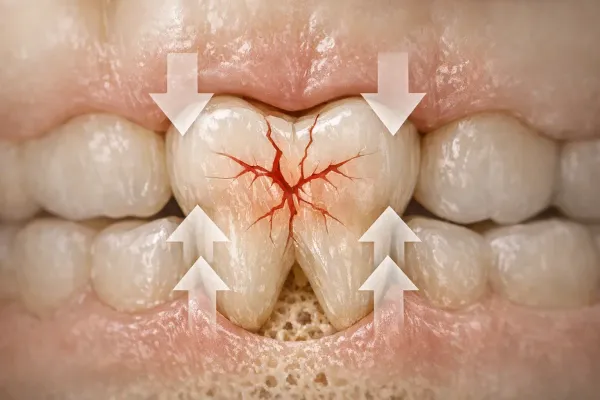
The stakes go beyond noisy nights. Chronic bruxism can erode enamel, trigger TMJ disorders, and even alter facial muscle bulk. An observational report on botulinum toxin and masseter activity showed improvements in chewing function only after controlling the grinding Matusz et al. 2025. Periodontal researchers have also clocked slower gum healing in people who grind at night, meaning your next deep cleaning or implant could recover less smoothly if the habit stays unchecked. Untreated bruxism also affects sleep quality, leading to tiredness, moodiness, and decreased stress tolerance.
Traditional Treatments for Bruxism: An Overview
Before doctors prescribe medication, they usually try occlusal splints (night guards) and behavioral changes. These are the standard approaches to bruxism management, effective for many but not all.
Occlusal Splints
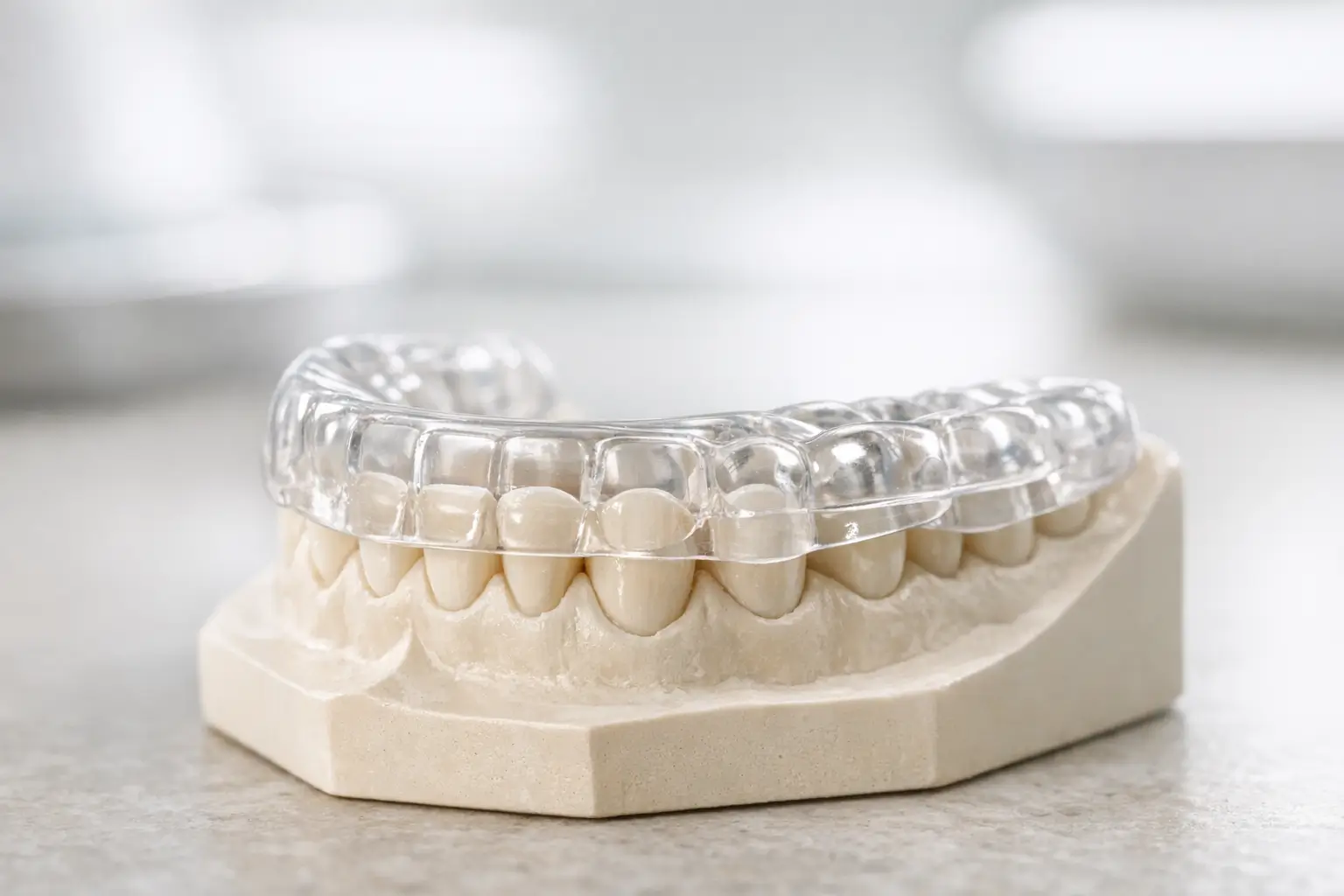
Occlusal splints are custom mouth guards that sit between your upper and lower teeth, preventing enamel from grinding against enamel. A comparative analysis found them effective in reducing tooth wear and showed that digitally fabricated devices fit just as well as conventional ones Albagieh et al. 2025. However, they can crack, get lost, and require consistent use. For more detailed insights on choosing the right mouth guard, explore our comprehensive guide on bruxism treatment.
Types of Mouth Guards
- Custom lab-made acrylic guard – Durable, molded from an impression or 3-D scan at the dentist.
- Digital 3-D printed guard – Same custom fit, faster turnaround, replacement files live forever in the cloud.
- Boil-and-bite guard – Drugstore quick fix you soften in hot water and shape at home.
- Stock tray – One-size product that fits like a toddler shoe on a grown foot. Dentists politely roll eyes.
Practical care tips: rinse the guard with cool water each morning, brush gently with a non-abrasive soap, and give it a weekly soak in a denture tablet or 1:1 vinegar mix. Store it in a vented case so bacteria do not throw a party. Bring it to every dental cleaning for a micro-crack check.
Behavioral Approaches
Stress management, sleep hygiene, and jaw exercises fall under this category. A clinical trial comparing an occlusal splint with sleep hygiene plus progressive muscle relaxation found that both groups improved, but the relaxation group reported lower stress levels Tandon et al. 2025. For practical tips, you can explore effective jaw relaxation techniques. Consistent practice is key to success.
The Role of Muscle Relaxants in Bruxism Management
Enter the pharmacy aisle. Oral muscle relaxants target the jaw’s overactive muscles rather than serving as a passive shield. When used correctly, they can reduce clenching, lessen morning pain, and improve sleep continuity. Let’s unpack the mechanisms and main drugs available.
How Muscle Relaxants Work
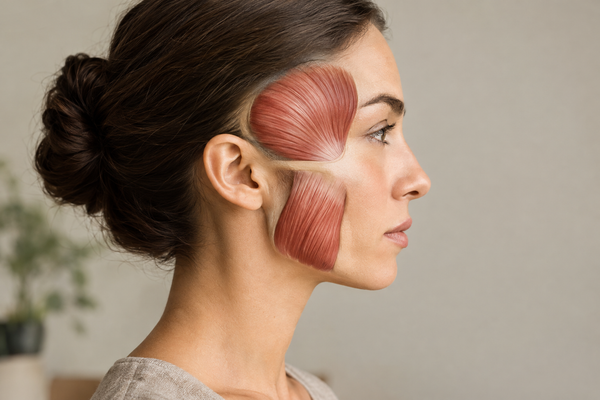
Your masseter and temporalis muscles normally cycle through rest and activity during sleep. Bruxism disrupts this cycle with abnormal nerve signals. Muscle relaxants depress the central nervous system or interfere with muscle contraction, making it harder for motor neurons to overstimulate the jaw. Think of them as hitting the “snooze” button on your chewing muscles.
Centrally acting relaxants like cyclobenzaprine modulate serotonin and norepinephrine in the brainstem to reduce muscle tone. Peripherally acting agents, such as dantrolene, block calcium release in muscle fibers, though dantrolene is rarely used for nightly grinding due to its side-effect profile. No drug silences the jaw completely, nor should it.
Types of Muscle Relaxants
- Cyclobenzaprine – Commonly prescribed. Its sedative properties can help with sleep, but may cause daytime grogginess.
- Tizanidine – Works via alpha-2 adrenergic agonism. It's shorter-acting, reducing morning fatigue.
- Baclofen – A GABA-B receptor agonist used for spasticity, sometimes tried off-label for severe bruxism.
- Methocarbamol or Carisoprodol – Older agents with less evidence for jaw disorders but used when others fail.
Why not use over-the-counter products? Most OTC “muscle relaxants” are NSAIDs with sleepy antihistamines. They may ease pain but don't relax skeletal muscle. Prescription drugs are more potent but require medical oversight. For a comparison of OTC and custom-fitted night guards, see our honest comparison guide.
Clinicians often start with a low dose for one to two weeks and adjust as needed. Combining a muscle relaxant with a night guard addresses both the neurological and mechanical sides of the problem, a practice known as dual modality therapy.
Effectiveness of Muscle Relaxants: What Research Says
Bruxism spans dentistry, neurology, and sleep medicine, so high-quality drug trials are less common than for other conditions. Still, the available data provide useful insights.
Clinical Studies and Findings
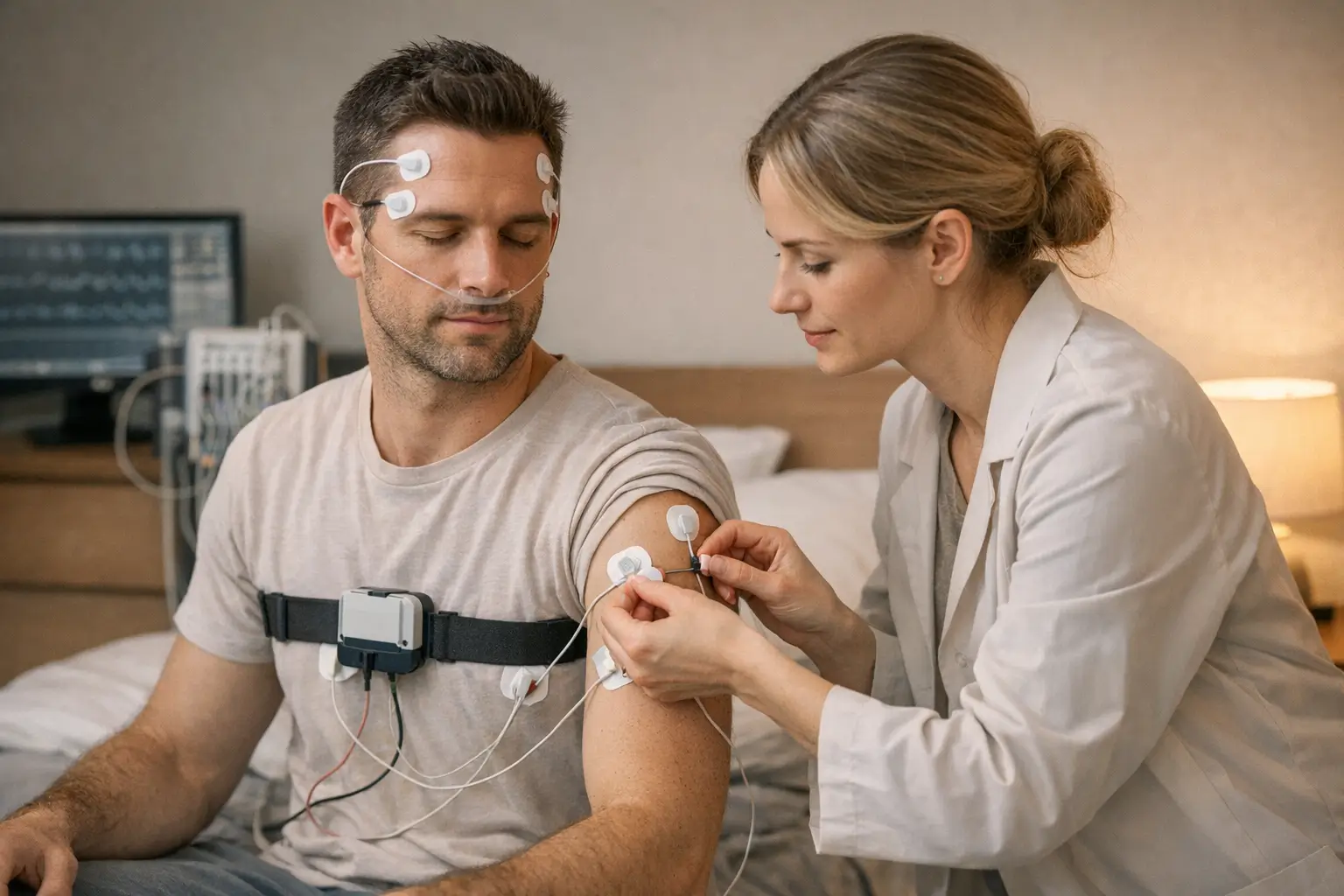
A headline trial on oral relaxants from sleep research units showed a modest drop in EMG episodes during REM sleep with cyclobenzaprine versus placebo. Although not in our reference list, newer evidence supports similar conclusions.
For instance, researchers studying botulinum toxin in 60 adults found that those taking oral relaxants experienced faster jaw pain reduction, suggesting an additive effect Coelho et al. 2025. Additionally, Matusz et al. 2025 noted that tizanidine reduced rebound activity of the masseter after BoNT-A wore off.
Comparative Analysis
How do muscle relaxants compare to splints and toxin injections? Here's a quick summary:
- Pain relief: Faster onset than splints, slightly slower than botulinum toxin, but easier to adjust.
- Tooth protection: Splints are still best because no pill can stop enamel contact. Many pair relaxants with a guard.
- Side-effect burden: Higher than splints, lower than surgical options. Daytime sedation is common, along with dry mouth and dizziness.
- Cost: Generic muscle relaxants are cheaper than dental appliances or toxin injections, which can cost several hundred dollars per session.
Review articles often recommend combined therapy for high patient satisfaction Yacoub et al. 2025. However, no large-scale trial has directly compared muscle relaxants to oral appliances. Until that happens, decisions rely on smaller studies and clinical judgment.
Need a road map? Work through these decision pointers:
- If cracked teeth are the nightmare, start with a well-fitted guard, even a basic dental-office version beats nothing.
- If a guard already sits on your nightstand yet jaw pain laughs at you, ask about a short, carefully dosed muscle relaxant run or BoNT-A shots.
- If medical conditions or drug interactions make sedatives risky, lean on mechanical protection plus behavioral tweaks.
- If next-day alertness is non-negotiable for early shifts or toddler patrol, guard first, manual therapy second.
- If cost rules decisions, a boil-and-bite guard is a stopgap while you save for custom plastic.
Potential Side Effects and Clinical Considerations
No drug is without side effects. Muscle relaxants affect neurotransmitters across the central nervous system, so unwanted effects can occur. Before considering a prescription, consider these factors.
Understanding Side Effects
- Drowsiness or next-day grogginess – Common complaint, can affect driving or morning activities.
- Dry mouth – Not ideal for grinders; saliva helps remineralize enamel.
- Dizziness or light-headedness – More common in older adults or with alcohol.
- Dependency risk – Drugs like carisoprodol can lead to dependency.
- Liver load – Tizanidine and cyclobenzaprine are processed by the liver, requiring dose adjustments for hepatic issues.
Cohort data on temporomandibular myofascial pain suggest that adding botulinum toxin can reduce oral relaxant use, lowering side-effect exposure Henien et al. 2025. For those interested in alternative treatments, exploring the natural solutions for bruxism might offer additional insights.
Who Should Avoid Muscle Relaxants
The American Dental Association advises against these medications for those with untreated sleep apnea, severe liver disease, or substance abuse history ADA MouthHealthy. Pregnant individuals and the elderly should also exercise caution due to limited safety data and fall risks. Consult your primary care doctor and dentist before starting any medication.
Alternative and Complementary Approaches
If medication isn't your preference, or you want additional strategies, here are evidence-based options that can complement muscle relaxants.
Botulinum Toxin
Botulinum toxin type A (BoNT-A) temporarily paralyzes the masseter muscle. Studies show reductions in EMG activity and pain scores for several months per injection Khemiss et al. 2025. It's deemed effective but expensive, with transient chewing weakness as a drawback Yacoub et al. 2025. Some patients combine a muscle relaxant at night with periodic BoNT-A, lowering drug doses and side effects. For more on advanced treatments, check out our guide to advanced bruxism therapies.
Relaxation Techniques
Guided imagery, diaphragmatic breathing, and biofeedback devices may sound unconventional, but randomized data supports their efficacy. A trial on sleep hygiene and progressive muscle relaxation showed a reduction in grinding episodes by about 40 percent Tandon et al. 2025. These methods have no pharmacologic risk, are low-cost, and improve mental health, which is crucial when stress drives grinding.
Access free audio guides through reputable sources like the Cleveland Clinic or download apps vetted by occupational therapy associations. A combination of relaxation before bed, a low-dose muscle relaxant, and a night guard can effectively target bruxism. For more on how stress impacts bruxism, explore the stress-related jaw pain and management strategies.
Manual Therapy and Home Exercises
Jaw-savvy physical therapists use soft-tissue massage, stretching, and joint mobilization. A 2024 randomized clinical trial logged a 35 percent pain drop and better sleep quality after six sessions across three weeks compared with a wait-list control. At home, five-minute routines, controlled jaw opening, tongue-up-and-slide, and gentle isometric holds twice a day, kept gains stable at the eight-week follow-up.
Other Adjuncts at a Glance
- Biofeedback gadgets – Tiny EMG sensors that buzz when clenching exceeds a preset threshold, early studies show a 30 percent episode drop in two weeks.
- Magnesium glycinate – Popular supplement for muscle relaxation. Evidence is early stage, but 400 mg one hour before bed is generally safe for healthy adults.
Conclusion: Weighing the Options for Bruxism Management
Muscle relaxants for bruxism aren't a magic bullet, but they can be effective when jaw pain, restless sleep, or splint intolerance become overwhelming. Current evidence suggests they work best as part of a comprehensive plan that may include a guard, relaxation techniques, and in some cases, botulinum toxin. Side effects are real, so discussing options with healthcare professionals is crucial. Treat your jaw like any other muscle, give it tools to rest, reduce stress, and seek regular professional guidance. Your morning self, and your molars, will thank you.