Natural Bruxism Solutions: Exploring Yoga and Meditation for Jaw Tension Relief
Discover how yoga and meditation can aid bruxism relief and help relax your jaw.
You wake up and pry your molars apart, realizing your jaw feels as if it ran a marathon overnight. Sound familiar? You are not alone. Up to one in three adults grind or clench their teeth, a habit known as bruxism. Mouth guards help, but many people seek a natural way to relax the jaw without sleeping in plastic. Enter yoga and meditation. Below, explore how these mind-body tools can ease a tight jaw, backed by peer-reviewed science and plain-English tips you can start tonight.
You will see what the research says, why stress sits at the center of the problem, and how to roll out a mat or start a guided meditation to find real relief. Let’s dive in.
Understanding Bruxism: Causes and Symptoms
What is Bruxism?
Bruxism is the medical term for repetitive jaw muscle activity that shows up as grinding, clenching, or bracing the teeth. It comes in two main forms: sleep bruxism, which happens while you sleep, and awake bruxism, which occurs during daytime stress or concentration. According to Akyüz's current approaches to diagnosis and management (2025), the condition affects roughly 10–30 percent of adults. A comprehensive review by Sonpal et al. (2025) notes that bruxism is not a single-cause problem. Genetics, misaligned bites, certain medications, and, most prominently, stress all contribute to the habit.
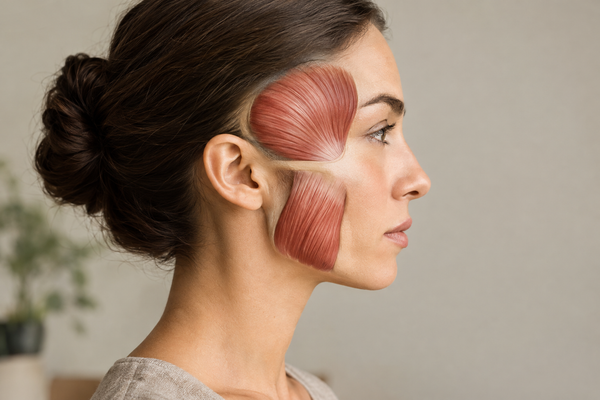
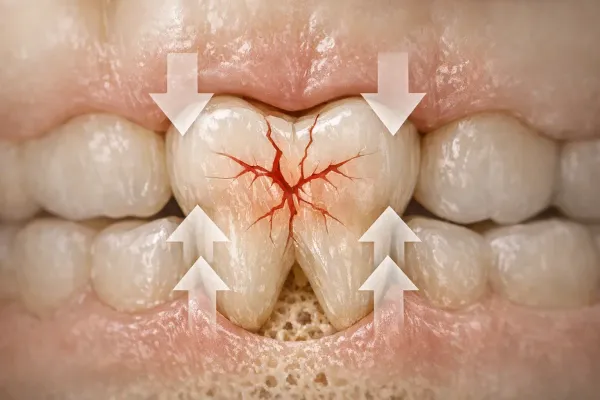
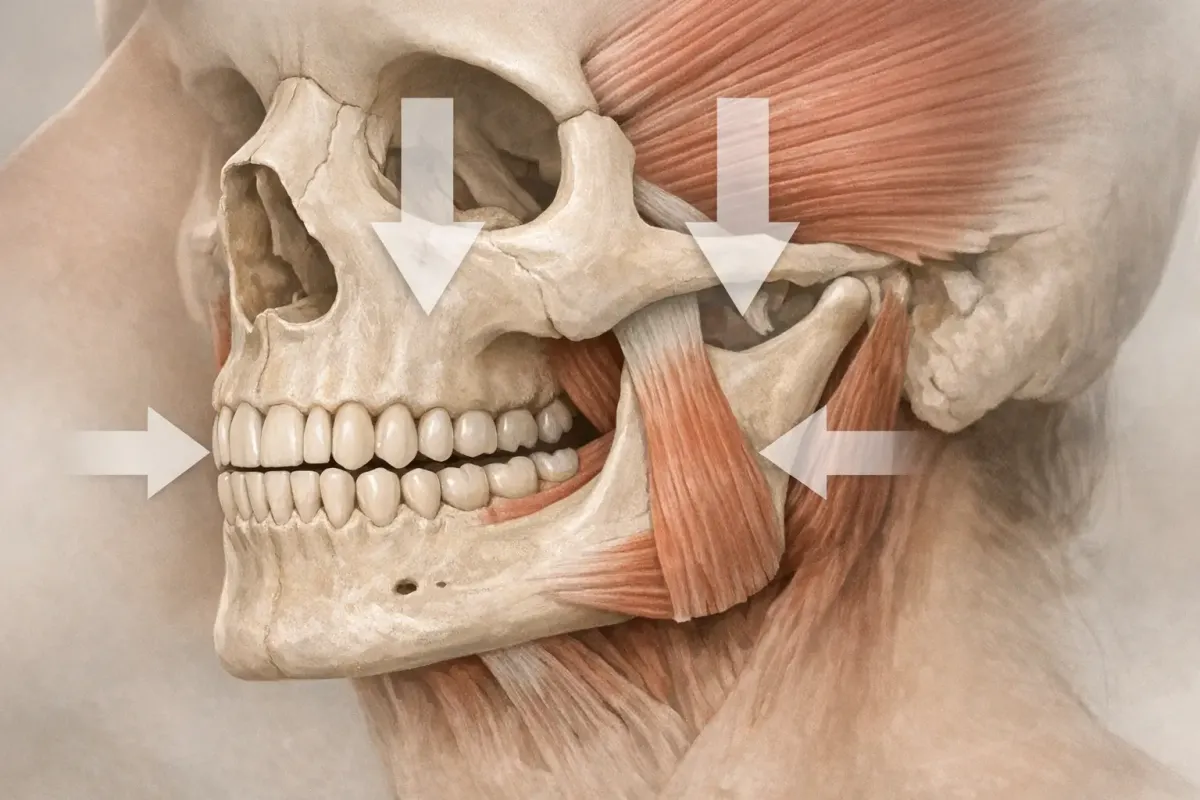
During an episode, the masseter and temporalis muscles can exert forces exceeding 200 pounds per square inch. Over time, this can chip enamel, fracture fillings, irritate the temporomandibular joint (TMJ), and trigger headaches that feel like a vise is hugging your skull.
Common Symptoms
- Flattened, chipped, or loose teeth
- Stiff or sore jaw on waking
- Clicking or popping in the TMJ
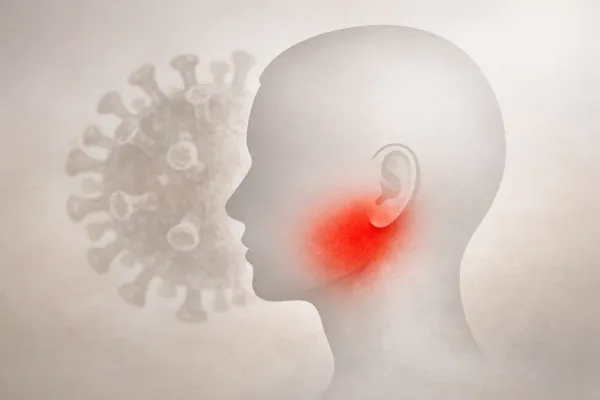
- Earaches without an ear infection
- Dull tension headaches starting at the temples
- Indentations on the sides of the tongue or inside cheeks
- Sleep partner reports of grinding noises that rival a wood chipper
Many people do not realize they grind until a dentist spots wear patterns or a partner complains about the noise. The good news: because stress is a prime driver, stress-reduction strategies can help reduce nighttime jaw activity.
The Connection Between Stress and Jaw Tension

How Stress Affects Jaw Muscles
Stress is the body’s built-in alarm system. When you feel threatened or overwhelmed, your sympathetic nervous system releases cortisol and adrenaline. Your heart rate climbs, breathing speeds up, and muscles tighten in case you need to sprint or fight. Chronic stress keeps that alarm stuck in the “on” position, meaning your masseter never fully relaxes. The American Psychological Association lists muscle tension as a top physical sign of stress.
Jaw muscles are especially sensitive because they engage every time you speak, chew, or swallow. Under stress, you may unconsciously clench to brace against emotional discomfort. Nighttime grinding follows a similar pattern: micro-arousals during sleep trigger brief surges of adrenaline, and the jaw responds with a powerful squeeze.
Stress and Bruxism
Multiple studies have charted the stress-bruxism loop. A network analysis in PTSD patients found that jaw pain and self-reported bruxism cluster with hyperarousal symptoms (Chung et al., 2025). Another review observed that high stress scores predicted both the onset and severity of temporomandibular disorders (TMD) (Morales-Lastre et al., 2025). Translation: when your mind is frazzled, your jaw pays the price.
Because stress modulation can relax jaw muscles, interventions that calm the nervous system—such as yoga, meditation, and breathwork—offer a practical, low-risk way to reduce clenching. For more on the connection between stress and bruxism, you can explore how stress makes bruxism worse.
Yoga for Bruxism Relief
Benefits of Yoga
Yoga combines physical postures, controlled breathing, and mindful attention to create a full-body reset. A systematic review on relaxation techniques for hypertensive and cardiovascular patients noted significant drops in perceived stress and improvements in quality of life with consistent yoga practice (Calderone et al., 2025). This matters for bruxism because lower stress leads to less jaw tension.
Beyond stress relief, yoga improves the neck and shoulder girdle, areas that stabilize the jaw muscles. When those support structures loosen, the mandible can hang more freely. Studies on TMD have shown that posture correction reduces TMJ pain, and yoga acts as a posture tune-up disguised as exercise. For more on posture and jaw pain, see how poor posture worsens jaw pain.
Specific Poses for Jaw Relaxation
Below is a beginner-friendly mini-sequence you can complete in 10–15 minutes. No fancy equipment needed—just a mat, a quiet corner, and permission to breathe.
- Seated Neck Rolls
Sit cross-legged. Drop your chin gently toward your chest and roll the head in slow circles, three times each direction. Inhale as you circle back, exhale as you drop forward. This lubricates the cervical spine and pulls gentle traction on the masseter attachments. - Cat-Cow (Marjariasana-Bitilasana)
On hands and knees, inhale to arch the spine (cow), exhale to round (cat). Sync movement with breath for eight cycles. The motion mobilizes upper back muscles that often compensate for jaw tension. - Thread the Needle
From all fours, slide your right arm under the left, resting the right cheek and shoulder on the mat. Hold for five deep breaths and switch sides. This targets the trapezius and upper rhomboids, common culprits in referred jaw pain. - Supported Fish Pose (Matsyasana) with Jaw Release
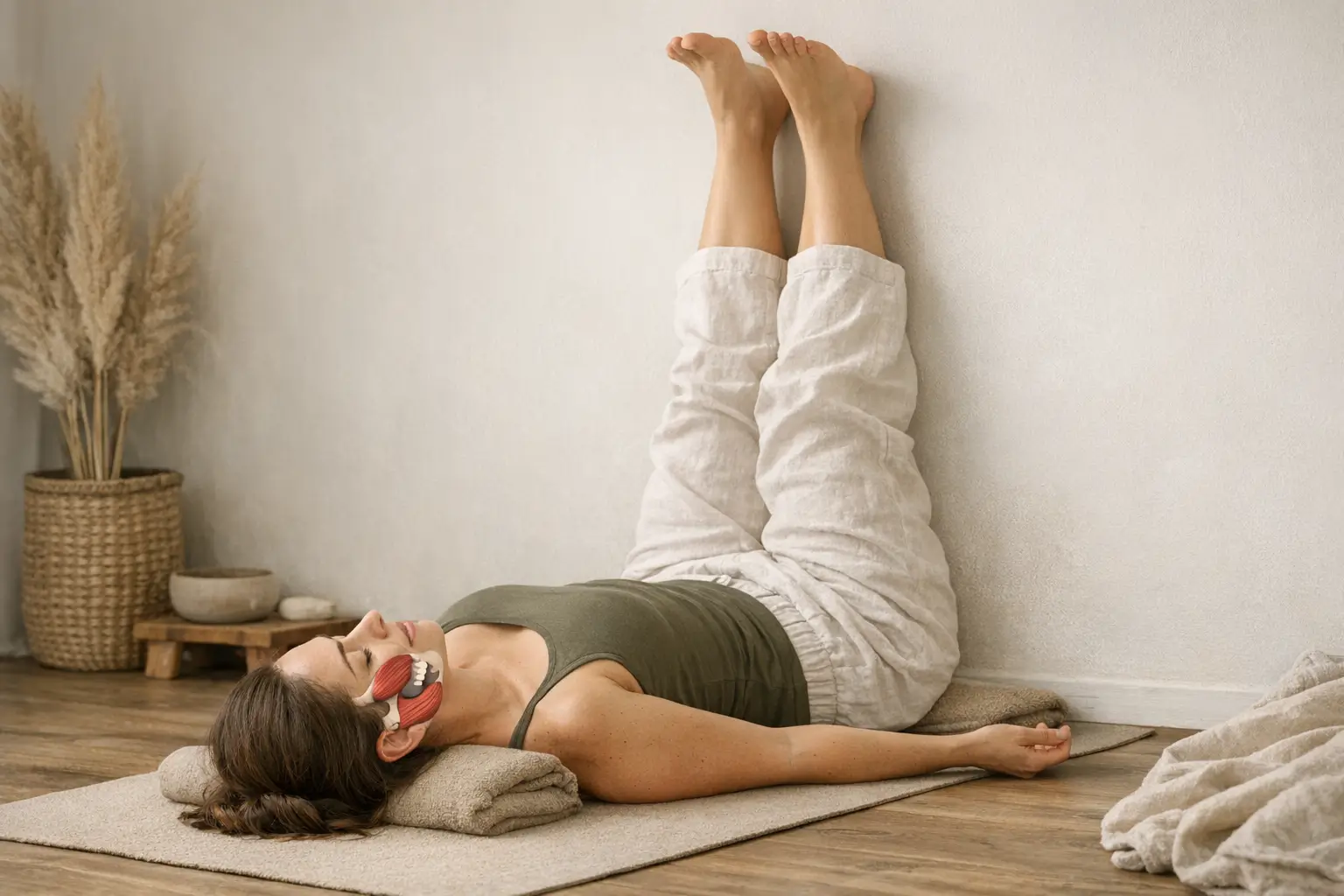
Place a rolled blanket under the shoulder blades while lying on your back. Let your head tip slightly backward. With lips closed, drop your lower jaw so upper and lower teeth separate. Feel gravity stretch the anterior neck. Stay for one minute, breathing slowly. - Legs Up the Wall (Viparita Karani)
Scoot hips to a wall, extend legs upward, and rest. Close your eyes, place the tongue on the roof of the mouth, and let the jaw slacken. Hold for five minutes. This pose downshifts the nervous system by boosting parasympathetic tone.
Practice daily or at least three times a week. Consistency teaches the jaw a new resting baseline: lips closed, teeth apart, muscles soft.
Meditation and Mindfulness Techniques for Jaw Relaxation
Mindfulness and Stress Reduction
Meditation turns the mind’s spotlight inward, training you to notice thoughts, sensations, and tension without knee-jerk reactions. The same systematic review on yoga also found that relaxation techniques, including mindfulness, decreased cortisol levels and improved heart-rate variability (Calderone et al., 2025). Lower cortisol often translates to fewer micro-arousals in sleep, cutting down on nocturnal clenching.
The National Center for Complementary and Integrative Health notes that mindfulness meditation is generally safe and can reduce symptoms of anxiety and insomnia—both bruxism triggers. For jaw health, the goal is to create awareness of clenching before it becomes an unconscious habit. Think of meditation as mental biofeedback, minus the wires.
Guided Meditation Practices
Try the following jaw-friendly exercises. Each can be done seated, lying down, or even standing in line at the grocery store.
- Body-Scan with Jaw Check-ins
Close your eyes and breathe naturally. Move attention from toes to crown. When you reach the jaw, silently ask: “Can I loosen here by 5 percent?” Separate the teeth slightly, let the tongue float upward, and sense any softening. Continue scanning. Ten minutes is plenty for starters. - Box Breathing
Inhale for a count of four, hold four, exhale four, hold four. On each exhale, imagine tension draining from the masseter and temporalis muscles. Navy SEALs use this to stay calm under pressure. Your jaw can, too. - Noting Practice
Sit quietly and notice sensations. When you catch yourself clenching, label it “clench” and gently allow the jaw to loosen. No judgment. Each label is a rep at the mental gym, teaching your brain new default settings. - Sleep Prep Visualization
Lying in bed, visualize warm liquid light pooling around the TMJ, melting tightness. Picture the lower jaw hanging like a hammock. Combine with diaphragmatic breathing for five minutes before lights out.
Apps such as Insight Timer or Headspace offer free guided tracks if you prefer a narrator. Search for “jaw relaxation” or “body scan” to get started.
Integrating Yoga and Meditation into Your Daily Routine
Creating a Routine
Habits stick when they piggyback on existing cues. Tie your yoga and meditation mini-sessions to a fixed daily anchor, like brushing teeth or making coffee. Example schedule:
- Morning: Two rounds of cat-cow while the kettle boils, followed by 60 seconds of box breathing.
- Lunch break: Five-minute walk, then seated neck rolls and a quick body-scan before returning to work.
- Evening: Ten-minute yoga flow (poses listed earlier) after you turn off the computer.
- Bedtime: Sleep-prep visualization to cue the nervous system that the day is done.
Start small—five minutes here, three minutes there. Ramping up slowly prevents the “all-or-nothing” crash that derails new habits.
Overcoming Common Barriers
- I don’t have time. Pair poses with something you already do daily. Calf stretch while brushing teeth? How about jaw release while scrolling your phone’s lock screen?
- I feel silly. Close the office door or practice in the car (parked). Remember, it is less silly than grinding through a $1,200 crown.
- I forget. Set reminders or use sticky notes on your monitor: “Unclench.” The Cleveland Clinic suggests pairing mindful check-ins with hourly chimes.
- I tried once and nothing changed. Muscles learn through repetition. Give it at least four weeks before judging effectiveness.
Additional Natural Solutions for Bruxism
Diet and Lifestyle Changes
Your jaw muscles are part of your body’s kinetic chain, so what you eat and how you live affects them. The Mayo Clinic recommends limiting caffeine and alcohol, both known to ramp up nighttime muscle activity. Staying hydrated keeps muscle fibers supple and reduces cramps, including in the jaw. For more insights on lifestyle changes, you might find these tips helpful.
Other helpful tweaks:
- Skip hard or chewy foods (ice, beef jerky, gum) during flare-ups to avoid over-taxing the TMJ.
- Use a warm compress on the sides of your face for 10 minutes before bed to pre-relax the masseter.
- Adopt sleep hygiene practices—consistent bedtime, dark room, cool temperature—to cut down on micro-arousals that kick-start grinding.
Alternative Therapies
For those looking beyond yoga and meditation, several other natural options show promise, though more research is still needed.
- Cannabidiol (CBD): A review on the therapeutic potential of cannabidiol for TMD and orofacial pain found early evidence of reduced muscle activity and pain scores (Walczyńska-Dragon et al., 2025). Always consult a clinician about dosage and legality in your area.
- Hippotherapy: Therapy on horseback. A pilot study observed improvements in mandibular alignment and reduced bruxism frequency after guided riding sessions (Geibel et al., 2025). Likely due to core stabilization and parasympathetic activation while interacting with animals.
- Biofeedback Devices: Wearable sensors that beep or vibrate when you clench are hitting the market. Though not covered here in depth, early prototypes have shown positive lab results (Al-Hamad et al., 2025). Pairing biofeedback with mindfulness could enhance awareness. For more, explore how biofeedback devices help manage bruxism.
Remember: natural does not mean risk-free. Always consult your dentist or primary care provider before adding supplements or devices.
Conclusion
Bruxism may feel like an unstoppable nighttime freight train, but evidence suggests you can apply the brakes with mind-body tools. Regular yoga loosens neck and shoulder knots that feed jaw tension, while meditation rewires stress responses that trigger clenching. Add smart lifestyle tweaks—less caffeine, better sleep hygiene—and you set the stage for calmer nights and quieter mornings.
No single routine works for everyone, so experiment. Try the five-pose sequence, tack on a short body-scan, and note changes in jaw comfort over a month. If you need extra help, explore cannabidiol, hippotherapy, or emerging biofeedback gadgets under professional guidance.
Your jaw already works hard eating, talking, and expressing emotion. It deserves a break. Roll out the mat, find your breath, and give your masseter a vacation.