Natural Bruxism Solutions for the Health-Conscious: A Comprehensive Comparison
Explore natural, non-invasive bruxism solutions for health-conscious adults. Discover evidence-based methods.
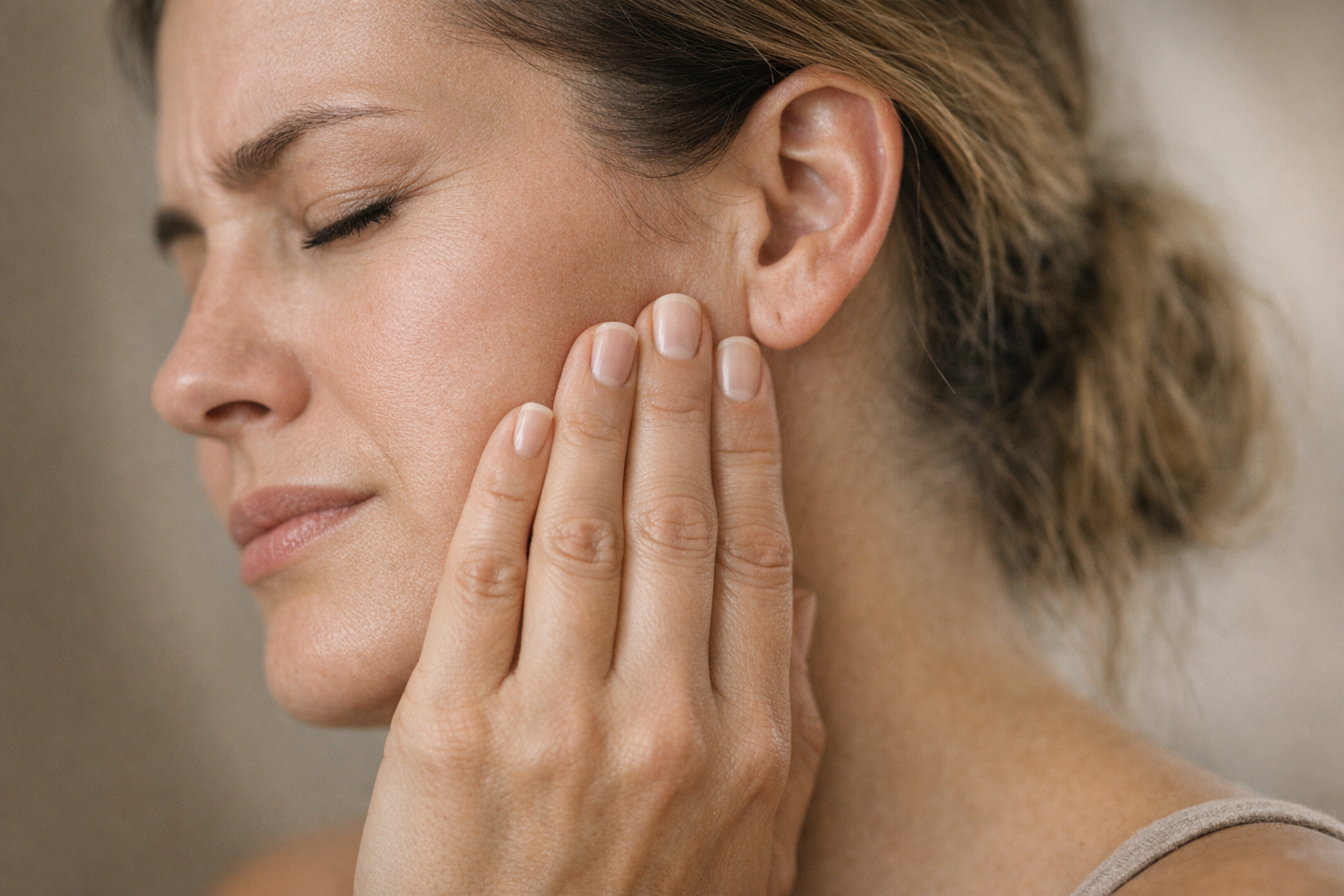
You know that moment when you wake up, flex your jaw, and realize you've been moonlighting as a nutcracker? That's bruxism. About one in ten adults grind or clench their teeth often enough to bother dentists and bed partners. Prescription drugs, injection therapies, and surgery exist, but many health-conscious adults would rather not jump straight to needles or scalpels. This article examines the science behind natural or at least non-invasive bruxism solutions, so you can make a calm, well-chewed decision.
Below is an evidence-based guide that compares dietary changes, stress management techniques, innovative gadgets, and mouthguards. Each section starts with peer-reviewed research, then simplifies the findings into plain talk you can use tonight.
Understanding Bruxism: Causes and Concerns
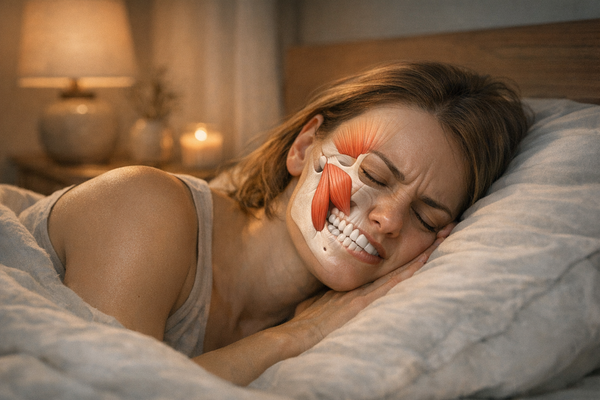
Bruxism is a term for repetitive jaw-muscle activity like grinding, clenching, or bracing. The International Classification of Sleep Disorders splits it into two types: sleep bruxism and awake bruxism. During sleep, you grind without noticing. When awake, you may clench during emails, traffic, or gaming.
Why does it happen? Scientists see bruxism as multifactorial. Behavior and psychology play a role. High caffeine intake, alcohol, smoking, and stress increase the odds, according to a Mayo Clinic overview. Genetics also matter. A 2024 scoping review by Oliveira et al. examined genetic links to dopamine and serotonin. Certain DRD2 and serotonin transporter variants consistently raise bruxism risk. Understanding the causes of teeth grinding can lead to better management strategies.
Semantics are important too. A holistic definition in Skarmeta 2024 considers bruxism both a behavior and a risk factor for dental damage. Understanding this dual nature helps address stress or neurochemistry, not just cracked molars.
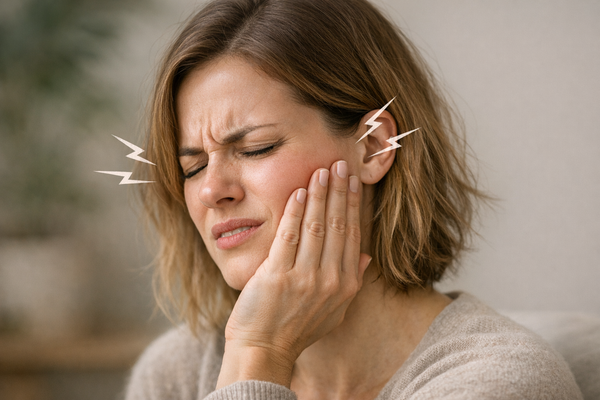
Long-term grinding can chip enamel, fracture fillings, or overload dental implants. It can also trigger headaches, ear pain, and poor sleep quality. Knowing the source helps you plan a response that's kinder to your body and wallet than continual crown replacement.
Natural Approaches to Managing Bruxism
If you prefer starting with changes you control, lifestyle medicine offers two big doors: diet and stress management. Both can influence neurotransmitters and inflammation, key drivers of jaw muscle hyperactivity.
Dietary Adjustments
Inflammation sensitizes chewing muscles, while certain stimulants push the nervous system into high gear. Here's a practical menu audit:
- Caffeine: Limit coffee, energy drinks, and dark chocolate after noon. A review on the Cleveland Clinic site notes late-day caffeine increases nocturnal muscle activity. For more on how diet impacts bruxism, explore how diet affects bruxism symptoms.
- Alcohol: Nightcaps may help you fall asleep but fragment REM phases, when sleep bruxism peaks. Try herbal tea or sparkling water three hours before bed instead.
- Refined sugar and ultra-processed foods: These drive systemic inflammation. Swap in omega-3-rich fish, leafy greens, and berries to dull muscle sensitivity.
- Magnesium-rich foods: Spinach, pumpkin seeds, and legumes supply magnesium, a mineral that calms excitable neurons. Low magnesium correlates with muscle cramps and may fuel clenching.
Since bruxism is not a classic food intolerance, you don't need to cut entire food groups. Aim for steady blood sugar and a cool inflammatory profile. Keep a seven-day food and symptom journal. If your jaw feels tighter after Friday pizza and cola, the pattern will jump off the page.
Stress Reduction Techniques
Ask any dentist: patients often book appointments after fiscal-year deadlines or family holidays. Chronic stress elevates cortisol and autonomic arousal, both predicting jaw muscle spikes. Here are evidence-backed methods that calm the system without pharmaceuticals:
- Mindfulness Meditation: Ten minutes of breath-focused meditation daily lowered clenching frequency in a small pilot linked on the Sleep Foundation. Download a free app, set a timer, and treat it like tooth brushing—non-negotiable self-care. Explore more on how mindfulness can help reduce bruxism.
- Yoga: Gentle yoga reduces sympathetic tone and perceived stress. Choose poses that loosen the neck and shoulders, areas tied to jaw tension. Learn more about yoga and meditation for jaw tension relief.
- Progressive Muscle Relaxation: Work from toes to scalp, squeezing and releasing each muscle group. Finish with the jaw to become aware of resting tension.
- Biofeedback: In-office or home EMG devices beep when your jaw activates beyond baseline. Over time, you learn to catch clenching while awake.
Integrating these practices into daily routines can reduce the frequency and strength of grinding episodes, giving the jaw a breather.

The Role of Neuromodulation: Transcutaneous Auricular Vagus Nerve Stimulation
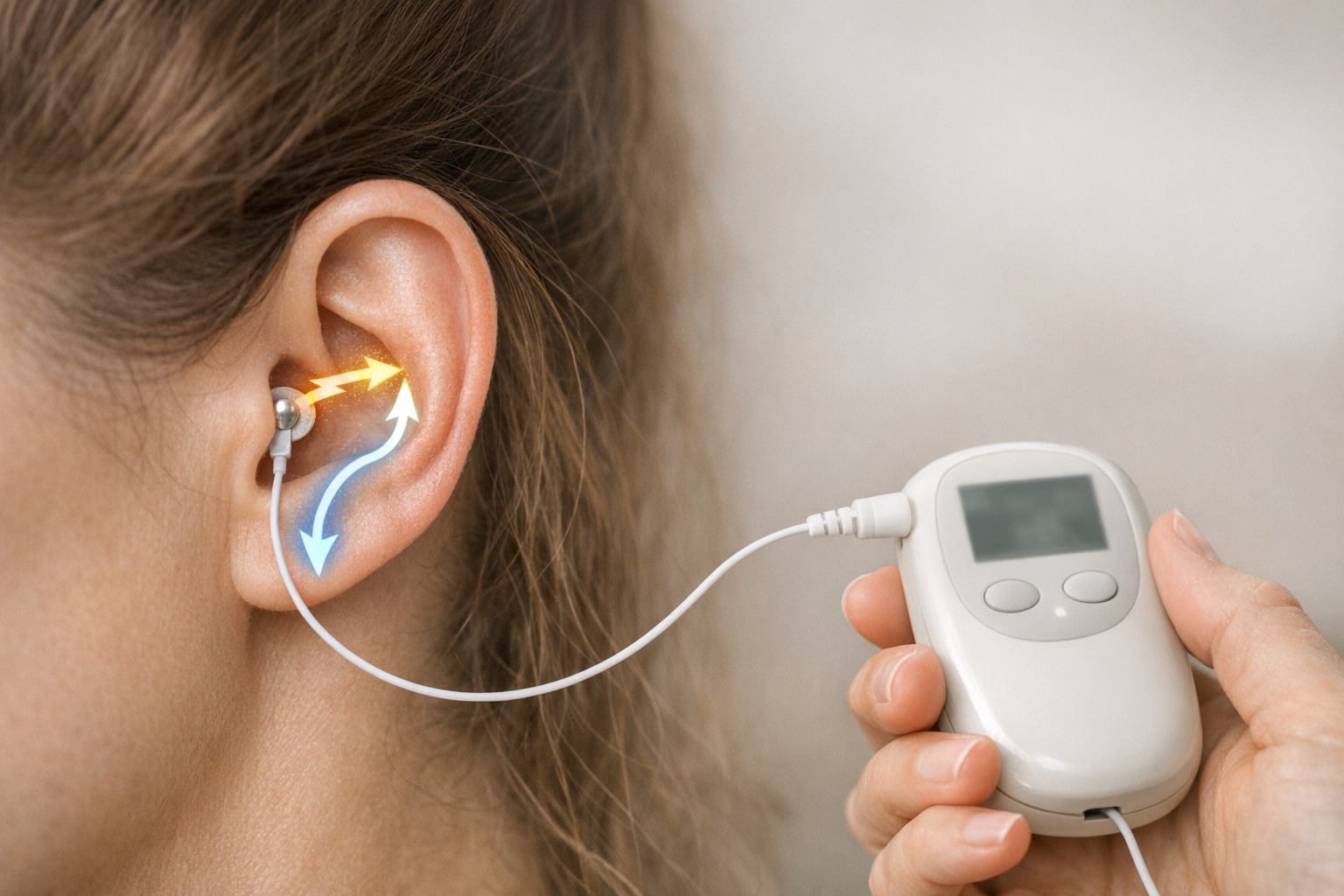
The vagus nerve is the body's relaxed coworker, telling heart and muscles to chill. Transcutaneous auricular vagus nerve stimulation (TAVNS) sends gentle electrical pulses through the skin of the outer ear to stimulate that nerve. Think of it as high-tech ear acupuncture without needles.
A randomised controlled trial by Guzel Hazel Celik and colleagues (2026) placed TAVNS electrodes on participants with sleep bruxism. Over four weeks, the stimulation group showed a 28 percent drop in electromyographic (EMG) activity compared to controls. Heart rate variability also improved, indicating a shift toward parasympathetic dominance.
How does tickling an ear calm the jaw? The vagus nerve interfaces with brain areas that modulate serotonin and noradrenaline, neurotransmitters that influence motor tone. By boosting vagal input, TAVNS may lower the excitability threshold for jaw muscles during sleep.
From a user perspective, TAVNS devices resemble lightweight earbuds attached to a pocket-sized pulse generator. You wear them for 15-60 minutes before bed, depending on the protocol. Side effects were minimal—mild tingling or brief skin redness. That compares favorably with systemic drugs that can cloud cognition or alter mood.
Limitations exist. The study sample was modest, and long-term adherence data remain sparse. Insurance rarely covers it, so you could spend several hundred dollars out of pocket. Still, for tech-savvy users who want a drug-free nervous-system reset, TAVNS stands out as a promising frontier.
Innovative Device Solutions: Contingent Electrical Stimulation
Imagine a tiny coach attached to your temple. The coach waits until your jaw starts grinding, then delivers a quick tap that tells the muscles to relax. That's the premise behind contingent electrical stimulation (CES), commercialized under the brand GrindCare.
The device sits on the skin over the masseter muscle. Built-in EMG sensors detect grinding and trigger a gentle electrical pulse. The pulse isn't painful; users describe it as a buzz or tickle that nudges them out of the grinding cycle without waking them fully.
A perspective article by Sladeckova, Verhoeff, and Koutris (2025) reviewed temporary CES use during tooth-wear rehabilitation. Patients wore the device while dentists rebuilt worn enamel. The authors reported reduced nighttime EMG bursts and improved longevity of dental work. In plain speak, fewer grinding episodes allowed the dental work to settle in without being damaged. For more insights on managing bruxism naturally, consider reading about lifestyle changes for bruxism symptom reduction.
Practical perks include:
- Non-invasive: No bite impressions, drills, or pharmaceuticals needed.
- Adaptable: The intensity threshold auto-adjusts, so light sleepers aren't yanked from deep sleep.
- Data feedback: An accompanying app charts nightly muscle activity, turning progress into visuals.
User testimonial: Maria, a 42-year-old graphic designer, tried GrindCare for a month while waiting for ceramic crowns. She logged a 40 percent EMG reduction by week two and reported fewer tension headaches. Her dentist noted minimal wear on her crowns at follow-up.
Downsides include cost (similar to a premium mouthguard) and battery maintenance. Also, CES is not suitable for patients with pacemakers or implanted neurostimulators. Still, as a short-term ally during stressful seasons or dental rehab, it offers a compromise between tech intervention and natural management.
Custom Mouthguards: Personalized Protection
Mouthguards remain a classic defense. But there's a difference between boil-and-bite guards from a pharmacy and dentist-fabricated, CAD/CAM-milled splints. A 2025 study by Fiamengui Lívia Maria Sales Pinto et al. highlighted custom mouthguards designed not only for sleep but for athletes who grind under physical strain. The study included martial artists and runners who clenched during exertion, leading to micro-fractures.
Key takeaways:
- Fit Precision: 3-D scanning plus biocompatible resins yielded guards that hugged each cusp, reducing speech distortion and drooling.
- Shock Absorption: Multilayer lamination spread occlusal forces, protecting both teeth and temporomandibular joints.
- Compliance: Ninety-two percent of participants wore the guard at least five nights per week, far above rates seen with over-the-counter trays.
You may wonder, “If I go natural, do I really need acrylic in my mouth?” Consider the guard a seatbelt. It doesn't stop you from clenching, but it redistributes forces and buys time while lifestyle and neuromodulation habits settle in. For athletes, it also shields against facial impacts.
Cost ranges from $200 to $800 depending on materials and clinic location. Many dental plans cover partial fees under bruxism appliances. Ask for a night-only design if you dislike bulk; lab technicians can trim the lingual flanges for comfort. For a detailed comparison, see custom vs. OTC night guard options.
Bruxism and Oral Health: Managing Complications
Unchecked grinding can damage more than enamel. For implant wearers, the stakes climb. A 2025 narrative review by Shafiee and Nourizadeh cataloged complications in implant-supported rehabilitations. They found higher rates of ceramic chipping, screw loosening, and even implant fracture in bruxers compared to non-bruxers. Management strategies included night guards with metal framework, periodic torque checks, and using shock-absorbing abutments.
Natural or non-invasive tactics can work alongside restorative dentistry to curb these problems:
- Diet and stress control can lower muscle load, reducing odds of screw loosening.
- CES or TAVNS may complement mouthguards by decreasing the frequency of power-grinding bursts.
- Regular saliva pH monitoring, as acidic saliva accelerates wear on restorative materials.
Tooth wear in natural dentition also deserves attention. In a 2025 case series using the Dahl principle, Karthickraj and colleagues restored worn front teeth by encouraging posterior eruption. Patients combined resin buildups with behavioral therapy and guards to maintain space. Without the behavioral piece, new resin chips quickly. Hence, natural bruxism management is not optional—it is cement to the dental plan. For more on managing bruxism through behavior, explore behavioral strategies to prevent teeth clenching.
Signs you may be flirting with damage:
- Flattened or glossy tooth surfaces.
- Notches near the gumline (abfraction lesions).
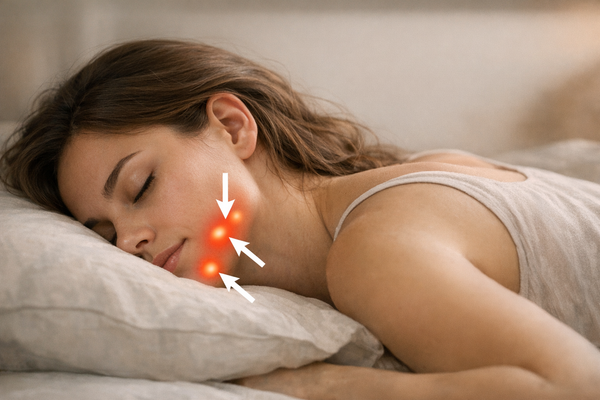
- Morning jaw ache or limited opening.
- Frayed cheek or tongue edges from accidental bites.
Catch wear early, and conservative approaches like remineralizing varnish and occlusal adjustment may suffice. Wait too long, and you could fund your dentist’s next vacation.
Conclusion: Choosing the Right Solution for You
Natural bruxism care is not a single product; it's a toolkit. Start with low-hanging fruit such as caffeine timing and a ten-minute mindfulness break. If grinding persists or your dental work is at risk, layer on targeted tech like TAVNS or contingent electrical stimulation. Custom mouthguards then serve as insurance, especially if you're sporty or have implants that dislike nightly grinding.
Your choice hinges on budget, lifestyle, and tolerance for gadgets. Discuss options with a dentist trained in sleep medicine and, if needed, a physician to rule out sleep apnea. An integrated plan lets you keep your teeth—and your cool—without resorting to invasive procedures.
Remember: the goal is a jaw that works hard when you need it and rests when you don't. With evidence-guided tweaks, you can wake up to quiet nights and intact molars.