Night Guard Comparison: Custom vs. Over-the-Counter for Your Lifestyle
Explore custom vs. OTC night guards for bruxism. Find the best fit for your lifestyle.
Picture this: it's 3 a.m., your partner elbows you because your teeth sound like a trash compactor, and you wake up with a jaw that feels as if it spent the night at the gym. If that scene rings a bell, you're probably one of the millions dealing with bruxism, or chronic grinding and clenching while you snooze. Before resigning yourself to a lifetime of chewed-up molars, stick around. We'll explore the science of night guards, comparing custom versions with the over-the-counter (OTC) options, to help you choose the one that fits your lifestyle and your mouth.
Research is clear: the right guard can reduce pain, preserve enamel, and even save pricey dental work. The debate isn't about whether you need a guard, but about which guard deserves the spot between your teeth every night. Let's break it down.
Understanding Bruxism and Its Impact
Bruxism is the clinical term for habitual grinding or clenching of teeth. It can happen when you're awake, but sleep bruxism is harder to control because you're unconscious. Estimates suggest that 8–16 percent of adults grind at night, though many never realize it until a dentist notices wear patterns or a bed partner complains about the noise.
Why does bruxism happen? Experts point to a mix of factors: stress, anxiety, misaligned bites, medications like SSRIs, and sleep disorders such as obstructive sleep apnea. Stress and anxiety have a significant impact on teeth clenching, and genetics also play a role, so you might be able to thank Mom or Dad for the nightly jaw workout. The American Dental Association highlights that bruxism often spikes during stressful life events like finals week or tax season.
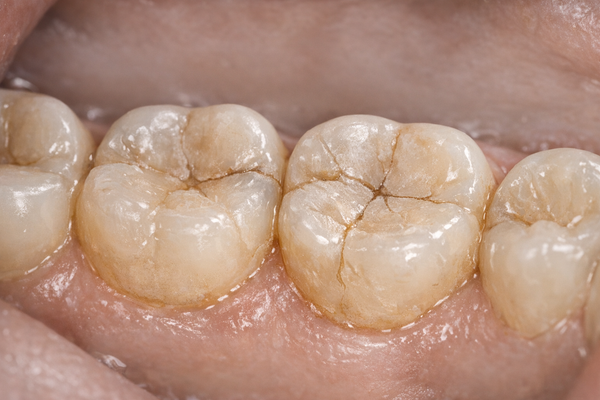
The consequences go beyond annoying noises. Continuous grinding wears away enamel, flattens chewing surfaces, causes fractures, and can even lead to tooth loss. Chronic clenching overloads the temporomandibular joint (TMJ), sparking headaches and facial pain. For anyone with crowns, veneers, or implants, bruxism can be especially destructive. In fact, a 2022 study by Tabrizi et al. found that patients who grind have greater bone loss around single-tooth implants in the back of the jaw, increasing the risk of implant failure.
Daytime effects like jaw stiffness, earaches, and chipped enamel turn bruxism from a harmless habit into a full-blown oral health menace. This is where night guards come in. Their job is simple: sit between the upper and lower teeth, absorb biting forces, and prevent enamel from wearing down.
Overview of Night Guards: Custom vs. Over-the-Counter
Night guards come in two main types: custom appliances made by a dental professional and over-the-counter (OTC) guards you mold at home or use straight from the package. Both aim to limit damage but differ in materials, fit, longevity, and price.
Custom Night Guards
Think of buying a tailored suit—the clothier measures every angle so the final product fits perfectly. Custom guards work the same way. Your dentist takes an impression (or scans your teeth digitally), sends that data to a lab, and within a week or two, you receive a guard made from durable, medical-grade acrylic or ethyl vinyl acetate. Some labs use dual-laminate designs with a soft inner layer for comfort and a hard outer shell for durability.
- Fit: Built from your unique dental topography, a custom guard hugs each tooth, preventing it from slipping or feeling bulky.
- Material quality: Lab acrylics resist wear and maintain shape for two to five years, sometimes longer with proper care.
- Comfort: Less bulk means easier speech and fewer gag reflex triggers.
- Adjustability: Dentists can fine-tune the bite by shaving or adding resin, which is useful if your jaw needs repositioning to ease TMJ stress.
- Cost: Prices range from $300 to $800, depending on location and lab quality. Insurance may cover part of the cost, but not always.
Custom guards excel in precision and longevity but require a bigger initial investment and dental visits.
Over-the-Counter Night Guards
Now picture a shirt you grab off the rack: cheaper, faster, fits well enough if you're lucky. OTC guards follow that logic. Options range from "boil-and-bite" thermoplastics you soften in hot water and mold at home to stock guards you wear straight out of the box.
- Fit: Boil-and-bite models adapt reasonably well but can distort if overheated. Stock guards may feel bulky like athletic gear.
- Material quality: Usually softer plastics that compress over time, with a typical lifespan of three months to a year.
- Comfort: Bulkier designs can irritate cheeks or fall out while you sleep. Some users trim edges with scissors, a DIY approach that sometimes backfires.
- Adjustability: Beyond remolding a boil-and-bite, adjustments are limited.
- Cost: Prices range from $15 to $60. They offer immediate relief, especially useful if you need protection quickly.
OTC guards are the quick-fix hero: inexpensive and accessible. The trade-off is durability and precision. For mild grinders or people testing if a guard helps, the pharmacy route can make sense. For serious clenchers or anyone with complex dental work, a loose or uneven guard may cause new problems.
Choosing the Right Night Guard for Your Lifestyle
You know the main options. Now, let's match them to real-world lifestyles. Your choice hinges on more than bruxism severity. Budget, travel habits, dental work, and sleep conditions all influence the ideal pick.
Factors to Consider
- Budget: Upfront cost matters, but so does replacement rate. A $40 guard replaced every six months equals $320 over four years—nearly the cost of one custom unit.
- Convenience: OTC guards win for speed. If you cracked a crown today and want protection tonight, drugstore plastic is your friend. Custom guards require appointments.
- Dentition complexity: If you have implants, bridges, or braces, custom guards safeguard expensive hardware better. Uneven forces from a poorly fitted OTC guard could loosen an implant screw and negate your investment.
- Comfort tolerance: Light sleepers or those with sensitive gag reflexes often prefer the slim profile of a custom appliance. Bulkier OTC trays can interrupt sleep quality.
- Travel frequency: Jet-setters benefit from a backup OTC guard. Losing a $500 custom splint in airport security will ruin your week.
- Sleep disorders: Bruxism can occur alongside apnea or insomnia. According to a 2024 study by Dritsas and Trigka, accurate disorder classification can inform appliance design. If a sleep specialist suspects apnea, you might need a mandibular advancement device instead of a standard guard.
Weigh these variables honestly. A chronic grinder with multiple crowns who values comfort should lean custom. A college student cramming for exams on a tight budget might start OTC, then upgrade after graduation.
Clinical Evidence: Efficacy and User Satisfaction
Personal anecdotes are helpful, but clinical data offers a clearer picture. Let's sift through what the literature and large-scale surveys tell us about guard performance.
Effectiveness is typically measured in three ways: reduction of tooth wear, alleviation of jaw pain, and user compliance. Compliance is crucial—no guard works if it lives in a nightstand drawer.
In the "ALFADIET" health literacy study, Barchitta et al. 2025 surveyed university students and staff on lifestyle behaviors, including oral health device use. Among 524 respondents prescribed night guards, custom users reported wearing their guard an average of 6.2 nights per week, compared to 4.1 nights for OTC users. Higher comfort scores correlated strongly with adherence, suggesting the custom fit encourages regular use.
Clinical trials reveal performance gaps. While double-blind crossover studies are rare due to the nature of devices, small randomized trials show custom guards reduce enamel wear more effectively. Symptom relief follows a dose-dependent curve: the longer you wear any guard, the less pain you feel.
Satisfaction surveys support this. A poll by the nonprofit Cleveland Clinic found that 78 percent of custom users rated their guard "very comfortable," while only 42 percent of boil-and-bite users did. Cost was the main complaint for custom units; bulkiness topped the complaint list for OTC.
Importantly, no rigorous evidence suggests OTC guards cause harm when used as directed. Problems arise when users overheat the plastic, creating rough edges, or when a poorly fitting guard alters bite mechanics. If your jaw feels worse after using any guard, make an appointment with your dentist.
Maintaining Your Night Guard
Regardless of type, a guard is a bacterial magnet parked in a warm, moist environment for hours. Good hygiene and routine checks are essential for durability and oral health.
Cleaning Techniques
- Rinse promptly: When you take the guard out, rinse it under cool water to remove saliva and debris.
- Brush gently: Use a soft toothbrush dedicated to guard cleaning plus mild liquid soap. Toothpaste is too abrasive.
- Soak weekly: Drop the guard into a non-alcoholic denture cleaning tablet solution for 10 minutes once a week to break down biofilm.
- Air-dry completely: Moisture breeds bacteria. Let the guard sit on a clean towel until completely dry before storing.
- Use a ventilated case: Closed, wet environments are breeding grounds for bacteria. A case with small holes allows airflow.
Replacement Frequency
Soft OTC plastics compress, discolor, or tear in as little as three months if you're a heavy grinder. Replace when you notice shape loss, cracks, or persistent odor despite cleaning. Custom acrylic guards last longer, but annual dental exams should still include a guard check. Dentists may re-polish or adjust the bite surface, extending life by years.
Even the best guard won't last forever. Saliva, pH changes, and mechanical stress degrade materials over time. When in doubt, ask your dentist to evaluate the fit. A poorly fitting guard can create new stresses that counteract its protective purpose.
Expert Opinions and User Reviews
Dental professionals often favor custom guards, yet they recognize OTC value in certain scenarios. Dr. Elena Diaz, a prosthodontist in Atlanta, suggests OTC guards as a "band-aid for urgent cases" but insists long-term grinders upgrade to custom. She warns that patients with veneers or implants risk costly repairs if they rely solely on soft pharmacy trays.
Real users echo this mixed verdict. Consider Mark, a 32-year-old software developer: "I started with a $25 guard during crunch time at work. It helped the headaches, but I chewed through it within four months." He eventually bought a custom guard and now says, "It paid for itself in dental bills I never got."
Not all custom stories are rosy. Sarah, 26, complained her first dentist-made guard felt "like a plastic brick." After paying $450, she stopped wearing it. The fix? A second dentist adjusted the guard with light grinding, and Sarah now wears it nightly. Moral: customization doesn't end after the lab ships the appliance. Minor tweaks matter.
On the OTC side, athletes often prefer boil-and-bite guards that double as sports mouthguards, valuing a single device for grinding and weekend basketball. Some users praise disposable guards for travel or camping because they are cheap to replace if lost. As long as expectations match reality—short lifespan, decent but imperfect fit—satisfaction remains high.
One universal gripe: cleaning solutions with bleach or alcohol deteriorate plastics fast. Stick to mild detergents to avoid funky smells and micro-cracks.
Conclusion
Bruxism might be a silent nighttime habit, but its impact on teeth, joints, and wallets is anything but quiet. Custom and over-the-counter night guards both offer protection, yet they serve different lifestyles. Custom guards provide superior fit, durability, and compliance, making them the gold standard for chronic grinders, people with dental restorations, and anyone valuing comfort. OTC guards score points for speed, affordability, and temporary use, acting as a stopgap or travel backup.
Your choice should weigh severity of grinding, financial realities, coexisting sleep issues, and personal tolerance for bulk. Clean whichever guard you choose, replace it when worn, and consult your dentist if pain persists. With the right device and a bit of maintenance, you can silence the nightly grind and wake up with jaws—and dental bills—intact.