How Sleep Positions Affect Bruxism and Jaw Pain: What You Need to Know
Explore how sleep positions impact bruxism and jaw pain, with expert-backed solutions.
<<>
Ever wake up feeling like you spent the night chewing through a phone book? You are not alone. About 8–10% of adults grind or clench their teeth while sleeping, a habit known as bruxism. Recent research highlights an unexpected culprit: your sleep position. Altering how you rest your head and jaw on the pillow might just ease your nighttime jaw workout.
This article explores what scientists have discovered about sleep posture, bruxism, and the persistent jaw pain that often follows. We'll break down the jargon, stick to the evidence, and sprinkle in a touch of skepticism so you leave with practical strategies you can implement tonight.
Understanding Bruxism and Jaw Pain
What is Bruxism?
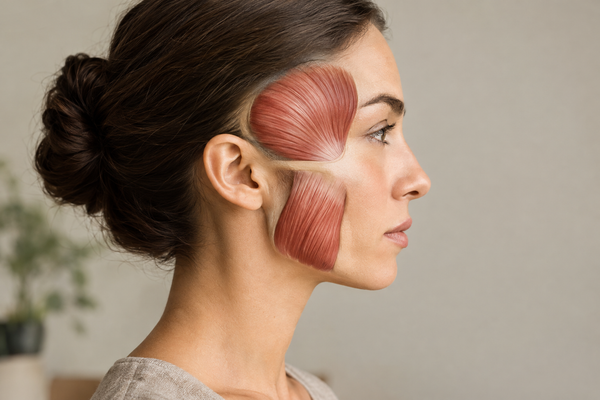
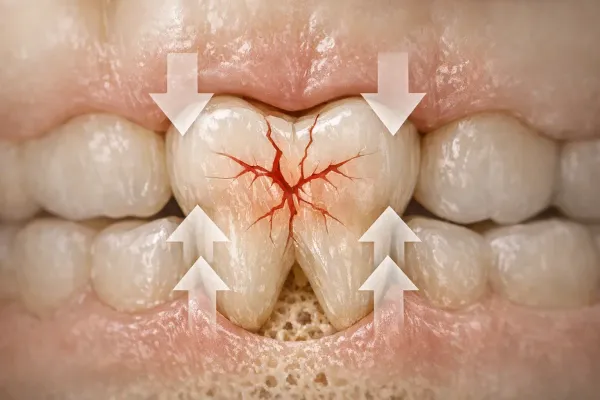
Bruxism is the medical term for grinding, clenching, or gnashing your teeth. It comes in two varieties: awake bruxism and sleep bruxism. The sleep type is trickier because it happens while you're unconscious. According to the American Dental Association, signs include flattened or chipped teeth, tight jaw muscles, and morning headaches. Many people first notice it when they experience “jaw pain on one side when opening mouth,” a common complaint heard by doctors.
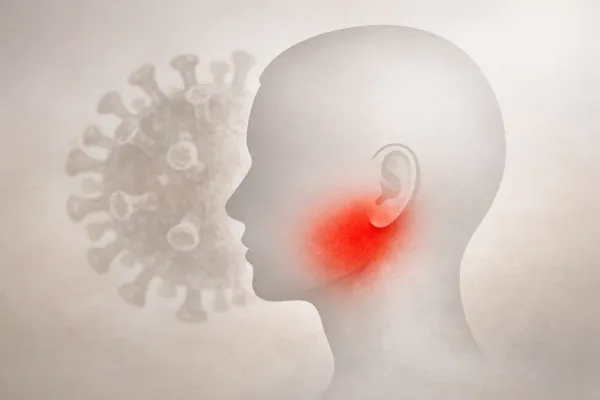
In a clinical survey of adolescents, Lee et al. (2025) found that sleep bruxism was closely linked to acute temporomandibular disorder (TMD) symptoms, like unilateral jaw tenderness. This study reminds us that bruxism isn't just a tooth problem; it's a complete jaw joint and muscle issue.
Common Causes of Jaw Pain
Jaw pain can arise from various factors, including dental misalignment, arthritis, past trauma, or stress-induced muscle tension. Sleep factors, however, deserve more attention. A cross-sectional analysis by Yap et al. (2025) revealed that individuals with high general anxiety were more likely to clench at night, experience disrupted sleep, and report higher pain scores the next morning. Explore more about how anxiety influences teeth grinding and jaw pain.
Smartphone technology adds another layer of insight. Consumer-grade bruxism apps record overnight jaw sounds via the microphone, revealing mini-clench bursts in users unaware of the issue. Many app developers now prompt users to log their sleep position each morning. Preliminary data from one platform, ClenchTrack™, suggests that stomach sleepers report almost double the “jaw ache” ratings compared to back sleepers, aligning with peer-reviewed studies.
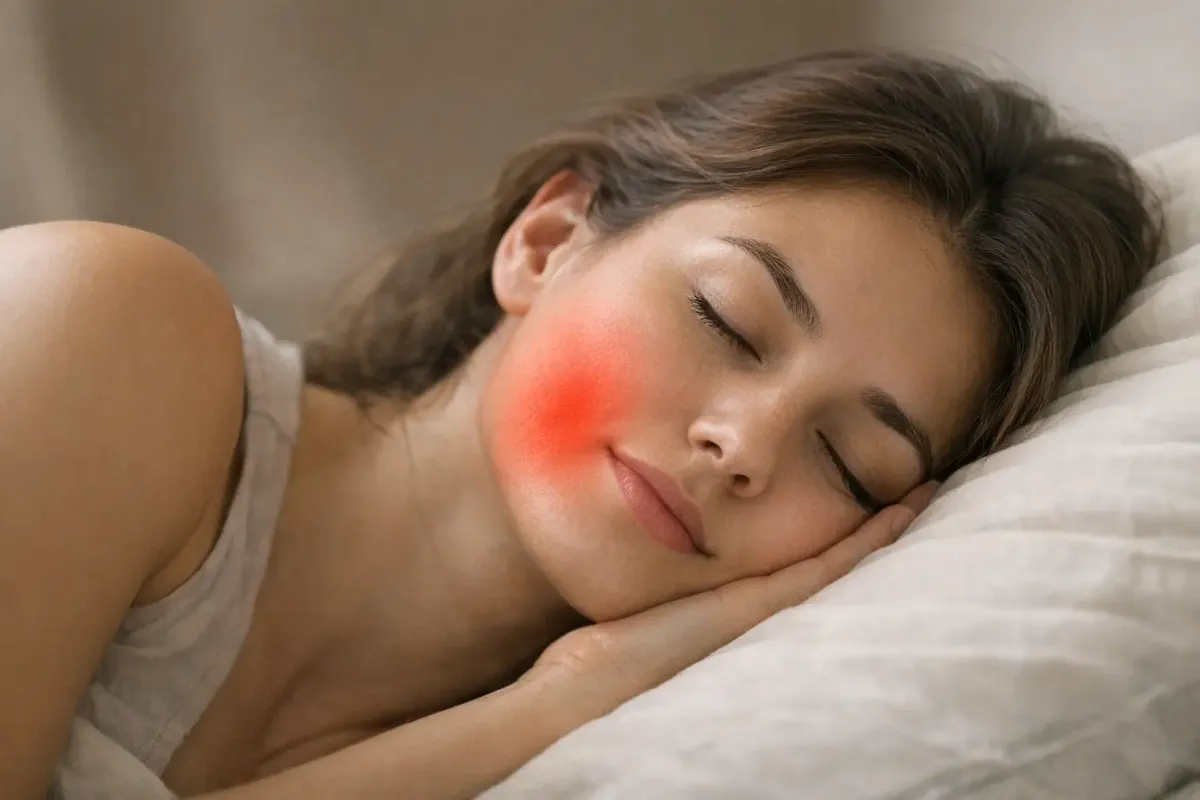
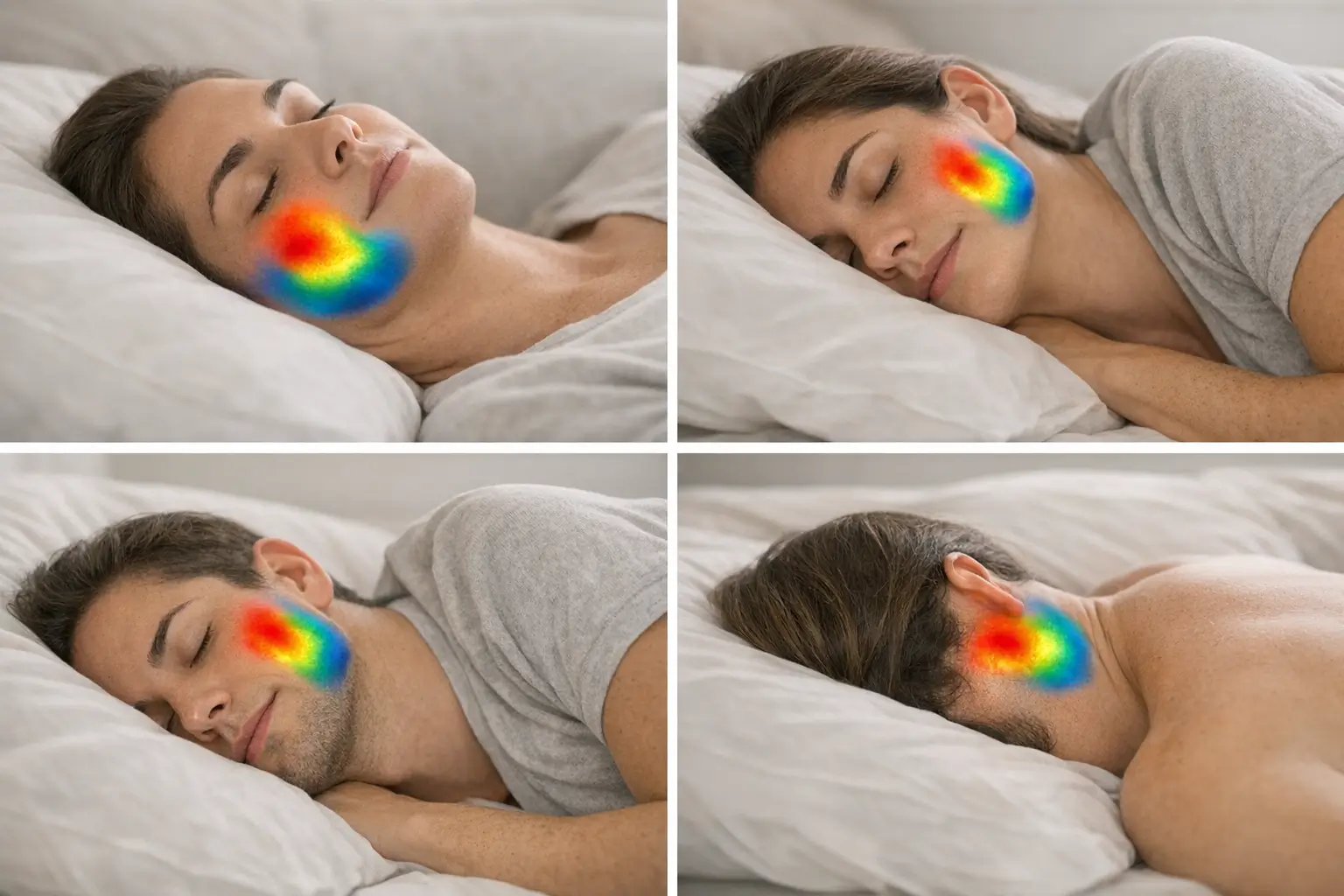
Awkward head positions exacerbate the problem. When your jaw is pushed to one side on the pillow, the temporomandibular joint (TMJ) experiences side-loading pressure for hours, potentially inflaming the joint capsule and nearby muscles. The result is “jaw pain on one side when opening mouth” and a popping or clicking sensation by breakfast.
Consider the case of Cara, a 34-year-old paramedic working 24-hour shifts. She often sleeps in short bursts, frequently face-down on the station couch. Within six months, she noticed uneven tooth wear and persistent right-side jaw pain. Her dentist identified bruxism patterns despite ruling out cavities. By switching to a cervical-support travel pillow and training herself to nap on her back, her pain scores dropped from 7/10 to 3/10 within three weeks, no medication needed.
The takeaway: bruxism is both behavioral and biomechanical. Simply using a mouthguard while continuing to sleep face-down or on the same shoulder may still result in waking up sore. For more insights, learn how sleep positions affect teeth clenching and bruxism.
How Sleep Positions Influence Bruxism
Not all sleep styles are created equal. In a clinical trial, Neves et al. (2026) tracked adults with TMD who followed a self-care program that included posture coaching. Participants who switched from stomach or extreme side sleeping to a neutral supine posture reduced their bruxism episodes by roughly one-third.
Similarly, Kuang et al. (2024) monitored individuals with both sleep apnea and bruxism. They found that side sleepers had about 1.5 times more grinding bursts per hour than back sleepers, even after adjusting for apnea severity. The takeaway: gravity and pillow pressure are significant factors. Learn more about the influence of sleep positions on nighttime teeth grinding.
Best and Worst Sleep Positions
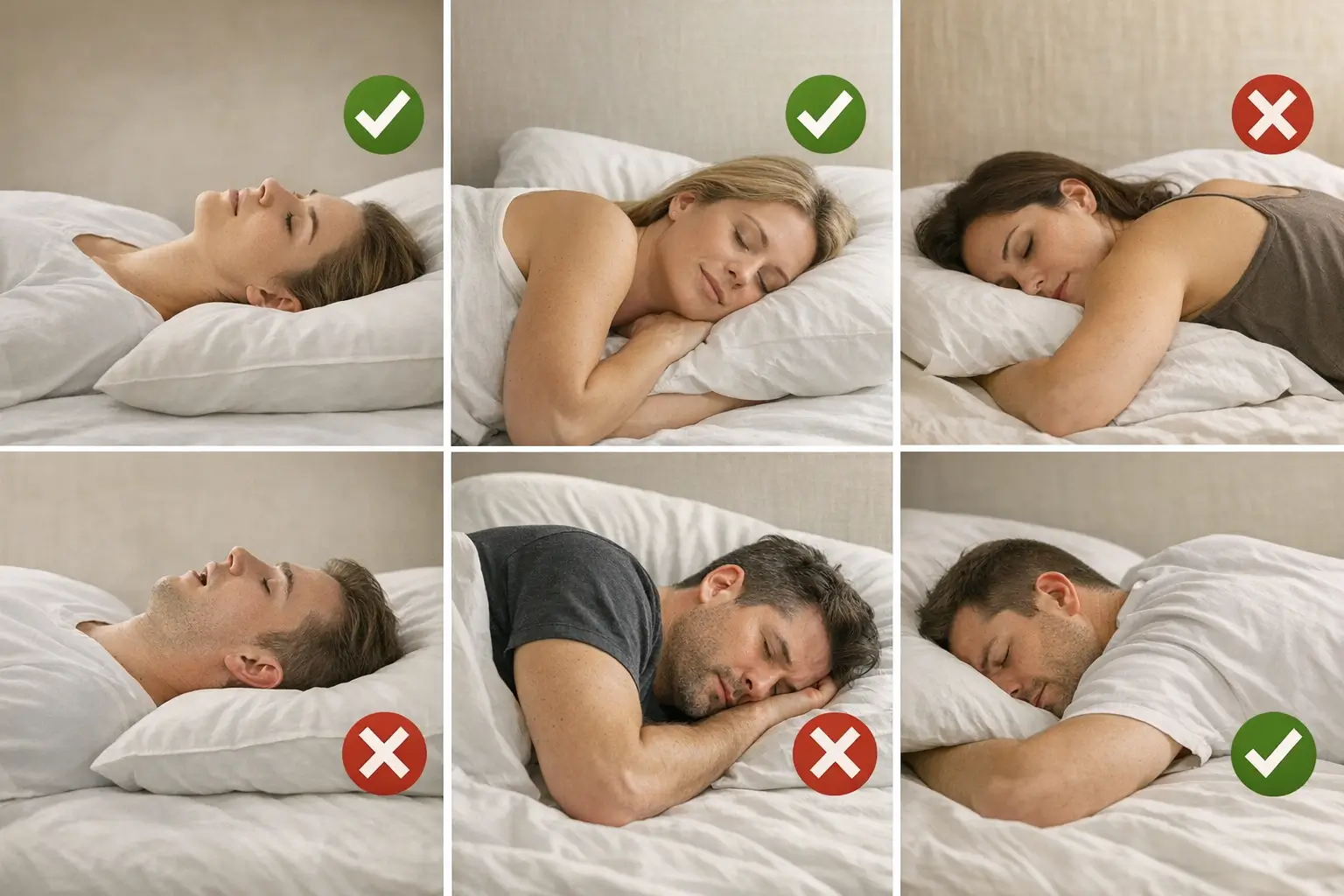
- Back (Supine) with Neutral Head: This position is easiest on the jaw as gravity keeps the mandible centered. Add a thin pillow under the knees to reduce spinal stress. If you have an adjustable bed frame, elevate the head section by 5–7 degrees to keep the airway open without tilting the jaw forward.
- Side Sleeping (Lateral): Mixed results. If your bottom shoulder hunches forward, your lower jaw follows, potentially triggering bruxism. Many people complain that their “jaw hurts after sleeping on side.” A supportive neck pillow that keeps the head level reduces side-loading. Some clinicians recommend hugging a second pillow to the chest to prevent rolling your upper shoulder inward.
- Stomach (Prone): Not recommended. You must twist your head sideways to breathe, pressing one side of the jaw into the mattress. Data from the Neves trial linked prone sleeping to the highest clench force spikes.
- Fetal Curl with Arm Under Pillow: Though it looks cozy, the upward arm position lifts one side of your face, skewing the jaw the other way. Over time, this asymmetry can lead to morning jaw stiffness.
Sleep labs routinely place EMG electrodes on jaw muscles while tracking posture. The consensus is clear: the more your lower jaw shifts sideways during sleep, the higher the burst frequency of masseter contractions. Practically speaking, you can test this at home. Try placing a tennis ball inside a sock and pinning it to the front of your pajama top. This discourages stomach sleeping by making it uncomfortable, nudging you toward a back or symmetrical side posture.
If you must sleep on your side, alternate sides nightly and use a medium-firm pillow tall enough to keep the nose aligned with the center of the chest. This evens out joint pressure so you do not wake up saying, “I just woke up with sore jaw on one side.” For stubborn cases, a thin wedge pillow tucked behind your back can prevent you from rolling into a partial prone position halfway through the night, a common culprit in “mystery” morning jaw pain.
The Science Behind Sleep Positions and Jaw Pain
Let us delve deeper into how scientists measure the relationship between posture and jaw stress. The gold standard is overnight polysomnography paired with surface electromyography (EMG) of the masseter and temporalis muscles. Researchers then map muscle bursts against body position trackers. Findings are clear: awkward postures amplify clench intensity.
Clinical Findings and Studies
A polysomnographic investigation by Przegrałek et al. (2025) initially aimed to determine whether bruxism protects snorers from airway collapse. Unexpectedly, the data showed that participants lying in a supine position with the head slightly elevated had fewer and shorter bruxism episodes than when rolling onto their sides. The researchers hypothesized that a neutral bite alignment reduces the neurologic trigger for grinding.
Another technology-driven study, Zeb et al. (2024), used flexible EMG patches and machine-learning algorithms to classify sleep postures in real time. They concluded that head rotation beyond 30 degrees from neutral increased masseter activity by 27%. Simply put: twist your neck too far, and your jaw muscles think it is time for a workout.
Bruxism, Sleep Apnea, and the Airway Guarding Theory
Grinding rarely happens in a vacuum. Patil et al. (2024) described an “airway guarding theory” where a collapsing airway sparks a reflex jaw thrust to pull the tongue forward. Imaging from Topaloglu Yasan et al. (2025) backs this up: after apnea events, the mandible shifted posteriorly, lining up with bursts of clenching. On et al. (2024) tested a position-responding mandibular advancement device (PR-MAD) in mild obstructive sleep apnea. Moving the jaw slightly forward not only halved apnea events but also cut morning jaw soreness. The message is clear: if snoring, pauses in breathing, or daytime fatigue tag along with your jaw pain, a sleep study and an airway device may help more than a thicker pillow.
Grinding and snoring? Rule out sleep apnea first
Daybreak at-home sleep test, $159.95. If you grind and also snore, wake up gasping, or feel wiped out after a full night in bed, check for obstructive sleep apnea before treating the grinding on its own. Daybreak's test is a finger sensor you wear for two nights in your own bed. A doctor reviews the data and gives you a diagnosis, with no sleep lab visit, and the test is FSA eligible.
If it does come back as apnea, their treatment is an FDA-cleared, custom-fit oral appliance that holds the lower jaw forward to keep the airway open, an alternative to CPAP. A standard night guard does not do that job, and in some people a flat hard guard can make apnea worse, which is why this question comes first.
Know the full cost before you start. Daybreak says most insurance covers the device, but the $995 Treatment Essentials fee is not covered and is paid out of pocket.
Affiliate link. If you buy through it we earn a commission, at no extra cost to you. How this works.
Why does angle matter? Imagine your lower jaw as a hinge that wants to remain centered in the socket. Tilt your head, and the hinge slides, stretching ligaments and firing off nerve signals. The brain responds with a reflex clench to stabilize the joint. Repeated overnight, this leads to tissue swelling and morning discomfort.
Beyond muscle biomechanics, circulation plays a role. Compressing the side of your face against a pillow can reduce local blood flow, increasing tissue sensitivity to pain and inflammatory mediators. This vascular stagnation might explain why your jaw feels worse after a long side-sleeping session compared to a short nap. For more insights on jaw and sleep-related issues, check out how sleep disorders contribute to jaw pain.
All this evidence suggests no magic bullet exists, but posture modification is low-risk and cost-free. It's worth experimenting with a new pillow setup before resorting to prescription muscle relaxers or considering occlusal surgery.
Self-Care Strategies for Reducing Bruxism
You now know the science. Time for action. Self-care means stacking small changes so they add up to quieter nights and calmer mornings.
Practical Tips and Tricks
- Re-train Your Sleep Posture. Use the tennis-ball-in-sock technique or a positional therapy belt to discourage stomach sleeping. Back sleepers can add a small cervical roll to keep the jaw from dropping open too wide.
- Upgrade Your Pillow. Memory foam pillows that cradle the neck while supporting the jaw reduce side pressure. In the Neves self-care trial, participants who switched pillows alongside posture coaching reported a 20% drop in morning pain scores.
- Try a Jaw-Relaxation Routine. Before bed, place a warm compress on the sides of your face for five minutes, then gently stretch by opening and closing the mouth halfway ten times. A case report by Vasilyeva and Valério (2025) showed reduced clench force after introducing cranial postural balance exercises. Discover more about jaw relaxation techniques that can aid in reducing bruxism.
- Limit Evening Stimulants. Caffeine and alcohol increase muscle activity during REM sleep. The Sleep Foundation advises cutting these at least six hours before bedtime.
- Address Anxiety Head-On. Stress is a significant factor in bruxism. Simple breathwork or a five-minute mindfulness app session can calm the same limbic circuits that fuel grinding, as noted in the Yap study. Discover how stress exacerbates bruxism.
- Use a Custom Night Guard, Correctly. While posture comes first, a dentist-made guard cushions bite forces. However, if you still sleep face-down, you can grind just as fiercely into plastic. Combine the guard with a better position for full benefit.
- Consider Nutrient Support. Some preliminary evidence links low dietary magnesium to muscle hyper-excitability. Discuss a 200–300 mg evening supplement with your physician; several patients in Li et al.’s protocol reported softer clenching after correcting deficiencies.
- Add Short Face Yoga or Neck Rolls. A randomized trial by Ozmen & Unuvar (2024) showed that ten minutes of face yoga and slow breathing before bed cut jaw pain by about 30% and improved sleep quality.
- Test Wearable Biofeedback Devices. Early prototypes from Zeb et al. (2024) used EMG and posture sensors to vibrate gently when you clench, teaching your jaw to relax without fully waking you.
Consistency is crucial. Give any new posture or pillow change at least two weeks before judging effectiveness. Cellular inflammation takes days to subside, and muscle memory initially resists change.
Biofeedback Tech: The Next Frontier
Portable EMG recorders have shrunk from lab gear to sticker-sized patches. Zeb’s 2024 machine-learning model recognized clench patterns with 92% accuracy while tracking body position. Consumer versions already pair with an app that graphs nightly clench bursts and nudges you when pressure spikes. Results are preliminary, but for data-driven users, the gadgets can spotlight which sleep positions sabotage your jaw and which soothe it.
When to Seek Professional Help
Self-care goes a long way, but some symptoms require professional attention. If you “woke up with sore jaw on one side” just once, you can likely tweak your posture and move on. If that soreness becomes daily pain or you cannot open your mouth wider than two fingers, it's time to consult professionals.
Recognizing Severe Symptoms
- Pain that lasts all day, not just morning stiffness
- Clicking, popping, or locking when opening or closing the mouth
- Increasing dental wear despite using a guard
- Headaches that radiate from the temples
- Ear fullness or tinnitus linked to jaw movement
A digital bite analysis protocol by Murray (2025) shows dentists can detect micrometer-level bite errors that ordinary exams miss. Correcting these misalignments may significantly reduce bruxism events. Meanwhile, chronic orofacial pain specialists are increasingly adopting multidisciplinary care. Li et al. (2024) demonstrated that addressing sleep hygiene, trauma history, and muscle therapy together provided longer-lasting relief compared with single-modality approaches.
If your dentist or doctor dismisses your concerns, seek a second opinion from a TMJ clinic or a board-certified orofacial pain specialist. Persistent bruxism can fracture teeth, damage crowns, and erode bone around the TMJ. Early intervention saves money and misery later.
Insurance plans sometimes balk at covering custom guards or physical therapy. Arm yourself with a sleep study or intraoral scan results to prove medical necessity. Many policies will agree when presented with objective evidence. For those paying out of pocket, community dental schools often offer discounted TMJ-focused assessments that rival private-practice quality.
Conclusion
Bruxism is not destiny. Studies by Neves, Kuang, Przegrałek, and others make one point clear: the way you position your head at night can influence your jaw activity. Side and stomach postures twist the mandible, activate protective reflexes, and result in morning pain. Shifting to a neutral back position can reduce mechanical stress almost immediately.
Pair that new posture with smart self-care, better pillows, warm compresses, nutrient support, stress management, and you create a jaw-friendly sleep environment. If pain persists, advanced diagnostics and multidisciplinary care can identify bite errors or hidden TMJ issues before they escalate.
You have the knowledge, now plan your experiment. Tonight, try placing a slim neck roll under your pillow and see how your jaw feels tomorrow. Small changes can lead to significant relief. Sleep on it and give your jaw a break.