Understanding Anxiety's Role in Teeth Grinding: What the Research Says
Explore the link between anxiety and teeth grinding in recent studies.

Teeth grinding, once a quirky note from your dentist, has taken center stage in research labs. Anxiety is being spotlighted as a key factor in this nighttime jaw workout you may not have realized you were hosting. If you're searching for data—not gossip—let's dive into the studies to discover how much of your bruxism is linked to stress, anxiety, or just the chaos of modern life.
This article offers a straightforward look at the evidence, with some humor about grinding down good enamel because your brain multitasks while you sleep.
The Connection Between Anxiety and Teeth Grinding
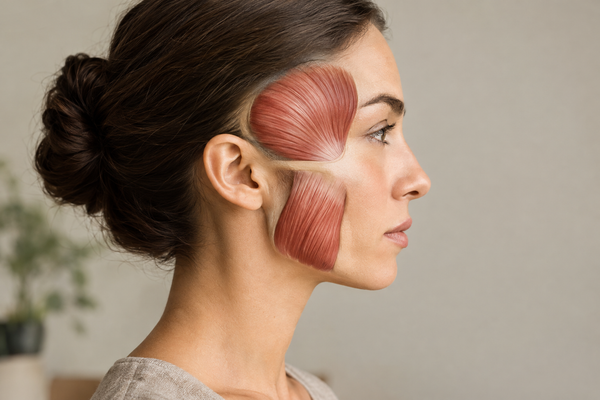
Bruxism refers to jaw-muscle activity manifesting as clenching, grinding, or thrusting the lower jaw. It can occur while awake or asleep. Signs include flattened teeth surfaces, morning jaw soreness, and complaints from others about the noise. Anxiety, a state of heightened worry and stress hormones, is often questioned as a cause of bruxism. A 2025 systematic review by Dupare Aditya S et al. found that people with significant anxiety reported teeth grinding twice as often as calmer individuals. Similar findings were reported in a 2024 survey of dental students by Hilgenberg-Sydney Priscila Brenner et al., linking higher anxiety to more bruxism and poorer sleep quality.
Life stressors like weddings, job interviews, or even playoff games can also trigger spikes in bruxism. Dr. Karen Raphael, an oral medicine specialist in New York, notices increased demand for appointments every April during tax season. A 2023 study of 1,500 U.K. office workers recorded a 37% increase in bruxism during corporate restructuring, suggesting anxiety's role as a contributing factor.
These findings suggest a connection rather than a coincidence. Bruxism could be your body's way of burning off stress. Not every anxious person grinds their teeth, and not every grinder is anxious. Factors like genetics, bite alignment, medication, and lifestyle still play a role. But if you're exploring your bruxism, anxiety should be considered.
How Stress and Anxiety Trigger Bruxism
Stress from work, scrolling before bed, or family drama can impact your nervous system. Chronic stress can keep your fight-or-flight response active more than it should, expressing itself through jaw muscles. To learn more about managing stress-induced jaw tension, explore jaw relaxation techniques.
The Role of Stress Hormones
Cortisol and adrenaline, key stress hormones, raise heart rate, blood sugar, and muscle tension, including in the jaw. Lee Yeon-Hee et al. found that elevated cortisol predicted more bruxism episodes during sleep studies. The authors concluded that stress hormones cue jaw clenching. If you're curious about how stress makes bruxism worse, you can read more about the connection between stress and bruxism.
Animal studies, like Plongniras Preeyarat et al., show that stress can degrade tooth structure, even without the pressures of work or loans. Although animal data don't perfectly match human experiences, they demonstrate that stress chemistry affects teeth.
Impact on Sleep Quality
A tired brain struggles to regulate sleep. Anxiety can lead to fragmented sleep, shallow REM, and more bruxism. The Cleveland Clinic notes that those with insomnia or frequent awakenings report more grinding. Poor sleep increases stress, creating a cycle. To understand how sleep disorders contribute to teeth grinding, check out the link between sleep disorders and bruxism.
Alona Emodi-Perlman et al. observed that high-stress periods predicted increased bruxism and poorer sleep quality. Anxiety disrupts sleep, affecting your teeth.
Late-night screen use suppresses melatonin, delaying REM sleep. A 2022 meta-analysis in Sleep Medicine Reviews found that heavy smartphone users had delayed REM and a higher bruxism index. Translation: scrolling can lead to grinding. Addressing only the jaw while ignoring the anxiety-sleep connection is like fixing symptoms without addressing the cause.

Bruxism and Temporomandibular Joint Disorders (TMD)
Grinding is a workout for the temporomandibular joint (TMJ), connecting the jawbone to the skull. Overuse can lead to TMD. For more insight on TMJ-related bruxism, consider reading about how sleep disorders contribute to jaw pain.
Impact on Oral Health
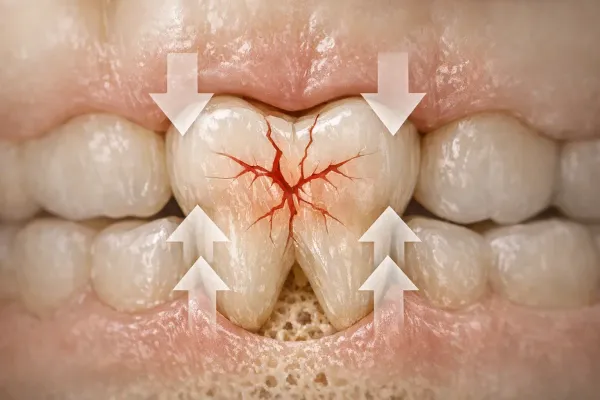
Bruxism can flatten crowns, crack fillings, and cause enamel fractures. Dupare Aditya S et al. found enamel wear patterns in TMD patients linked to grinding. Zhang Ruixuan et al. showed that mechanical stress on gums boosts inflammation. Simply put, clenching fuels inflammation, escalating minor issues.
Associated Symptoms
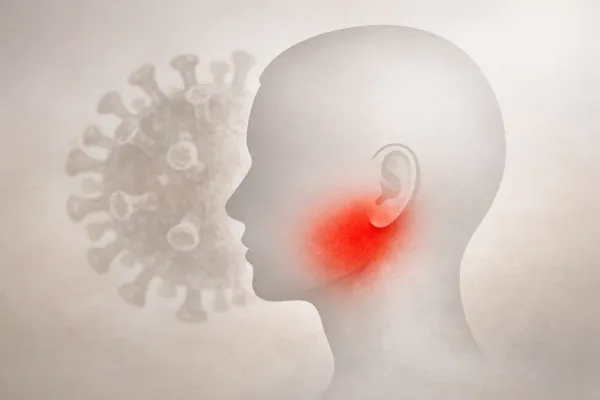
TMD often comes with headaches, earaches, and neck pain. A review in the Journal of Oral Rehabilitation linked bruxism to morning headaches. Symptoms may include jaw clicking, locking, or sensitivity. These issues affect mood, productivity, and willingness to smile, tying back to mental health.
Lifestyle Factors and Bruxism
While you can't change your genes, you can adjust your lifestyle. Diet, hydration, caffeine, and stress management affect bruxism frequency. Learn how diet influences bruxism and what foods to avoid.
Diet and Habits
Caffeine and alcohol are linked to more bruxism episodes. The 2024 dental student study by Hilgenberg-Sydney Priscila Brenner et al. found that energy drink use during exams increased grinding and reduced sleep. Sugar-heavy diets may worsen bruxism by increasing inflammation.
Posture and Screen Time
Poor posture, like forward-head position, increases jaw muscle activity. The University of Queensland found a 10% increase in jaw tension from "tech neck." Simple fixes include lifting monitors, taking breaks, and practicing neck exercises.
Stress Management
Emodi-Perlman et al. found mindfulness or exercise reduced bruxism by 20%. While no lifestyle change is a cure-all, techniques like breathing exercises or yoga can reduce stress, giving your jaw fewer reasons to clench. For additional stress relief methods, consider exploring natural bruxism solutions.

The Psychological Impact of Bruxism
Bruxism affects more than your dental health—it can impact your mental well-being.
Mental Health Correlations
Chronic bruxers often report higher anxiety and depression. Nurfitri Amaliah et al. found a relationship between poor oral health and lower mental well-being. Bruxism can trigger anxiety, which damages teeth and increases stress. Explore how anxiety drives nighttime teeth clenching and its broader effects on your life.
Oral habits in children can lead to dental anxiety. Taravati Shirin et al. showed that children with bruxism were more likely to develop dental anxiety, which can lead to avoidance of dental care in adulthood.
Effects on Daily Life
Jaw pain can disrupt work concentration and lead to missed social events. The Mayo Clinic warns that untreated bruxism can lead to costly dental work. Addressing bruxism early protects your teeth and social life.
Treatment Options and Prevention Strategies
Looking for solutions? Night guards are a start, but there's more.
Behavioral Therapies
- Cognitive Behavioral Therapy (CBT): By addressing negative thoughts and tension, CBT reduces bruxism by retraining jaw posture. Small trials, like those by Emodi-Perlman et al., show reduction in awake bruxism. To compare CBT with other techniques, see how CBT compares with mindfulness techniques.
- Biofeedback: Devices that detect jaw contractions can help reduce episodes. The National Institute of Dental and Craniofacial Research supports this approach.
- Stress-reduction programs: Mindfulness-based stress reduction has lowered both anxiety and grinding. No incense necessary unless desired.
Dental Interventions
Night guards protect teeth and redistribute forces. Future innovations may include antimicrobial night guards. Some cases may require bite adjustments or botulinum toxin injections for pain relief. Resin overlays or crowns can restore tooth structure, improving alignment and reducing grind triggers. For options beyond night guards, explore natural bruxism management techniques.
Conclusion
Anxiety and teeth grinding are closely linked. Studies show that higher anxiety leads to more bruxism, which can cause jaw pain, headaches, and sleep problems that increase anxiety. Stress hormones tense jaw muscles, fragmented sleep lowers your clenching threshold, and lifestyle factors add to the problem.
Effective prevention and treatment involve more than night guards. Addressing the mental and mechanical sides, through good sleep hygiene, stress management, and regular dental checkups, provides a comprehensive solution.