Effective Jaw Relaxation Techniques for Stressed Professionals
Discover practical jaw relaxation techniques to relieve stress-induced tension and bruxism.

You wake up with an aching jaw, feeling as if you spent the night grinding gravel. By noon, tight deadlines and back-to-back video calls turn that ache into a full-blown clamp. If this sounds familiar, you're not alone. In high-pressure jobs, jaw tension and stress are a common duo. Fortunately, research from dental clinics and sleep labs offers techniques you can use anywhere to ease that tension. For more on how stress exacerbates jaw clenching, see our insights on jaw tension from stress.
This article walks you through evidence-based techniques to relax an overworked jaw without resorting to fancy gadgets. Everything here is grounded in peer-reviewed studies and recommendations from reputable health organizations, translated into plain language with a touch of irreverence to keep things lively.
Understanding Jaw Tension and Its Causes
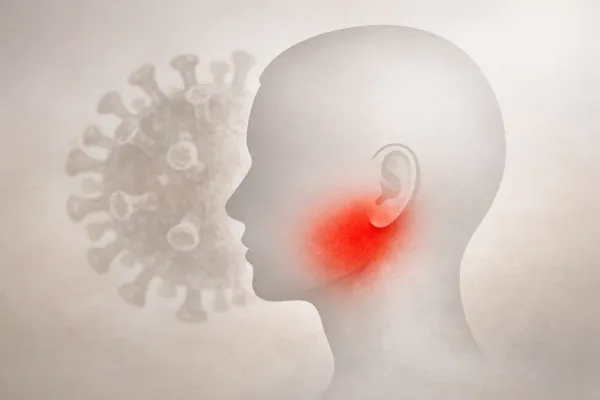
Your jaw, known as the temporomandibular joint (TMJ), is the hinge that lets you talk, chew, and yawn. When the muscles around that hinge stay tense, you get jaw tension. It feels like tightness, soreness, or even a headache creeping from your temples.
The biggest culprits are:
- Stress-induced clenching and grinding (bruxism) – Daytime clenching often slips under the radar, but nighttime grinding can wake partners and chip teeth. Learn how behavioral strategies can help mitigate these effects.
- Poor posture and ergonomic setups – A laptop on the couch can shift your head forward and strain jaw muscles. Discover how posture impacts jaw pain and ways to improve it.
- Occlusal (bite) factors – Misaligned bites place uneven pressure on muscles and joints. A 2024 systematic review by Lekaviciute and Kriauciunas linked certain bite patterns to higher rates of TMJ disorders (TMD).
- Chronic pain cycles – Pain triggers muscle guarding, which triggers more pain. The 2023 clinical practice guideline led by Busse calls this a self-perpetuating loop.
Professionals are especially prone to tension due to stress and screen time. A recent AI-based study of IT workers used webcam images to track facial strain and found jaw clenching rose during peak coding sprints (Deepa Latha Sree and Shivprasad, 2025). When you add caffeine, tight deadlines, and the habit of holding your tongue to avoid saying something snarky on Slack, the jaw gets no break.
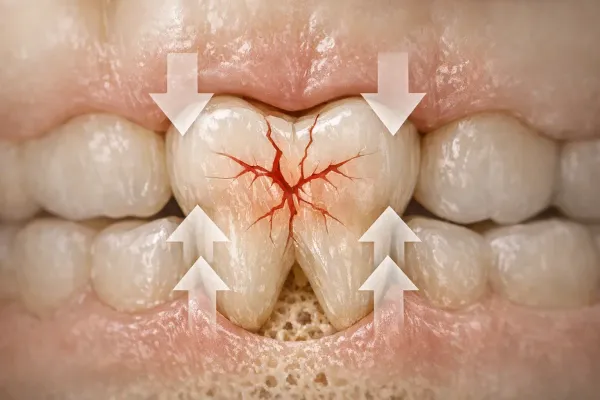
The fallout matters. Persistent bruxism can cause cracked fillings, facial pain, and sleep disruption. Over time, TMD may lower productivity as headaches, earaches, or even shoulder pain set in. According to the Cleveland Clinic, unmanaged TMD can escalate into chronic pain syndromes. Finding practical ways to relax the jaw does more than spare your molars; it helps you stay sharp at work. Consider exploring practical solutions for teeth grinding for more insights.
The Science Behind Jaw Relaxation Techniques
Research on jaw relaxation techniques covers everything from psychological interventions to physical therapy. The most convincing evidence points toward multimodal approaches—mixing behavioral therapy, relaxation training, and targeted exercises.
Research Findings
A standout project is the 2026 randomized controlled trial by Vaddamanu et al. on multimodal behavioral therapy for TMD. Participants who combined cognitive-behavioral strategies with muscle relaxation reported a significant drop in pain intensity and disability scores measured by the Diagnostic Criteria for TMD (DC/TMD). The takeaway: changing behavior and relaxing muscles works better than either tactic alone.
Progressive Muscle Relaxation (PMR) also scores high. A hospital-based study on lung-cancer patients showed PMR cut fatigue and muscle tension after four weeks (Shindhe & Natekar, 2025). Fatigue is not the same as bruxism, but muscle tension responds similarly to relaxation cues.
Physiotherapy gets its evidence spotlight from a 2024 Polish randomized trial by Zieliński et al. that tested trigger-point release on people with myalgia-type TMD. Patients who received targeted physiotherapy improved jaw opening range and reported less pain than a sham-treated group. For those curious about alternative remedies, consider exploring effective techniques for jaw tension relief from stress.
Practical Applications
What do these lab coats suggest you do in real life?
- Blend stress-management strategies (breathing, CBT prompts) with physical exercises for maximum benefit.
- Practice PMR daily. It takes under ten minutes, no equipment needed.
- Use hands-on interventions—self-massage or professional physiotherapy—when tension becomes stubborn.
The key is consistency. Studies typically measure outcomes after several weeks of regular practice. One ten-second stretch before your quarterly review probably won't move the needle. Daily micro-breaks, on the other hand, can rewire muscle memory.
Progressive Muscle Relaxation: A Step-by-Step Guide
PMR was developed in the 1920s and still holds its ground because it is simple and scientific. By tensing and then relaxing muscle groups, you teach the nervous system to recognize and release tightness.
Here is your jaw-focused PMR script, adapted from protocols used in the 2025 study by Shindhe & Natekar. You can run through the whole body in ten minutes or just tackle the upper face in under three.
- Get comfy. Sit or lie down. Rest your hands on your thighs, feet flat on the floor or bed.
- Slow your breath. Inhale through the nose to a count of four, hold for two, exhale through the mouth to six. Repeat twice.
- Forehead first. Raise your eyebrows hard for five seconds. Notice the tension. Release, letting the skin smooth out.
- Eyes. Scrunch your eyes shut, hold five seconds, then release. Feel the sockets soften.
- Cheeks and nose. Flare your nostrils and grin like a cartoon villain. Hold five, release. Note warmth spreading.
- Jaw. Clench your teeth gently—not full bite—for five seconds. Tune into that tight rope under your ears. Drop the jaw, letting it hang open like a puppet. Breathe. Discover more on relaxing your jaw while sleeping.
- Neck. Press the tip of your tongue behind your top teeth, tilt your head back slightly, hold, then relax forward. Let shoulders drop.
- Scan. Mentally sweep from scalp to shoulders, spotting leftover tight spots. On each exhale, imagine them melting.
- Finish. Take two slow breaths, wiggle the jaw side to side, and open-close gently three times.
Practice once or twice daily. The goal is to create a conditioned response: hear “relax” and your jaw loosens on cue. According to the PMR study, participants began noticing muscle memory shifts after two weeks of daily sessions.
If you are prone to nodding off, set a quiet timer. Falling asleep is fine—your jaw will still relax—but you may miss that next meeting.
Mindfulness and Meditation for Jaw Tension Relief
You might picture mindfulness as incense, gongs, and chanting. In reality, it is a brain workout that teaches you to notice tension before it snowballs. A 2025 systematic review by Calderone et al. found relaxation techniques, including mindfulness meditation, improved stress levels and quality of life in heart and hypertension patients. If meditation eases vascular tension, your masseter muscles are fair game.
Here is how to fold mindfulness into a busy routine:
- One-minute mouth check. Set a phone reminder every two hours. When it pings, drop your shoulders, unclench teeth, and let your tongue rest on the floor of the mouth.
- Box breathing. Inhale for four, hold for four, exhale for four, hold for four. Visualize a box. During exhale, feel the jaw soften. For a deeper dive into mindfulness, explore mindfulness techniques to reduce teeth clenching.
- Focus words. Silently repeat a neutral word like “soft.” Each syllable is a cue to release the face.
- Guided audio. Use apps from reputable sources, such as the VA’s free mindfulness library. Search for body-scan tracks under ten minutes.
The magic happens through neuroplasticity. Regular mindfulness changes the default mode network (DMN) of the brain, lowering baseline stress hormones. With cortisol dialed down, jaw muscles receive fewer “fight-or-flight” signals. In plain terms: calmer brain, calmer bite.
If the word “meditation” triggers eye-rolling, rebrand it as “focus breaks.” The technique stays the same but the ego feels cooler.

Therapeutic Techniques: Massage and Physiotherapy
Sometimes DIY relaxation does not fully cut through concrete-like knots. Enter manual therapies. Let's split the options into self-massage you can do in a bathroom mirror and professional interventions handled by skilled therapists.
Self-Massage Techniques
Use clean hands and a light lotion or oil.
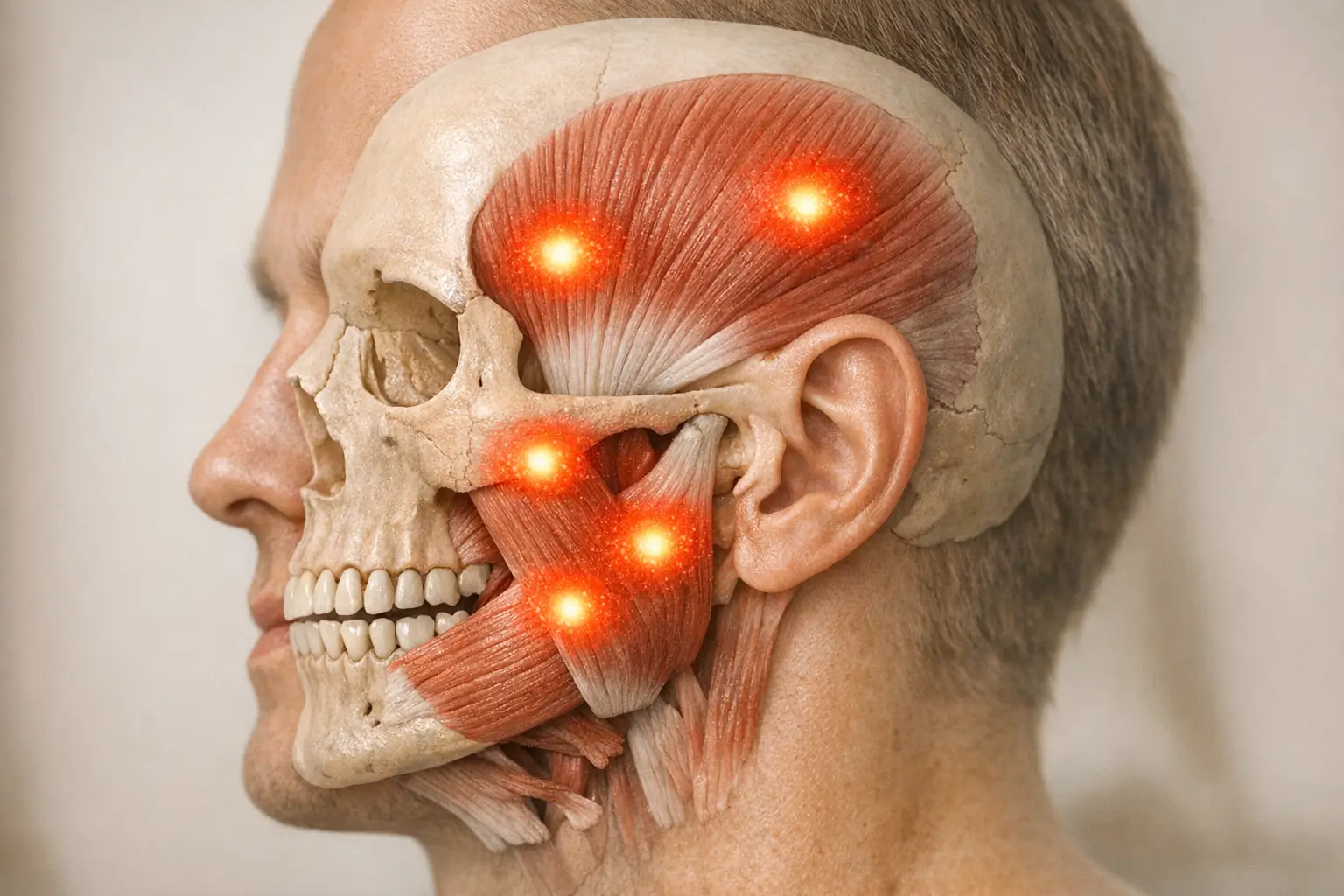
- Masseter sweep. Place thumbs under your cheekbones, just in front of the ear. Press upward and inward in small circles for 30 seconds on each side. Learn more about the role of self-massage in relieving bruxism symptoms.
- Temporal glide. With fingertips at the temples, draw slow backward circles, following the muscle fibers for 60 seconds.
- Inside-mouth release. Wash hands, slip your index finger (pad side) between teeth and cheek. Locate the inner masseter wall. Gently press and knead upward for 15 seconds, then swap sides. Saliva happens, keep a towel handy.
- Warm compress follow-up. Apply a warm pack over the jaw for five minutes to encourage blood flow and flush metabolites.
A 2024 randomized trial showed that releasing trigger points in these exact areas reduced pain scores by more than 40 percent after four weeks (Zieliński et al.). Consistency matters more than pressure; gentle daily work outperforms heroic weekend sessions. For more on how muscle relaxants can complement these techniques, explore muscle relaxants for bruxism.
Professional Therapy Options
If tension refuses to budge or you experience clicking, locking, or radiating ear pain, grab help.
- Physiotherapy. A TMJ-trained physiotherapist uses manual release, stretching, and posture correction. Ask about “trigger-point dry needling” or “intra-oral myofascial release,” both supported by the 2024 trial. For an in-depth look, consider physical therapy for TMJ pain management.
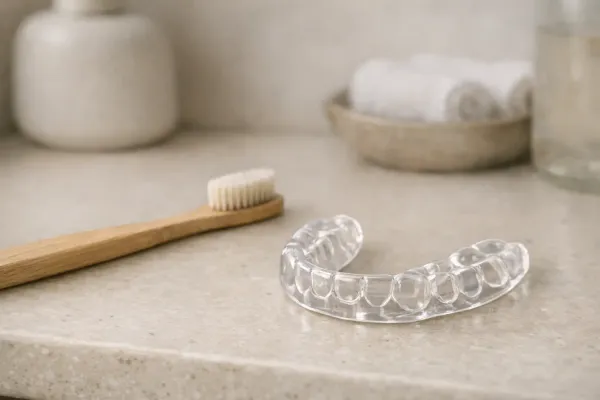
- Dental splints. Night-guards from a dentist protect enamel and reduce clench force. The American Dental Association states custom guards are more effective than drug-store versions.
- Multidisciplinary clinics. For chronic cases, combined care—dentist, physio, psychologist—mirrors the multimodal design from the 2026 behavioral therapy trial.
Skip random massage chains that treat your jaw like a shoulder knot. Look for certifications in orofacial pain or TMJ therapy. Your wallet and cartilage discs will thank you.
Lifestyle Adjustments to Minimize Jaw Clenching
Habits fuel muscle tension. Tweaking your environment and routines shrinks the triggers that keep jaws on edge.
Here is a shortlist, backed by research and common sense:
- Ergonomic upgrades. Keep screens at eye level, elbows at 90 degrees, and use a chair that supports the upper back. The AI webcam study on IT workers found posture tweaks cut facial strain markers by up to 30 percent.
- Caffeine timing. Large afternoon coffees spike cortisol and may intensify nighttime bruxism. Swap to herbal tea after 2 p.m.
- Chew smarter. Gum marathons keep the masseter in overdrive. Limit to five-minute gum breaks, then trash it.
- Exercise for stress. Aerobic workouts release endorphins, natural muscle relaxers. A brisk 20-minute walk during lunch can drop tension before the next sprint.
- Sleep hygiene. Seven to nine hours in a dark, cool room helps regulate hormones that control muscle tone. The Mayo Clinic lists poor sleep as a chief aggravator of grinding. For more on improving sleep to reduce bruxism, explore sleep hygiene tips.
- Mindful language. Notice phrases like “I’m gritting my teeth.” They are cues to unclench in real time.
- Regular check-ins. Follow the guideline from Busse et al.: track pain and function weekly in a journal to spot triggers early.
One final curveball: phones. Cradling the handset between shoulder and jaw counts as an isometric workout. Invest in earbuds or use speaker mode to keep your neck neutral and jaw free.
Conclusion
Taming jaw tension isn't about one silver-bullet device but a toolkit you deploy throughout the day. You learned to:
- Recognize why stress, posture, and bite issues tighten your jaw.
- Apply science-backed tactics like progressive muscle relaxation, mindfulness, and targeted self-massage.
- Seek professional physiotherapy or dental splints when home care hits a wall.
- Adjust lifestyle factors—ergonomics, caffeine, sleep—to keep clenching triggers low.
Start with one practice this week, layer another next week, and watch the vicious cycle of tension unravel into something far more relaxed and productive. Your molars, your meetings, and maybe even your mood will feel the difference.