Bruxism and GERD: Understanding the Connection Between Acid Reflux and Teeth Grinding
Discover how acid reflux can worsen bruxism and what you can do about it.
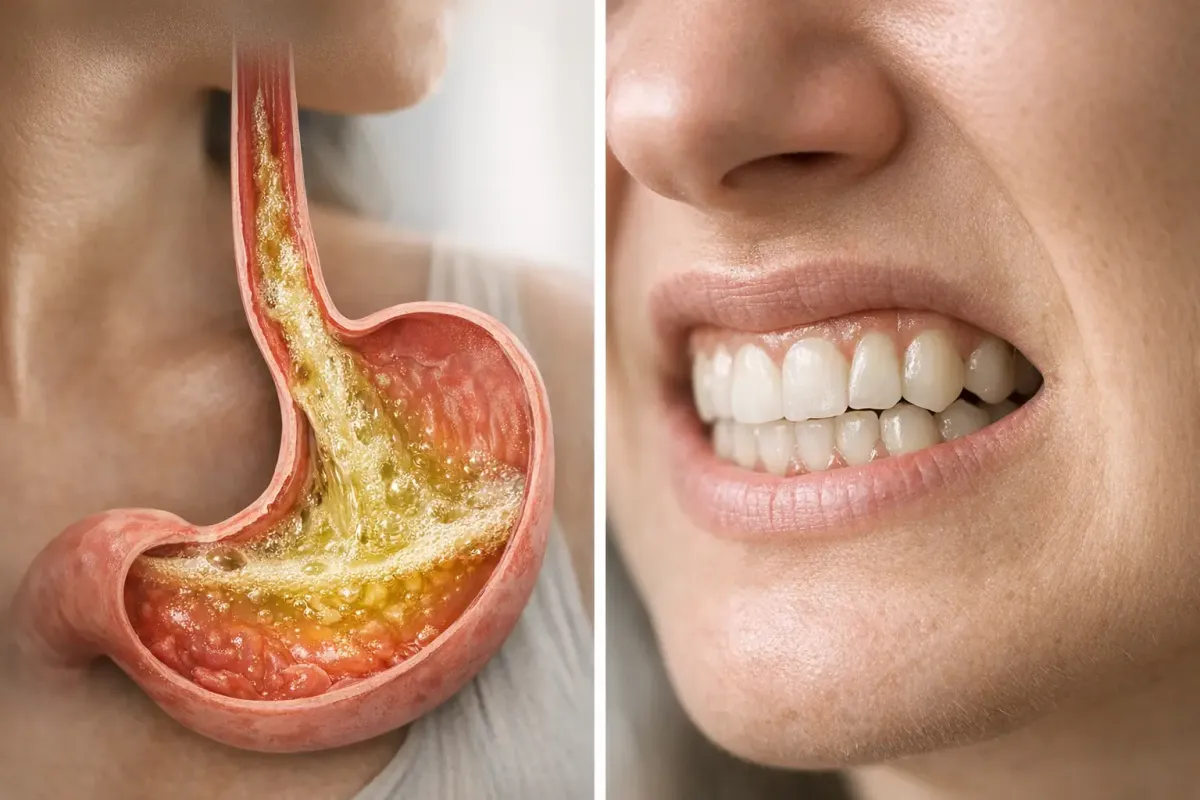
If you wake up with a sore jaw and a sour taste in your mouth, you are not alone. Millions of adults experience bruxism, or teeth grinding, at night. Many also battle chronic acid reflux, known as GERD. Researchers have explored this overlap for years, and a growing body of evidence suggests that acid reflux can trigger or worsen bruxism. This article examines the science, why your nighttime habits matter, and how you can break the cycle before it damages your enamel and sleep quality.
Understanding Bruxism and Its Connection to GERD
Bruxism refers to the gnashing, grinding, or clenching of teeth. It manifests in two ways: awake bruxism, occurring during stressful moments when you are conscious, and sleep bruxism, which causes audible grinding and morning jaw pain.
GERD, or gastroesophageal reflux disease, is persistent acid reflux. Stomach acid flows backward through the lower esophageal sphincter (LES), irritating the esophagus lining. Symptoms include heartburn, a burning throat, chronic cough, and a tangy taste after meals. The National Institute of Diabetes and Digestive and Kidney Diseases notes that persistent reflux can also affect the airways and mouth, potentially leading to dental issues like teeth grinding in sleep.
Why discuss these together? Both issues commonly occur at night. Lying flat allows acid to creep upward, and the subconscious brain may activate jaw muscles, leading to grinding. Reflux-related tissue damage may also alter pain perception, prompting jaw muscles to overreact.
An analysis titled Impact of Gastroesophageal Reflux Disease, Obstructive Sleep Apnea, and Bruxism on the Development and Clinical Presentation of Tooth Hard Tissue Loss (Bida & Doroshenko, 2025) found that GERD patients had higher rates of enamel erosion and grinding. A genetic survey, Genetic architecture of 67 oral diseases and their links to systemic diseases (Karppinen et al., 2026), revealed overlapping genetic pathways in reflux and jaw muscle activity. This suggests a pattern that scientists now actively monitor.
The Science Behind Acid Reflux and Bruxism
Physiological Mechanisms
The LES is a one-way valve, allowing food to pass down but not back up. In GERD, this valve relaxes, letting acid enter the esophagus and trigger sensory nerves that send "danger" signals to the brainstem. The brainstem also houses the trigeminal motor nucleus, controlling chewing muscles.
Animal studies show that esophageal acid increases trigeminal nerve activity. Human studies suggest a similar response. Sensors on the masseter muscle (the primary chewing muscle) record activity bursts after acid exposure, likely a protective chew-and-swallow reflex that turns into tooth grinding at night. If you're experiencing morning jaw pain and headaches, it could be a sign of bruxism.
Research Insights
A 2018 study, Associations among Bruxism, Gastroesophageal Reflux Disease, and Tooth Wear (Li et al.), found GERD patients had a 1.5 times higher odds of sleep bruxism. A 2024 review, Obstructive sleep apnea, sleep bruxism, and gastroesophageal reflux, mutually interacting conditions? (Thomas et al.), suggests a feedback loop where acid reflux disrupts sleep, activating jaw muscles, and resulting in bruxism that further disturbs sleep and loosens the LES.
In sleep labs, acid events often precede jaw muscle activity. A clinical trial involving diluted hydrochloric acid infusion noted jaw muscle spikes within thirty seconds, due to esophageal-trigeminal crosstalk. Some researchers argue that bruxism may help neutralize acid by stimulating saliva, but excess grinding leads to enamel wear, making teeth more vulnerable to acid erosion and related pain.
Triggers and Risk Factors
Lifestyle Influences
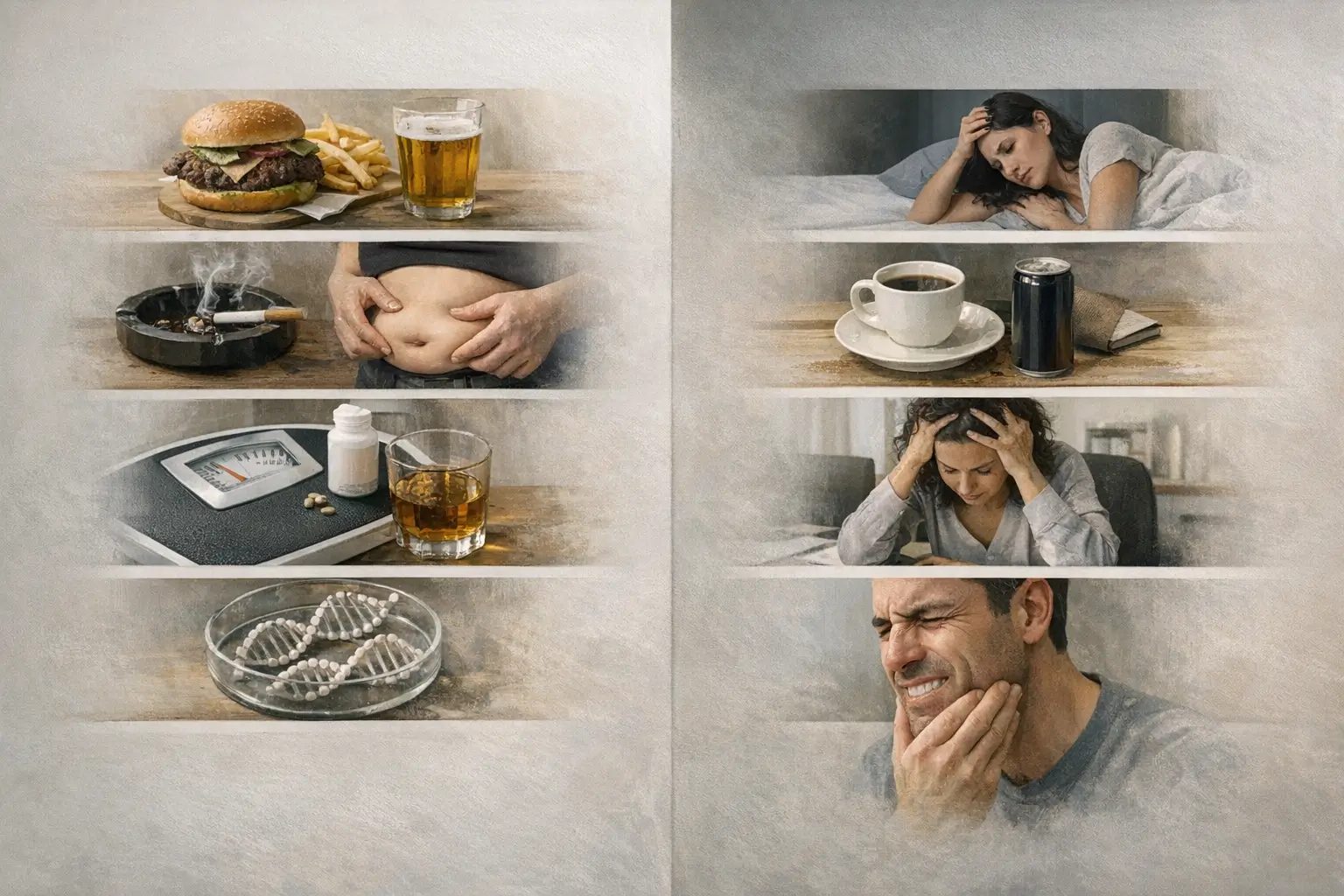
Common reflux triggers include fatty meals, late-night snacks, soda, and lying down after eating. These also affect bruxism. Caffeine, a known stimulant, can keep jaw muscles tense. Alcohol relaxes the LES, increasing reflux, and disrupts sleep, promoting bruxism. Smoking boosts stomach acid and irritates oral tissues. Intense exercise close to bedtime can also affect both the stomach and nervous system.
Stress plays a significant role, increasing cortisol and sympathetic nervous activity, both linked to jaw muscle hyperactivity. According to the Cleveland Clinic, stress peaks during work deadlines or family conflicts can heighten grinding. Stress also increases acid production, exacerbating GERD risk. Understanding the connection between stress and bruxism can help in managing symptoms effectively.
Genetic Contributions
Genetics also play a part. The genetic analysis by Karppinen et al. (2026) identified genes regulating nerve excitability linked to both reflux and bruxism. Family studies show that if one parent experiences GERD, bruxism, and related issues, the likelihood increases for their children. Researchers use the term "orogastric cluster" for families with these overlapping conditions.
Sleep Disorders and Their Impact on Bruxism and GERD
Sleep Apnea's Role
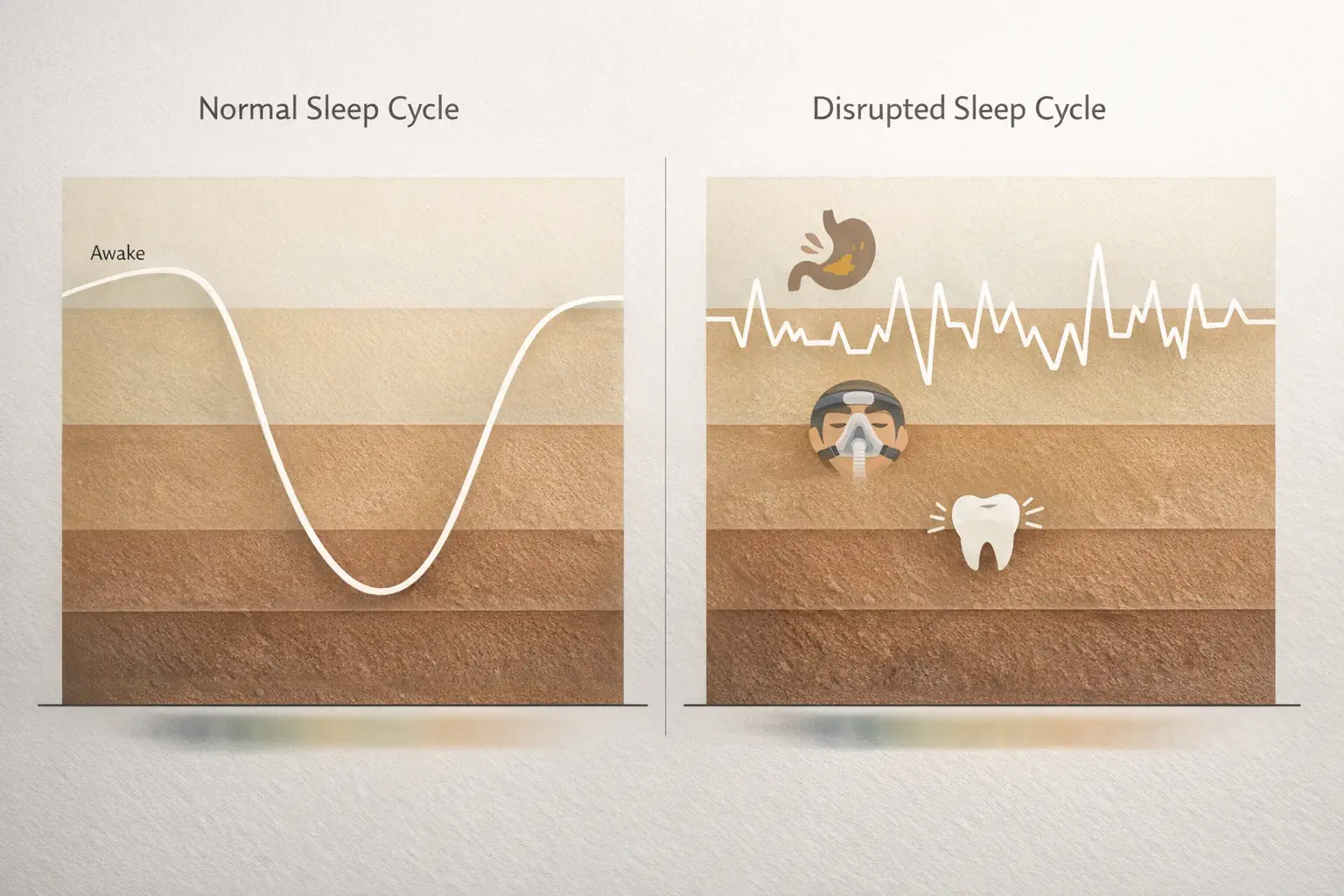
Obstructive sleep apnea (OSA) disrupts sleep by collapsing the airway, lowering blood oxygen levels, and causing mini-awakenings to reopen the airway. These awakenings can relax the LES. The review by Thomas et al., 2024 found up to 40% of OSA patients report chronic reflux and bruxism.
Grinding and snoring? Rule out sleep apnea first
Daybreak at-home sleep test, $159.95. If you grind and also snore, wake up gasping, or feel wiped out after a full night in bed, check for obstructive sleep apnea before treating the grinding on its own. Daybreak's test is a finger sensor you wear for two nights in your own bed. A doctor reviews the data and gives you a diagnosis, with no sleep lab visit, and the test is FSA eligible.
If it does come back as apnea, their treatment is an FDA-cleared, custom-fit oral appliance that holds the lower jaw forward to keep the airway open, an alternative to CPAP. A standard night guard does not do that job, and in some people a flat hard guard can make apnea worse, which is why this question comes first.
Know the full cost before you start. Daybreak says most insurance covers the device, but the $995 Treatment Essentials fee is not covered and is paid out of pocket.
Affiliate link. If you buy through it we earn a commission, at no extra cost to you. How this works.
Research on high-altitude hypoxia, Sleep Bruxism and Hypobaric Hypoxia Exposure (Pena et al., 2025), revealed that oxygen drops increase jaw-muscle activity. If the LES is weak, pressure changes during apneic events promote acid backflow.
Sleep Disruptions
Fragmented sleep from pain, restless legs, or a snoring partner can activate grinding. A 2024 study in Frontiers in Medicine noted that GERD patients with poor sleep quality had higher nighttime acid exposure and reduced heart-rate variability, indicating autonomic imbalance.
The autonomic system alternates between "rest-digest" parasympathetic and "fight-flight" sympathetic modes. Acid reflux induces sympathetic dominance, keeping jaw muscles tense. Poor sleep prevents normal parasympathetic recovery, worsening reflux and bruxism. This is why addressing sleep positions and habits can significantly impact bruxism management.
Strategies for Relief
Lifestyle Adjustments
You can reduce reflux and grinding episodes with simple changes:
- Stop eating 2-3 hours before bed to keep acid down.
- Avoid trigger foods: chocolate, mint, fried foods, citrus, and tomatoes.
- Limit coffee to early in the day, ideally before 2 p.m.
- Avoid alcohol close to bedtime as it relaxes the LES.
- Elevate your bed's head by 6-8 inches.
- Practice relaxation techniques like breathing exercises or mindfulness.
- Chew sugar-free gum after meals to buffer acid with saliva.
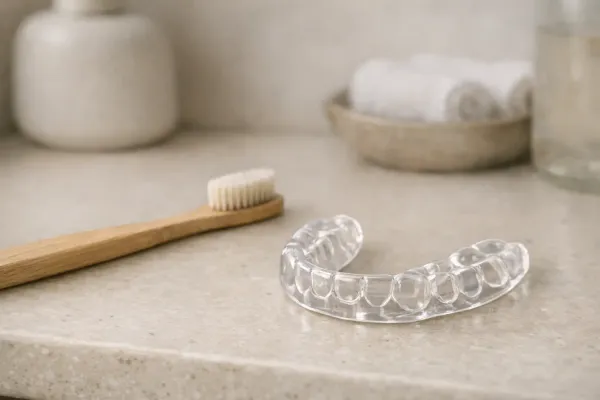
- Use a custom mouthguard to protect teeth from grinding forces.
These tips are supported by the Mayo Clinic's GERD guidelines and the American Dental Association's bruxism advisories. Additionally, incorporating techniques to stop clenching teeth at night can provide further relief.
Medical Interventions
If lifestyle changes are insufficient, medical options exist. Proton pump inhibitors (PPIs) like omeprazole reduce stomach acid and are primary treatments. A 2020 study, Exacerbation of gastroesophageal reflux symptoms after discontinuation of proton pump inhibitors (Hoshikawa et al.), warns of rebound symptoms when stopping PPIs abruptly. Work with your doctor on a tapering plan.
For bruxism, options include mandibular advancement devices (MADs) or botulinum toxin injections into the masseter. Evidence varies, but some patients find these effective. For combined GERD and OSA, a continuous positive airway pressure (CPAP) machine can help by keeping the airway open and reducing acid backflow.
Surgical options are a last resort. Nissen fundoplication tightens the LES. Bariatric procedures can reduce obesity-linked reflux. A study on laparoscopic sleeve gastrectomy (Zhong et al., 2023) showed mixed reflux outcomes. Consider benefits and risks carefully.
Dental restorations may be necessary for severe enamel loss. Dentists can apply composite resin or crowns to protect teeth while other treatments take effect.
When to Consult a Professional
Seek professional help if you notice any of these signs:
- Persistent heartburn more than twice a week.
- Morning headaches or jaw pain unrelieved by pain relievers.
- Visible cracks, chips, or flattened chewing surfaces on teeth.
- Unexplained tooth sensitivity, especially to cold.
- Chronic sore throat, hoarseness, or a lump sensation in the throat.
- Choking or gasping during sleep.
If you experience multiple symptoms, schedule a joint consultation. Start with your dentist or primary care doctor, who may refer you to a gastroenterologist or sleep specialist. Polysomnography can confirm sleep bruxism and OSA. Esophageal pH monitoring assesses reflux severity. Research on social isolation and sleep bruxism (Cunha et al., 2021) suggests psychological counseling can help when stress or anxiety drives grinding.
Treatment paths often intersect. A custom night guard protects teeth while acid-suppressing meds take effect. Behavioral therapy, like cognitive-behavioral stress management, can reduce muscle tension and reflux triggers. For more insights on managing bruxism, explore how CBT can alleviate bruxism symptoms.
Conclusion
Bruxism and GERD share more than symptoms; they share nerves, genes, and timing. Acid reflux irritates nerve pathways controlling jaw muscles, while clenching disrupts sleep and loosens the LES, inviting more acid. The cycle damages enamel, muscles, and sleep.
Fortunately, you can break this cycle. Lifestyle changes, early dinners, bed elevation, and stress control can alleviate both issues. Medical options like PPIs and CPAP address physiological problems. Tackle both reflux and grinding together by consulting your dentist, doctor, or sleep specialist. Replace morning jaw pain with a genuine smile.