How Stress Makes Bruxism Worse: Unraveling the Connection
Discover how stress exacerbates bruxism and jaw tension through physiological and psychological connections.
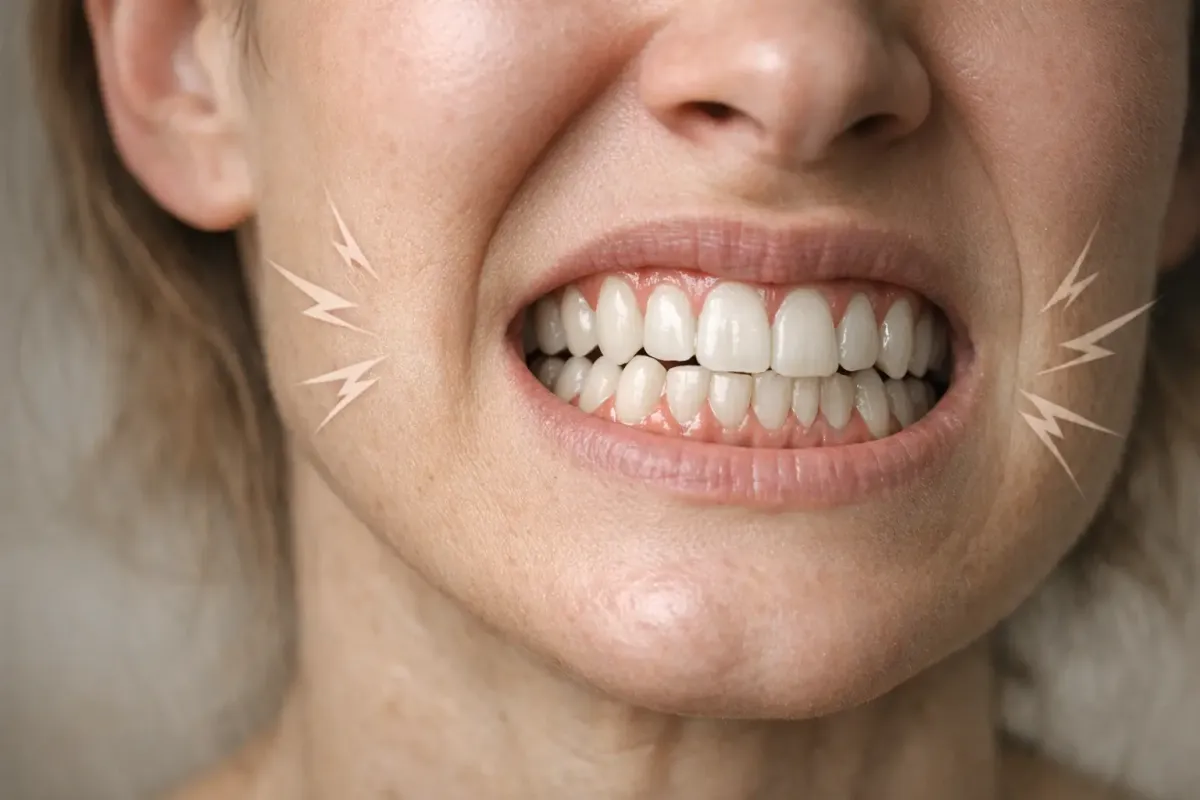
Why do some nights sound like you are chewing through a bag of gravel while you sleep? Scientists have been investigating this for decades. Research shows stress is not just a side character; it is the lead actor. For instance, a 2025 investigation tracked salivary melatonin-cortisol ratios in adults and found that higher perceived stress scores predicted stronger masseter muscle activity. Translation: the more wound up you feel, the harder your jaw works when you are off the clock.
The story does not end with one study. A 2025 survey of college students showed that nearly 50 percent of young adults who reported heavy academic pressure also reported chronic tooth grinding. Put the numbers side by side and an obvious theme pops out: stress ramps up the risk of bruxism. You are here because you want to understand how that happens and, more to the point, how to stop the cycle. Let us dive in.
Understanding Bruxism: What It Is and Why It Matters
Bruxism is the clinical term for repetitive jaw-muscle activity that shows up as clenching or grinding of the teeth. The habit can happen while you are awake, but it most often appears during sleep. Estimates from the American Dental Association peg sleep bruxism prevalence at about 8–15 percent of adults. However, underreporting is likely because many people only learn they grind when a partner complains or a dentist spots flattened enamel.
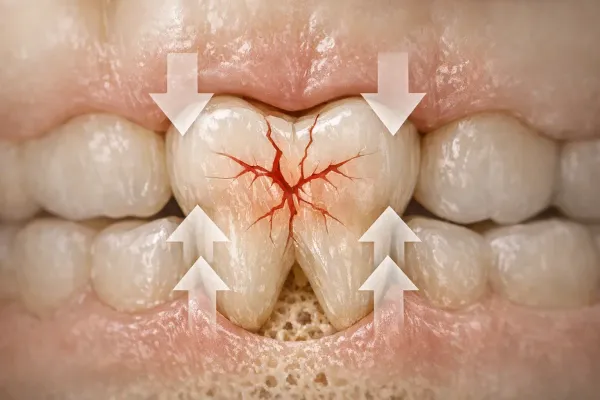
Why should you care? Chronic bruxism is not a harmless quirk. It can fracture restorations, loosen teeth, trigger temporomandibular joint (TMJ) pain, and even cause tension-type headaches. Over time, excessive bite forces overload the periodontal ligament and change the shape of the alveolar bone—the socket that supports each tooth. That structural stress can speed up gum recession and tooth mobility.
Stress has moved to the front row as a key driver of the condition. The ultrasonographic masseter study linked elevated cortisol with stronger nighttime clenching, while young-adult research tied exam stress to both awake and sleep bruxism. These findings suggest that bruxism is not only a mechanical habit; it is a biopsychosocial response where your nervous system, hormones, and emotional state join forces to hammer your teeth.
Understanding how stress interacts with your jaw—physically and psychologically—is the first step in dodging cracked molars and morning jaw ache. Next, we will break down how tension translates into tooth-on-tooth combat.
The Physiological Impact of Stress on Jaw Tension
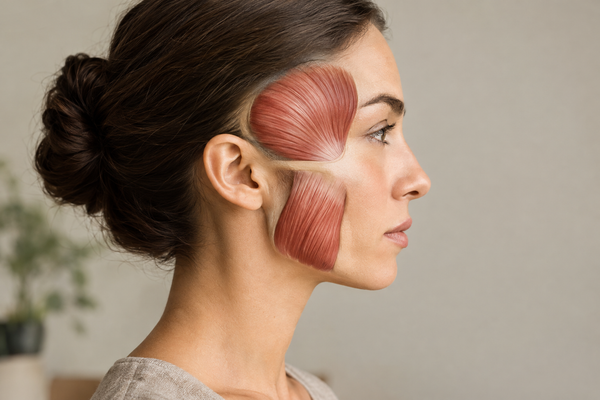
Stress hormones do more than rattle your mood. They prime muscles for action, and the jaw is no exception. Chronic sympathetic arousal increases muscle tone, so your masseter and temporalis stay on high alert even when you think you are relaxed. Let us unpack the chain of events from muscle contraction to bone remodeling.
The Role of Mechanical Stress
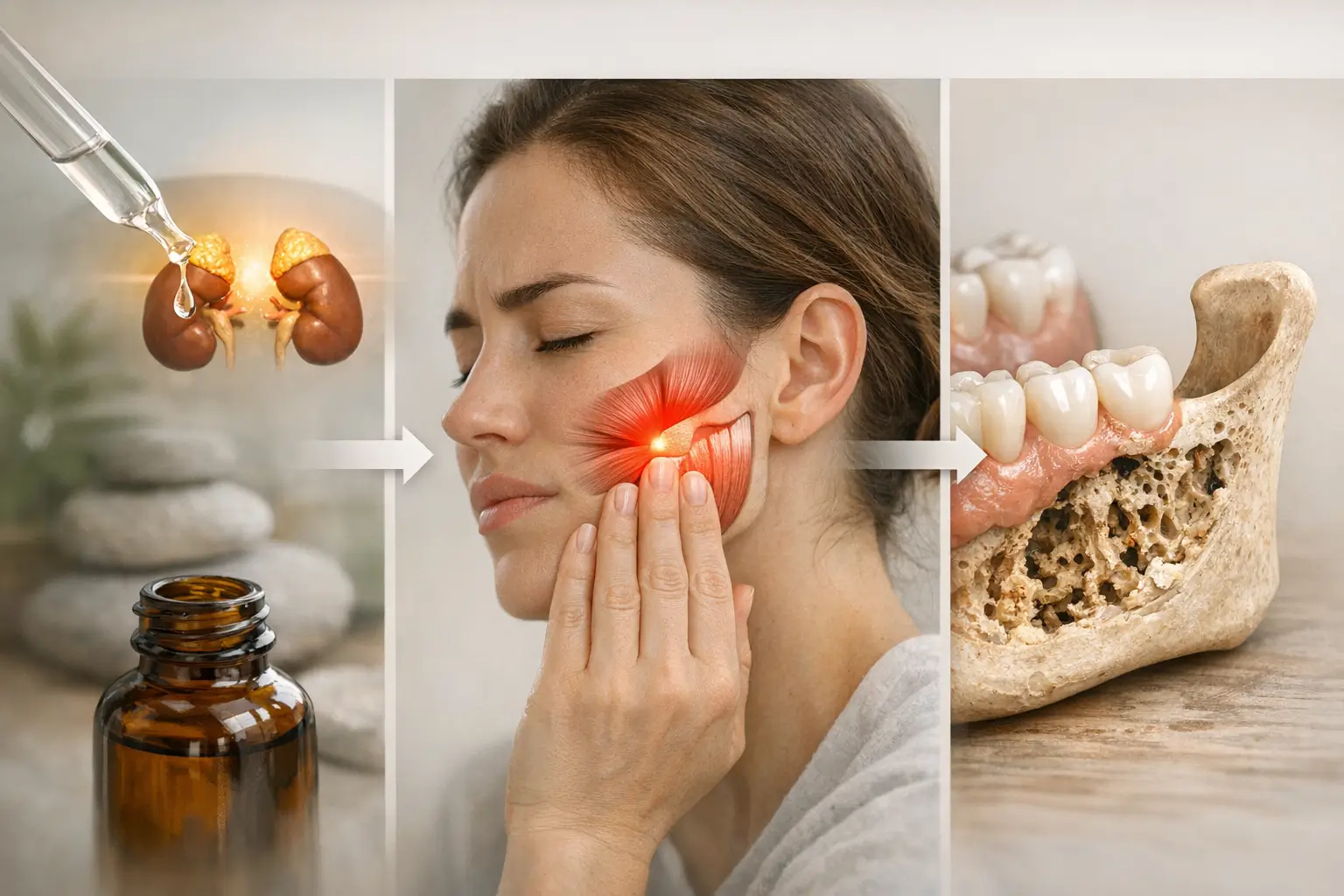
When you bite down hard, you deliver mechanical forces straight into the periodontal ligament and surrounding bone. Cells in these tissues are not passive. They sense pressure through a process called mechanotransduction. A 2026 finite element study modeled chewing forces and showed that continuous clenching concentrates stress along the buccal cortical plate. This pattern stimulates osteocytes to release signaling molecules that nudge osteoclasts to resorb bone.
At the same time, gingival epithelial cells react to compression by turning on pro-inflammatory pathways. Research found that mechanical loading triggers NF-κB‐dependent production of pro-IL-1β. That cytokine cocktail promotes local inflammation, which further sensitizes the tissues and may amplify pain signals headed to your brain.
Effects on Alveolar Bone and Periodontal Tissues
Bone is a dynamic tissue—use it or lose it. The finite element models predict that sustained bite forces above physiologic norms cause microdamage. Your body attempts to patch these cracks through remodeling, but repeated overload can outpace repair. Eventually, you get net bone loss, thinner cortices, and teeth that feel slightly loose in the socket.
Inflammation adds fuel to the fire. The pro-IL-1β surge observed recruits osteoclasts, accelerating resorption. Meanwhile, periodontal ligament fibroblasts under constant tension express matrix metalloproteinases that chew up collagen. The result is a weaker attachment apparatus. In short, your nightly jaw workout can remodel your mouth in all the wrong ways.
Knowing that mechanical stress converts to biochemical havoc helps explain why a stressed-out brain equals a sore jaw. Yet physical pathways are only half the tale. The mind itself sets the stage for grinding.
Psychological Factors: How Stress Triggers Bruxism
You might assume bruxism is purely unconscious muscle chatter. In reality, emotional states steer the wheel. Anxiety and depression alter neurotransmitter balance, amping up the excitability of motor neurons that govern jaw muscles. Let us look at how psychology feeds physiology.
Anxiety and Depression as Catalysts
People with high trait anxiety report bruxism more often than their laid-back peers. A 2025 systematic review pooled data from 19 clinical trials and found a strong association between elevated Anxiety Depression Stress Scale (ADSS) scores and both awake and sleep bruxism. Odds ratios ranged from 2.1 to 3.8 depending on age group, meaning anxious individuals could be almost four times more likely to grind.
Mood disorders do not merely coincide with bruxism—they may prime the central nervous system for hyperarousal. Elevated cortisol and reduced nocturnal melatonin disrupt circadian regulation, making it harder for your jaw muscles to power down during sleep cycles. In short, emotional turbulence keeps the motor cortex buzzing when it should be napping.
Neurophysiological Pathways
Cortical and subcortical networks play tag when you are stressed. The amygdala, your brain’s alarm bell, fires up the hypothalamic-pituitary-adrenal (HPA) axis. Cortisol surges follow, and so does sympathetic nerve output. The mandibular division of the trigeminal nerve receives this heightened drive, translating mental alarm into muscular action.
Dopamine also sneaks into the picture. Anxiety can decrease striatal dopamine, which normally inhibits unwanted movements. With the brake pedal loosened, repetitive jaw activity slips through. Some researchers even propose that sleep bruxism resembles a minor movement disorder, sharing circuitry with restless leg syndrome. Although data are still emerging, neuroimaging shows hyperactivation in the supplementary motor area during grinding episodes.
Bottom line: your brain and mood states are not innocent bystanders. They throw switches that tell your jaw when to clamp down. Understanding those switches points us toward solutions.
The Interplay Between Sleep Disorders and Bruxism
Sleep is the nightly repair shop for your body. When that shop runs on a skeleton crew due to insomnia or fragmented breathing, bruxism often muscles in. Research links grinding to poor sleep quality and sleep apnea. Here is what the science says.
Impact of Sleep Quality
Frequent awakenings and shallow non-REM sleep leave your autonomic system revved up. A 2025 review analyzed polysomnography data and found that subjects with tension-type headaches and bruxism showed higher sleep fragmentation scores than controls. Fragmentation keeps the sympathetic system on standby, inviting micro-arousals that coincide with jaw muscle bursts.
Hypoxia also plays a role. A 2025 hypobaric hypoxia experiment exposed volunteers to low-oxygen conditions similar to high altitudes. They noted a spike in rhythmic masticatory muscle activity—the hallmark of sleep bruxism—during oxygen dips. This suggests that even brief drops in blood oxygen trigger brainstem reflexes that tighten airway muscles, jaws included.
Sleep Apnea and Bruxism
Obstructive sleep apnea (OSA) features episodic airway collapse, leading to repeated oxygen drops. Several theories propose that the jaw thrust reflex activates to keep the airway open, but the side effect is tooth grinding. A clinical perspective from the 2025 integrative review outlines overlapping risk factors such as obesity, nasal obstruction, and, you guessed it, chronic stress.
If you are snoring like a freight train and grinding your teeth, the two may be cousins rather than random roommates. Tackling sleep apnea often tones down bruxism episodes, highlighting the interconnected nature of airway health, stress physiology, and jaw activity.
Together, these findings paint a clear picture: poor sleep quality fans the flames of stress-induced bruxism, and bruxism, in turn, can disturb sleep architecture. Breaking this loop requires a lifestyle approach grounded in stress management and sleep hygiene.
Stress Management Techniques to Alleviate Bruxism
You cannot bubble-wrap your life against every stressor, but you can train your body to react less aggressively. Below are evidence-based strategies that tone down the HPA axis and reduce jaw tension.
Relaxation Techniques
- Progressive muscle relaxation (PMR). By tensing and then releasing muscle groups in sequence, you teach your nervous system the difference between tight and loose. A 2025 systematic review found that PMR lowered resting heart rate, a proxy for reduced sympathetic tone.
- Guided breathing. Slow diaphragmatic breathing shifts vagal tone upward. The Mayo Clinic’s stress management portal recommends 4-7-8 breathing (inhale 4 s, hold 7 s, exhale 8 s) to down-regulate cortisol.
- Mindfulness meditation. By focusing awareness on the present, you deflate rumination. Randomized trials show meditation can cut nocturnal cortisol levels by up to 30 percent.
- Biofeedback splints. Some dental splints pair sensors with vibration alerts when you clench. While data are early, preliminary trials indicate reduced grinding episodes over four weeks.
Regular use of these techniques rewires your stress response, giving your jaw a fighting chance to rest.
Improving Sleep Hygiene
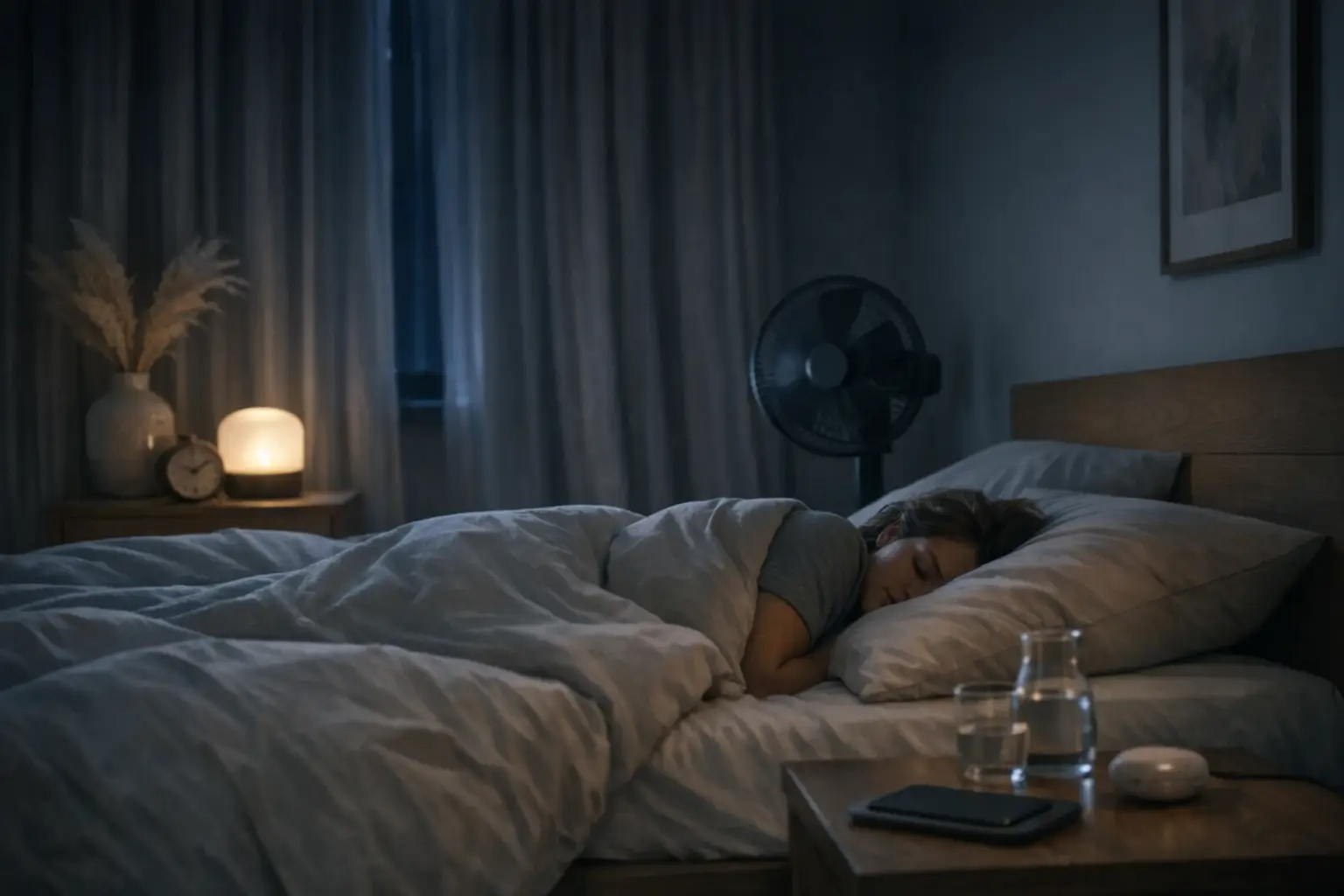
- Set a consistent bedtime. A steady circadian rhythm lowers evening cortisol and raises melatonin, both enemies of bruxism.
- Limit stimulants. Caffeine after 2 p.m. or alcohol near bedtime fragments sleep and boosts micro-arousals. The Cleveland Clinic flags late-night stimulants as a top bruxism trigger.
- Screen detox. Blue light delays melatonin release. Power down devices an hour before bed or use amber filters.
- Optimize the sleep cave. Keep the room cool (60-67 °F), dark, and quiet. White-noise machines can mask background clatter.
- Address breathing issues. If you snore loudly or wake gasping, get evaluated for OSA. Continuous positive airway pressure (CPAP) therapy has been shown to slash bruxism bursts in apnea patients.
Stress management and sleep hygiene are not quick hacks; they are daily habits. Commit to them, and you shrink the physiologic gap between stress and jaw mayhem.
Conclusion: Breaking the Stress-Bruxism Cycle
Grinding your teeth is not a random nocturnal pastime. It is a physical expression of psychological and physiologic stress. Mechanical overload remodels bone and inflames tissues, while anxiety-driven neurochemistry keeps jaw muscles firing. Poor sleep, especially when laced with apnea or hypoxia, throws more gasoline on the fire.
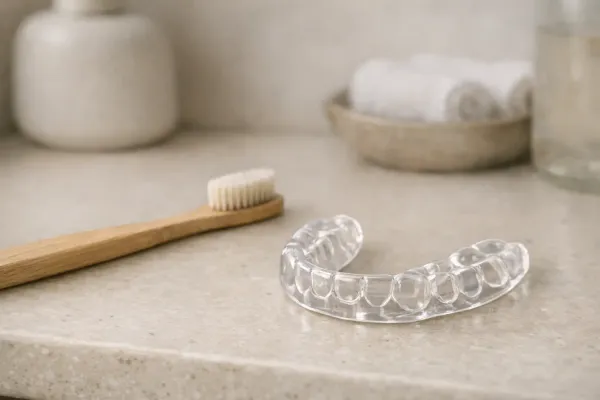
The good news is you hold several levers to flip. Relaxation techniques downshift the HPA axis, and robust sleep hygiene rebuilds the buffering power of deep sleep. Coupled with dental support—such as a properly fitted night guard—you can loosen the grip of stress on your jaw. Understanding the science turns a frustrating habit into a solvable puzzle. Now that you know the pieces, you can start putting them in the right spots.