Why Does My Jaw Hurt After Sleeping? Discover the Causes and Solutions
Uncover why your jaw hurts after sleeping and explore effective solutions.
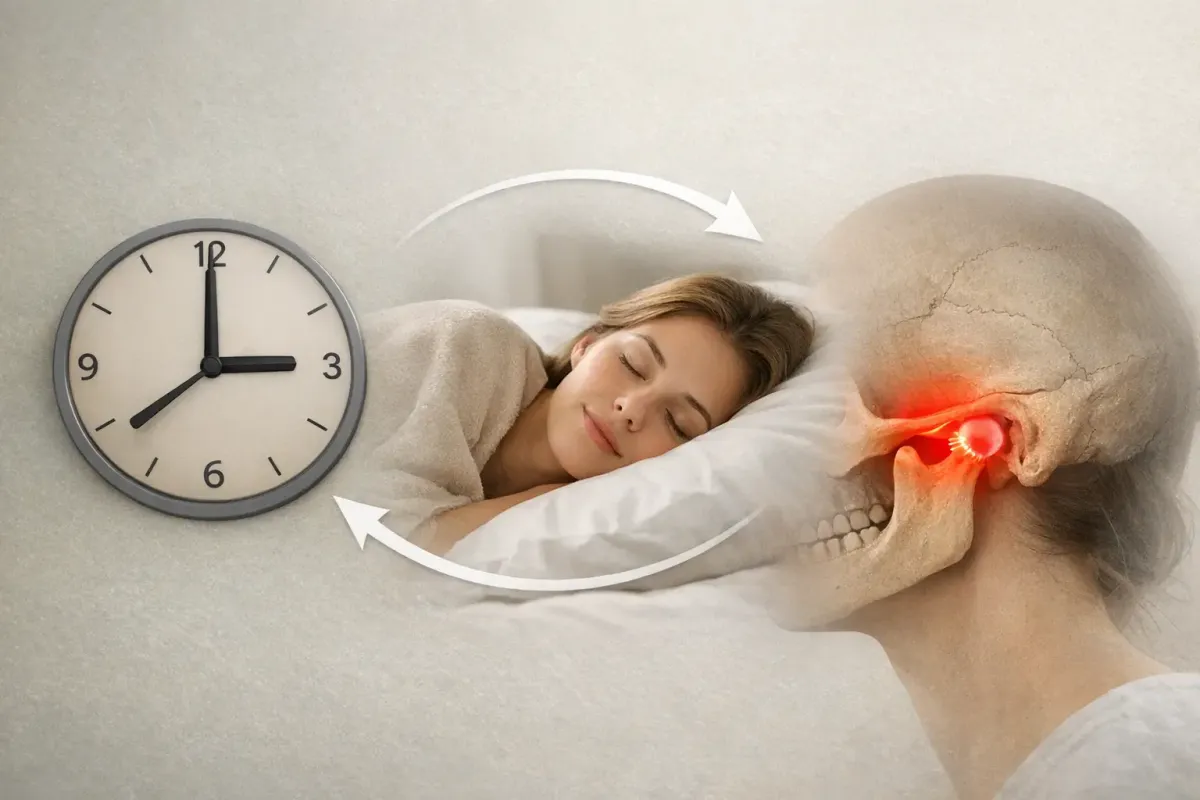
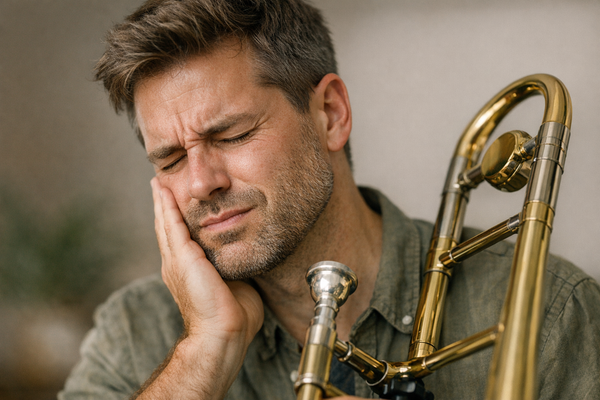
It’s a strange way to start the day: you roll out of bed, open your mouth to yawn, and a sharp twinge shoots through your jaw. The pain might sit on one side, feel like a dull ache under your ear, or radiate toward your temples. Whatever you're dealing with, the question is the same: why does your jaw hurt after a full night of sleep, the one time your mouth is supposedly at rest?
Researchers have been exploring this question for decades, and the answer is rarely simple. Teeth grinding, cramped sleep positions, stress hormones, and temporomandibular disorders (TMD) can all contribute to the issue. The good news is that once you understand the root causes, you can address them effectively. Below, we delve into the science, avoid clinical jargon, and offer practical solutions.
Understanding Jaw Pain: Why It Hurts After Sleeping
Jaw pain in the morning is surprisingly common. A study in the Journal of Oral Rehabilitation found that roughly one in three adults report waking up with jaw discomfort. Many people blame awkward pillows or sleeping on one side, but the mechanics run deeper.
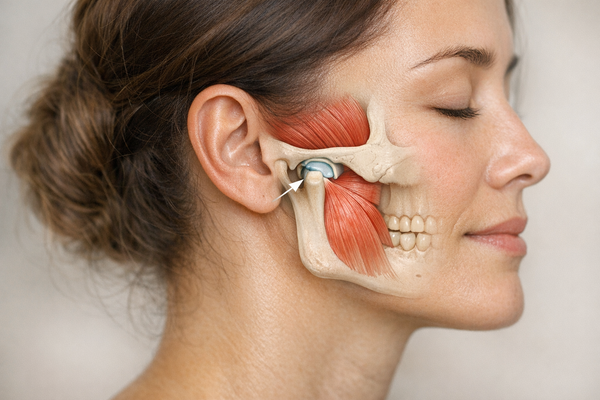
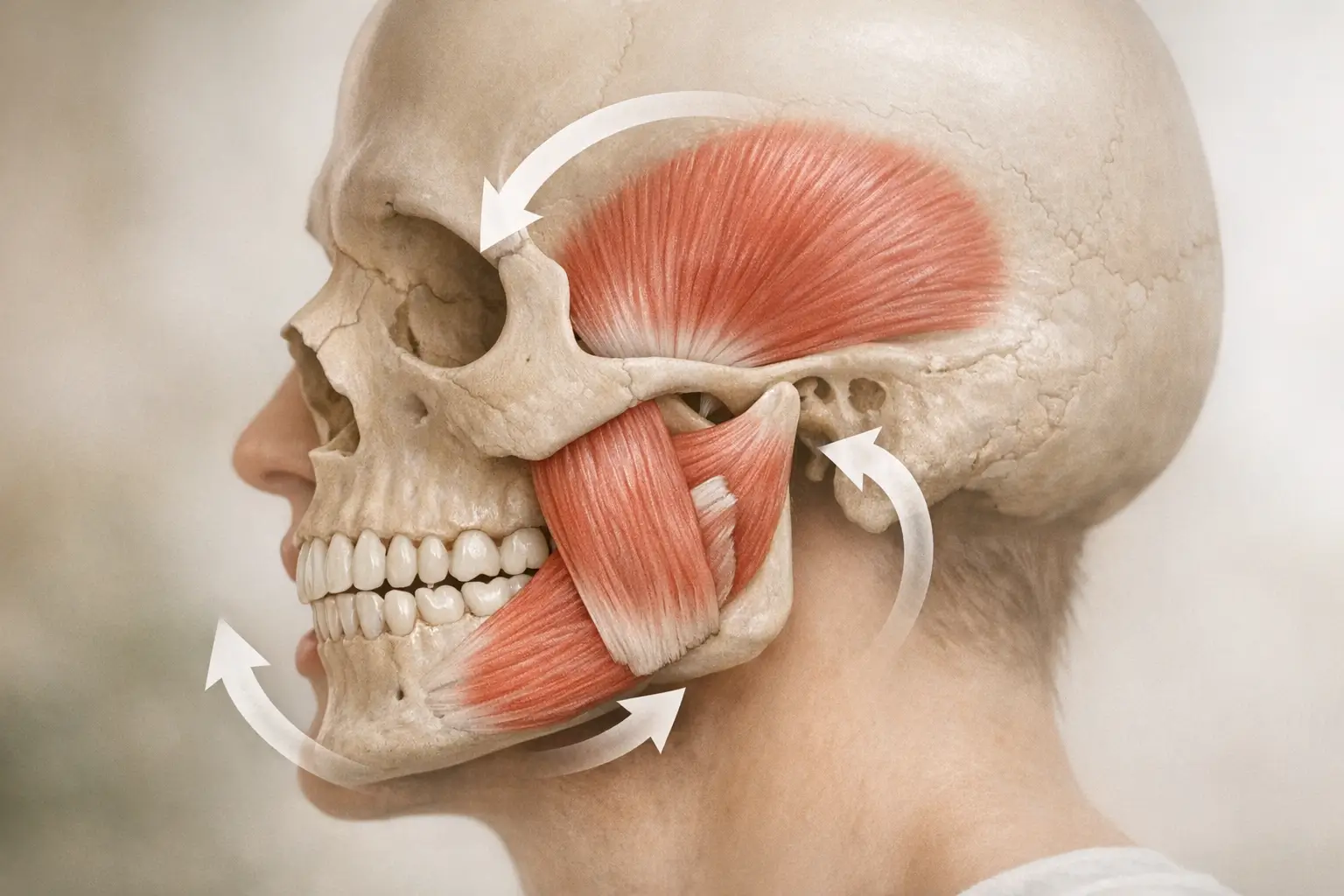
Your jaw, or temporomandibular joint (TMJ), works hard during the day while you chew, talk, and yawn. At night, it should rest, yet several factors can keep it active or put extra strain on it:
- Sleep bruxism (clenching or grinding) keeps the jaw muscles working when they should be relaxing. Learn more about the sudden onset of bruxism symptoms.
- Side or stomach sleeping can press the mandible upward or twist it sideways. Discover how sleep positions impact bruxism and jaw pain.
- Stress chemicals may increase muscle tension even when you’re asleep. Explore how stress triggers nighttime teeth clenching.
- Pre-existing TMD can flare due to poor nighttime posture or grinding.
Morning aches often concentrate on one side. If you habitually sleep with your hand pushing the right side of your face into the pillow, that added pressure can compress the joint surfaces and overstretch the attached ligaments. Similarly, people who find their jaw hurts after sleeping on their left side are usually adding gravitational load, muscle activity, and possibly tooth contact on that left joint.
Persistent jaw pain is more than a nuisance. Over time, it can trigger headaches and even disturb sleep itself. A review on current bruxism management warned that unaddressed nocturnal jaw activity contributes to fragmented sleep architecture. Fragmented sleep feeds daytime fatigue, which in turn increases muscle tension—a cycle that needs breaking.
The first step in breaking this cycle is understanding sleep bruxism, the most common culprit in morning jaw pain.
The Role of Sleep Bruxism in Jaw Pain
What is Sleep Bruxism?
Sleep bruxism is a parasomnia, meaning an unwanted movement or behavior during sleep. In simpler terms, it’s unconscious clenching and grinding. According to an international consensus on bruxism assessment, about 13 percent of adults show at least moderate signs of the habit. The exact percentage may vary depending on the definition, but dentists and sleep specialists consider it a major trigger of jaw pain.
Researchers now describe bruxism on a spectrum rather than a simple yes-or-no diagnosis. The Standardised Tool for the Assessment of Bruxism (STAB) categorizes people into "possible," "probable," and "definite" based on self-reports, clinical signs, and electromyography (EMG) recordings. Even "possible" bruxers—who report morning jaw fatigue but lack significant tooth wear—can experience genuine muscle soreness.
Symptoms and Diagnosis
You might suspect bruxism if you notice:
- Jaw fatigue or stiffness upon waking
- A partner complaining about grinding noises
- Flattened chewing surfaces or chipped teeth
- Morning headaches centered at the temples
A dentist may spot wear facets, cracked enamel, or gum recession. For a firmer diagnosis, sleep labs place electrodes on the masseter muscle overnight. Repetitive bursts of electrical activity confirm that the jaw is clenching even if your teeth aren’t audibly grinding.
Why does bruxism occur? The science is still developing, but several factors stand out:
- Arousal micro-bursts during rapid eye movement (REM) sleep. These tiny wake-ups trigger muscle activity.
- Stress and anxiety. Higher levels of cortisol strongly link with nighttime clenching. Explore how stress exacerbates bruxism.
- Airway instability. Some researchers theorize that grinding repositions the jaw to keep the airway open.
- Medication side effects. Selective serotonin reuptake inhibitors (SSRIs) and stimulants may increase bruxism risk.
Regardless of cause, each clench can generate forces up to 250 pounds per square inch. Repeated hundreds of times in one night, that load leaves muscles sore and joints irritated by morning.
Impact of Sleep Position and Stress on Jaw Pain
How Sleep Position Affects Jaw Pain
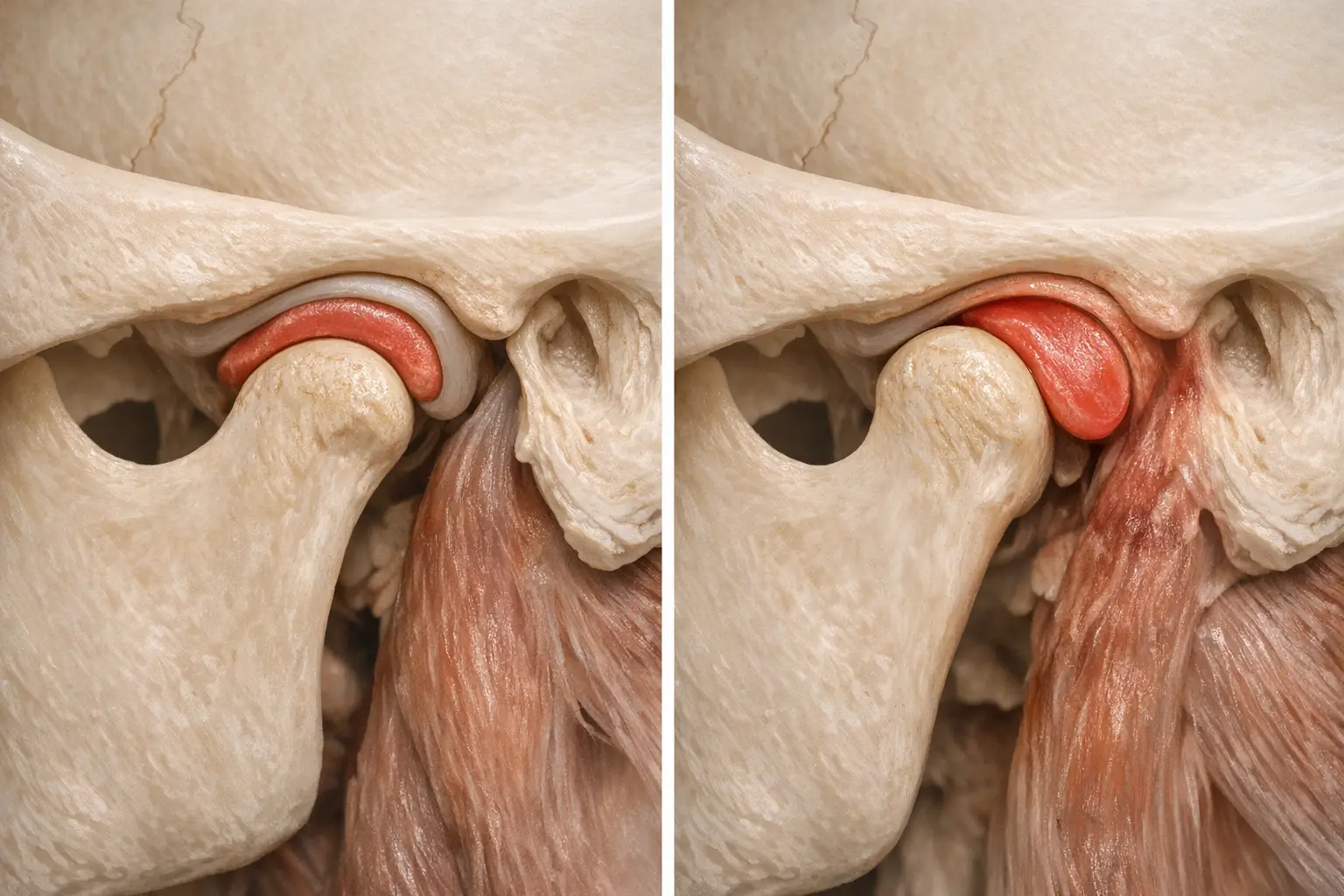
Imagine falling asleep with your cheek pressed into the pillow and your chin tucked toward your shoulder. Gravity plus pillow pressure pushes the mandible upward, compressing the articular disc inside the TMJ. Over hours, that compression restricts blood flow and strains the joint capsule.
A cross-sectional study of oral behaviors found a direct link between side-sleeping pressure habits and the number of self-reported TMD symptoms. The more often participants slept with a hand or firm object under the jaw, the more likely they were to report morning pain.
Here are common positional pitfalls:
- Side sleeping with a high pillow tilts the neck and jams the lower jaw sideways.
- Stomach sleeping forces head rotation, putting asymmetric strain on one TMJ.
- Propping the chin on an arm while dozing on the couch compresses the mandibular condyle.
Changes can be as simple as swapping a lofty pillow for a thinner one if you sleep on your back, or choosing a contoured pillow that lets the shoulder sink while side sleeping. We’ll explore solutions further later.
Stress and Its Effects on Jaw Health
Stress is the background factor stirring up bruxism, muscle tension, and posture issues. An experiment on mandibular deviation and stress showed that forcing the jaw into an off-center position spiked heart rate and galvanic skin response. Translation: your nervous system sees jaw strain as a stressor.
When facing a looming deadline or relationship drama, your body releases adrenaline and cortisol. These hormones prime your muscles to contract, including the masseters. Daytime tension carries into sleep, fueling nocturnal clenching cycles. Add poor sleep posture and the jaw never truly relaxes.
Stress also affects pain perception. Elevated cortisol can lower pain thresholds, making mild tightness feel like full-blown pain. This brain-body loop explains why jaw discomfort tends to flare during stressful periods.
Managing stress is a key tactic for jaw relief. Breathing exercises, short walks, or app-guided mindfulness can reduce sympathetic tone before bedtime. But let’s not get ahead of ourselves; first, we need to discuss TMD, the structural side of the problem.
Temporomandibular Disorders (TMD) and Their Connection to Jaw Pain
Understanding TMD
Temporomandibular disorders refer to conditions that affect the jaw joint, the muscles around it, or both. Symptoms range from clicking sounds and limited opening to chronic pain radiating into the neck. The Mayo Clinic lists jaw tenderness and locking as hallmark signs.
TMD often runs in parallel with bruxism but isn't the same thing. You can grind without developing joint problems, and you can have TMD from arthritis or trauma without grinding. They do, however, interact. A narrative review on bruxism, TMD, and headache notes overlapping pain pathways and risk factors.
Link Between TMD and Jaw Pain After Sleep
Morning jaw pain is a classic TMD feature because inactivity plus joint misalignment can trigger inflammatory cascades. Think of sitting cross-legged for an hour—joints stiffen, and the first movement hurts. The same applies to your TMJ after a night of poor alignment.
A randomized clinical trial on acupuncture for TMD reported significant pain reductions, highlighting that muscular and joint inputs both matter. Additionally, a network meta-analysis of chronic TMD pain treatments found that multimodal approaches combining splints, exercises, and behavioral therapy outperform single fixes. The takeaway: jaw pain after sleeping is rarely a stand-alone symptom. It’s a sign that the entire jaw system may be under strain.
Effective Solutions for Managing Jaw Pain After Sleeping
Therapies and Treatments
The menu of evidence-based treatments keeps expanding, but three options dominate the research landscape:
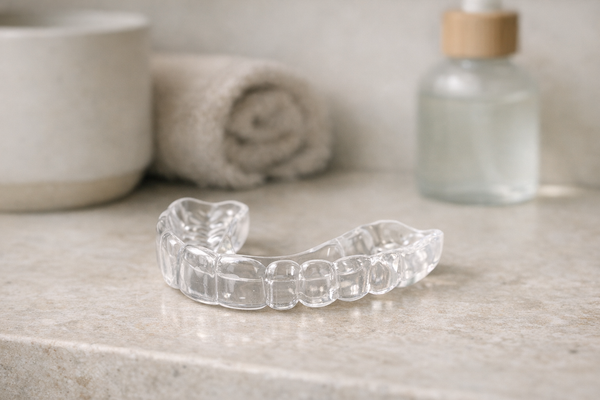
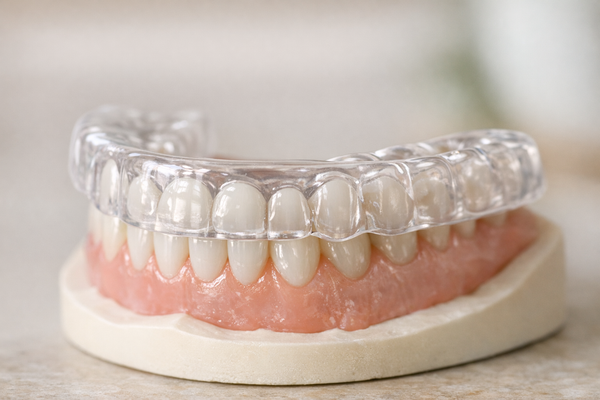
- Occlusal splints (night guards). A trial comparing splints with botulinum toxin-A found both reduced pain scores, with splints offering superior protection against tooth wear. Custom laboratory-made guards usually outperform boil-and-bite versions because they distribute forces more evenly. Learn more about using a mouth guard safely.
- Botulinum toxin-A injections. By partially paralyzing overactive masseter and temporalis muscles, Botox can decrease clenching intensity. Side effects like chewing fatigue are possible, so it’s often reserved for severe cases.
- Jaw and posture exercises. A study demonstrated that a six-week exercise protocol lowered morning pain as effectively as splints, and combining both produced the strongest gains. Exercises target the jaw and cervical posture, addressing the upper-body chain that influences TMJ mechanics.
Other therapies include acupuncture, dry needling, and low-level laser therapy. The network meta-analysis rated acupuncture moderately effective, though accessibility and practitioner skill vary widely.
Lifestyle Changes and Preventive Measures
Clinical tools matter, but your daily (and nightly) habits often decide whether pain sticks around. Consider these practical steps:
- Adjust your pillow setup. For side sleepers, choose a medium-firm pillow that keeps your neck aligned with your spine. Back sleepers usually do better with a thinner pillow to avoid pushing the chin toward the chest.
- Train a neutral jaw posture. The “lips together, teeth apart” cue keeps the mandible relaxed. Setting smartphone reminders during the day builds muscle memory for the night. Discover more natural solutions for bruxism.
- Run a stress cool-down. Five minutes of box breathing or progressive muscle relaxation before bed can reduce clench frequency.
- Limit late-night stimulants. Caffeine and nicotine can increase muscle excitability. Learn why you should avoid caffeine late at night.
- Mind your screen tilt. Hours hunched over a phone push the head forward, dragging the mandible out of alignment. Using a stand or raising the device helps.
- Stay hydrated. Dehydrated muscles fatigue and cramp more easily.
- Schedule regular dental checkups. Dentists can catch early enamel wear or cusp fractures indicating silent grinding. Recognizing early bruxism symptoms is crucial.
When should you seek professional help? The Cleveland Clinic suggests seeking care if pain lasts more than a week, your jaw locks, or you notice significant tooth damage. Persistent unilateral pain or swelling may signal arthritis, infection, or an abscess, all of which need targeted treatment.
Remember, interventions aren’t mutually exclusive. Many patients find the best relief through a mix: a custom splint at night, quick stretching drills in the morning, monthly physical therapy check-ins, and a mindfulness routine to cap the day.
Conclusion: Taking Charge of Your Jaw Health
Morning jaw pain may seem mysterious, but the usual suspects are easy to identify once you know where to look. Sleep bruxism causes muscle overdrive, awkward sleep positions add mechanical stress, and background anxiety increases the tension. If TMD is involved, joint structures also contribute.
The research is clear: targeted solutions—custom splints, exercise programs, muscle relaxant injections when needed, and stress reduction—can alleviate jaw pain. Adding smarter pillow choices and tech posture tweaks can further lighten the load while you sleep.
Your jaw does heavy lifting every day. Giving it a break at night isn’t a luxury; it’s basic maintenance. By combining evidence-based treatments with achievable lifestyle changes, you can wake up ready to chew breakfast rather than grimace through it. If pain persists, involve your dentist or a TMJ specialist sooner rather than later. Your future self, happily yawning without pain, will thank you.