Exploring the Connection Between Hormonal Changes and Bruxism
Uncover how hormonal fluctuations may influence bruxism symptoms.
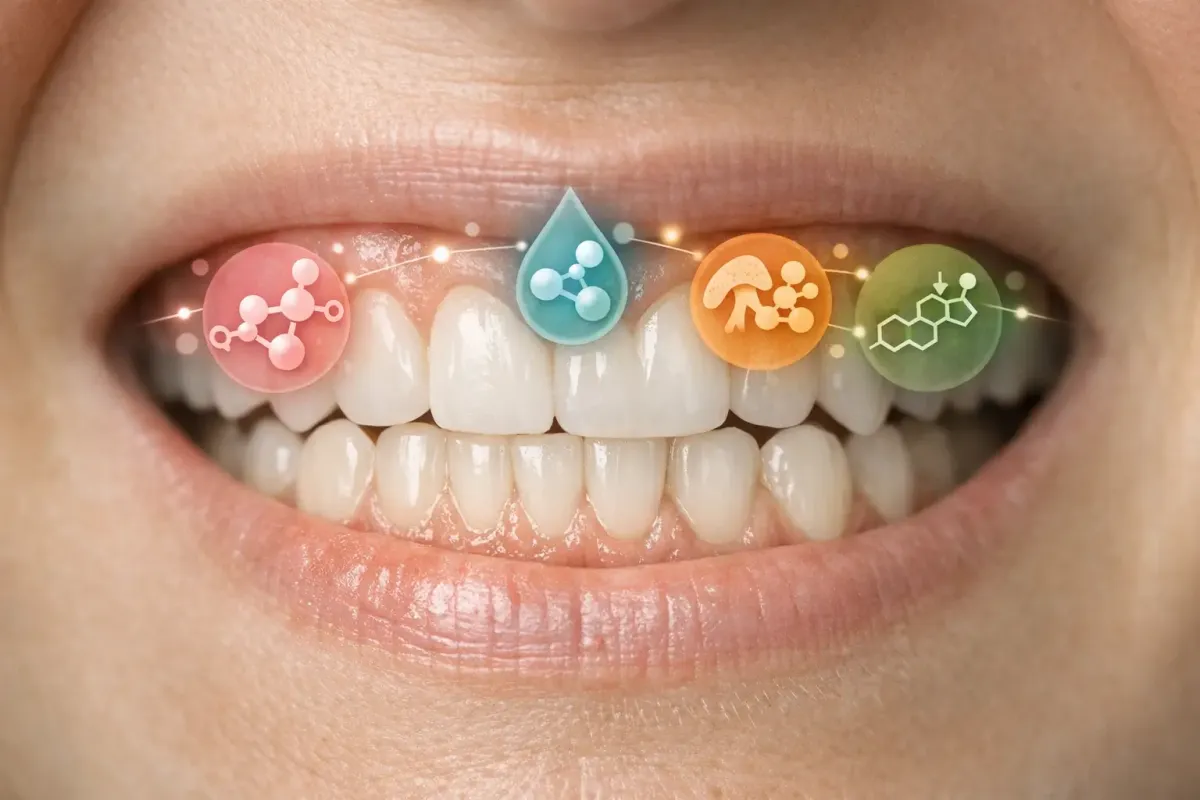
You already know clenched jaws and squeaky teeth are a lousy soundtrack for sleep. What you might not know is that your hormones could be remixing the tune. Over the past decade, researchers have begun to connect the dots between shifting hormone levels and bruxism, the technical term for teeth grinding and jaw clenching. The evidence is still young, but it is growing fast.
This article explores what current science says about bruxism, why estrogen and cortisol keep popping up in dental journals, and how you can use that insight to protect your smile and your sleep.
Understanding Bruxism and Its Symptoms
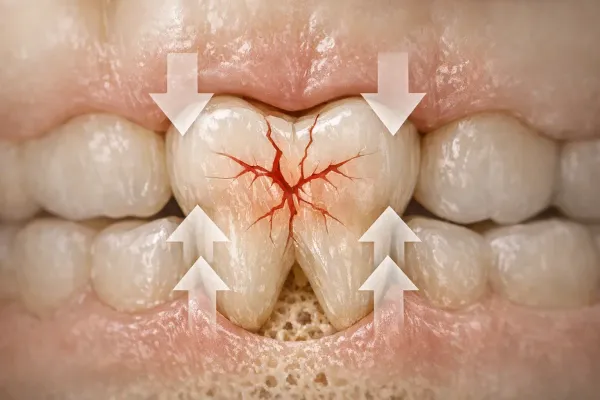
Bruxism is the involuntary grinding, clenching, or gnashing of teeth. It shows up in two main forms: sleep bruxism, which happens when you are off in dreamland, and awake bruxism, which sneaks in during the day. Either way, your teeth take the hit.
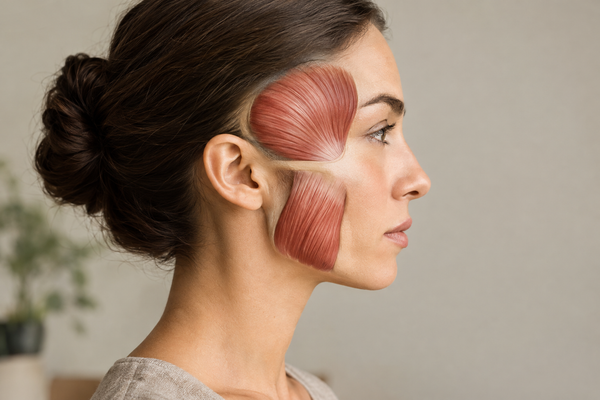
A dentist often sees the fingerprints of bruxism long before patients feel pain. Tell-tale signs include craze lines (tiny vertical cracks), scalloped tongue edges where the tongue presses against clenched teeth, and enlarged chewing muscles that give the jaw a “square” look. At home, you can do a quick self-check: place your fingertips on the temples, clench lightly, and feel the temporalis muscles bulge. If they already feel tender, nightly grinding could be the reason.
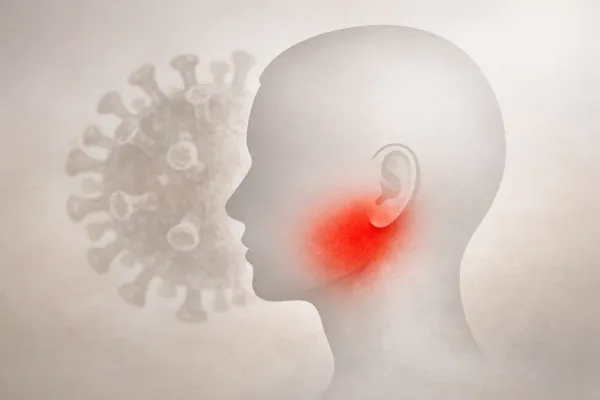
Common symptoms include flattened tooth surfaces, chipped enamel, tight jaw muscles, and morning headaches. Some people notice ear pain or ringing because the jaw’s chewing muscles sit so close to the ear canal. According to the Mayo Clinic, up to 1 in 3 adults will grind their teeth at some point. While many cases are mild, persistent bruxism can crack fillings, shorten teeth, and lead to costly dental repairs. For more on identifying bruxism early, check out the key indicators of bruxism.
Researchers have long blamed stress, alcohol, and crooked bites. Recent work is adding hormones to that suspect list. For example, a 2023 clinical trial by Karagozoglu and Ozcan found that people with sleep bruxism had higher baseline cortisol, hinting at a stress-hormone link. Another project, the 2021 study by Fluerașu et al., tied elevated morning cortisol to increased grinding severity. Put simply, your endocrine system might be poking your jaw while you sleep. To learn more about how stress affects bruxism, How Stress Makes Bruxism Worse: Unraveling the Connection provides deeper insights.
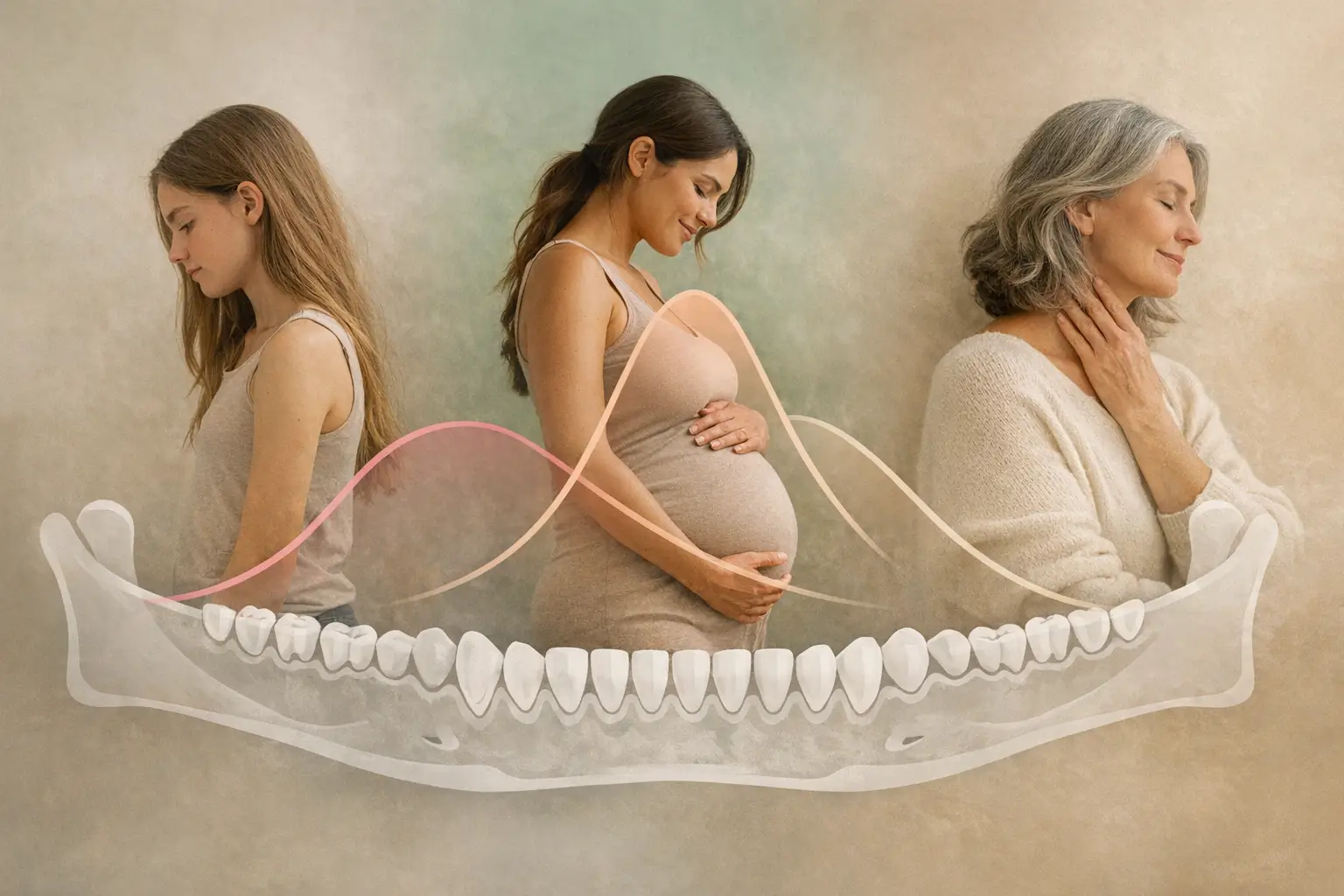
The plot thickens when you consider life stages packed with hormonal fireworks, such as puberty, pregnancy, and menopause. Each of these periods shows a bump in bruxism reports, suggesting more than coincidence.
Prevalence and Daily Impact
Living with bruxism is more than an acoustic annoyance. People often wake up exhausted because the jaw muscles never clock out. Over time, constant clenching strains the temporomandibular joint (TMJ), the hinge that lets you yawn and chew. A sore jaw can lead to diet changes, skipped workouts, and missed workdays. Considering the prevalence numbers, the societal cost climbs quickly.
Picture a 35-year-old graphic designer who spends the day on tight deadlines and the night grinding. She swaps chewy baguettes for oatmeal because her molars ache, calls in sick after migraine-like headaches, then shells out for a cracked crown repair. Multiply that scenario by the millions who grind, and the ripple effect on productivity and healthcare spending becomes obvious.
When you weave hormonal fluctuations into this story, it becomes easier to explain why bruxism rates spike in certain populations. That is where we turn next.
Hormonal Changes Throughout Life Stages
Your hormones act like chemical text messages, telling tissues when to grow, rest, or repair. During puberty, pregnancy, and menopause, the body sends these messages in bulk. Sudden surges or dips in estrogen, progesterone, and other hormones can influence pain sensitivity, muscle tone, and yes, jaw behavior.
Puberty and Hormones
The teen years come with acne, growth spurts, and a hormone cocktail worthy of a chemistry lab. Estrogen and testosterone rise sharply. While most bruxism research focuses on adults, clinicians often see an uptick in teenage grinding. Estrogen receptors are present in the TMJ, meaning jaw tissues are listening. Although we need more pediatric studies, the pattern hints that estrogen swings may prime the masticatory muscles for hyperactivity. For parents concerned about their teenagers, Understanding Pediatric Bruxism: Signs, Symptoms, and Prevention Tips offers valuable information.
Testosterone joins the party, too. Elevated testosterone can increase overall muscle strength, which sounds useful, except when that extra power is unconsciously applied to adolescent jaw muscles all night long. Combined with orthodontic shifts that many teens experience, the hormonal surge creates a perfect storm for temporary but intense bruxism episodes.
Pregnancy and Hormonal Shifts
Pregnancy floods the body with estrogen and progesterone. A 2024 case-control study by Minervini et al. found that pregnant participants reported more TMJ pain and functional limits compared with non-pregnant controls. Given that bruxism often coexists with temporomandibular disorders (TMD), the finding raises eyebrows. The authors speculated that elevated estrogen softens ligaments, altering jaw biomechanics and possibly making the joint more vulnerable to grinding forces. Explore Understanding TMJ Ear Pain: The Science and Effective Relief Strategies to understand more about TMJ and its connection to bruxism.
Menopause and Hormonal Adjustments
Fast-forward a few decades and estrogen levels nose-dive during menopause. A 2024 systematic review by Zieliński and Pająk-Zielińska reported that reduced estrogen correlated with higher TMD prevalence. Women in perimenopause also complain of new or worsening bruxism. Lower estrogen may decrease joint lubrication and muscle resilience, making nightly clenching more damaging. The review concluded that hormone fluctuations, not just absolute levels, might be the real culprit. For holistic solutions, Natural Bruxism Solutions: Holistic Approaches for Health-Conscious Adults offers lifestyle changes that can help.
The part you can control while the rest plays out
Hormonal bruxism is not something a night guard fixes, and the hormonal side is a conversation with a doctor rather than a purchase. But the damage happens on a schedule of its own, and unlike the hormones it is permanent.
Pro Teeth Guard is a dental lab that has supplied dental offices for over 20 years and sells the same custom guards direct, at roughly $180 to $220. Home impression kit, 7 to 11 business days to build, free adjustments if the fit is off, and a 60-day 110% money-back guarantee.
If the grinding is new and tracks a life stage, it is worth getting a guard in place early rather than after the wear shows up on an X-ray.
Check current Pro Teeth Guard pricing
Affiliate link. If you buy through it we earn a commission, at no extra cost to you. How this works.
Put all three life stages together and a pattern emerges: whenever estrogen takes a roller-coaster ride, the jaw tags along.
The Role of Hormones in Bruxism
Now that you have the timeline, let’s zoom in on the chemistry. Two hormonal families dominate the bruxism conversation: sex hormones (led by estrogen) and stress hormones (with cortisol as front-runner).
Estrogen Levels and Jaw Disorders
Estrogen is not just a reproductive hormone. It binds to receptors in bone, cartilage, and muscle tissue. In the jaw, estrogen helps regulate collagen turnover and fluid balance inside the TMJ. According to the Zieliński review from 2024, fluctuations in estrogen can alter ligament elasticity. When levels are high, tissues loosen; when low, they stiffen. Either extreme might push the jaw joint off its mechanical sweet spot, increasing susceptibility to grinding.
The plot thickens with pharmacology. A 2025 paper by Grad et al. looked at various drugs that influence systemic hormones. Patients taking estrogen-modifying medications reported changes in the severity of TMD and bruxism symptoms. While the study was observational, it strengthens the argument that hormonal milieu matters.
Animal studies back this up. Rodent models show that removing estrogen (through ovariectomy) leads to cartilage thinning in the TMJ. Adding estrogen replacement reverses the damage. Although rodent jaws are not human jaws, the direction of effect is consistent.
Stress Hormones and Teeth Grinding
If estrogen is the sculptor, cortisol is the alarm bell. It is released by the adrenal glands when you perceive danger, deadlines, or even doomscrolling. Elevated cortisol ramps up muscle tone, which can translate to a clenched jaw. In the previously mentioned 2023 randomized trial by Karagozoglu and Ozcan, participants with sleep bruxism showed higher salivary cortisol before treatment than healthy controls. The same study found that cortisol levels dropped after effective therapy, linking the hormone not just to risk but also to response.
Fluerașu’s 2021 correlation study came to a similar conclusion: more cortisol, more grinding episodes. On the flip side, interventions that lower stress, such as mindfulness and biofeedback, often reduce bruxism frequency. While correlation does not prove causation, the hormone appears guilty by strong association. For more on how mindfulness can help, see Mindfulness Techniques to Reduce Night Teeth Clenching.
Cortisol is not the lone wolf. Adrenaline and norepinephrine also rise during stress, tightening muscles further. However, cortisol gets the spotlight because it lingers longer in the bloodstream, turning a momentary clench into an all-night grind.
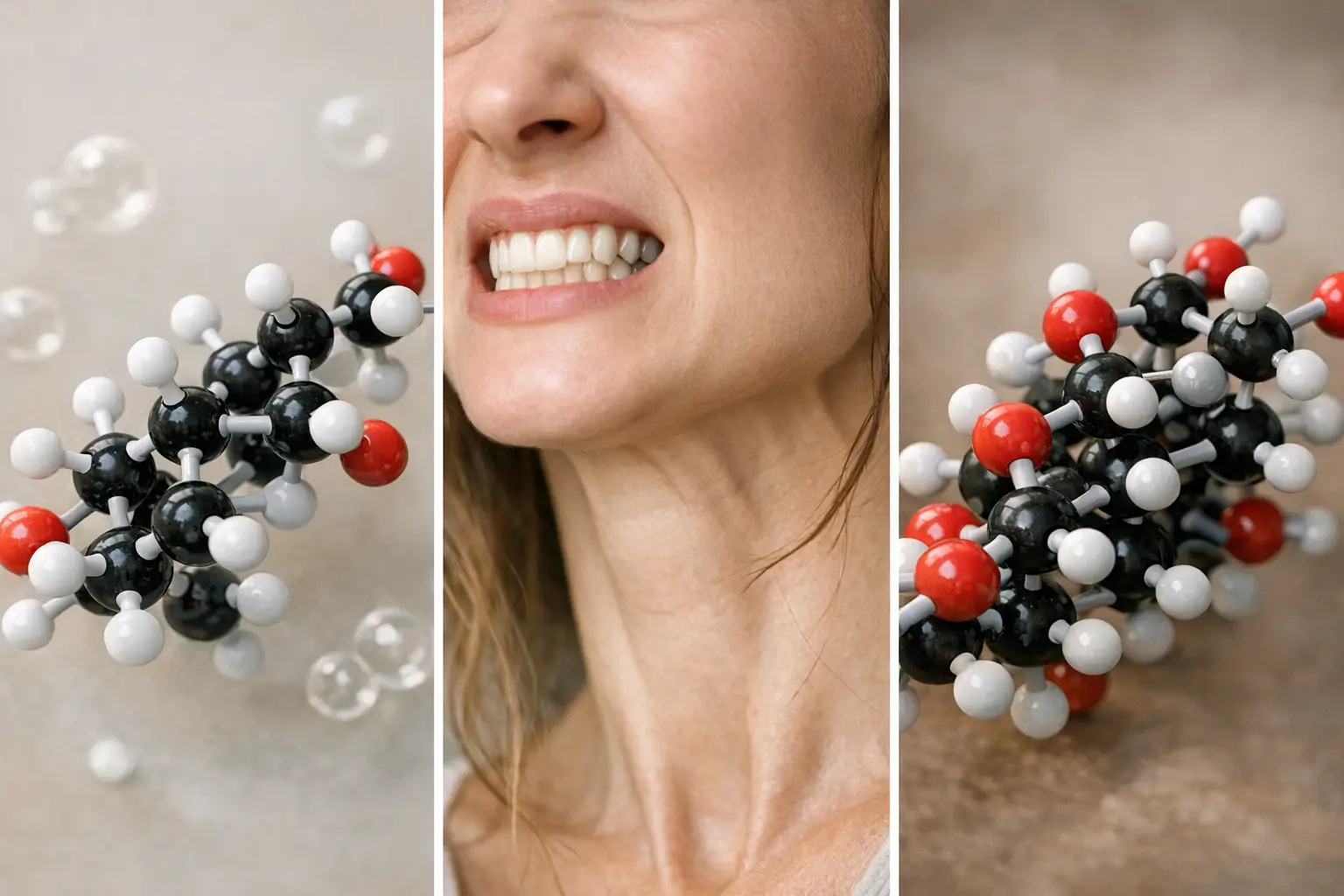
Put together, estrogen sets the stage by influencing jaw structure, and cortisol pulls the curtain by activating the muscles. When both are out of balance, bruxism may flourish.
Bruxism and Temporomandibular Disorders (TMD)
Bruxism and TMD often travel together like unruly cousins at a family picnic. One sparks, the other flares. TMD covers a range of jaw issues, including pain, clicking, and limited movement. Constant grinding can inflame the TMJ, while existing joint problems can trigger protective clenching. Either way, hormones lurk in the background.
Grad’s 2025 study reported that medical therapies altering hormonal status, such as thyroid medication or contraceptives, changed TMD symptom intensity. Meanwhile, Minervini’s 2024 pregnancy research highlighted that pregnant women had a higher odds ratio for TMD. Hormonal surges could be making TMJ tissues more susceptible to microtrauma from grinding.
Beyond estrogen, inflammatory mediators influenced by hormones may fan the flames. A 2021 narrative review by Golanska et al. outlined how cytokines, small inflammatory proteins, rise when cortisol rhythms go haywire. Elevated cytokines can sensitize pain receptors in the jaw, magnifying the discomfort of bruxism.
Why does this matter to you? Treating bruxism without addressing TMD or vice versa is like fixing a roof leak but ignoring the cracked foundation. Hormonal evaluation offers another diagnostic layer, especially for patients whose symptoms swing with menstrual cycles or stress levels. For more on treating TMJ symptoms, Exploring Effective TMJ Treatments for Long-Term Relief provides insights.
Clinically, dentists now ask about birth-control use, hormone replacement, and adrenal fatigue alongside questions about night guards. The more data points gathered, the better your chance to find a targeted fix.
Managing Bruxism Through Hormonal Balance
If hormones contribute to grinding, could balancing them dial down the racket? Emerging evidence says maybe.
Hormone Replacement Therapy
For menopausal women, estrogen replacement is already used to ease hot flashes and bone loss. A 2024 comprehensive review by Alam et al. found that estrogen therapy also improved TMJ pain in several small trials. While the review did not focus solely on bruxism, reduced pain could lower protective clenching at night. Still, hormone therapy is not a jaw-only decision. Discuss risks like blood clots and breast cancer with your medical team. For more on jaw pain management, see TMJ Pain Management: What Makes It Worse and How to Avoid It.
Lifestyle and Dietary Changes
Cortisol responds to daily habits. Regular exercise, consistent bedtimes, and mindful breathing can smooth out cortisol peaks. The Hormone Health Network notes that a balanced diet rich in magnesium supports muscle relaxation. In the 2023 clinical trial by Karagozoglu, participants who combined splint therapy with stress-management coaching saw bigger drops in cortisol and grinding frequency than splints alone.
Small, strategic tweaks can add up:
- Limit screen time an hour before bed to prevent blue-light-induced cortisol spikes.
- Add leafy greens, pumpkin seeds, or a magnesium-glycinate supplement (with provider approval) to calm overactive jaw muscles. Explore The Role of Magnesium Deficiency in Teeth Grinding: Can Supplements Help? for more.
- Practice a “jaw release” exercise: gently place the tip of your tongue behind the top front teeth, then let the lower jaw hang for 30 seconds before sleep.
- Keep your night guard on a bedside charger—a visual cue that turns good intentions into nightly use.
Caffeine and alcohol can spike cortisol or fragment sleep, creating a perfect storm for bruxism. Swapping late-night coffee for herbal tea costs little and may prevent a cracked molar down the line. Remember, small hormonal nudges compound over time. For more on the impact of lifestyle choices, see Why You Should Avoid Caffeine Late at Night—Especially If You Grind Your Teeth.
Future Research Directions
Despite promising clues, the hormonal-bruxism story still has blank pages. Large randomized trials are scarce. For instance, most estrogen research focuses on women; data on men remains thin. The stress-cortisol link also needs longitudinal studies to show whether hormone changes precede grinding or merely tag along.
The COVID-19 era highlighted mental stress as a variable. A 2022 survey by Kolak et al. reported higher bruxism rates among dental students during lockdown, but hormone levels were not measured. Future projects could pair psychological assessments with salivary cortisol and sex hormone panels to map cause and effect.
On the molecular side, Byiers et al. 2020 examined cortisol patterns in a different neurological disorder. Borrowing their sampling methods could help bruxism researchers capture daily hormone rhythms instead of single snapshots.
Wearable electromyography (EMG) patches and smart mouth guards now record clench force in real time. If future studies pair these devices with hormone sampling, we may finally crack the chicken-and-egg puzzle of which comes first—the surge or the squeeze.
Bottom line: we need bigger, longer studies that include diverse ages and genders, measure multiple hormones, and track jaw activity objectively. Until then, clinicians rely on the best available evidence coupled with individual patient stories.
Conclusion
Hormones will not replace night guards or dental checkups, but they deserve a seat at the bruxism table. Estrogen shapes the jaw’s structure, cortisol fuels muscle tension, and both fluctuate across life events like puberty, pregnancy, and menopause. Research shows that people with imbalanced hormones are more likely to grind, and treatments that restore hormonal harmony may ease the wear on your teeth.
Your takeaway: if you are battling persistent bruxism, talk to your healthcare team about hormonal factors. A simple saliva or blood test might reveal an underlying trigger. Combine that insight with stress management, smart nutrition, and dental interventions, and you give your smile the best chance to relax.