Exploring Effective TMJ Treatments for Long-Term Relief
Discover the latest TMJ treatments promising lasting relief and compare their effectiveness.
If your jaw pops every time you yawn or you wake up feeling like you went ten rounds with a chewing-gum champion, you are not alone. Researchers have been examining the temporomandibular joint (TMJ) for decades. The latest flood of research offers hope beyond chewy steak and soft noodles. This article explores TMJ treatments backed by evidence, helping you choose options that keep you smiling, sleeping, and eating without discomfort.
We'll dive into peer-reviewed studies, including a wide-ranging 2025 narrative review by Jogna et al., and reports from the National Institute of Dental and Craniofacial Research. Let's explore what actually works, what's promising, and what may just lighten your wallet.
Understanding TMJ Disorders and Their Impact
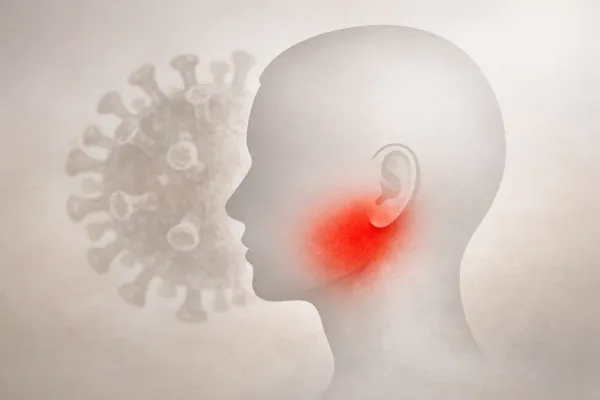
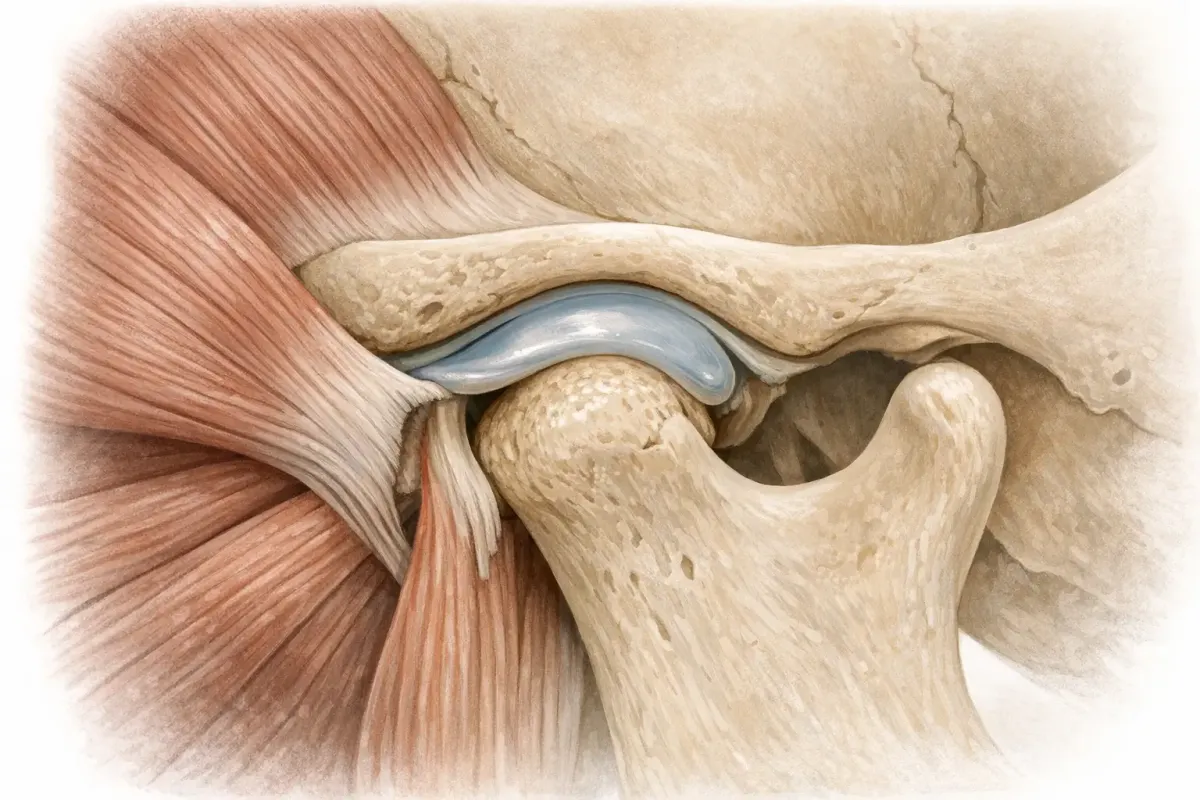
Before exploring specific treatment options, it helps to know what's happening inside that tiny hinge connecting your jaw to your skull. The TMJ lets you talk, chew, sing, and yawn, balancing incredible forces. When it misbehaves, you may notice:
- Jaw pain or tenderness, often worse in the morning
- Clicking, popping, or grinding sounds
- Limited mouth opening or "lockjaw" moments
- Headaches, face pain, and even ear discomfort
Some dismiss occasional clicking as no big deal. Yet, the quality-of-life impact can be significant. The 2025 narrative review by Jogna et al. summed it up: chronic TMJ pain is linked to sleep disruption, anxiety, and reduced work productivity. Simply put, if your jaw hurts, your mood and focus might too.
TMJ disorders are usually grouped into three categories:
- Muscle disorders (myofascial pain from overactive chewing muscles)
- Joint disorders (disk displacement, arthritis, or structural changes)
- Mixed disorders (a frustrating combo of both)
Many factors contribute: stress, genetics, hormones, trauma, posture, and even your gut bacteria. Yes, your intestinal microbes might play a role in your jaw pain. Effective care often blends several approaches because no single silver bullet exists.
With that in mind, let's look at mainstream and cutting-edge interventions, weighing the evidence to help you chase long-term relief without falling for hype.
Pharmacological Approaches to TMJ Treatment
Medications still lead the way for acute flare-ups. Over-the-counter NSAIDs, muscle relaxants, and even low-dose tricyclic antidepressants are common. But do they work beyond masking pain? Recent research suggests mixed results, though some novel targets are emerging.
Medications for Pain Management
In a 2025 ultrasound study, Akkaya, Dağıstan, and Çağlayan evaluated common pharmacological regimens. Participants received NSAIDs alone, NSAIDs plus muscle relaxants, or a placebo. Ultrasound tracked joint effusion and disk position. Key findings:
- NSAIDs alone reduced self-reported pain scores by roughly 30 percent after two weeks.
- Adding a muscle relaxant increased that improvement to about 45 percent, especially in patients with severe morning stiffness.
- By week four, structural changes were minimal, suggesting these drugs mainly dampen inflammation and muscle spasm rather than fixing the root mechanical problem.
The takeaway: popping ibuprofen can help you sleep tonight, but it's a temporary fix. You still need a long-term plan.
Emerging Pharmacological Innovations
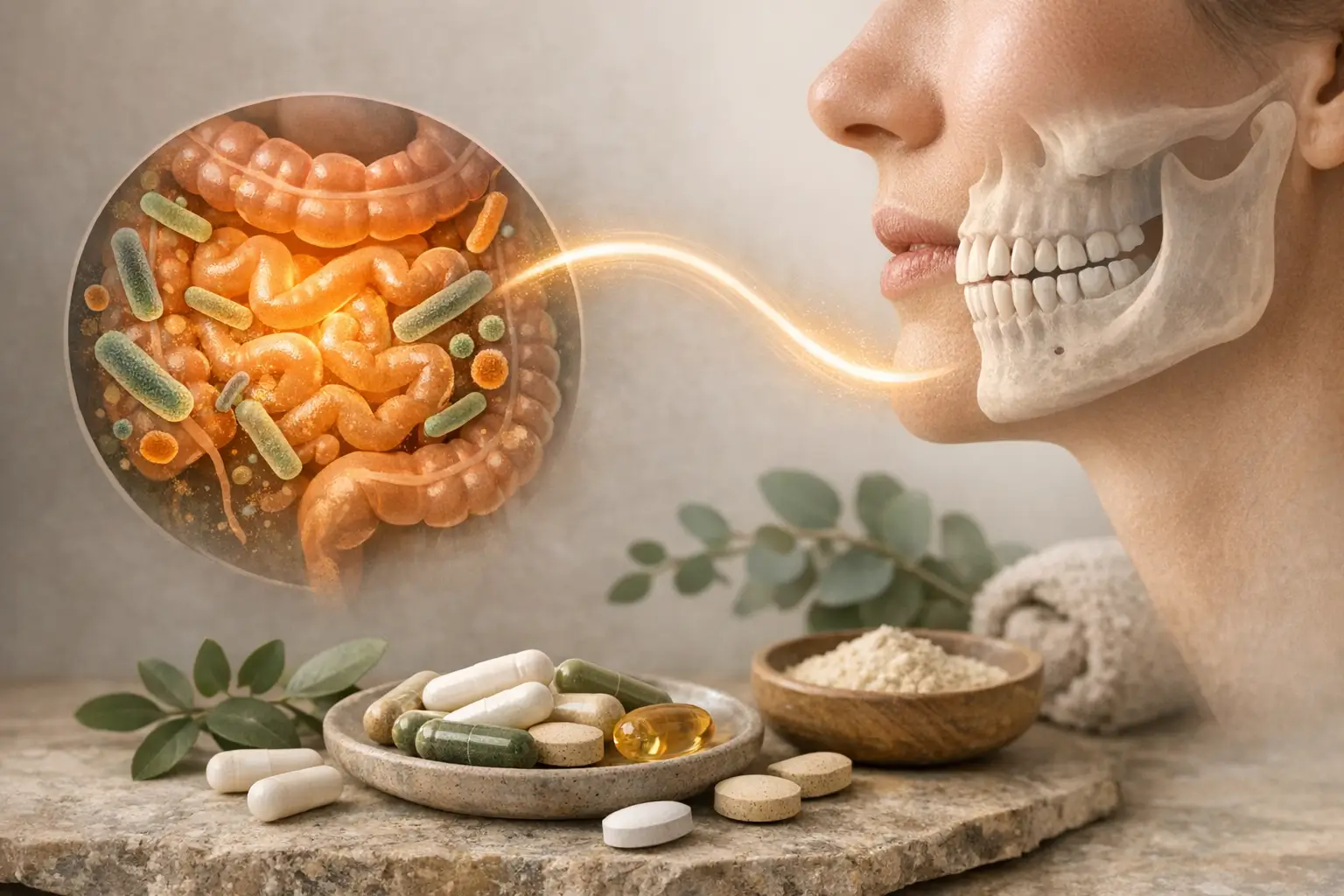
Researchers are now looking inside the gut for answers. A 2025 paper by Jiang, Zhou, and Huang found people with chronic TMJ disorders have a different gut microbiome profile than pain-free controls. They showed higher levels of pro-inflammatory bacteria like Prevotella. When mice received a transplant of these microbes, they developed TMJ inflammation within weeks. Conversely, antibiotics or probiotics that shifted the gut balance reduced jaw swelling.
What does that mean for you? Clinical trials are testing whether targeted probiotics or prebiotic fibers can calm TMJ pain by lowering systemic inflammation. While early data looks intriguing, no probiotic brand has yet clinched FDA approval for TMJ. Still, don't be surprised if your dentist mentions "gut health" during your next consult.
Other emerging medications include:
- CGRP receptor antagonists, borrowed from migraine therapy, aiming to reduce neurogenic inflammation.
- Topical cannabinoids for localized pain relief without psychoactive effects.
- Small-molecule agents modulating TRPV1 channels (the same receptors that make chili peppers burn) to reduce nociceptive firing.
These drugs remain experimental, but the pipeline shows promise for people who cannot tolerate long-term NSAID use.
Occlusal Splints: A Staple in TMJ Management
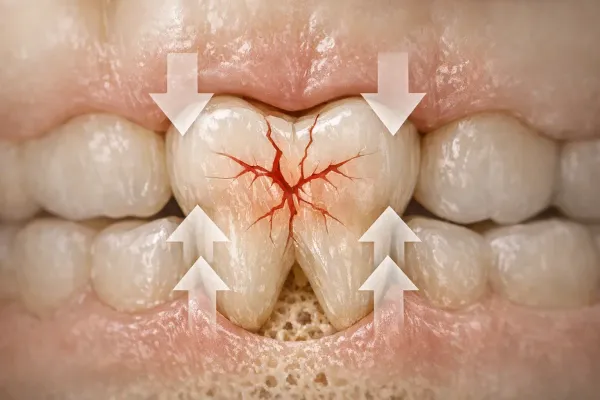
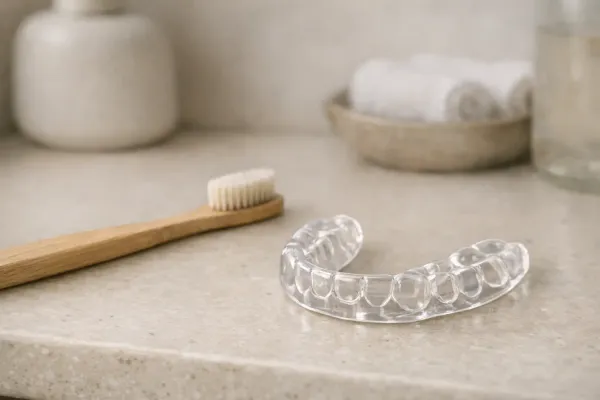
Visit any dental office complaining of jaw clicking, and you're likely to leave with a bite guard. Occlusal splints physically separate upper and lower teeth, reduce grinding pressure, and reposition the mandible. But not all splints are created equal, and questions linger about how they stack up against exercise therapy and newer gadgets.
Digital vs. Conventional Fabrication
Thanks to intraoral scanners and 3-D printing, dentists can design a splint on Tuesday and hand it to you on Wednesday. Albagieh et al. compared traditional acrylic guards with 3-D printed versions in 120 patients. Results after three months:
- Both groups saw significant pain reduction on the Visual Analog Scale (VAS), dropping from an average 7/10 to 3/10.
- Digital splints fit better (fewer adjustment visits) and had higher patient satisfaction scores.
- No statistical difference in joint range of motion, suggesting the fabrication method matters less than consistent nightly use.
The digital path also slices laboratory turnaround time and may reduce material waste. For tech-savvy patients or those living far from a dental lab, the convenience factor swings in favor of digital.
Comparative Effectiveness
The million-dollar question: are splints better than exercise? A 2025 randomized trial by Karabicak et al. pitted three groups against each other:
- Occlusal splint only
- Jaw exercises only
- Jaw plus posture exercises (neck and shoulders) without a splint
At the eight-week mark, all groups improved, but the combo jaw-and-posture crew edged out the splint-only cohort in pain reduction (55 percent vs. 40 percent). The authors concluded that muscular re-education targets the functional root cause rather than only cushioning the bite.
Still, splints shine for heavy nocturnal bruxers who might chip teeth without them. In practice, many clinicians pair a guard with exercises and counseling to lower stress triggers. That blended strategy gives you the mechanical support of a splint plus the neuromuscular benefits of movement therapy.
Non-Pharmacological Interventions for TMJ Relief
If popping pills feels like a band-aid and sleeping in plastic armor isn't your style, don't despair. A boom in physiotherapy and tech-assisted modalities is broadening the TMJ treatment toolkit.
Jaw and Posture Exercises
Therapeutic exercise earns strong backing from randomized trials. The 2025 study by Karabicak et al. (already mentioned above) showed posture drills plus jaw stretches trumped splints alone. Participants practiced relaxed jaw positioning, controlled opening/closing, and scapular retraction to iron out upper-back slouch.
Another 2025 trial by Irusappan et al. added hamstring stretching to the mix. Why leg muscles? The theory is that posterior chain tightness tilts the pelvis, cascades up the spine, and tweaks head posture, subtly altering bite mechanics. Their findings:
- Combining hamstring stretches with ultrasound therapy cut masseter tenderness by 48 percent compared with 21 percent in the control group.
- Pressure pain threshold rose significantly, meaning patients could tolerate more pressure at the jaw before feeling pain.
Simple daily routines like chin tucks, tongue-up rest position, and hamstring flexibility can translate to less jaw clenching and fewer headaches.
TENS, Ultrasound, and Laser Therapies
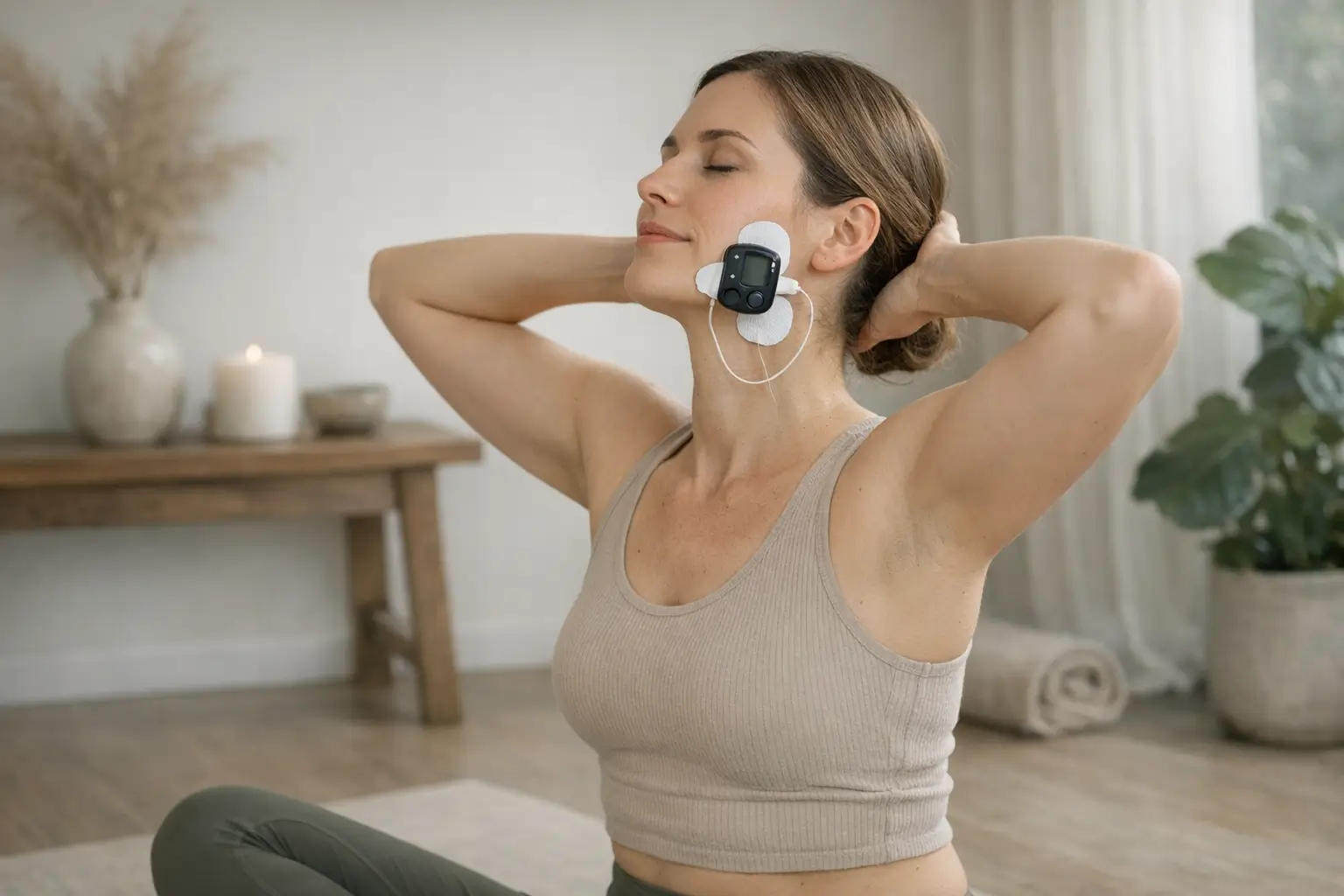
Technology is making its mark. Transcutaneous electrical nerve stimulation (TENS) delivers low-frequency pulses through adhesive pads, aiming to block pain signals. A 2025 comparative study by Bhoi et al. stacked TENS against ultrasound and low-level laser therapy in 90 patients.
After six weekly sessions:
- All three groups saw decreased VAS pain scores, but laser therapy achieved the fastest drop within two sessions.
- TENS excelled at improving mouth opening (average gain of 6 mm).
- Ultrasound offered moderate benefits across metrics with minimal side effects.
Laser therapy’s upfront cost and TENS unit rentals can be hurdles, but many physical therapy clinics include them in packages. For home use, compact TENS devices cost less than a fancy dinner, making them an attractive DIY addition.
Keep expectations realistic: these gadgets usually provide symptomatic relief rather than structural fixes. Pair them with exercise and stress management for the best payoff.
Innovative Treatments: Hyaluronic Acid and More
When conservative measures stall, injectables step into the spotlight. Hyaluronic acid (HA), known for dermal fillers and knee arthritis shots, is now making waves in the TMJ arena.
Hyaluronic Acid in Focus
A 2025 systematic review and meta-analysis by Flores-Fraile et al. sifted through randomized controlled trials on intra-articular HA injections. Key takeaways:
- Patients experienced a 50 to 70 percent pain reduction lasting up to six months after one or two HA injections.
- Mouth opening improved by 5 to 8 mm on average.
- Adverse events were rare and mild, mainly transient swelling.
How does HA work? It's like a joint lubricant and shock absorber rolled into one. It may also modulate inflammatory cytokines, giving cartilage a break to recover.
Future Directions in TMJ Treatment
Beyond HA, researchers are exploring:
- Platelet-rich plasma (PRP) to harness growth factors for cartilage repair.
- Stem cell therapies using autologous mesenchymal cells, though cost and regulatory hurdles remain high.
- Microneedle patches delivering slow-release anti-inflammatory peptides locally, avoiding systemic side effects.
- Smart splints embedded with sensors that track bite force and wirelessly upload data so your provider can tweak therapy remotely.
Most of these ideas are in early-phase trials, so tread carefully. Still, the pipeline signals a shift toward biologic and data-driven personalization rather than one-size-fits-all appliances.
Comparative Effectiveness of Various TMJ Treatments
With so many choices, you need a guide to decide what fits your lifestyle, budget, and pain profile. Recent overviews help us weigh the pros and cons.
Ye’s 2025 analysis ranked interventions for disk displacement with reduction. Splints plus exercises took the top spot for early stages, while HA injections shined for chronic cases that resisted conservative care. The study stressed that patient adherence predicted success more than the specific tool used.
After dental surgery, pain pathways overlap with TMJ circuitry. A 2025 protocol comparison by Gaballah et al. found that combining NSAIDs with local cooling delivered superior jaw pain relief compared to opioids alone, reinforcing the multimodal theme.
Putting it all together:
- Short-term flares: NSAIDs, a soft diet, and short splint wear can calm things quickly.
- Functional muscle issues: Exercise therapy, posture correction, and TENS offer relief without medication side effects.
- Joint degeneration or chronic synovitis: HA injections or PRP may extend relief for months.
- Surgical routes such as arthrocentesis or disk repair stay on the bench until conservative and minimally invasive plays have failed.
Your unique mix of symptoms, medical history, and dedication will guide the optimal combo. Think of treatment as building blocks rather than a single magic brick.
Conclusion
TMJ disorders might be small in physical size, yet they punch well above their weight class in daily annoyance. Fortunately, evidence-based options keep growing. Medications tame inflammation, but pairing them with movement therapy and stress reduction targets root drivers. Occlusal splints remain a reliable standby, especially with digital workflows speeding delivery. Tech-aided modalities add low-risk pain control, and injectables like hyaluronic acid provide a longer fuse when conservative steps stall.
Your best bet for long-term relief is to work with a provider who tailors therapies to you, monitors progress, and isn’t afraid to mix and match tools backed by solid research. Armed with the facts from recent trials, you can push past jaw pain and get back to biting into life’s crunchier moments.