TMJ Exercises: Effective Pain Relief Techniques You Can Start Today
Discover TMJ exercises for pain relief based on research. Start today for effective results.
<<>
Research on temporomandibular joint (TMJ) disorders has advanced significantly in recent years. We now understand that simple, targeted exercises can help reduce jaw pain, making it easier for you to chew, talk, and yawn without discomfort. No need for specialized equipment or extensive anatomical knowledge, just some science-backed guidance and a willingness to engage in purposeful jaw movements.
This article will guide you through an understanding of TMJ disorders, the effectiveness of exercises, and the specific movements that offer the most benefit. You will also learn how to complement these exercises with other therapies, alleviate tooth pain from clenching, and adjust daily habits for better jaw health.
Understanding TMJ Disorders and Their Impact
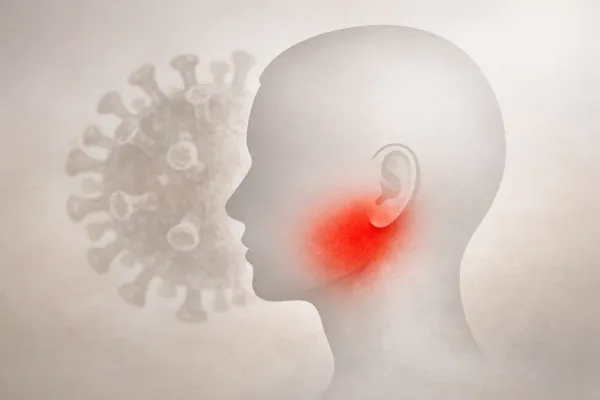
The temporomandibular joints are located in front of each ear, functioning as sliding hinges that allow your jaw to move. When these joints or the surrounding muscles become irritated, you might experience pain, tightness, clicking, or limited movement. Dentists refer to these issues collectively as “TMJ disorders” or TMD.
The National Institute of Dental and Craniofacial Research estimates that 10 million Americans experience TMD. This condition affects a wide range of people, from office workers to athletes. For instance, a 32-year-old teacher featured in a Johns Hopkins case vignette improved from liquid breakfasts to solid meals in eight weeks by combining exercises with posture drills, illustrating the potential for rapid improvement.
A clinical study by Amit Rao et al. (2025) found that TMJ dysfunction often causes pain during activities like chewing and talking. The Mayo Clinic lists common symptoms such as:
- Jaw tenderness or aching.
- Pain in or around the ear.
- Difficulty opening the mouth wide.
- A locking sensation in the joint.
- Clicking or popping when moving the jaw.
To assess your jaw mobility, try the “three-finger test”: stack your index, middle, and ring fingers vertically and attempt to fit them between your upper and lower incisors. If you struggle, you may benefit from the exercises discussed below.
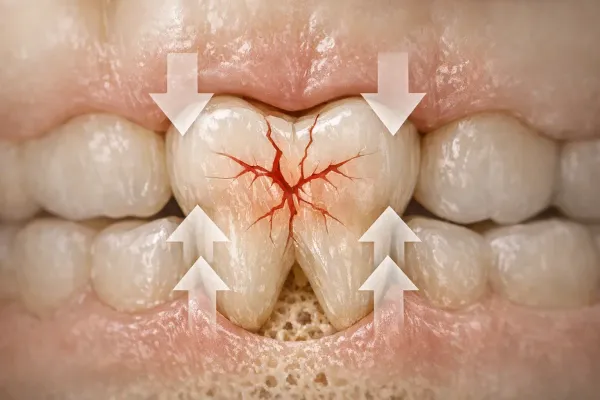
Chronic clenching, or bruxism, can exacerbate these issues. A 2024 Cochrane review by Singh et al. links tooth wear, jaw muscle fatigue, and headaches to nighttime grinding. If unchecked, these patterns can disrupt sleep and lead to daytime fatigue, impacting overall health. For more on how stress impacts teeth grinding, discover how stress exacerbates bruxism.
TMJ pain affects more than just dining, it can influence speech, confidence, and social interactions. Avoiding certain foods and situations can weaken jaw muscles over time, but targeted exercises can help reverse this cycle.
The Science Behind TMJ Exercises
TMJ exercises involve structured movements to stretch tight muscles, strengthen weak ones, and retrain jaw motion. These exercises, like gentle openings and controlled lateral slides, may seem simple, but they are highly effective.
Why do they work? Controlled motion increases blood flow, reduces inflammation, and reassures your nervous system that normal movement is safe. Neuromuscular re-education helps the brain utilize smaller stabilizer muscles instead of over-relying on larger ones. In a study by Şenel Topaloğlu et al. (2025), a six-week program combining myofascial release with jaw exercises increased mouth-opening width by 8 mm and reduced pain by nearly 50%.
Another study compared soft-tissue manipulation and exercises with pain medication alone Gurudut et al. (2025). The exercise group experienced quicker pain relief and longer-lasting improvements in jaw function. This highlights the importance of movement for lasting change. For example, a participant in the study returned to singing after a six-month hiatus.
The American Dental Association supports jaw exercises as a first-line self-care approach. Johns Hopkins Medicine also emphasizes regular movement to prevent stiff tissue formation in the joint capsule, reducing the need for surgery.
Top TMJ Exercises for Pain Relief
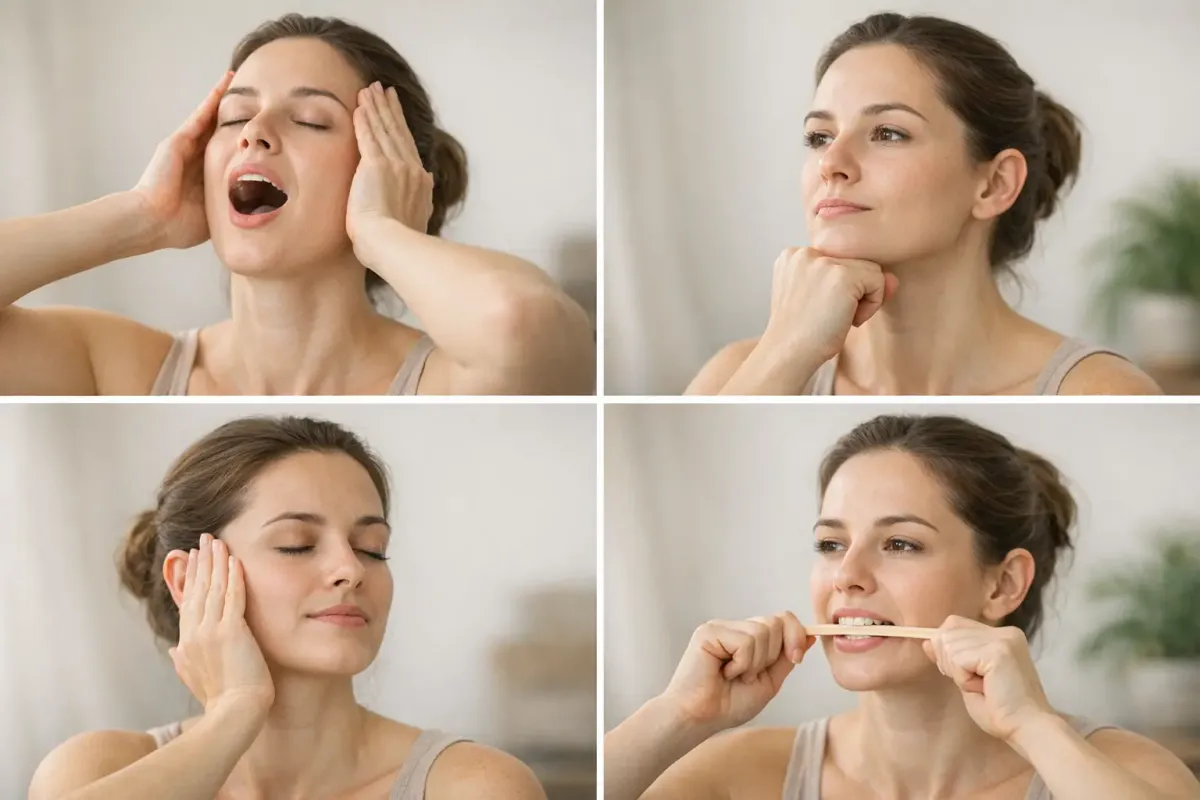
Focus on a few research-supported exercises, perform them with slow and steady repetitions, and monitor your jaw's response. Aim for twice-daily sessions unless advised otherwise by a healthcare professional. A mirror can help ensure proper form.
Detailed Exercise Descriptions
- Controlled Opening
• Place your tongue on the roof of your mouth behind your front teeth.
• Open your mouth slowly until you feel a gentle stretch.
• Hold for five seconds, close, and repeat ten times.
Why it helps: Maintains jaw alignment and engages stabilizing muscles. - Resisted Opening
• Place two fingers under your chin.
• Open your mouth slowly while applying light upward pressure.
• Hold for five seconds, then relax. Do eight reps.
Why it helps: Strengthens digastric and lateral pterygoid muscles that guide the jaw. - Resisted Closing
• Open your mouth halfway.
• Place your thumb and index finger on your chin.
• Try to close your mouth while applying gentle opposing force. Hold for five seconds.
Why it helps: Balances closing muscles, helpful if you chew on one side predominantly. - Lateral Glides
• Place a tongue depressor or clean pen cap between molars on one side.
• Slide your jaw toward that side, hold, then return to center.
• Repeat ten times per side.
Why it helps: Enhances side-to-side mobility, aiding in tasks like grinding food. - Posture Reset
• Sit or stand with your shoulders back, and ears aligned over shoulders.
• Tuck your chin slightly to create a double chin.
• Hold for ten seconds, breathe, and repeat ten times.
Why it helps: Corrects neck posture, benefiting the jaw. For more on posture-related jaw pain, explore how posture affects jaw pain. - Jaw Relaxation
• Sit or stand tall with relaxed shoulders.
• Touch the tip of your tongue to the roof of your mouth just behind the front teeth.
• Let your lower jaw drop so the teeth are slightly apart as you breathe slowly through the nose.
• Hold for one slow breath, then reset. Continue for one minute.
Why it helps: Trains a neutral, tension-free jaw position. Qu Jianing’s 2025 systematic review links this cue to a 2.5-point average drop in pain scores.
Expected Benefits
- Decreased muscle tension within two to three weeks, as noted by Gurudut et al.
- Improved mouth opening and chewing efficiency by week six, according to Şenel Topaloğlu et al.
- Better sleep due to reduced nocturnal clenching, consistent with ADA guidelines. For more strategies, discover effective solutions to prevent nighttime teeth grinding.
- Lower reliance on pain medication, benefiting both health and finances.
Consistency is key, focus on gentle, regular motion rather than intensity. If an exercise causes pain, adjust the movement or consult a healthcare professional.
Combining TMJ Exercises with Other Therapies
While exercises are effective on their own, combining them with additional therapies can enhance results. Myofascial release and low-level laser therapy (LLLT) are two complementary approaches with strong evidence supporting their use.
Myofascial Release
This technique involves applying slow, sustained pressure on trigger points around the jaw, neck, and shoulders. In a study by Şenel Topaloğlu et al., participants who combined exercises with myofascial release saw greater improvements in pain reduction and mouth opening than those who did exercises alone. You can learn to perform this technique at home with your fingers or a tennis ball, but consulting a trained therapist initially is advisable.
Laser Therapy
Low-level laser therapy uses light to enhance cell energy production and blood flow in inflamed tissues. A review of trials by Díaz et al. (2025) found that adding LLLT to exercises reduced pain scores more effectively than exercises alone. Sessions are typically short and painless, with two to three sessions per week showing the best results.
TENS and Ultrasound
Tech tools add another layer of relief. A 2025 trial by Bhoi et al. showed that portable transcutaneous electrical nerve stimulation (TENS) lowered pain by about 40 percent over four weeks, slightly outperforming therapeutic ultrasound for range-of-motion gains. Ultrasound still eased muscle tenderness, making it a solid option if you dislike the tingling of TENS.
Acupuncture
If you prefer needles to gadgets, acupuncture has data on its side. Liu et al. (2024) randomized 90 TMD patients and recorded a three-point pain drop on a ten-point scale after six sessions, beating sham and standard care groups. Benefits taper after three months unless you book maintenance visits every couple of weeks.
Short-Term Medication and Thermal Therapy
Over-the-counter NSAIDs and short courses of muscle relaxants can buy you time while exercises take effect. Kong, Huh, and Kho (2025) noted quicker pain relief when meds accompanied physiotherapy, although advantages leveled out after three months. If pills are not your thing, a moist heat pack for twenty minutes followed by five minutes of ice matched low-dose ibuprofen in pain reduction in the 2024 review by Alowaimer et al.
Think of exercises as the foundation of TMJ care, with manual release, tech devices, medication, or needles as supplementary enhancements that speed recovery.
What we use for the heat part
The thermal therapy mentioned above is the easiest piece of this to do daily and the hardest to do well, because a warm compress is lukewarm in four minutes and cold in six.
We are partnered with the YourTMJ Pen, a handheld device that holds a set temperature between 100 and 118°F for as long as you are using it and adds low-frequency vibration. The point of the shape is that you can work one tender spot in the masseter rather than warming the whole side of your face. It pairs with the exercises above rather than replacing them. Ninety-day trial.
Affiliate link. If you buy through it we earn a commission, at no extra cost to you. How this works.
Managing Tooth Pain from Clenching
Even after TMJ pain subsides, tooth sensitivity can persist, especially if you grind your teeth at night. A mouth guard is helpful, but daily strategies are also essential.
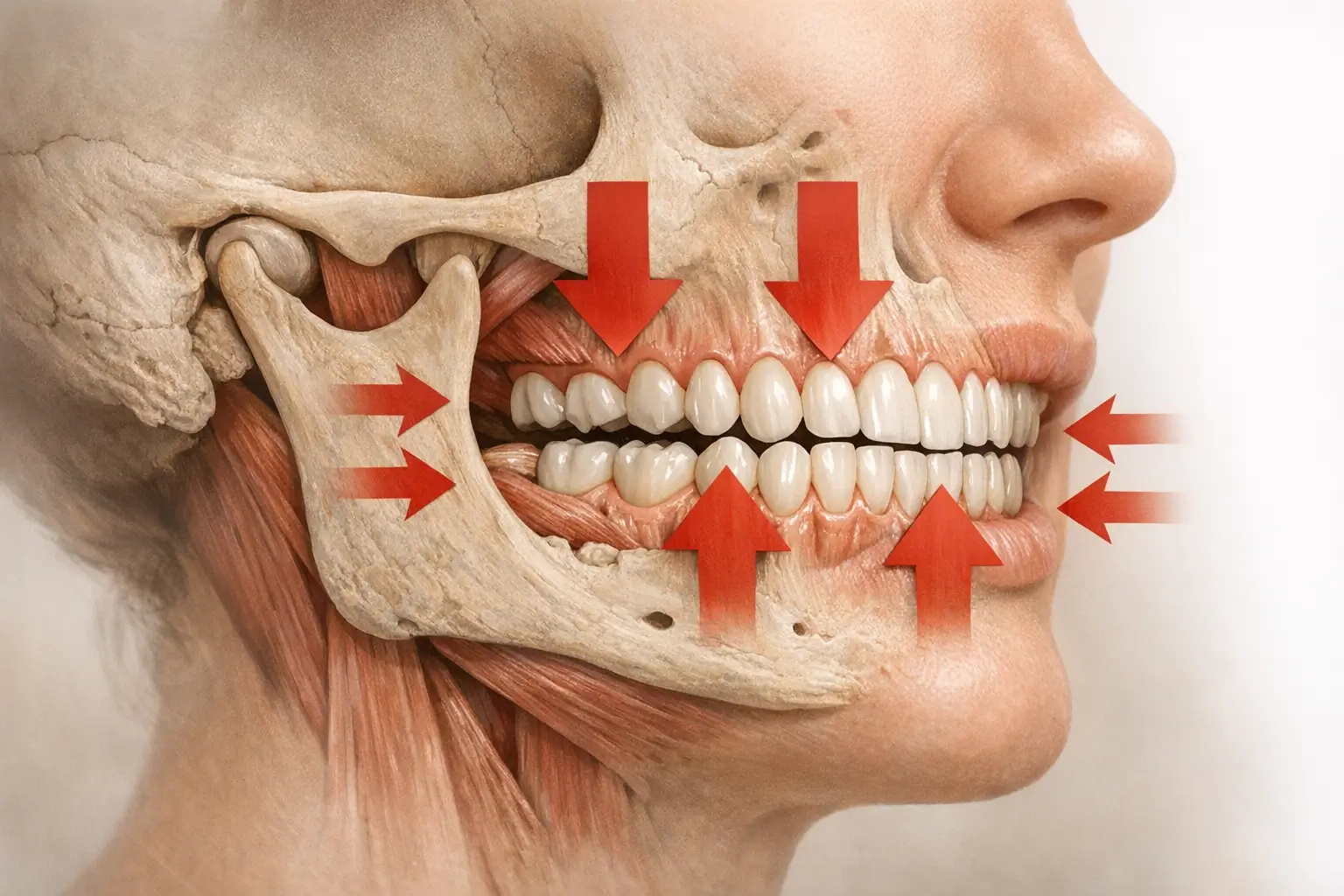
Preventive Measures
- Night Guards: Custom-fitted resin plates can reduce pain in those with TMJ issues, as proven by Thomas et al. (2025). Consult your dentist for a proper fit. For more on mouthguard options, discover the best mouth guard for bruxism.
- Jaw-Relaxing Cues: Use a colored dot on your computer or dashboard as a reminder to relax your jaw and breathe.
- Limit Caffeine: High caffeine intake is linked to more intense bruxism, according to the National Institute of Dental and Craniofacial Research. For more insights, learn why you should avoid caffeine late at night.
- Check Bite Alignment: Occlusal splints and adjustments have shown to reduce pain from clenching, as noted by Singh et al.
Choosing the Right Occlusal Appliance
All guards are not created equal. A 2025 meta-analysis by Wang et al. reviewed eighteen trials and found that anterior repositioning splints (ARS) cut pain scores by about two points on a ten-point scale after three months, slightly edging out soft night guards. Hard acrylic guards last longer but can feel bulky. Softer versions win on comfort yet wear out faster. Nightly use for at least six weeks is key, and a dentist can tweak the fit if morning bite feels off.
Real-world snapshot: Sarah, a 34-year-old coder, ditched an over-the-counter guard after three nights of discomfort. A custom acrylic splint solved the issue within a week and her jaw clicks faded by month two. Costly up front, but compliance drives success.
Immediate Relief Techniques
- Warm Salt Rinse: Swish a solution of warm water and salt to relax muscles and reduce bacteria.
- Ice Roll: Apply a small ice pack to the cheek near painful teeth for temporary relief.
- Desensitizing Paste: Use a paste with potassium nitrate to block nerve signals and reduce sensitivity.
- Massage the Masseter: Gently massage the cheek muscle to relieve tension and reduce pressure on teeth.
If severe tooth pain persists, see a dentist to rule out issues like cracks or pulp inflammation.
Lifestyle Adjustments to Support TMJ Health
Jaw pain often coexists with stress, diet, and posture issues. Addressing these can improve your symptoms.
Dietary Changes
- Soft, Nutritious Foods: Opt for cooked vegetables, fish, and other gentle options. Avoid hard or chewy foods.
- Omega-3 Fats: Include salmon and flaxseed in your diet to combat inflammation.
- Limit Gum and Sticky Candy: These can cause excessive strain on jaw muscles.
- Hydrate: Proper hydration helps prevent muscle cramping and fatigue.
Stress Management
Stress is a known contributor to jaw clenching. The Cleveland Clinic suggests several techniques to manage stress:
- Box Breathing: A breathing technique involving equal counts for inhaling, holding, exhaling, and pausing.
- Progressive Muscle Relaxation: Gradually tensing and relaxing muscle groups to reduce overall tension. For more on stress management, explore techniques for jaw tension relief.
- Screen Breaks: Regular breaks to stretch and correct posture can alleviate jaw tension.
- Regular Exercise: Physical activity reduces stress hormones and loosens muscles.
Consider workspace ergonomics, ensuring screens are at eye level and using headsets for calls. At night, sleep with a supportive pillow to maintain neck alignment.
If stress-related clenching is persistent, guided therapy or biofeedback devices might be beneficial. For more on biofeedback, explore how biofeedback offers a promising approach.

When Conservative Care Fails: Surgical Options
Most people never need surgery, but it is available when joint structures are badly damaged. Madhuri’s 2024 review lists three main categories:
- Arthrocentesis: Saline flush to clear inflammatory debris.
- Arthroscopy: Keyhole procedure to trim adhesions or reposition a disk.
- Open-joint surgery: Disk repair, graft, or full joint replacement for severe degeneration.
Pros include rapid mechanical correction and up to 80 percent success for closed-lock cases following arthrocentesis. Cons include cost, scar risk, and several weeks on a soft-food diet. Dolwick and Widmer (2024) stress that long-term success still depends on exercise and habit change once the scalpel work is done.
When to Seek Professional Help
- Pain above 7 out of 10 persists after six weeks of exercises.
- Your jaw locks open or closed for more than a few seconds.
- You notice numbness, dizziness, or ringing in the ears.
- Sleep apnea or severe nighttime grinding is suspected.
An orofacial pain specialist can order imaging, tweak splints, or discuss injections and surgery if needed. Bring a pain diary and posture videos to the appointment so you can map progress objectively.
Conclusion
TMJ disorders can significantly impact daily life, but effective management is within reach. Research supports specific exercises to reduce pain and improve function, lowering the risk of chronic issues. By combining these exercises with myofascial release, laser therapy, and lifestyle adjustments, the chances of improvement increase.
Your action plan is straightforward:
- Practice the five core exercises twice daily.
- Incorporate manual release or laser therapy if pain persists.
- Protect teeth with a night guard and manage flare-ups with heat, ice, or desensitizing paste.
- Consume soft, anti-inflammatory foods and manage stress to keep jaw muscles relaxed.
Commit to this routine for at least six weeks, as most studies suggest, and monitor your progress. You may find that daily, intentional movements provide significant relief and improve your quality of life.