Advanced Bruxism Treatments: Innovative Clinical Interventions Beyond the Basics
Explore cutting-edge bruxism treatments with the latest clinical innovations and research.
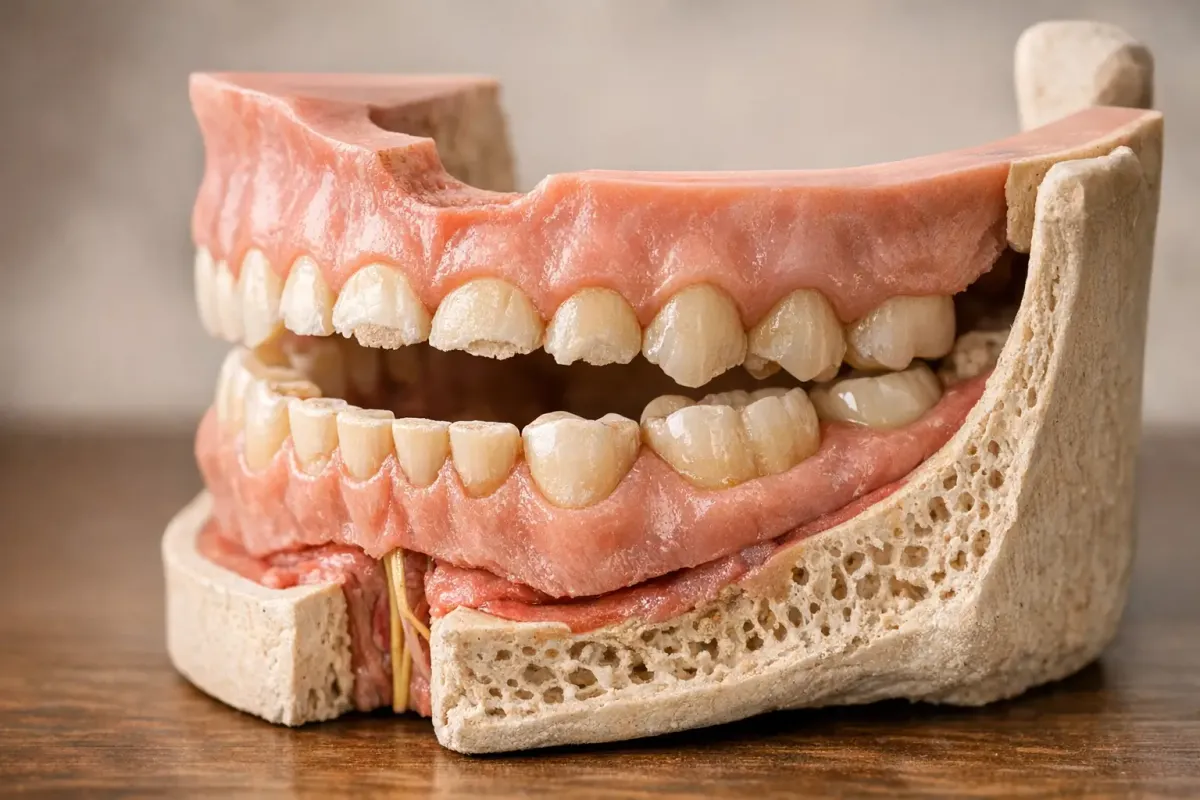
You probably already know that grinding or clenching your teeth is bad news. What you may not know is how fast the science around bruxism is shifting. In the last five years, researchers have redefined what counts as bruxism. 3D printers have slipped into dental offices, and sleep physicians have started teaming up with orthodontists in ways that would have seemed odd a decade ago. Let's explore the most promising clinical interventions that go beyond the night-guard you can buy at the drugstore.
Each section leans on recent peer-reviewed studies, breaks the jargon into plain language, and gives you practical takeaways you can bring to your next dental visit. Ready to nerd out on teeth without falling asleep? Dive in.
Understanding Bruxism: Definitions and Challenges
Before you can treat bruxism, you need a solid definition of what the problem actually is. Professionals have argued for years about whether bruxism is a disorder, a behavior, or a harmless habit. An international consensus report led by Verhoeff et al. in 2025 finally sharpened the wording. Bruxism is now split into two behaviors: sleep bruxism and awake bruxism. Sleep bruxism is rhythmic grinding or clenching that happens while you snooze, usually detected by partners or audio-EMG devices. Awake bruxism, on the other hand, is a non-rhythmic jaw clench that sneaks in while you work, drive, or doom-scroll.
The updated definition matters because it changes how researchers design studies and how clinicians choose treatments. For example, biofeedback apps might help you catch daytime clenching, but they are useless if the grinding shows up only after lights out. A 2024 analysis on awake bruxism metrics by Bracci and colleagues (link) highlights that daytime monitoring now has to separate muscle activity from stress-related movements like chewing gum.
Diagnosis is still tricky. Polysomnography, the gold standard sleep test, is expensive and rarely covered by insurance for bruxism alone. Dentists often rely on worn tooth surfaces, yet tooth wear can also come from acidic drinks or abrasive toothpaste. The consensus paper urges a two-step approach: first, confirm the behavior through self-report or wearable sensors; second, look for clinical consequences such as cracked enamel or jaw pain. This layered method keeps you from being labeled a bruxer just because your molars look flat.
Another hurdle is symptom overlap. Temporomandibular disorders (TMD) share jaw pain and clicking with bruxism. Without careful screening, you could chase the wrong treatment. Understanding bruxism in 2025 means separating when it occurs, confirming it with objective data, and checking whether it actually harms your teeth or quality of life.
The Role of 3D Printing in Bruxism Management
Night guards, splints, occlusal appliances—whatever you call them, they remain the frontline defense against tooth wear. Traditional guards are vacuum-formed sheets of plastic or hand-processed acrylic. They work, but they are bulky, time-intensive, and pricey if you break or lose them. Enter 3D printing.
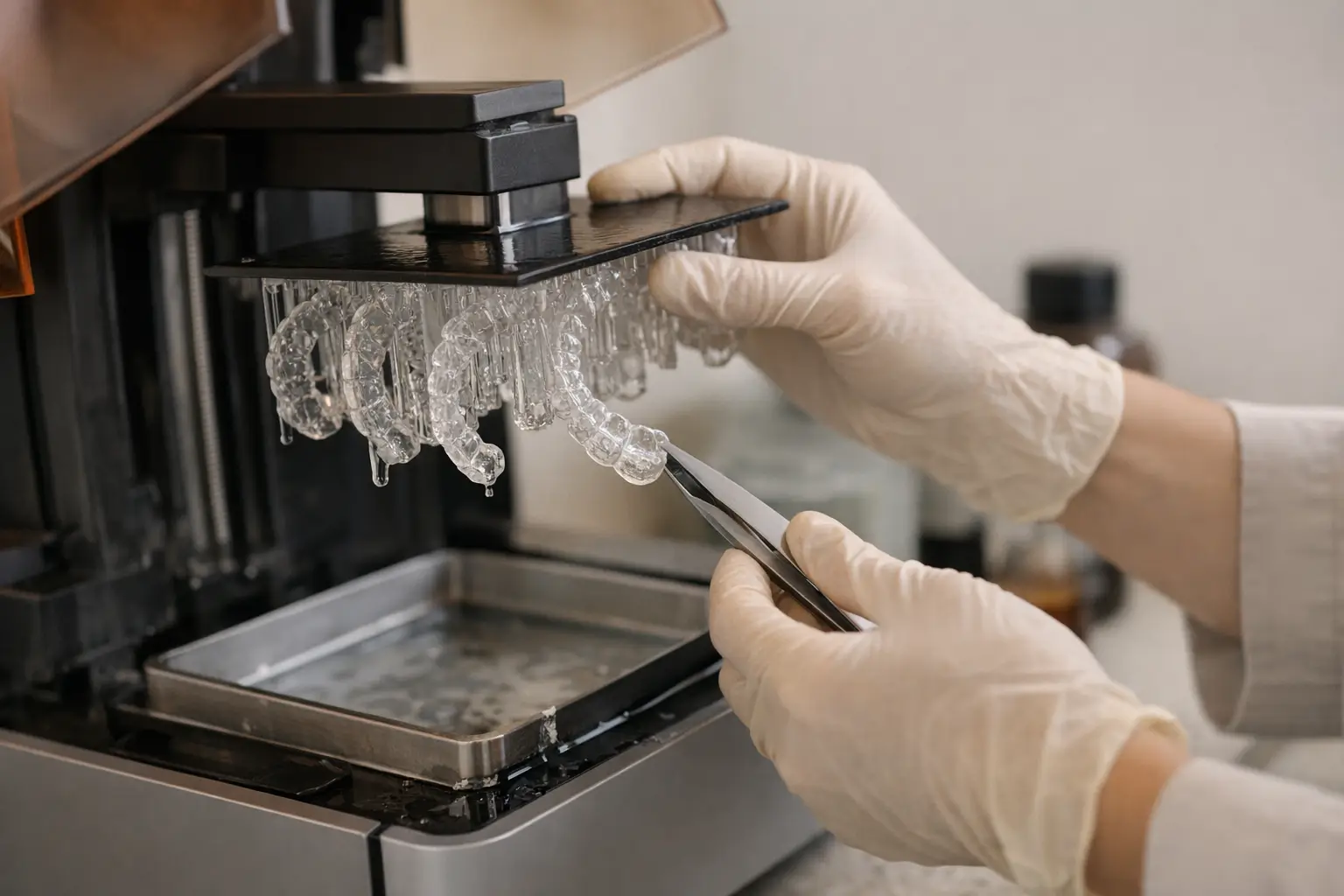
A comprehensive review published in 2025 by Šimunović et al. maps out how resin-based additive manufacturing has reshaped splint fabrication. Digital scanners capture a high-resolution model of your bite in minutes. Software then designs a guard that balances thickness, retention, and evenness of contact. The file shoots over to a resin printer that stacks ultra-thin layers until a splint appears. That guard is polished, disinfected, and fitted, often within the same day.
What does that mean for you? First, customization. A printed splint hugs each tooth like shrink-wrap, so you are less likely to drool or yank it out in your sleep. Second, repeatability. Lose your guard on vacation? The office can reprint the same file without dragging you in for a new impression. Third, material science. Hybrid resins now come infused with flexible polymers that absorb impact yet stay rigid enough to keep the bite open. Šimunović’s review notes early data showing printed guards resist wear better than thermoformed versions over six months.
Efficiency also helps clinicians tweak designs for specific goals. If your main problem is anterior grinding, the CAD file can add a thicker anterior ramp while keeping the posterior thin, improving comfort. Labs can iterate quickly, testing bite forces with software before printing. This digital loop shortens chair time and reduces human error.
Concerns remain. Some printed resins leach unpolymerized monomers if curing protocols are sloppy. Regulatory agencies like the FDA are still catching up with the explosion of materials, so look for splints made from biocompatible, Class II cleared resins. Lastly, insurance billing codes for printed guards are lagging, which could affect reimbursement. Still, the trajectory is clear: 3D printing is pushing bruxism splints from one-size-fits-most to truly bespoke devices.
Exploring Alternative Therapies: Beyond Traditional Methods
If your bruxism links to a blocked airway, you may hear about CPAP machines. Continuous Positive Airway Pressure remains the most effective therapy for obstructive sleep apnea, but it is often uncomfortable. Masks leak, straps chafe, and compliance rates hover around 50 percent after one year. The CHOICE multicentre trial led by Hamoda et al. in 2025 gave patients a real-world option: stick with CPAP or switch to a mandibular advancement splint (MAS). The MAS is basically a custom mouthpiece that pulls the lower jaw forward to open the airway.
Results? About 43 percent of participants ditched CPAP for the splint and maintained similar oxygen levels overnight. Subjective sleepiness scores improved in both groups, but adherence skyrocketed in the MAS arm—people averaged 6.5 hours of nightly use compared with 3.1 hours on CPAP. That matters because even the world’s best therapy fails if it sits in a drawer.
For bruxism, MAS devices offer two perks. Pulling the jaw forward reduces upper-airway resistance, which may lower the micro-arousals that trigger grinding. Second, these devices double as occlusal splints, creating a physical barrier between teeth. However, side effects include bite changes after long-term use. If you already have a fragile temporomandibular joint, yanking the jaw forward could worsen pain.
Other off-label options include muscle relaxant injections (think low-dose Botox in the masseter), cognitive behavioral therapy for stress-induced clenching, and even biofeedback headbands that beep when they detect jaw activity. While exciting, the evidence for these gadgets is thin compared with the CHOICE trial for MAS. Consult a provider who understands both airway and occlusion before jumping in.
Looking ahead, researchers are investigating hybrid devices that combine mandibular advancement with embedded sensors, feeding data to an app that tracks both airway patency and grinding episodes. If the tech matures, you could soon receive a morning report card telling you how well you slept and whether your teeth survived the night.
Multidisciplinary Approaches to Bruxism
Teeth do not exist in a vacuum. Bruxism weaves through dentistry, psychology, sleep medicine, and sometimes neurology. A 2025 position paper on temporomandibular disorders by Manfredini et al. argues that grinding is best seen as part of a biopsychosocial puzzle. You might clench due to stress hormones, airway obstruction, or medication side effects. Treating only the teeth is like putting umbrellas over puddles instead of fixing the leaky roof.
Take Rett Syndrome, a rare neurodevelopmental disorder marked by involuntary movements and severe bruxism. In a 20-year case series, Vilvarajan and coworkers show that successful management required neurologists, speech therapists, dentists, and nutritionists. While most readers do not have Rett, the study underscores a general rule: complex grinding needs a team.
Collaborative Care Models
- Sleep physician screens for apnea or hypoventilation that can spark nocturnal clenching.
- Dentist or prosthodontist designs a guard or restorative plan to shield enamel.
- Physical therapist trains jaw stretches and posture correction to ease muscle hyperactivity.
- Psychologist addresses anxiety or habit loops fueling daytime bruxism.
- Pharmacist reviews meds known to ramp up muscle activity, such as certain SSRIs.
This model is not wishful thinking. Larger academic hospitals have orofacial pain clinics where all specialists share electronic notes. Telehealth portals now let your dentist drop an intra-oral photo into a sleep doctor’s queue the same day. Insurance is the stubborn gatekeeper, although bundled billing codes for sleep-related dental services are emerging.
For you, the takeaway is simple: if you have tried two or more splints without success, ask for a multidisciplinary referral. The more angles you attack the problem, the higher the odds you will grind less and sleep better.
Cutting-edge Dental Prosthetics: A Solution for Bruxism Damage
Sometimes the horse is already out of the barn and your enamel is gone. Rebuilding a worn dentition used to mean full-coverage crowns that shaved down more tooth, ironically risking pulp damage. Today, material science offers less invasive fixes.
Longitudinal data on fiber-reinforced composite bridges collected by Roccuzzo et al. over 14 years show survival rates north of 88 percent in heavy grinders. These bridges rely on glass fibers embedded in resin, giving them flexural strength that mimics dentin. The dentist removes minimal enamel, etches it, and bonds the bridge—no drill, no anesthetic in many cases. If the bridge chips, you can patch it chairside instead of replacing the whole unit.
For single missing teeth, the buzz centers on no-prep zirconia cantilever prostheses. Imagine a sliver of zirconia that bonds to the back of one supporting tooth and hangs a replacement crown off the side. Because zirconia is wicked strong, it can handle posterior bite forces even in bruxers. Mainjot’s 2025 case reports show mean service times of five years with minimal debonding, provided the occlusion is adjusted to avoid cantilever overload.
Both options preserve tooth structure, shorten chair time, and cost less than implants. However, they demand meticulous bite analysis. If the prosthesis ends up in the grinding path, you will pop it off within weeks. Most dentists now use digital occlusal scanners to map contact points before bonding. Combine the prosthesis with a night-guard to absorb excess force, and you could extend its life by a decade.
Looking further out, researchers are experimenting with bioactive composites that release calcium and phosphate ions when pH drops, essentially repairing micro-cracks created during bruxism. While still in lab tests, the idea of self-healing restorations looks promising, especially for patients who cannot kick the grinding habit entirely.
Addressing Comorbid Conditions in Bruxism Patients
Bruxism does not fly solo. A broad umbrella review of health conditions co-existing with ADHD by Kang et al. maps a web of comorbidities: sleep disorders, anxiety, substance misuse, and, yes, bruxism. Stimulant meds can heighten muscle tension, while the restlessness of ADHD may trigger awake clenching.
If you have both ADHD and bruxism, treatment gets messy. Do you taper stimulants and risk tanking your focus, or do you add muscle relaxants? Multidisciplinary strategies shine here. A sleep physician can titrate lower evening doses of stimulants. A dentist can prescribe a thin daytime splint to blunt awake bruxism without muffling speech. Meanwhile, a therapist uses cognitive behavioral cues to break the “focus clench” loop—those moments when concentration makes you bear down on molars.
Other conditions often ride shotgun with bruxism: gastroesophageal reflux, migraine, and depression. Each plays tug-of-war with your nervous system and can make grinding worse. Online resources from the National Institute of Dental and Craniofacial Research advise screening for reflux, because acid erodes enamel, compounding mechanical wear from grinding.
The moral of the story: treating bruxism in isolation is like fixing a squeaky wheel on a bike with a bent frame. You need to straighten the whole ride. Ask your health team to peek under every medical rock, from sleep quality to mental health meds, before declaring the problem solved.
Conclusion: The Future of Bruxism Treatment
The last decade shifted bruxism care from cookie-cutter night-guards to a high-tech mash-up of 3D printing, airway therapy, and minimally invasive restorations. Printed splints offer same-day customization. Mandibular advancement devices rival CPAP in real-world adherence for people whose grinding tags along with sleep apnea. Fiber-reinforced composites and no-prep zirconia bridges rebuild worn teeth while sparing healthy enamel. Most importantly, team-based care models link dentists with sleep physicians, psychologists, and physical therapists for a holistic game plan.
Where are we heading? Expect guards embedded with sensors that log grinding episodes, self-healing restorative materials that shrug off micro-fractures, and insurance codes that finally recognize dental devices as legitimate sleep medicine tools. Until then, keep asking for evidence, weigh comfort against compliance, and remember that your teeth sit at the crossroads of stress, airway, and systemic health. The more you know, the less you grind.