Can You Mouth Tape While Wearing a Night Guard? Exploring the Practicalities and Safety
Discover if mouth taping with a night guard is safe and effective for teeth grinders.
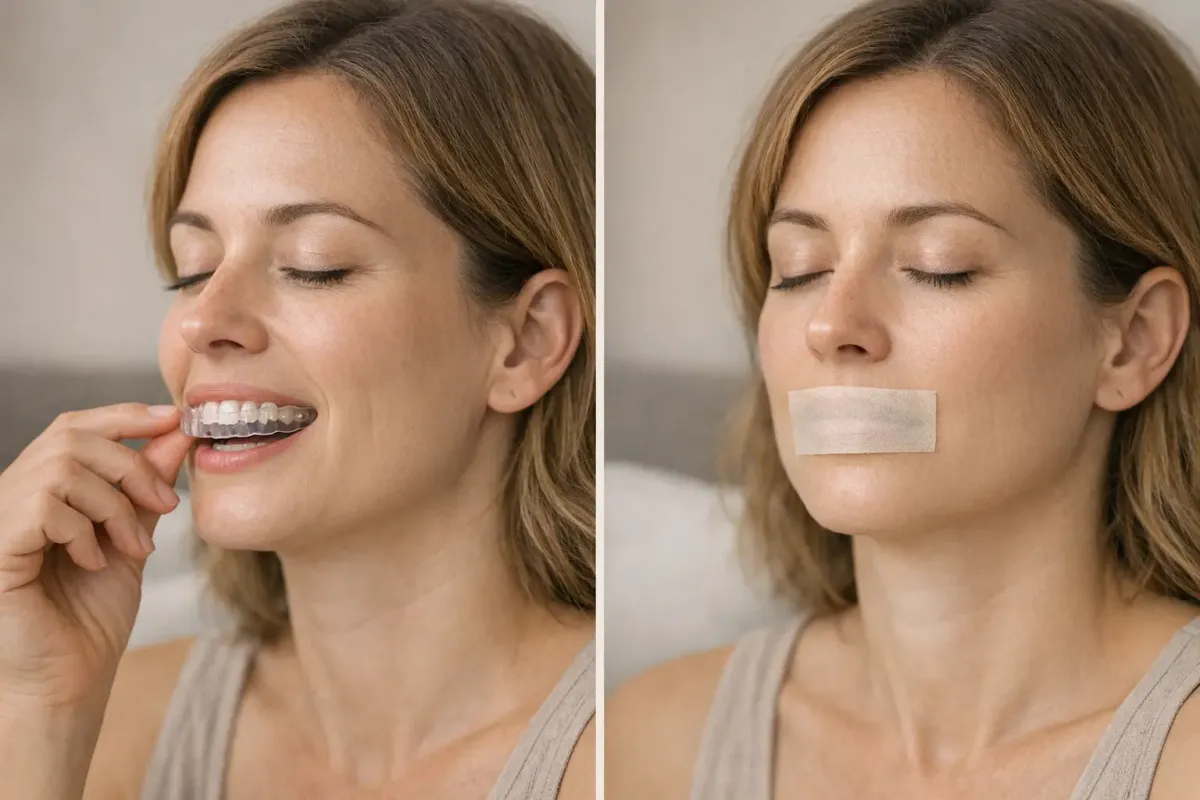
If you grind your teeth at night, you probably know the routine: a custom night guard, a glass of water by the bed, and maybe a morning jaw ache. Recently, TikTok and Reddit have introduced another tool into the mix, mouth tape. The concept is straightforward: keep your lips closed to breathe through your nose, wake up with a less dry mouth, and potentially snore less. But is it possible to use mouth tape with a night guard?
This article explores the science, safety, and practicality of using mouth tape alongside a night guard. We rely on published research, advice from reputable medical bodies, and common sense to help you determine if this combination is innovative bio-hacking or a recipe for a drool-soaked night.
Understanding the Mechanics: How Mouth Tape and Night Guards Interact
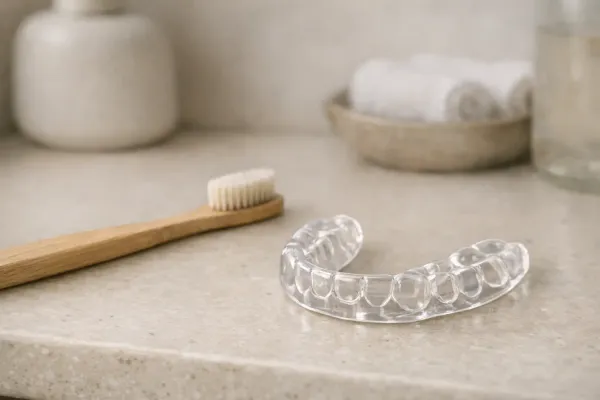
Your night guard fits inside your mouth, resting against your teeth. Mouth tape, on the other hand, is applied externally, stretching from one side of your lips to the other. In theory, these two devices do not physically contact each other. This separation leads many users to assume they can use both without issues.
However, the human mouth is a humid environment. Saliva production increases when a foreign object, like a night guard, is present. When you seal your lips with tape, excess saliva has nowhere to go, potentially pooling under the guard. A 2020 longitudinal tooth-wear study by Korkut et al. highlighted that excessive salivation under oral appliances can accelerate wear and bacterial growth. While the study did not specifically investigate taping, the principles of fluid dynamics apply.
Adhesion is another consideration. Skin oils, drool, and midnight sips of water can weaken tape adhesion. A 2024 review by Haliloğlu et al. on night-guard videos noted that consumer guides often overlook the difficulty of keeping tape in place when drooling occurs. Expect occasional trips to re-stick the tape if you sweat or toss and turn during sleep.
On the positive side, since the tape does not touch the acrylic mouthpiece, there is no risk of chemical interaction or the tape pulling out your guard. Most commercial tapes use gentle medical-grade adhesive that is unlikely to affect your oral device. However, if you use a peroxide-whitening guard or an insert with flavor gels, consult your dentist. Some additives may soften tape glue, compromising its effectiveness.
The key takeaway: mouth tape and night guards occupy different areas but share the same environment. Comfort depends on how well you manage saliva, skin oils, and nighttime maintenance.
Why Mouth Taping Appeals to Teeth Grinders
Why would anyone apply tape to their face while already using a night guard? For teeth grinders, the appeal often comes down to moisture control and airway comfort. Mouth breathing dries saliva on enamel quickly, resulting in a dry mouth and a night guard that feels uncomfortable in the morning. Saliva is what buffers acid and remineralises enamel, so a persistently dry mouth carries a higher risk of decay, which is the NIDCR position on dry mouth.
Nasal breathing humidifies the air, keeping your mouth moist and reducing friction with the guard. A 2026 electromyography study by Gözler and Durmaz found that patients reported less discomfort when their oral mucosa stayed moist. While the study did not involve tape, many grinders infer that keeping lips closed maintains moisture and reduces friction.
Additionally, mouth taping may improve sleep quality. Dry mouth can trigger micro-arousals, small wake-ups that you may not remember but that disrupt deep sleep. By encouraging nasal breathing, tape might reduce these interruptions. A 2017 pilot study by Tada et al. on mouthguard use and aphthous ulcers found that participants who minimized mouth drying had fewer ulcers and better sleep ratings.
Finally, addressing morning breath is another benefit. Night guards can trap odors, but nasal breathing reduces the dry environment that odor-causing bacteria thrive in. Less odor means fewer post-sleep cleanings, extending the life of your guard.
In summary, grinders view mouth taping as a way to increase moisture, reduce noise, and potentially improve sleep quality. But safety is crucial when considering this combination.
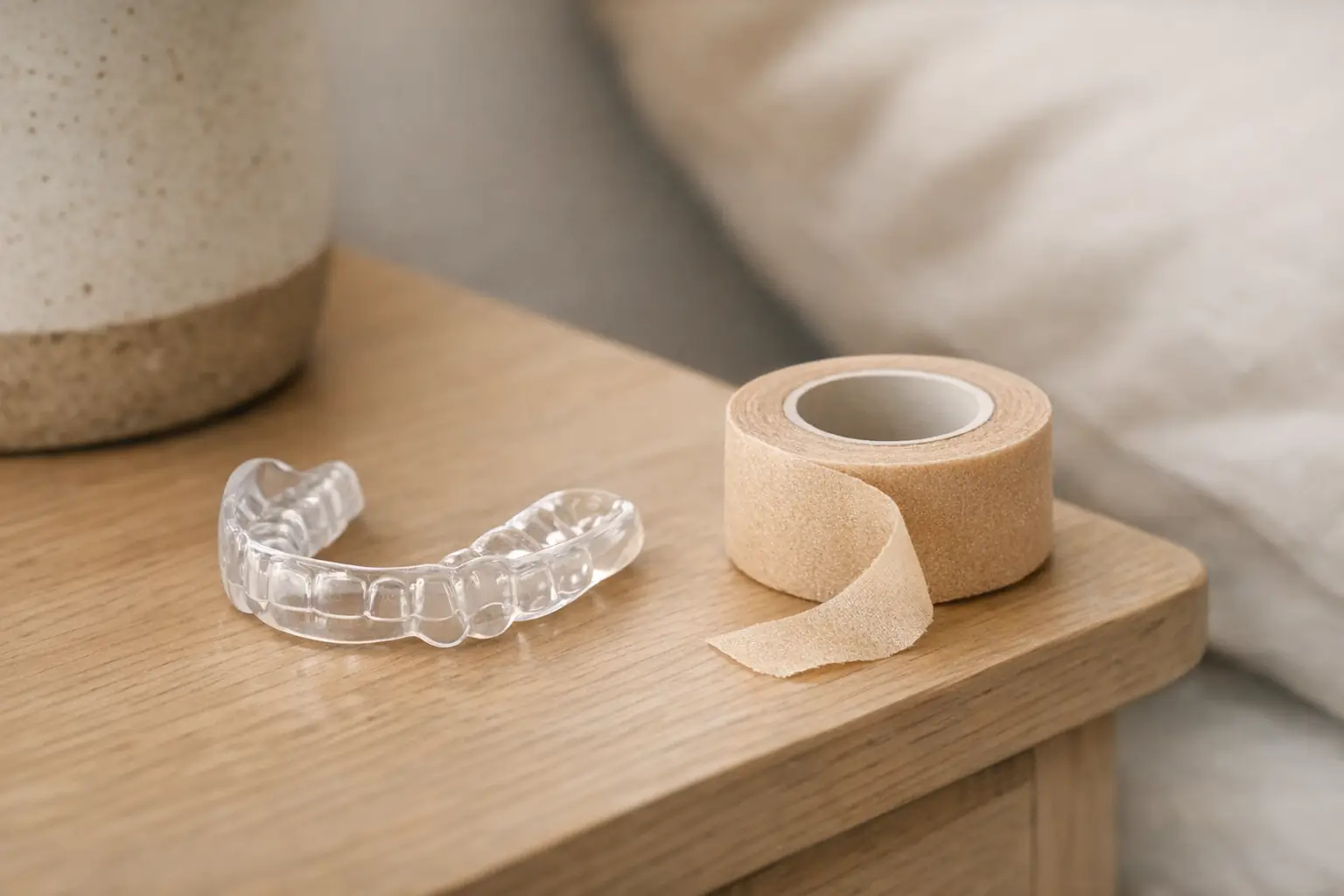
Safety Concerns: When Not to Use Mouth Tape with a Night Guard
While mouth taping is low-tech, blocking the emergency air bypass is significant. Your body uses your mouth as a backup airway when your nose is clogged, during apnea pauses, or when drool obstructs breathing. Adding a guard reduces tongue space, further limiting your margin for error.
Recognizing Sleep Apnea Risks
If you snore loudly or wake with headaches, you might have obstructive sleep apnea (OSA). Untreated OSA combined with mouth tape is not advisable. A 2025 systematic review by Rhee et al. warned that mouth taping can worsen oxygen drops in patients with undiagnosed OSA. Bruxism itself can be a warning sign; the Cleveland Clinic notes that nighttime tooth grinding often occurs with apnea events. Mouth tape can mask audible breathing issues that might alert a partner or doctor.
Signs that you should test for apnea before using tape include chronic fatigue, witnessed breathing pauses, morning hypertension spikes, or a neck circumference over 17 inches for men and 16 inches for women. If any of these sound familiar, schedule a sleep study before using mouth tape.
Other Conditions to Consider
Nasal congestion can disrupt your taping experiment. Allergies, a deviated septum, or a cold can block airflow quickly. Keep track of congestion and avoid tape if mouth breathing is necessary.
GERD and reflux pose additional risks. Stomach acid can rise during sleep, and with tape, reflux must overcome both gravity and adhesive, potentially causing choking. Consult a gastroenterologist if you experience chronic heartburn.
Asthma flare-ups: Symptoms might not be present initially, but can occur during sleep. Tape complicates reaching for an inhaler during an attack.
Skin sensitivity: Medical adhesives are generally mild, but lips have thin skin. If you are prone to rashes, test a small patch before applying tape.
Kids and teens: The American Dental Association advises against unsupervised night guards for children. Adding tape increases choking risk. Children have narrower nasal passages and more variable sleep patterns.
Who Should Avoid Mouth Taping Altogether
Even if you enjoy bio-hacks, some situations make mouth taping inadvisable.
- Diagnosed sleep apnea: If you use CPAP or oral appliance therapy, unrestricted airways are necessary. Tape blocks this route.
- Chronic nasal obstruction: Conditions like polyps, chronic sinusitis, or severe allergies necessitate mouth breathing. Wait for clearance from an ENT before using tape.
- Respiratory disorders: COPD, uncontrolled asthma, or cystic fibrosis affect airflow. Tape can lead to hypoxia.
- Children under 12: Young children may not communicate breathing issues effectively. The same 2025 review by Rhee et al. advises against it for those under 12.
- Active skin disease: Conditions like herpes labialis, eczema, or sunburn on lips can be aggravated by adhesive use.
If you belong to any of these categories, consider alternatives like nasal-breathing exercises, humidifiers, or professionally fitted oral appliances.
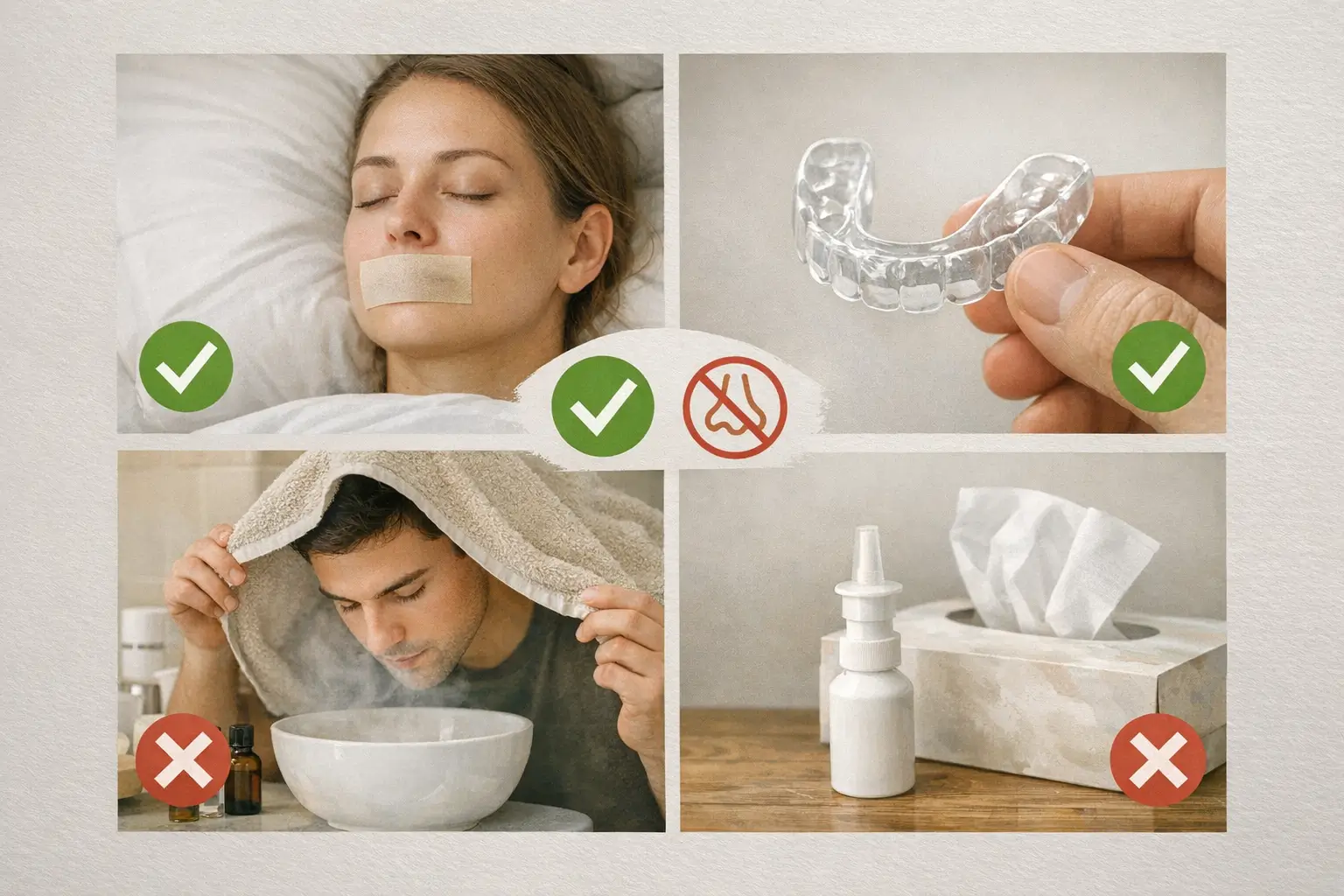
Testing Mouth Taping and Night Guard Use Safely
If you've assessed the risks, ruled out apnea, and have clear nasal passages, it's time for a trial. Treat the first week as a personal experiment.
- Daytime dry runs: Wear your night guard and a short strip of tape for 15 minutes while awake. This helps you adapt to nasal breathing and identifies any adhesive allergies before bedtime.
- Start with breathable tape: Use porous medical tape or sleep strips that release under pressure. The goal is habit training, not airtight sealing.
- Keep a journal: Track sleep quality, drool volume, nasal comfort, and partner feedback. A 2019 study by Keskinruzgar Aydin et al. found that symptom diaries helped patients evaluate splint effectiveness. Apply a similar approach to your taping trial.
- Midnight exit plan: Keep blunt-tip scissors or a water spray bottle nearby. Water loosens adhesive faster and reduces panic.
- One-week review: After seven nights, assess your journal. Are headaches reduced? Is saliva manageable? If you removed the tape more than twice, reconsider its use.
- Consult professionals: Share your journal with a dentist or sleep specialist. They can identify patterns you might overlook, like clenching spikes or subtle apnea events.
Remember, the night guard addresses bruxism. Tape is an optional comfort aid. If your trial shows no benefit, keep using the guard and consider other interventions.
Does Mouth Taping Help with Bruxism? The Evidence
In short, not directly. Bruxism is a neuromuscular habit influenced by stress, airway restriction, and genetics. Mouth tape does not address the underlying causes.
The 2019 study comparing kinesio taping and occlusal splints by Keskinruzgar Aydin et al. is often misrepresented. The study focused on taping facial muscles, not lips, and found no significant reduction in grinding compared to splints. Lip tape was not considered.
Advanced interventions show more promise. A 2025 study by Al-Hamad et al. introduced a biofeedback device that senses and interrupts grinding. This device targets muscle activity, unlike tape, which only affects airflow.
So why do some grinders endorse tape? Two possible explanations:
- Indirect benefit: Improved sleep quality from nasal breathing may lower stress, reducing clench intensity.
- Placebo effect: The ritual of applying tape might signal bedtime, promoting relaxation and reducing grinding.
These factors do not make tape a medical treatment. The American Dental Association recommends night guards, stress management, and, in severe cases, botulinum toxin injections as evidence-based bruxism therapies. Tape is not included.
Use tape if it enhances comfort, but do not forgo proven treatments. If your guard wears out frequently, consider redesign, medication, or airway evaluation with your dentist.
Conclusion: Making an Informed Decision
Mouth taping while wearing a night guard is like adding a sidecar to a complex vehicle. In many cases, the combination works if you are apnea-free and have a clear nose. Tape may keep your mouth moist, reduce noise, and make the guard more comfortable. However, the benefits are subjective, and there is no scientific evidence that tape addresses grinding itself.
Before using tape, screen for sleep apnea, test the tape during the day, and keep a journal of comfort and side effects. Consult your dentist or sleep specialist, share your findings, and treat the experiment like a minor medical trial. The goal is simple: breathe easily, protect your teeth, and wake up ready for the day without a sore jaw. Whether tape is part of that mission should be a data-driven decision.