How a Mouth Guard for Clenching Teeth at Night Can Help You Sleep Better
Learn how mouthguards can help alleviate teeth clenching at night and improve your sleep.
<<>
You're tired, your partner's tired, and even the family dog seems annoyed by the crunching sounds from your side of the bed. Nighttime teeth clenching, also known as sleep bruxism, is more than just an annoying habit. Over time, it can damage teeth, strain jaw joints, and disrupt your sleep. The good news: a simple mouthguard can help protect your teeth and improve your sleep.
This article explores research on bruxism, why it happens, and how a mouthguard can help. We'll also discuss other treatments, such as botulinum toxin injections and stress management. By the end, you'll have the information you need to decide if a mouthguard could help you sleep better.
Understanding Teeth Clenching and Bruxism
What is Bruxism?
Bruxism refers to the grinding, gnashing, or clenching of teeth, which can happen while awake or asleep. Sleep bruxism often involves rhythmic movements that may wake a bed partner. Dentists usually identify bruxism during checkups, spotting signs like flattened chewing surfaces or cracked enamel.
Sleep bruxism is classified as a movement disorder related to sleep cycle disruptions. In simple terms, your brain briefly wakes up, your muscles flex, and your jaw clenches. According to the Sleep Foundation, up to 15 percent of adults experience nighttime grinding, often without realizing it.
Causes of Teeth Clenching
Why does teeth clenching occur at night? Researchers have identified several triggers:
- Stress and anxiety. The body may release daytime tension through nighttime clenching. For more on how stress exacerbates bruxism, see how stress makes bruxism worse.
- Medications. Some antidepressants can increase the risk. A case report by Kohat and Chenchula described sertraline-induced bruxism that improved with a lower dose.
- Caffeine, alcohol, and nicotine. These stimulants can disrupt sleep and trigger muscle activity. Learn more about the effects of alcohol on teeth grinding.
- Sleep disorders. Obstructive sleep apnea sufferers may grind teeth when their airway narrows. Consider exploring the connection between sleep disorders and bruxism.
- Genetics. A family history of bruxism doubles your odds, indicating an inherited component.
Researchers also suggest an imperfect bite, such as high crowns or missing molars, can lead to a strained jaw position, encouraging nighttime clenching. Even children can experience bruxism, especially during growth spurts or when new teeth erupt. Fortunately, pediatric bruxism often resolves as the jaw matures but should be monitored for enamel damage, as noted in our guide on understanding pediatric bruxism.
Missing sleep itself can become a trigger. A clinical audit by De Pieri et al. 2024 found that patients with insufficient sleep syndrome were roughly twice as likely to clench or grind compared with solid sleepers, underscoring how sleep quality feeds the bruxism cycle.
Overall, bruxism typically results from a combination of stress, biological factors, and lifestyle habits.
The Impact of Teeth Clenching on Oral Health
Short-term and Long-term Effects
Teeth grinding may seem harmless initially, but its effects accumulate quickly. In the short term, you may experience:
- Morning jaw stiffness or soreness
- Headaches centered at the temples
- Sensitivity to hot or cold drinks due to thinning enamel
If left unchecked, chronic clenching can lead to:
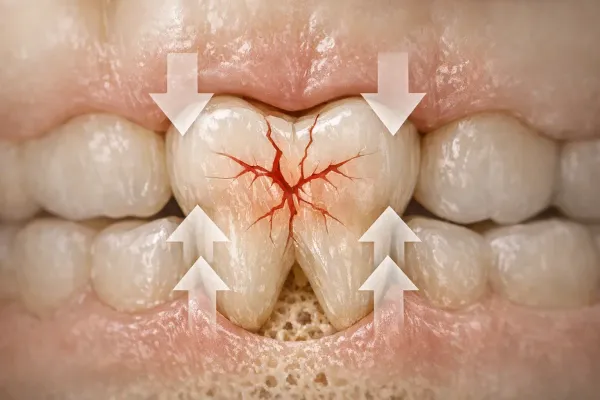
- Chipped or fractured enamel, fillings, and crowns
- Shortened teeth, altering your bite and facial profile
- Irritated periodontal ligaments, potentially loosening teeth
- Painful cracks that invite decay
Consider the cost: a single cracked porcelain crown can cost over $1,200 to replace. Ignoring bruxism can become more expensive than investing in a mouthguard. Beyond finances, many people feel self-conscious about shortened teeth that can make them look older or "square-jawed."
Your dentist might notice flat surfaces on molars, small enamel cracks, or shiny facets on dental restorations, all signs of bruxism.
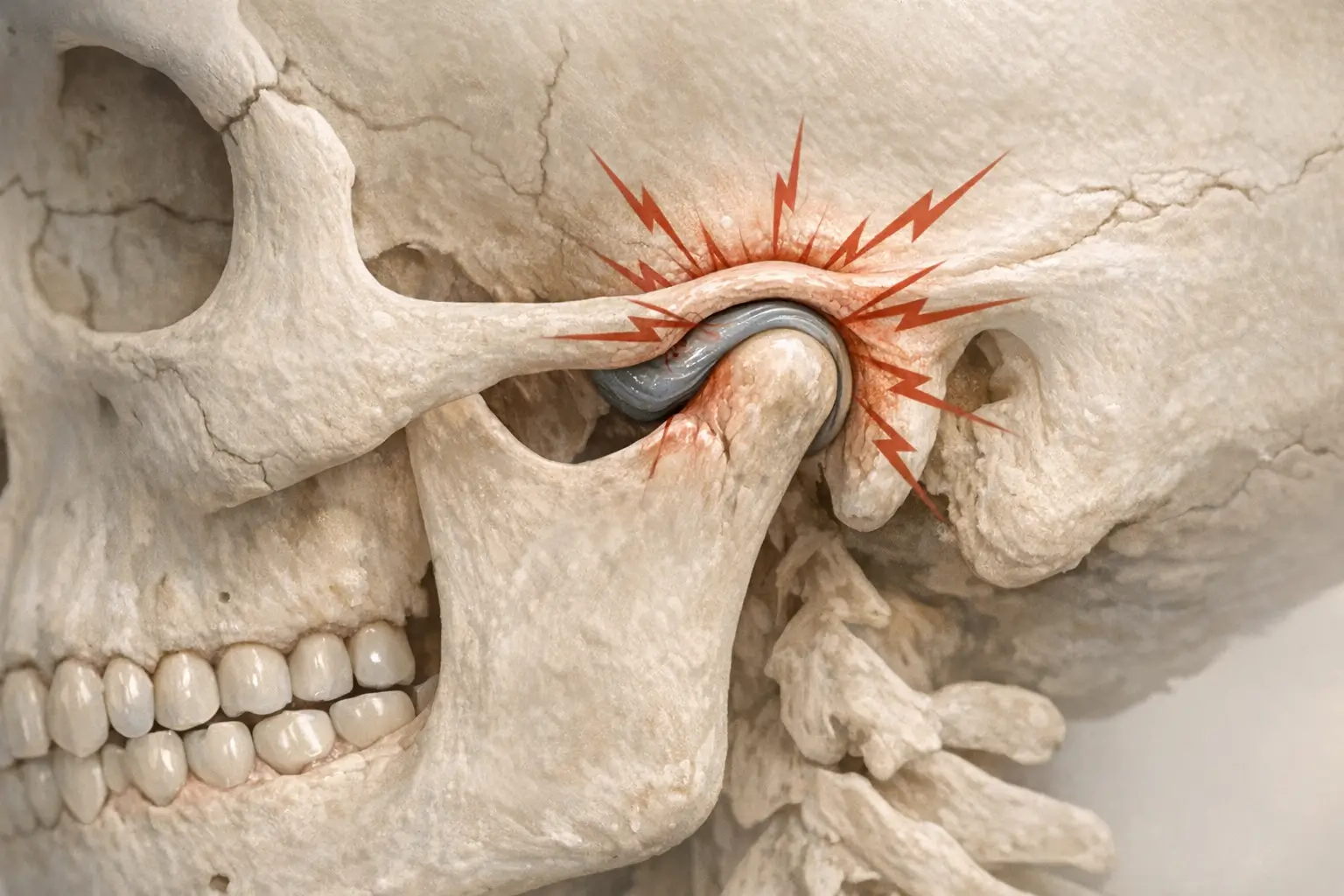
Connection with Temporomandibular Disorders
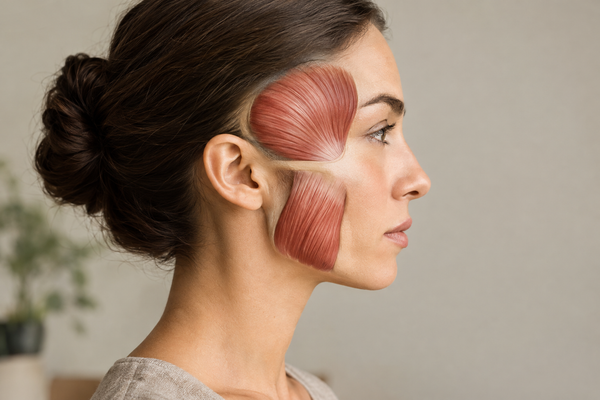
The temporomandibular joints (TMJs) connect your jaw to your skull. Excessive clenching can strain these joints and surrounding muscles. A study by Gu et al. found that occlusal splint therapy combined with manual therapy reduced pain in patients with TMJ disc displacement. Another study compared splints with physiotherapy, noting significant pain reduction in both groups, though splints offered better bite stabilization (Nawaz et al.).
In summary, addressing bruxism early can prevent severe temporomandibular disorders that cause jaw locking, clicking, and facial pain. For more insights into managing TMJ pain, consider our innovative approaches to TMJ pain relief.
Mouthguards: A Solution for Nighttime Teeth Clenching
How Mouthguards Work
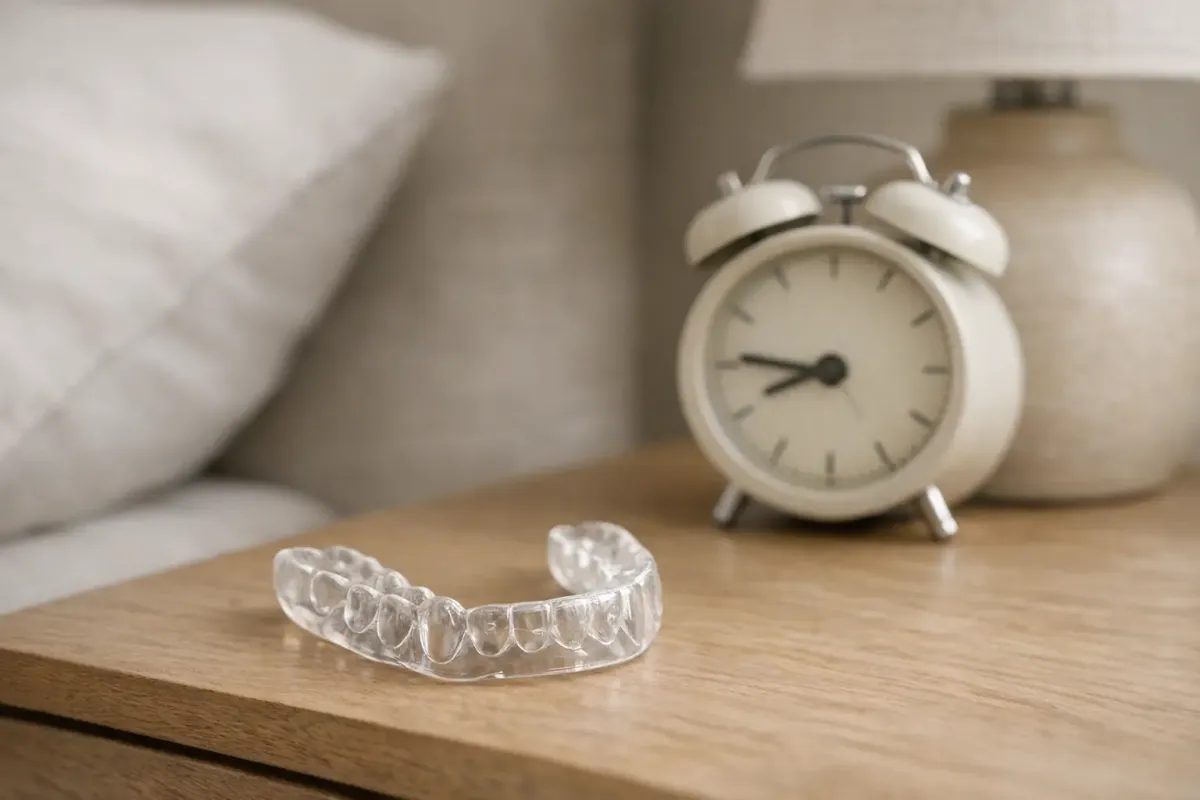
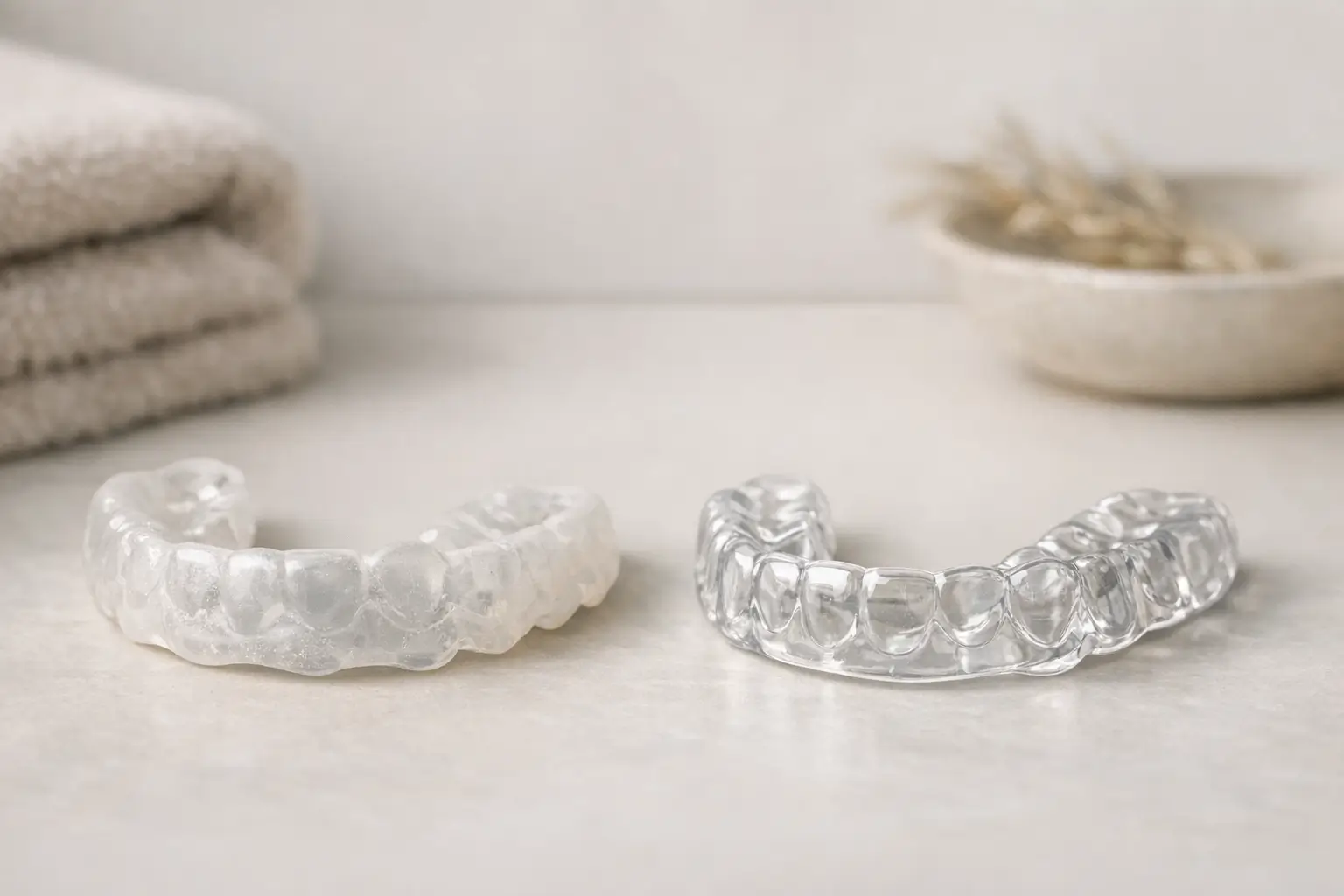
A mouthguard, also known as an occlusal splint or night guard, is a thin plastic device worn over the teeth. It doesn't "cure" bruxism but acts as a protective buffer:
- Distributes clenching forces over a larger area
- Prevents direct tooth-to-tooth contact, reducing chips and cracks
- Stabilizes the jaw in a slightly open, centered position
- Provides feedback that may help reduce muscle activity over time
Think of a mouthguard as a helmet for your teeth. While clenching may still occur, the guard cushions the impact.
Research supports mouthguard use. A randomized trial compared occlusal splints with sleep hygiene and muscle relaxation (Tandon et al.). Participants using splints reported lower stress and fewer grinding events than the relaxation group.
Types of Mouthguards Available
There are three main types of mouthguards:
- Stock guards. Pre-formed and sold at pharmacies. Inexpensive but bulky and often poorly fitting.
- Boil-and-bite guards. Softened in hot water and molded to your teeth. More affordable than custom guards, but less precise.
- Custom-made guards. Created from a dental scan or impression, these guards offer the best fit and protection. They are more expensive but usually more comfortable and durable.
A systematic review by Sultan et al. found that custom hard acrylic guards reduced muscle activity most consistently, while soft guards rated highest for comfort. Fit is crucial, and one size does not fit all. For guidance on selecting the right guard, see our comprehensive guide to choosing the right bruxism mouth guard.
Numbers back up the comfort claims. In a 2025 clinical evaluation by Ma et al., 3D-printed custom splints produced a 48 percent drop in jaw pain after eight weeks, while store-bought boil-and-bite guards managed an 18 percent reduction over the same period.
Durability is also important. If you grind through a guard quickly, consider harder materials. If a hard guard is uncomfortable, a dual-laminate style might be a good compromise.
Choosing the Right Mouthguard for You
Factors to Consider
Selecting a mouthguard involves more than just price. Consider these factors:
- Fit. A loose guard can fall out and become a choking hazard. A tight one can cause soreness.
- Material. Soft plastics are comfortable but wear faster. Hard materials are durable but may feel bulky.
- Thickness. Thicker guards absorb more force but can cause drooling or fatigue.
- Cleaning needs. Some plastics stain easily. Check cleaning instructions before purchasing.
- Longevity. For heavy grinders, a flimsy guard could be a false economy.
To clean your guard, use a soft toothbrush and fragrance-free soap, then air-dry it in a ventilated case. Avoid boiling water or mouthwash with alcohol, which can warp the plastic. Replace your guard regularly (every one to three years) to prevent bacteria buildup and maintain protection.
Many dentists recommend starting with a flat-plane acrylic guard for the upper teeth, providing stability and allowing lower teeth movement. However, lower guards may be better for those with upper dental work or gag reflexes.
Consulting a Dentist
While you can order a guard online, consulting a dentist is advisable. A dentist can:
- Confirm bruxism as the cause of your symptoms
- Check for TMJ issues that may need treatment
- Take precise scans for a well-fitting guard
- Adjust the guard for muscle relaxation
A study comparing splints and botulinum toxin found both effective in reducing pain, but splints offered longer-lasting improvements (Hosgor et al.). A well-fitted guard remains the primary treatment for bruxism.
If cost is an issue, inquire about payment plans or semi-custom guards. Investing in a guard can prevent future costs of repairing cracked crowns.
Fit Checks and Maintenance Routine
A guard is only as good as its upkeep. Follow these evidence-based steps drawn from an in-vitro study by Al-Hamad et al. 2025, which showed that warped or cracked guards can actually raise jaw-muscle activity:
- Bite check: Insert the guard and close gently. Your bite should feel even on both sides. If one side hits first, ask your dentist to adjust it.
- Rinse daily, soak weekly: Cool water every morning is fine for a quick clean. Once a week, use a non-alcoholic denture cleaner or a diluted vinegar bath.
- Ventilate: Store the guard in a case with air holes. A sealed, wet container invites bacterial growth.
- Inspect monthly: Look for cracks, deep grooves or yellowing. Replace soft guards every six to twelve months and hard guards every one to three years, sooner if you see damage.
Common Mistakes That Sabotage Your Guard
- Ignoring discomfort. Sharp edges or gum pressure will not fix themselves. Small chair-side adjustments solve most problems.
- Chewing on the guard. Treat it like a protective mattress, not bubble gum.
- Overstaying its lifespan. Plastic wears out. A flattened guard transmits more force to teeth.
- Sharing guards. Even with your favorite person, it swaps bacteria and rarely fits.
Alternative Treatments for Bruxism
Botulinum Toxin Injections
Botulinum toxin (Botox) can weaken the masseter muscles responsible for clenching. A review by Yacoub et al. found that injections reduced pain and muscle thickness for up to six months. Side effects were mild, including temporary chewing fatigue and rare smile asymmetry.
Compared to splints, Botox provides initial relief but requires repeat doses every few months. A combined approach may work best: Botox for immediate relief and a guard for ongoing protection. Explore more about muscle relaxants as a treatment option for bruxism.
Sleep Hygiene and Relaxation Techniques
Improving sleep hygiene can address the nervous system aspect of bruxism. This includes regular bedtimes, a cool dark room, and limited screen time before bed. Techniques like progressive muscle relaxation or guided meditation can also help.
In the trial by Tandon et al., participants practicing relaxation reduced stress but not tooth wear as effectively as the splint group. Combining relaxation with a guard can offer comprehensive protection.
If anxiety or depression contribute to your clenching, consult a mental health professional. Adjusting medications like SSRIs may help, as noted in the sertraline case report.
- Mayo Clinic overview of bruxism offers practical self-care steps such as limiting caffeine after noon and using warm compresses before bed.
- American Dental Association guidance on occlusal guards reinforces the value of professional evaluation.
Other complementary options include:
- Physical therapy. Trigger point massage and jaw exercises can loosen tense muscles.
- Cognitive behavioral therapy. Helps reframe stressors that lead to clenching.
- Biofeedback devices. Experimental devices alert you to jaw muscle activity, training you to stop. Learn more about how biofeedback devices help manage bruxism.
- Mandibular advancement devices. For bruxism linked to sleep apnea, these appliances adjust the jaw to help open the airway.
- Dietary adjustments. Ensuring adequate magnesium and hydration can support muscle relaxation. For dietary tips, see the role of diet in managing bruxism.
These interventions can reduce the intensity and frequency of grinding episodes but do not replace the protective function of a mouthguard.
Myths and Misconceptions About Mouth Guards
Debunking Common Myths
- Myth: A mouthguard stops grinding altogether.
Reality: The guard protects teeth but does not cure the habit, much like a seatbelt reduces injury but does not prevent crashes. - Myth: Rigid acrylic guards worsen clenching.
Reality: When fitted and adjusted by a clinician, hard guards actually equalize force and often lessen muscle activity. - Myth: You can trim a bulky guard with kitchen scissors.
Reality: DIY edges cut gums. Ask your dentist for adjustments. - Myth: If your partner stops hearing grinding, the issue is gone.
Reality: Silent clenching still loads the joint. Dental exams or EMG devices tell the true story. - Myth: Kids always outgrow bruxism.
Reality: Pediatric guards protect developing enamel. Waiting can mean early tooth loss.
Conclusion: Taking Steps Towards Better Sleep
Nighttime teeth clenching can damage enamel, strain jaw joints, and disrupt sleep. A mouthguard offers a proven defense by protecting your teeth and promoting a relaxed jaw position. Studies indicate that custom guards reduce pain and tooth wear and can complement other therapies like relaxation or Botox.
The path forward is clear: confirm your diagnosis with a dentist, explore guard options, and address lifestyle factors contributing to clenching. By using a mouthguard, you may find your mornings brighter, your jaw more relaxed, and your teeth healthier. Sleep is precious, don't let your molars sabotage it.