Understanding Pediatric Bruxism: What Parents Need to Know
Discover how to manage pediatric bruxism in children with evidence-based insights.
<<>
It's 2 a.m., and you're wide awake, listening to your six-year-old sound like a tiny chainsaw. That grinding noise isn’t a quirky nightlight; it’s likely bruxism. Before you dive into a Google-induced panic, let’s explore what research reveals about the causes of bruxism in children and what practical steps you can take.
Here you'll find the current science, practical tips, and guidance on when to consult a specialist. Keep the caffeine, but ease the worry.
Understanding Pediatric Bruxism
Bruxism refers to the repetitive clenching or grinding of teeth. In children, it presents as:
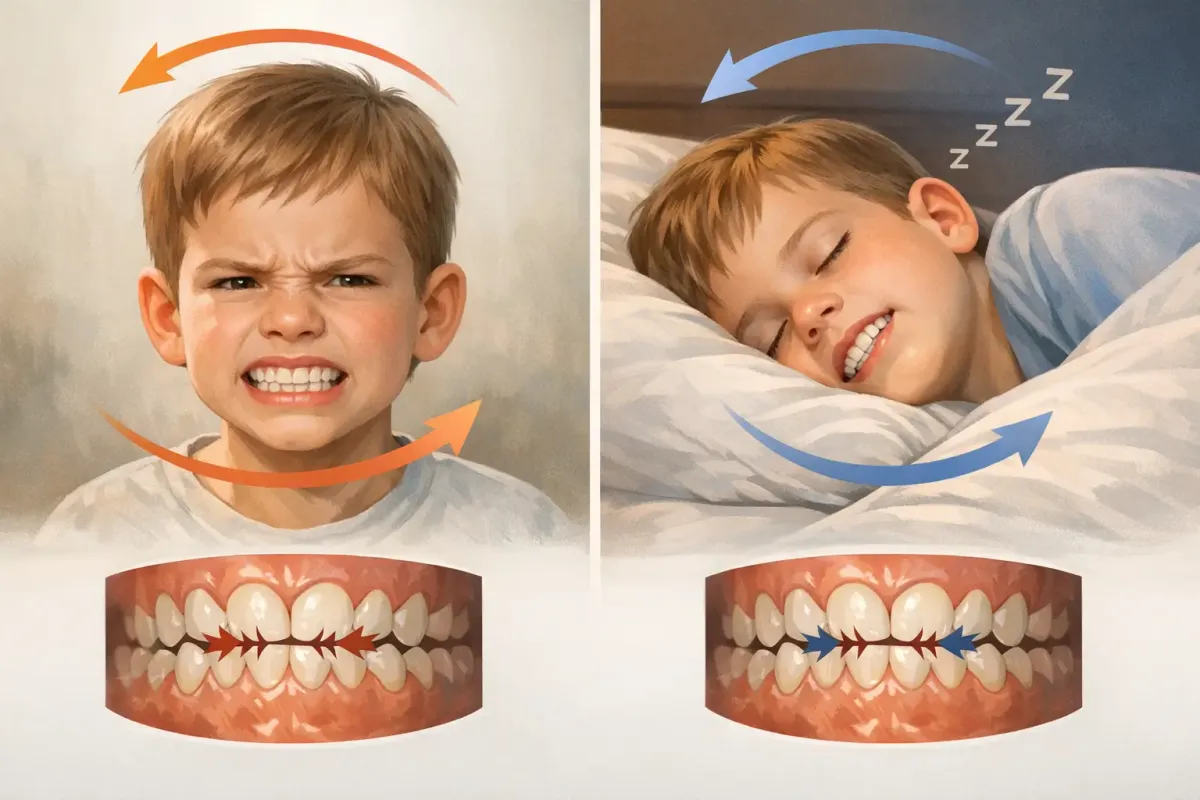
- Awake bruxism – Clenching while awake, often during activities like gaming or reading.
- Sleep bruxism – Occurs during non-REM or REM sleep, characterized by rhythmic jaw activity. Learn more about how sleep positions influence nighttime teeth grinding.
How common is bruxism in children? A 2026 study by Garg et al. found a prevalence of about 21% among children in Punjab, with a slight increase after age seven. In Europe, Storari et al. (2023) estimated a global prevalence between 6% and 30%, depending on who did the counting.
The root causes of bruxism are still debated, but two main factors are often cited:
- Genetics – If you grind, your child might too. Studies suggest about a 50% heritability.
- Neurological factors – Sleep studies show bursts of brain and jaw-muscle activity linked to micro-arousals, which can be exacerbated by sleep disorders like apnea.
Consider the combination of developing bite patterns, changing teeth, and childhood stress, a perfect setup for nighttime noise. A pediatric dentist likens it to a “construction site that is also a playground.” Bruxism is the body’s occasional misfire amidst this chaos.
Recognizing the Signs and Symptoms
Identifying bruxism early is crucial. Here’s what to look for:
- Grinding or clicking sounds at night.
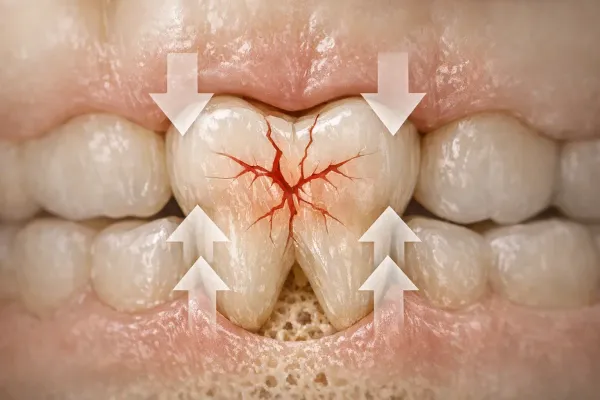
- Flattened or chipped teeth, noticeable during brushing. This could indicate morning jaw pain as a sign of bruxism.
- Jaw or face soreness upon waking.
- Morning headaches, particularly around the temples.
- Disturbed sleep patterns, frequent waking or daytime drowsiness.
- Irritability or difficulty focusing at school, possibly due to anxiety-induced nighttime teeth clenching.
At-Home Screening Hacks
Two quick checks can confirm suspicions before you book an appointment:
- Cheek ridges – Run a clean finger along the inside of the cheeks. Raised lines can signal chronic pressure from clenching, a point noted in the clinical overview by Morales-Lastre et al.
- Pencil pull test – Have your child bite gently on a pencil held crosswise with back teeth, then try to slide it out. If it takes force, that resting tension hints at daytime bruxism, a tip highlighted in the Al-Jewair narrative review.
If unsure about the source of nighttime sounds, use a sleep-recorder app to capture episodes over several nights. This data can be invaluable for your dentist. Some parents also maintain a “jaw diary,” noting morning soreness or headaches to identify patterns.
Why pay attention to these symptoms? A 2025 study by Zhang Yaqiong et al. identified a link between dental wear and poor sleep, creating a feedback loop where each exacerbates the other. This can lead to behavioral issues, turning bruxism into a broader concern.
Causes and Risk Factors
Pediatric bruxism often involves multiple factors. Common contributors include:
- Stress and anxiety – Kids experience stress from exams, friendships, and games, which can trigger jaw tension. Consider natural ways to relieve jaw tension.
- Malocclusion – Misaligned bites during teeth transition can lead to grinding.
- Sleep disorders – Conditions like sleep apnea often accompany bruxism.
- Medications and substances – ADHD medications or caffeine from energy drinks can heighten muscle activity.
- Parental awareness – A 2025 study by Özdemir et al. found many parents underestimate grinding, delaying intervention.
A broader perspective by Mansur Doğan (2025) identified psychological stress, orthodontic factors, and neurological arousal as frequent triggers. Environmental factors, like seasonal allergies, can also contribute by altering breathing patterns.
Physiological Triggers to Watch
The Al-Jewair review adds several body-based culprits that often slip under the radar:
- Inner-ear pressure shifts, especially during rapid growth spurts
- Airway obstruction from enlarged tonsils or chronic allergies
- Rapid tooth eruption phases that change bite contacts overnight
Family and Parenting Factors
A 2022 study by Moya-López et al. linked permissive or inconsistent bedtime routines to higher grinding rates. Predictable schedules and calm lights-out rituals help lower stress hormones, giving jaws a better chance to relax.
Impact of Bruxism on Children's Health
Oral Health
- Enamel erosion increases cavity risk. Learn more about foods that may help alleviate teeth grinding.
- Cracked teeth require costly repairs.
- Gum recession from abnormal pressure.
Serious wear can affect how permanent teeth erupt, like a poor foundation impacting a building's structure. Pediatric dentists often see early molar height loss, altering bite dynamics for years.
Sleep and Cognitive Function
Bruxism disrupts sleep. The 2025 study by Zhang Yaqiong et al. linked grinding to reduced sleep efficiency, impacting attention span over time.
A 2024 review by Huynh et al. found sleep bruxism associated with lower memory and executive function scores. Kids often report morning headaches, which can impair school performance.
Psychosocial Well-Being
Chronic jaw pain affects more than just chewing. It can lead to self-consciousness and reduced quality of life, as measured by surveys like the Child-OIDP. Bruxism impacts social interactions, not just dental health.
Effective Management and Treatment Options
The good news is that treatment doesn’t have to be extreme. Modern management starts with the least invasive options.
Behavioral Interventions
- Sleep hygiene – Set regular bedtimes, dim lights, and avoid screens before bed. A 2025 trial by Amaral et al. showed a 23% reduction in grinding with improved sleep habits.
- Mindfulness meditation – Adding five-minute meditations led to a further 12% decrease in episodes.
- Stress management – Sessions with psychologists can teach children to relax their jaws.
- Biofeedback devices – Wearable sensors alert children to jaw tension. Though promising, these devices can be expensive. For more on biofeedback, check out biofeedback therapy for bruxism treatment.
- Jaw massage – Light circular rubs along the masseter before bed relaxed muscles in the Tozar RCT.
- Sugar-free gum breaks – Letting kids chew gum during the day gives the jaw a safe outlet and may curb unconscious clenching.
- Ergonomic homework pauses – A two-minute stretch and water break every 20 minutes supports posture and reduces neck-jaw tension, echoing findings on the link between posture and jaw pain.
Practical tips: Swap soda for water or milk at dinner to avoid caffeine effects at night. A warm washcloth on the cheeks before bed can relax jaw muscles.
Dental Treatments
- Occlusal splints – Night guards protect enamel but don’t stop grinding. They’re like seatbelts, not preventive measures. See if children can wear night guards for teeth grinding.
- Orthodontics – Corrective braces can address bite issues.
- Botulinum toxin – Injections are a last resort for severe cases, with limited long-term data in children.
- 3D printed guards – Some clinics scan and print custom splints the same day, easing appointments for sensory-sensitive kids according to Sonpal et al.
- Low-level laser or physical therapy – An RCT by Farouk et al. showed laser acupuncture over the masseter and temporalis cut pain scores faster than standard myofascial release.
Modern guards are comfortable and made from BPA-free materials. Ask your dentist about dual-purpose guards for sports and nighttime use.
Which approach works best? A 2024 review by Soares-Silva et al. found that combining behavioral and dental strategies reduced bruxism by up to 50% within three months. Multi-faceted approaches are more effective than single tactics.
Special Considerations for Neurodevelopmental Conditions
Children with ADHD
The narrative review by Rajpurohit et al. links stimulant timing to spikes in sleep bruxism. Tweaking dose schedules, adding high-protein afternoon snacks, and involving occupational therapists can all lower jaw activity.
Children with Autism
Prevalence can reach 60% according to Al-Beltagi et al. Short desensitization visits, visual schedules, weighted blankets, and softer mouthguards help make treatment achievable without adding sensory overload.
Innovative and Future Therapies
Farouk’s laser study isn’t the only tech on the horizon. Tozar et al. found that pairing nightguards with biofeedback wearables trimmed grinding episodes by more than 60%. Separately, a 2025 study by Mao et al. reported that virtual-reality headsets slashed dental chair anxiety, making splint fittings smoother. Smart pillows and audio trackers are inching toward FDA review, promising earlier detection before enamel starts to suffer.
For more information, check resources from the American Academy of Pediatric Dentistry and the Nemours KidsHealth Bruxism portal.
When to Consult a Specialist
Start with your child’s dentist, but seek specialist advice if you notice:
- Cracked or mobile teeth
- Frequent morning headaches
- Persistent jaw pain
- Behavior changes like sleepiness or grade drops
- Snoring or signs of sleep apnea
The 2024 review by Huynh et al. emphasizes a team approach involving dentists, pediatricians, and sometimes sleep specialists. Polysomnography can help diagnose underlying issues if needed.
When seeking opinions, use resources like the Sleep Foundation or the AAPD for accredited specialists.
Tip: Bring a video of your child grinding their teeth to appointments. Clinicians appreciate objective data, and it helps avoid the awkwardness of recreating the sound in a clinical setting.
Conclusion
Teeth grinding in children is common, but it’s not trivial. It can erode enamel, disrupt sleep, and affect school and social life. Fortunately, research offers practical solutions: improve sleep hygiene, teach stress management, and use well-fitted night guards when necessary. Early intervention keeps problems small and spares you and your child from bigger issues. Listen for nighttime noises, check their teeth, and consult professionals when needed. Your child’s future health, and their teeth, will thank you.