Understanding the Connection Between ADHD Medication and Bruxism
Explore how ADHD medications impact bruxism and manage these effects.
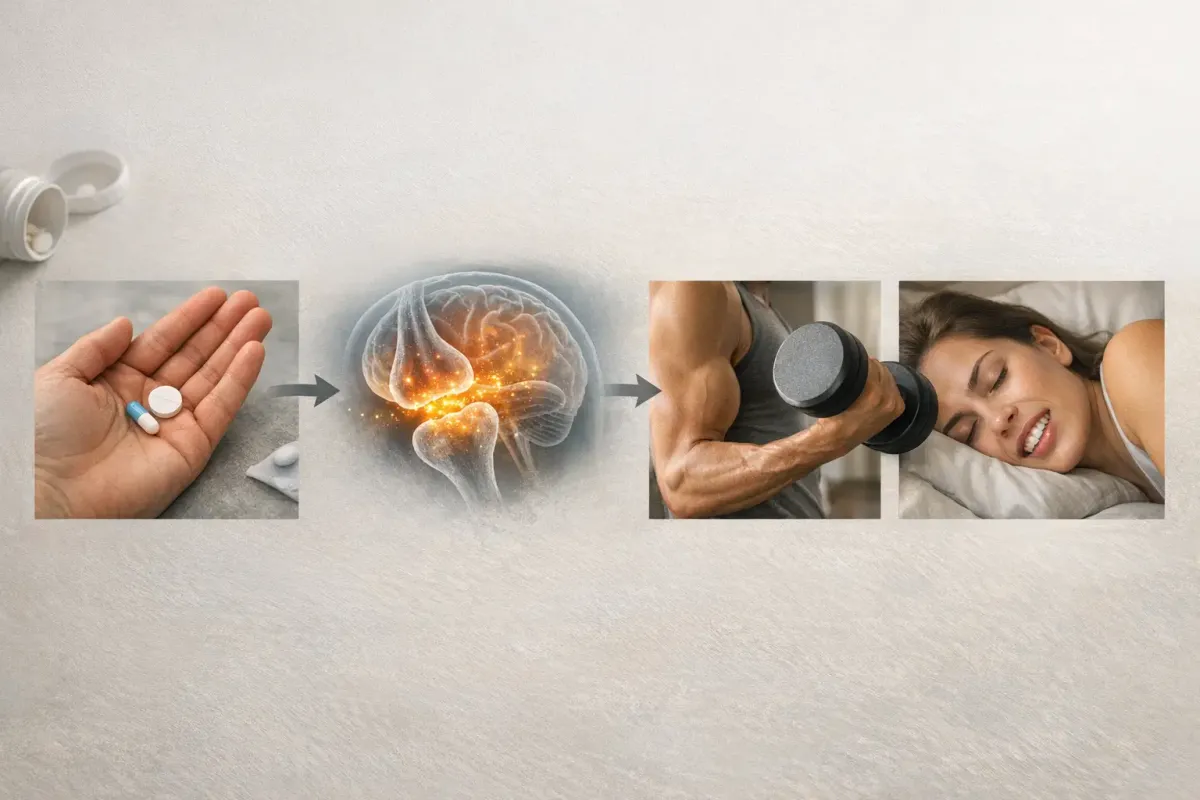
Pop quiz: what do late-night jaw workouts and the little white pills you take for focus have in common? If you guessed “they might be connected,” give yourself a gold star. Bruxism, or teeth grinding, is more common than you might think, even in your medicine cabinet. The link between attention-deficit/hyperactivity disorder (ADHD) medication and nighttime teeth grinding has been discussed in research journals for years. Now, it is finally getting the public attention (and dental bills) it deserves.
This article explores what scientists know, what they are still debating, and practical steps you can take to protect your teeth. We're diving into the intersection of neuroscience, dentistry, and sleep.
How ADHD Medication Can Lead to Bruxism
The term ADHD medication bruxism often appears in forum threads and clinic notes. Behind these words lies a complex biological process that boils down to three main factors: neurotransmitters, muscle tone, and sleep architecture.
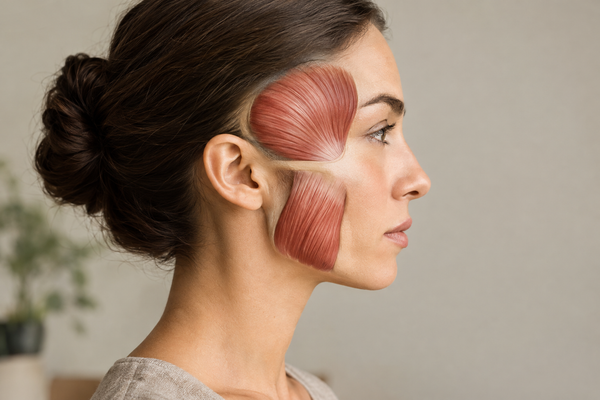
First, most ADHD medications are stimulants. They increase dopamine and norepinephrine levels to improve focus. This chemical boost can also increase muscle activity in the jaw. A 2026 cross-sectional study by Zohdi et al. found that children taking methylphenidate had higher electromyographic (EMG) readings in their masseter muscles than their non-medicated peers. Simply put, their chewing muscles were more active, even during sleep.
Second, stimulants affect sleep by reducing rapid eye movement (REM) sleep and shifting you into lighter sleep stages. Bruxism tends to occur during light sleep due to micro-arousals, quick checks that tighten facial muscles. More micro-arousals mean more opportunities for your jaw to clench. A study by Mahsa Zohdi and colleagues in 2025 confirmed the link between stimulant dose and reduced REM sleep.
Third, dopamine regulates motor pathways. An imbalance can trigger repetitive movements. Grinding fits into this spectrum, much like Parkinson’s disease or stimulant-induced tics. The ideal dosage for attention may not align with the ideal dosage for minimizing jaw activity.
Add stress, caffeine, or a late-night espresso, and you have a perfect storm for bruxism. You might not notice until your dentist points out flattened teeth, or your partner asks why you sound like you're chewing gravel in your sleep. One Reddit user even described hearing a “popcorn machine” sound on a baby monitor, only to find out it was his own teeth grinding.
In summary, the biology supports it. Stimulants change neurotransmitter levels, affect sleep cycles, and increase muscle activity. These factors often lead to bruxism. For more insight into the causes of teeth grinding, explore the scientific research uncovering the causes of bruxism.
Prevalence of Bruxism in Individuals with ADHD
Understanding why is helpful, but you likely want numbers. How common are ADHD bruxism side effects? Research shows that people with ADHD, especially those on medication, are more likely to grind their teeth than the general population.
Statistics and Trends
In a survey by Zohdi et al. (n = 412), 35 percent of medicated participants showed clinical signs of sleep bruxism, compared to 12 percent of non-medicated controls, almost a threefold increase.
An umbrella review by Kang et al. in 2024 placed the pooled prevalence at about 25 percent, still above the 8-to-10 percent range cited by the Cleveland Clinic for the general adult population. The review identified medication status as the strongest predictor of grinding, surpassing anxiety scores and baseline sleep quality.
Why the discrepancy between 25 and 35 percent? Differences in sample size, diagnostic methods, and age groups affect the results. Some studies rely on self-reports, others on dentist exams or EMG sensors. Regardless, the grind rate is consistently higher in medicated groups.
Age Group Differences
Younger patients are the focus of most studies, but adults are not immune. Zohdi’s 2025 study included teens, revealing a peak in grinding at ages 14-to-17 (42 percent), with a slight decrease in college-aged participants (31 percent). Adults over 30 still showed a notable 20 percent, double the community average.
Some theories suggest adult jaws may build resilience over time, while others point to medication adjustments, many adults tweak dosages or switch to extended-release formulations that wear off before bedtime.
The takeaway: if you're on ADHD meds, you're at a higher risk for bruxism, regardless of age, with teens and young adults being the most affected.
Impact of Stimulant Medications on Teeth Grinding
This section focuses on stimulants because they dominate prescriptions, and the term ADHD stimulants teeth grinding is frequently mentioned. Non-stimulants (e.g., atomoxetine, guanfacine) exist but show less alarming bruxism data.
Common Types of Stimulants
Two main categories dominate ADHD stimulant therapy:
- Methylphenidate derivatives (Ritalin, Concerta, Daytrana)
- Amphetamine salts (Adderall, Vyvanse, Dexedrine)
Both increase dopamine and norepinephrine but differ in pharmacokinetics. Methylphenidate clears more rapidly, while amphetamines last longer. Some clinicians suspect amphetamines may have a stronger nighttime impact, though evidence varies.

Clinical Findings
Mahsa Zohdi’s 2025 study analyzed results by medication type. Bruxism incidence was 38 percent for amphetamine users and 33 percent for methylphenidate users, a small but notable difference. The dose was more influential than the brand; every additional 10 mg increased grinding odds by about 7 percent.
A Swedish registry analysis by Garcia-Argibay et al. in 2025 tracked 17,000 adults starting stimulant therapy. Bruxism-related dental visits rose 2.2-fold during high-dose months, even after accounting for anxiety and sleep apnea.
Stimulants add fuel to the fire, but the intensity varies. A child on a low-dose methylphenidate may sleep soundly, while a college student on 30 mg of Adderall might grind through a night guard in a week.
The formulation matters too. Immediate-release pills can cause rebound hyper-arousal at bedtime, while extended-release capsules peak earlier, allowing jaw muscles to relax before sleep. Clinicians often adjust formulations for this reason. Some patients take a small “booster” dose in the afternoon instead of the evening to trade slightly earlier focus fade-out for quieter sleep.
Contrary to popular belief, caffeine alone doesn't explain the increase. Garcia-Argibay’s study included beverage data, and the stimulant-bruxism link persisted even in low-caffeine users. Your afternoon coffee might add stress, but medication is the main contributor.
Managing Bruxism as a Side Effect of ADHD Medication
Now for some solutions. Managing medication-induced grinding involves behavior changes, dental gadgets, and sometimes altering prescriptions. The good news: most people find a workable strategy without giving up the focus benefits.
Behavioral Strategies
1. Time your dose. Discuss with your prescriber about earlier dosing or switching to extended-release forms to lower plasma levels by bedtime. A two-hour timing shift can calm nighttime EMG spikes.
2. Wind-down routines. Screen time curfews, dim lighting, and breathing exercises can relax the sympathetic nervous system. Bruxism thrives on stress; reduce it. Apps like Insight Timer or Headspace offer jaw-relaxation tracks that you can play while brushing your teeth. For additional techniques to relieve jaw tension caused by stress, explore effective techniques for jaw tension relief.
3. Jaw awareness drills. Place your tongue on the roof of your mouth, keep your lips together, and teeth apart. This “NPR” (Nose, Palate, Relax) posture, endorsed by the American Dental Association, helps muscles rest instead of clench. A yellow Post-it on your monitor can remind you; less daytime clenching often means less nighttime grinding.
Dental Interventions
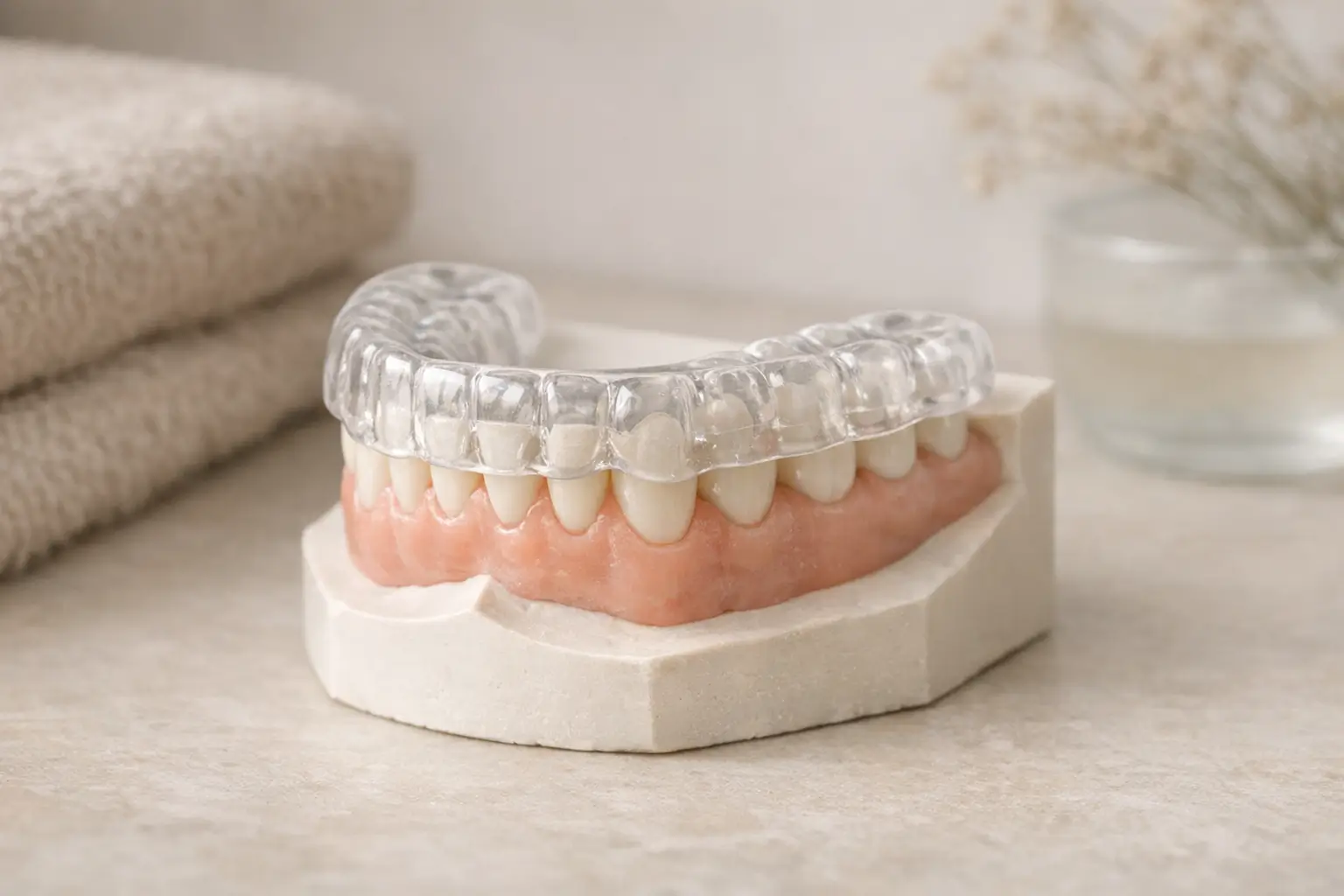
Enter the night guard, the mouth’s protective gear. Custom guards cost more but distribute force better and last longer than boil-and-bite versions. A 2024 case report by Roy and Sherry showed bony outgrowths shrinking after a patient wore a guard nightly for eight months and reduced her stimulant dose. For more on choosing the right mouth guard, consider our comprehensive guide on bruxism mouth guards.
Other devices include mandibular advancement devices (MADs) that slightly pull the jaw forward. Though better studied for sleep apnea, some dentists use them for severe grinding, especially when micro-arousals overlap with mild airway collapse.
If you have implants or veneers, guards move from “optional” to “essential.” Porcelain and zirconia do not heal like enamel.
Medications and Adjustments
Sometimes adjustments to ADHD treatment are necessary. Switching from amphetamine to methylphenidate or lowering the daily dose reduces grinding in many patients. Your clinician may also prescribe a bedtime non-stimulant like clonidine, which reduces norepinephrine and muscle tone.
Muscle relaxants like cyclobenzaprine appear in forums, but evidence is limited. They can also cause morning drowsiness, defeating the purpose of ADHD treatment. Use only under medical supervision. If you're considering muscle relaxants, explore their effectiveness for bruxism.
Cognitive-behavioral therapy (CBT) for stress and anxiety can indirectly reduce grinding. Smirnova et al. in 2023 reviewed psychological aspects of tooth wear and found that addressing worry decreased clenching episodes by up to 30 percent, regardless of stimulant dose.
Finally, coordinate with your dentist and prescriber. Many patients assume each provider works in isolation. Joint communication often reveals dosage timing adjustments that neither considered alone.
Broader Health Implications of ADHD Medication-Induced Bruxism
You might think, “So I grind. Worst case, I buy a guard, right?” Not quite. Chronic bruxism can lead to dental, muscular, and even cardiovascular issues.
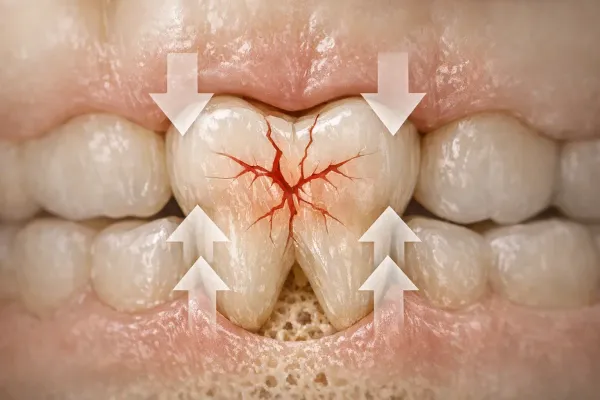
Starting with the mouth: enamel erosion, fractured fillings, gum recession. The umbrella review by Kang et al. linked bruxism to a twofold increase in costly restorative work over five years.
Moving to the face: temporomandibular joint (TMJ) dysfunction, headaches, and neck pain. Grinding keeps jaw muscles in a micro-workout all night, leading to tightness and soreness. Physical therapists now offer targeted myofascial release for masseter and temporalis muscles, a treatment once reserved for athletes with jaw injuries.
Zooming out to systemic health: a pharmacovigilance analysis by Cho et al. in 2024 explored cardiovascular signals in ADHD medication users. While the paper focused on arrhythmias, it noted that bruxism can increase catecholamine levels, nudging blood pressure upward. It's a small number now, but enough to keep an eye on your heart if grinding persists.
There's also the psychological toll. Fragmented sleep, sore jaws, and dental bills add to the existing ADHD stress. Addressing bruxism is not just about vanity; it’s part of holistic care.
Conclusion
You came here wondering whether the tablets that sharpen your mind might be dulling your molars. The evidence says yes, stimulants raise the odds of grinding by roughly two to three times compared to the general population. The mechanism involves a mix of dopamine spikes, muscle tension, and lighter sleep.
The story doesn't end at the dentist. Monitoring for bruxism helps protect your teeth, joints, wallet, and peace of mind. Strategies range from dose timing and relaxation exercises to night guards and, if needed, medication adjustments. Work with both your prescriber and your dentist; they are two sides of the same bruxism coin. For many, a few well-planned tweaks turn relentless jaw activity into background noise, letting the benefits of ADHD treatment shine.
Knowledge beats surprise dental bills every time. Now you know, and your jaw can thank you later.