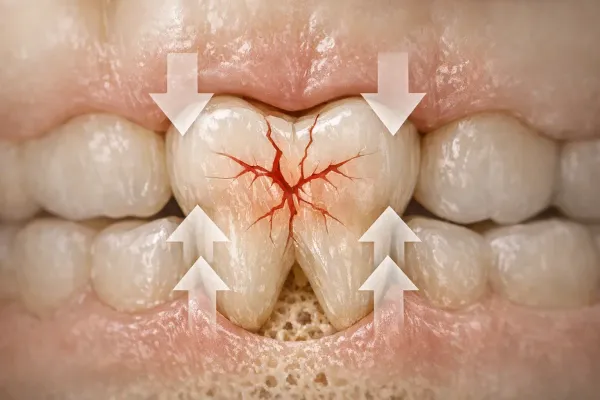
Comparing CBT for Bruxism with Mindfulness Techniques
Explore how CBT and mindfulness help manage bruxism effectively.
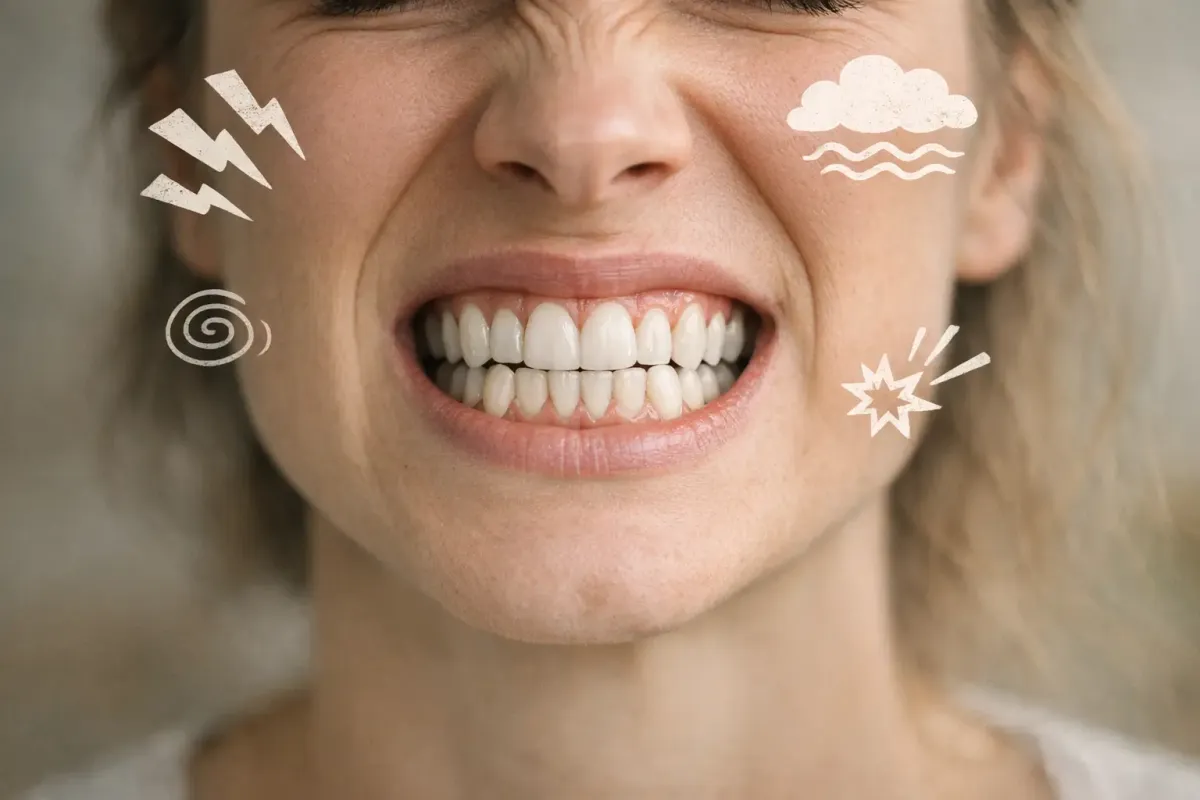
Grinding your teeth may sound like a harmless quirk, but it can damage your jaw, disrupt your sleep, and even hit your wallet (hello, cracked crown). If you're here, you probably know bruxism is more than just a noisy habit. The key is how to manage it without wearing a mouth guard around the clock. Two popular brain-based approaches—Cognitive Behavioral Therapy (CBT) and mindfulness—are frequently mentioned in research and online searches. Let’s explore the science in clear terms.
Understanding Bruxism and Its Impact
Defining Bruxism
Bruxism involves clenching, grinding, or gnashing your teeth unintentionally. Dentists categorize it into two types:
- Awake bruxism – Daytime jaw clenching, often due to stress, concentration, or too much caffeine.
- Sleep bruxism – Automatic grinding during sleep, often linked with snoring or other sleep disorders.
The condition is fairly common. A review of pediatric cases estimated that sleep bruxism affects up to 49 percent of kids Leung et al. 2024. Adults fare slightly better, with about 15 percent experiencing regular grinding, according to the American Dental Association. Awake bruxism is more common in women, while sleep bruxism affects all genders equally.
Researchers still debate the exact cause of bruxism, but most agree it involves genetics, neurochemistry, and environmental triggers. Factors like dopamine imbalances, micro-arousals during REM, misaligned bites, certain antidepressants, and high-stress personalities can all contribute. One study found a fourfold increase in sleep bruxism episodes on nights when subjects consumed alcohol and caffeine after 6 p.m., highlighting the impact of lifestyle choices.
Effects on Health
Occasional jaw tightening is no big deal, but chronic bruxism can lead to:
- Dental damage – Chips, fractures, and flattened cusps that require expensive repairs.
- Myofascial pain – Aches in the face, neck, and shoulders that can mimic migraines.
- Temporomandibular disorders (TMD) – Popping joints and limited mouth opening. Bruxism is a major risk factor for TMD flare-ups.
- Sleep disruption – Micro-arousals that affect REM sleep and cause grogginess.
- Quality-of-life issues – Anxiety about jaw pain or embarrassment from the noise at night.
Financially, the cost of dental repairs can be significant. The average ceramic crown can cost $1,200–$1,800, and insurance often covers only part of that. Multiple teeth or repeated damage can quickly add up.
Given these challenges, researchers are exploring behavioral methods that go beyond plastic splints.
What is Cognitive Behavioral Therapy (CBT) for Bruxism?
How CBT Works
CBT is like a Swiss Army knife for the mind. It includes:
- Cognitive restructuring – Identifying and changing unhelpful thoughts, such as “If I don’t clench, I can’t focus,” into more realistic alternatives.
- Behavioral skills training – Techniques like relaxation drills and habit-reversal cues to break the clench-grind cycle.
- Homework – Keeping a diary of triggers, practicing jaw relaxation during the day, and monitoring tension levels.
Why use a therapy known for depression to help your jaw? Bruxism often accompanies stress, perfectionism, and poor sleep hygiene—issues that CBT addresses directly.
Some CBT programs use portable EMG biofeedback. Small electrodes near your jaw muscles alert you when tension exceeds a threshold, helping retrain your brain to relax. This “operant conditioning lite” can speed up habit reversal for those who like measurable goals.
Benefits of CBT
What specific benefits does CBT offer for bruxism?
- Targeted habit reversal – Learn to detect pre-clench muscle tension and switch to a “lips together, teeth apart” posture.
- Stress reduction – CBT’s coping-skills modules lower baseline anxiety, a known trigger for both awake and sleep bruxism.
- Long-term effects – Rewiring thought-behavior connections means benefits often last beyond short-term solutions.
- Integration with dental care – CBT complements splints or Botox, addressing stress while dental solutions protect teeth.
CBT for bruxism is typically delivered in six to ten weekly sessions, either in-person or via telehealth. Costs vary, but many insurance plans cover it under behavioral health.
Real-world snapshot: Karen, a 38-year-old software manager, turned to CBT after cracking a molar. Her therapist helped her identify thought patterns like “deadline = jaw lock.” With reminders to relax and exercises for Zoom breaks, Karen reduced her clenching frequency by 68 percent within three months, delaying the need for a costly crown redo.
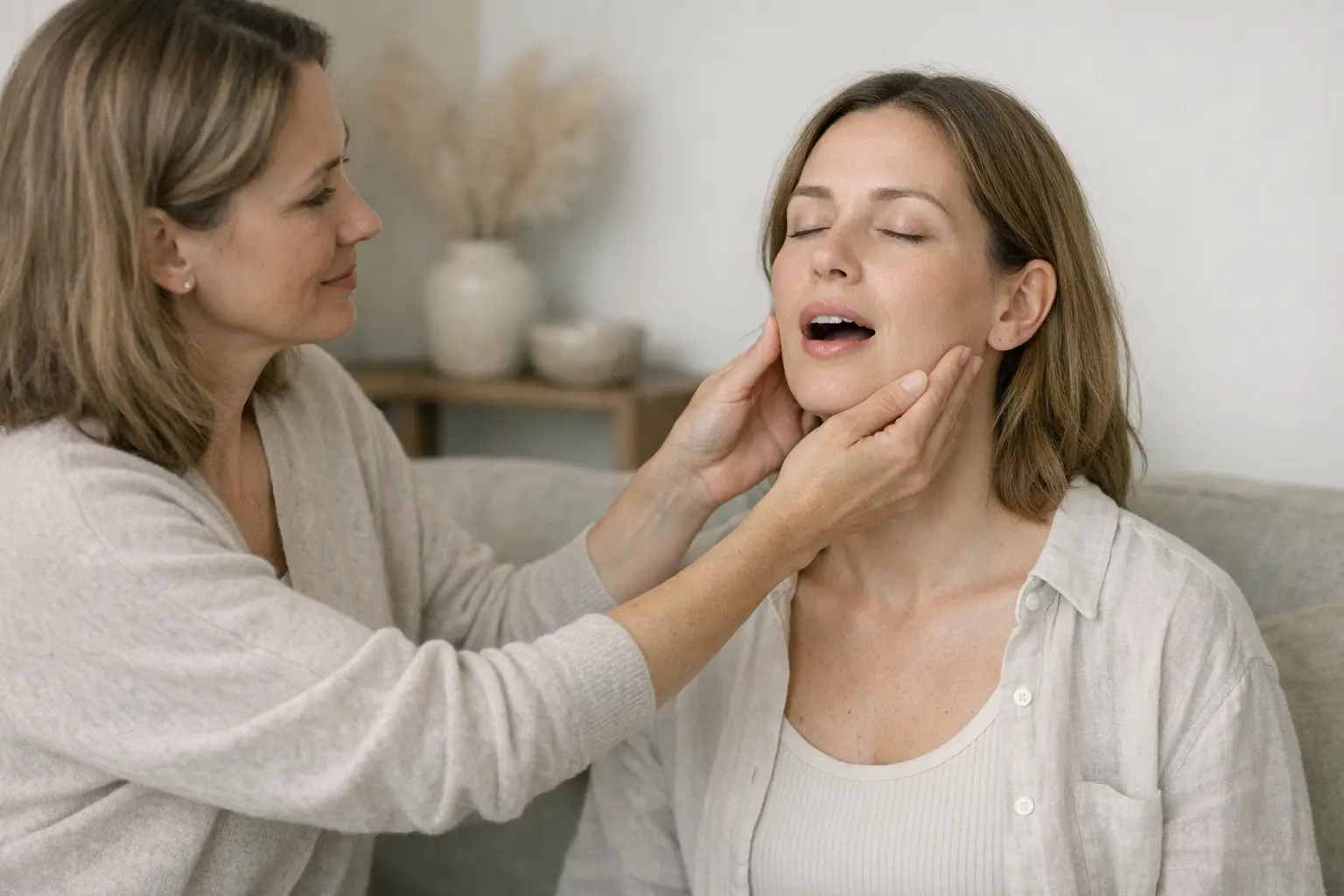
Exploring Mindfulness Techniques for Teeth Grinding
Mindfulness Practices
Mindfulness involves paying attention to the present moment without judgment. Common practices include:
- Breath-focused meditation – Following inhales and exhales for 5-10 minutes.
- Body-scan exercises – Noticing tension from toes to forehead.
- Informal mindfulness – Checking jaw position before emails, meals, or calls.
Many apps offer guided sessions, but you can also use a timer. The National Center for Complementary and Integrative Health provides free audio scripts.
Benefits of Mindfulness
How does mindfulness reduce grinding? Several mechanisms are at play:
- Reducing stress – Lowers cortisol and nervous system activity, reducing muscle tension.
- Improving awareness – Noticing subtle jaw pressure early allows you to relax before damage occurs.
- Enhancing sleep – Evening meditation can improve sleep quality, reducing bruxism triggers.
Research supports these benefits. A study found that higher mindfulness levels correlated with fewer awake-bruxism incidents Matoso-Filho et al. 2026. Another study showed mindfulness reduced daytime clenching with phone reminders Prado-E-Silva et al. 2025. A pediatric trial found bedtime mindfulness halved grinding episodes Amaral et al. 2025.
Mindfulness is inexpensive and portable. However, it requires regular practice, which can be challenging. Setting small goals, like taking mindful breaths during notifications, can help make it a habit.
Comparing CBT and Mindfulness: Which is More Effective?
Research Comparisons
Direct comparisons for bruxism are limited, but we can examine similar pain and stress conditions. A study on chronic back pain compared CBT to an eight-week mindfulness course. Both reduced pain, but CBT was more effective for functional improvement, while mindfulness excelled at emotional regulation Zgierska et al. 2025. In the context of bruxism:
- CBT – May provide faster symptom relief by targeting jaw habits.
- Mindfulness – Offers broader stress resilience, potentially preventing relapse.
Both approaches have challenges. CBT often requires a therapist and scheduled sessions, while mindfulness depends on self-motivation. Cost and accessibility may influence your choice. Some workplace programs sponsor mindfulness apps, while CBT might be covered by insurance.
Personalized Approaches
Your choice may depend on:
- Symptom type – Daytime clenching during focused tasks may respond better to CBT. Nighttime grinding linked to anxiety might benefit from mindfulness.
- Learning style – Hands-on problem solvers may prefer CBT, while reflective types might enjoy meditation.
- Time commitment – If weekly sessions are impossible, start with short mindfulness exercises.
- Comorbidities – Conditions like depression may favor CBT, while chronic pain may respond to mindfulness.
Remember, you don’t have to choose just one. Many clinicians combine both approaches for comprehensive care.
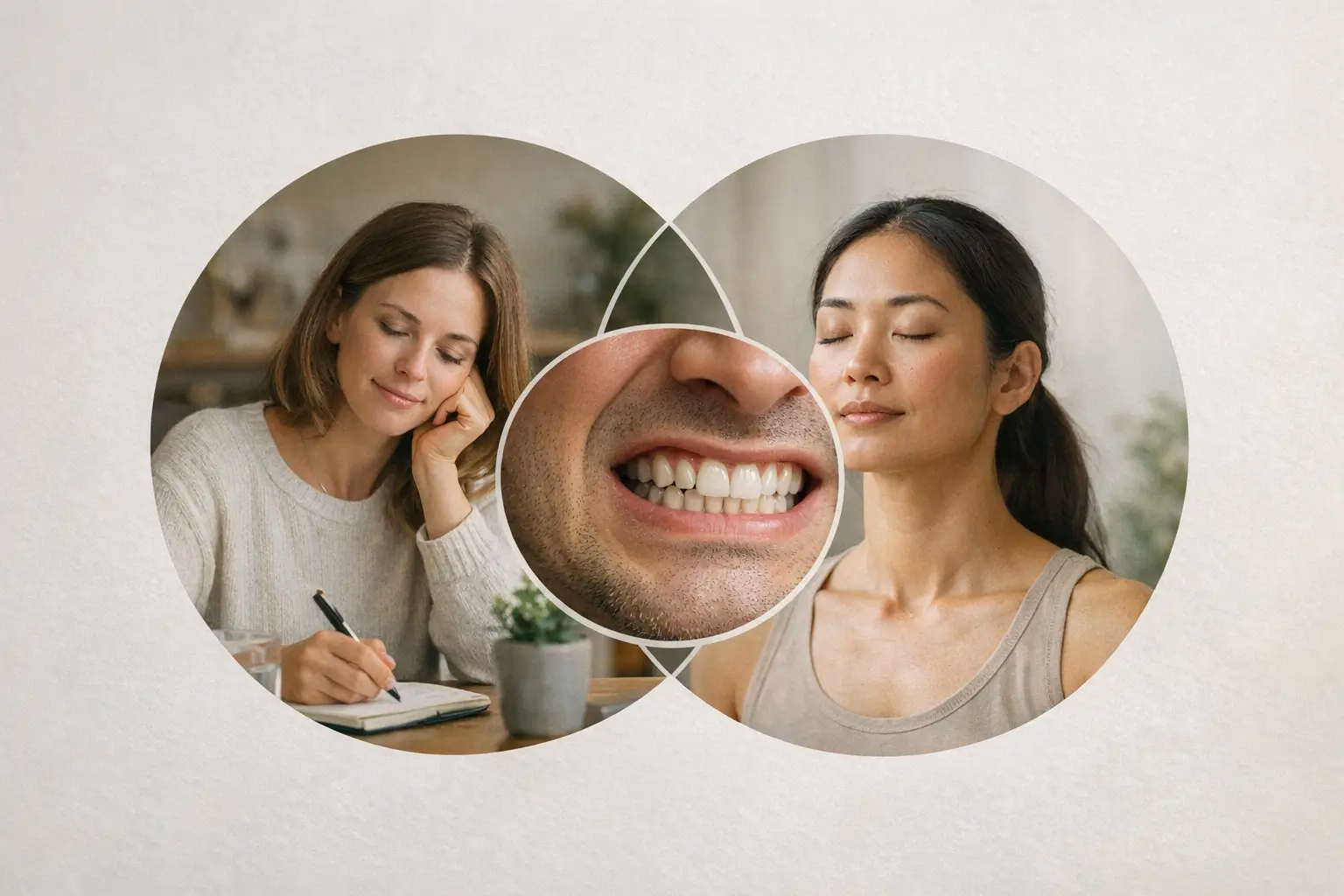
Integrating Relaxation Techniques for Optimal Results
Combining Methods
Why choose one tool when you can build a toolkit? A trial compared a splint alone to a combination of sleep-hygiene advice and progressive muscle relaxation (PMR). The combo group reported less stress and fewer grinding events Tandon et al. 2025. This suggests that combining techniques can enhance results.
Here’s how a combined approach might look:
- Morning – Two-minute mindfulness check-in to set a relaxed jaw baseline.
- Midday – CBT habit reversal: sticky note on monitor reading “Teeth apart?”
- Afternoon slump – 60-second PMR for face and neck, plus a water break (hydration helps relax muscles).
- Evening – Low-light body scan before bed, followed by wearing a custom splint if prescribed.
Ergonomic & Lifestyle Tweaks
Behavioral tools work best when physical environments support them. Simple changes can reduce jaw tension by 10–20 percent, as shown in a small pilot study:
- Monitor height – Top third of screen at eye level reduces chin jutting.
- Keyboard angle – Neutral wrists prevent shoulder tension, which can affect jaw muscles.
- Noise-canceling headphones – Reduce ambient stress, minimizing jaw tension.
- Chew audit – Replace hard foods with softer snacks to ease pressure on teeth.
Creating a Personal Plan
Follow these steps to create a plan you’ll stick with:
- Track your baseline – Note clenching times or morning jaw pain. Patterns often emerge within a week.
- Set realistic goals – Aim for measurable targets, like reducing daytime clenching by 30 percent in four weeks.
- Choose two core techniques – For example, a CBT diary and five-minute meditation. Add more only once these are routine.
- Schedule practice – Treat sessions like appointments, not vague intentions.
- Reassess monthly – Compare new data with your baseline. Adjust what’s not working and celebrate successes.
Need support? Dentists familiar with behavioral dentistry, psychologists trained in CBT, and online mindfulness communities offer accountability. The Association for Behavioral and Cognitive Therapies (ABCT) directory or vetted meditation apps like Headspace can help start your journey.
Conclusion: Finding the Right Approach for You
Bruxism is complex. Mechanical aids protect your teeth, while brain-based tools like CBT and mindfulness address underlying causes. CBT helps by changing thought patterns and jaw behaviors. Mindfulness calms the nervous system and enhances body awareness. Research from related fields indicates either approach can help, and combining them may offer the best results.
Start small and iterate. It could be a sticky note on your laptop, a brief breathing drill, or a weekly telehealth session. Your lifestyle, symptoms, and motivation will guide your choices. Keep your journey flexible, track your progress, and don’t hesitate to mix methods until the nightly grind is a thing of the past.