Dry Needling for TMJ: An Innovative Approach to Jaw Pain Relief
Explore dry needling as a novel TMJ pain relief method, its benefits and limitations.
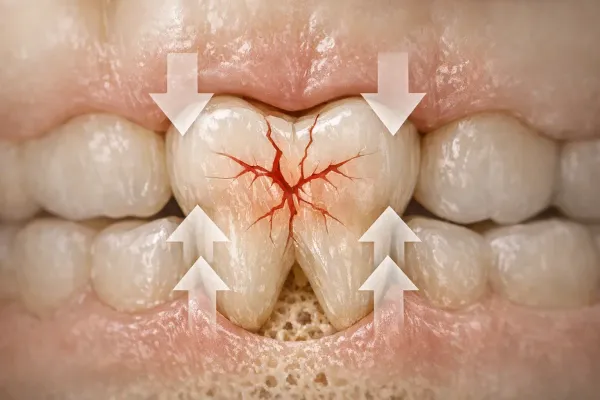
You might clench your jaw hard enough to crack a walnut, but the mystery of why it hurts every morning remains unsolved. Bruxism, stress, or perhaps too much screen time—whatever the cause, temporomandibular joint (TMJ) pain can disrupt your day. While mouthguards and muscle relaxants often take the spotlight, recent research introduces dry needling as a promising intervention for TMJ pain relief. It involves a simple thin needle and might help you chew, speak, and sleep comfortably.
This article explores the science of dry needling, compares it to other TMJ treatments, and helps you decide if it should be part of your pain-relief plan. Get ready to learn about modern trigger-point care.
Understanding TMJ Disorders and Jaw Pain
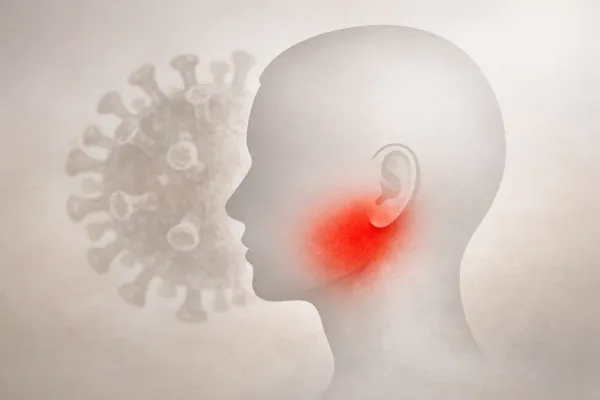
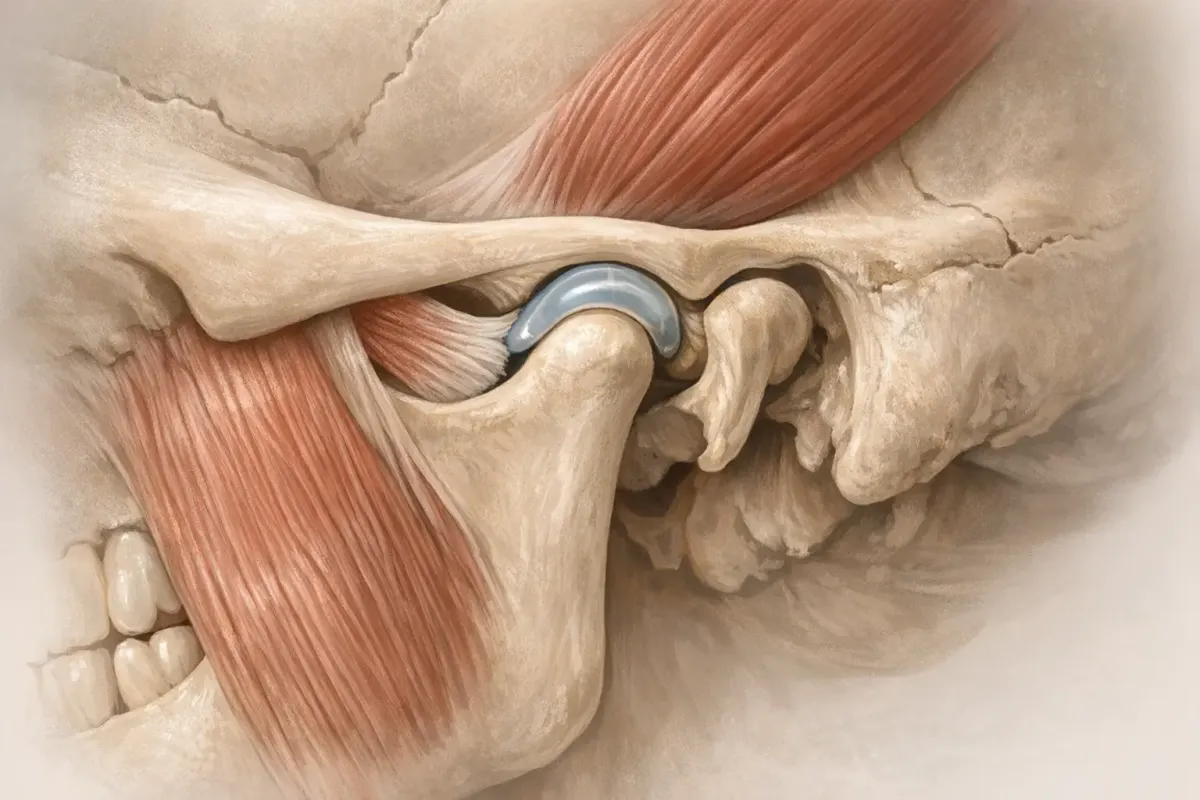
The temporomandibular joint, commonly known as the TMJ, connects your lower jaw to your skull. It allows you to talk, chew, and yawn, making it one of the most active joints in your body. TMJ disorders (TMD) occur when this joint or its muscles malfunction. Common causes include teeth grinding, arthritis, trauma, and poor posture.
Imagine a software developer working late, jaw clenched with each error. By morning, her jaw feels sore, despite no memory of grinding. This scenario is typical for myogenous TMD, which is often fueled by stress and poor ergonomics. Whether you're a musician, call-center worker, or athlete, repetitive strain can overwork your jaw muscles.
Symptoms include clicking sounds, earaches, headaches, or limited mouth opening. According to a 2025 review by Nieves Del Rio et al., TMD affects up to 15% of adults, with women being more affected. Muscle-based pain is the most common, often linked to trigger points in the jaw muscles.
If you chew on pen caps, slouch over a laptop, or wake with headaches, you may be overworking your jaw muscles. Without intervention, this can lead to chronic pain and limitations, affecting everyday activities like eating and dental visits.
Traditional treatments include NSAIDs, splints, physical therapy, and cognitive techniques. However, some patients seek alternative methods like low-level laser, platelet-rich plasma (PRP), kinesio taping, and dry needling.
Dry needling targets muscle components of TMD. By inserting a needle into a trigger point, it aims to reset electrical activity, improve blood flow, and reduce pain. Let's clarify what dry needling is and isn't before diving into the details.
What is Dry Needling?
Dry needling is a therapy using a thin needle to stimulate trigger points, connective tissue, or periosteum. The term "dry" highlights that no substances are injected. Although it resembles acupuncture needles in size, the intent is different.
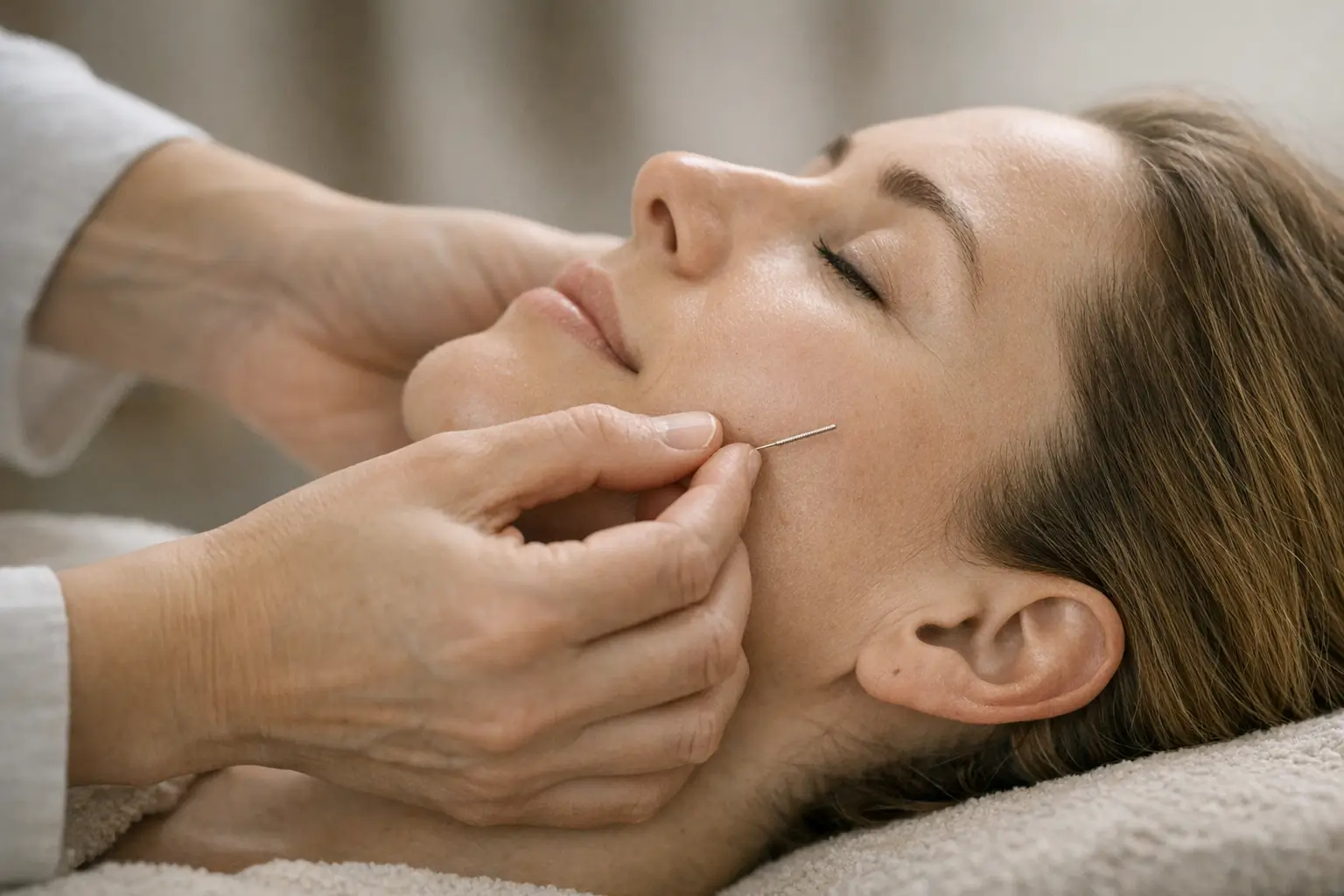
A TMJ dry-needling session begins with palpation while you clench to identify trigger points. You lie on your back with neck support and goggles to protect your eyes. The first needle may cause a quick sensation that fades, followed by a pleasant heaviness. Expect two to ten needles, based on findings.
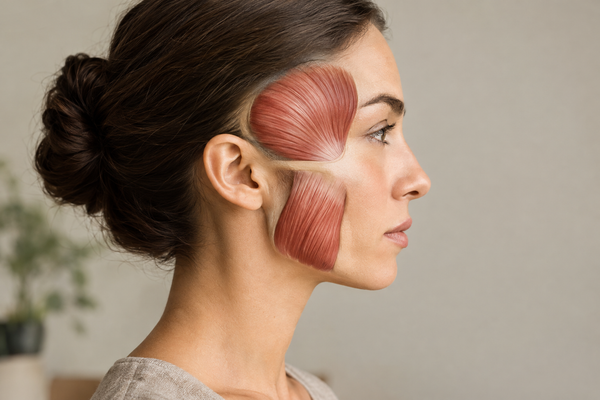
- Superficial and deep masseter heads
- Anterior, middle, and posterior temporalis fibers
- Medial and lateral pterygoids (via intra-oral approach)
- Sternocleidomastoid and upper trapezius (for referral patterns)
Dry Needling vs. Acupuncture
- Acupuncture focuses on balancing qi along meridians in Traditional Chinese Medicine.
- Dry needling targets taut bands of muscle fibers using Western anatomy and neuromuscular science.
Both use sterile needles, but dry needling often causes a twitch response—a quick muscle contraction. According to the American Physical Therapy Association, dry needling is often paired with exercise and manual therapy for optimal results.
Clinically, dry needling has been studied for neck pain, shoulder impingement, and headaches. For instance, a 2025 trial by Akkus demonstrated pain reduction in patients with trigger points. Though focused on different body parts, the mechanism is the same: disrupting muscle fibers and modulating pain.
The Role of Dry Needling in TMJ Pain Relief
How does needling the masseter or temporalis muscle relieve jaw pain? The answer lies in local and central changes triggered by the needle.
Mechanism of Action
- Mechanical disruption: The needle breaks up dysfunctional motor end plates and contractures inside a trigger point, leading to a local twitch. This may restore normal muscle length and tension.
- Neurochemical modulation: Dry needling can decrease pain-related chemicals like substance P and increase beta-endorphin levels.
- Blood flow boost: The needle attracts fresh blood and nutrients, supporting tissue repair.
- Central desensitization: Reducing nociceptive input can ease facial tension by calming hyper-excitable neurons.
The 2025 review by Khayamzadeh et al. pooled data from clinical studies, finding moderate-quality evidence that dry needling reduces pain and increases mouth opening compared to no treatment. Benefits emerged within four sessions, a short timeframe compared to other treatments.
Complementing this, a 2024 trial by Dunning et al. showed that combining dry needling with cervical manipulation led to superior pain reduction at eight weeks versus manipulation alone. The study involved 102 patients with myogenous TMD and recorded a 55% drop in pain scores.
Dry needling sessions for TMJ usually last 15–30 minutes. Needles are placed along the masseter, temporalis, or cervical muscles contributing to jaw dysfunction. Post-session soreness is common but fades within 24–48 hours. Gentle jaw stretches, ice, and avoiding chewy foods can help minimize discomfort.
Comparing Dry Needling to Other TMJ Treatments
Your healthcare provider may have suggested several options. Here's how dry needling compares.
Dry Needling vs. Kinesio Taping
Kinesio taping uses elastic strips for support and improved proprioception. A trial by Duran et al. divided 60 TMD patients into three groups: dry needling, kinesio taping, and a combination. The dry needling group reported greater pain reduction and better mouth opening than the taping group. Combining both offered no significant added benefit, suggesting needling's mechanical stimulus plays a key role.
Dry Needling vs. Platelet-Rich Plasma (PRP)
PRP involves injecting concentrated platelets into the joint. While promising, PRP is more invasive and costly. Rani et al. compared PRP and dry needling for myofascial pain, finding both improved but dry needling reached relief faster and requires no venipuncture.
Dry Needling vs. Conventional Therapies
- Splints and mouthguards: Effective for bruxism but less so for muscle trigger points.
- Medication: NSAIDs and muscle relaxants offer relief but may have side effects.
- Physical therapy exercises: Helpful, though progress may be slow without addressing trigger points.
Dry needling offers local precision. However, it may cause temporary soreness, mild bleeding, and rare risks if performed by an untrained provider.
Cost, Access, and Convenience
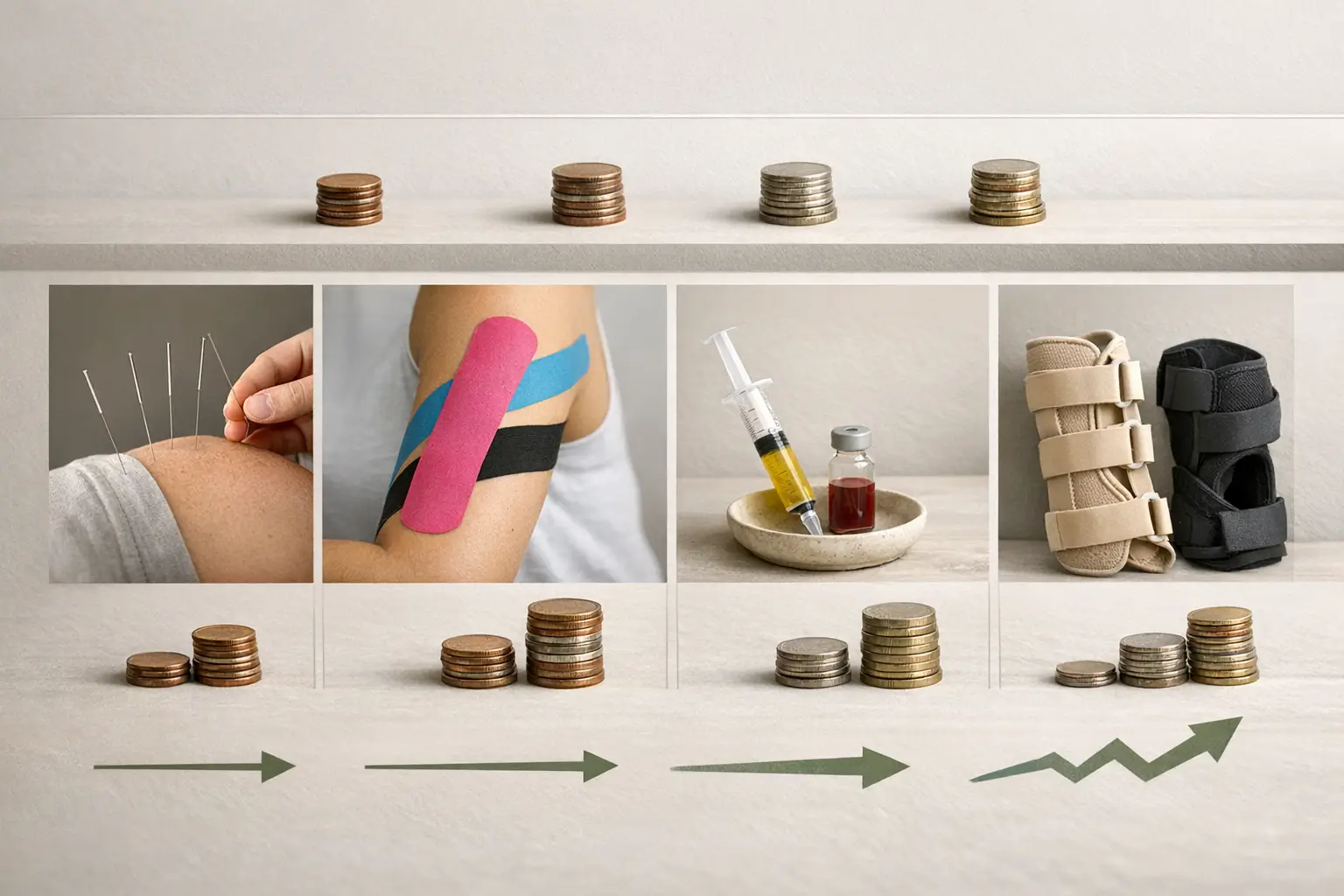
Dry needling sessions range from $50 to $150, depending on location and provider. Insurance coverage is variable. Kinesio taping is cheaper, while splints—though expensive upfront—last years. PRP can exceed $1,000 per injection. If you're cost-sensitive and tolerate needles, dry needling is a middle-ground option. Many clinics offer package deals with physiotherapy to reduce costs.
Current Research and Clinical Findings
Let's review the data you might discuss in your next appointment.
Systematic Reviews
The 2025 systematic review by Khayamzadeh et al. examined pain, function, and adverse events in 412 participants. Authors concluded that dry needling is "probably effective" for short-term relief, though variations in protocols limited firm conclusions. Standardized dosing is needed for better reproducibility.
Randomized Controlled Trials (RCTs)
- Dunning et al. found significant improvements in pain and disability, with effects lasting at three months.
- Duran et al. highlighted dry needling's superiority over kinesio taping for immediate relief.
- A 2023 Iranian RCT by Hosseinpour et al. compared dry needling to a sham treatment and noted a 40% reduction in masseter activity, indicating muscle relaxation.
These findings align with everyday practice. A survey of 240 dental practitioners by Mehmood and Zehra reported growing acceptance, with 62% performing or referring for dry needling.
Research Gaps
Most trials have small samples and short follow-ups. Key gaps include:
- Long-term efficacy beyond six months.
- Comparative trials with intra-articular injections or botulinum toxin.
- Standardized treatment protocols for needle use.
Future research may use imaging to map trigger points and track changes post-needling. Until then, clinicians rely on palpation, patient feedback, and encouraging RCTs.
Considerations and Limitations
Dry needling isn't a universal fix. You might be a good candidate if:
- Your primary symptom is muscle-based jaw pain or tightness.
- You use a splint or exercise program but have hit a plateau.
- You tolerate needles and short-term soreness.
Contraindications include bleeding disorders, anticoagulant therapy, local infection, uncontrolled diabetes, or pregnancy. Discuss your medical history before treatment.
Safety data is reassuring. In the review by Khayamzadeh et al., adverse events were mild, mainly bruising or aching. However, the jaw contains critical structures, so practitioner training is crucial.
Ask these questions:
- Are you licensed and trained in facial dry needling?
- How many TMJ cases have you treated?
- What sterilization procedures do you follow?
Aftercare is essential. Most clinicians recommend:
- Gentle jaw exercises every two hours for 24 hours.
- Staying hydrated to flush metabolic by-products.
- Avoiding chewy foods for the day.
- Applying moist heat if soreness persists beyond 48 hours.
The National Center for Complementary and Integrative Health advises using single-use, sterile needles to minimize infection risk.
Conclusion: Is Dry Needling the Right Choice for You?
Dry needling provides a targeted, evidence-supported approach for muscle-driven TMJ pain. It can alleviate discomfort and improve mouth opening faster than some conventional options. Yet it's not magic. Realistic expectations, skilled application, and a comprehensive rehab plan—think posture drills, stress management, and perhaps that mouthguard your dentist recommends—are crucial.
If you're interested, consult your dentist, physical therapist, or orofacial pain specialist. Weigh cost, convenience, and your needle tolerance. When done by a trained professional, dry needling could help your jaw muscles finally relax, allowing you to crack walnuts only when you want to.