Can Diet Influence Bruxism? Foods to Avoid and Include
Explore how diet affects bruxism, highlighting foods that may trigger or alleviate teeth grinding.

If your jaw feels like it bench-pressed a truck while you slept, you are not alone. Teeth grinding and clenching, known as bruxism, affects roughly one in ten adults and an even higher share of children. Most articles blame stress, but an overlooked factor is the food and drinks you consume daily. Emerging evidence suggests that what you eat can influence bruxism intensity. In this article, we explore the science behind diet and bruxism, identifying foods that may trigger or alleviate teeth grinding, and offering lifestyle tips to complement dietary changes.
This article reviews the research on diet and bruxism, highlighting foods that may exacerbate the condition and nutrients that might help ease it. You'll also find lifestyle tweaks that pair well with a nutrition makeover. Ready to let your jaw muscles relax? Read on.
Understanding Bruxism: Causes and Symptoms
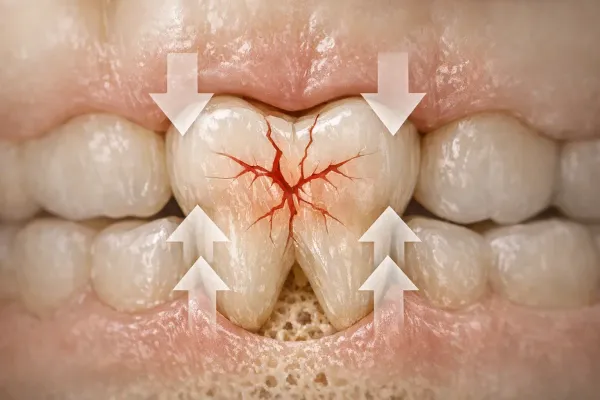
Bruxism is the medical term for repetitive jaw-muscle activity that results in clenching or grinding of the teeth. It occurs in two main forms: awake bruxism and sleep bruxism. The sleep version is sneakier because you rarely notice it until your dentist mentions worn enamel or your partner complains about the noise.
Research estimates the prevalence of sleep bruxism at around 10 percent of adults and up to 20 percent of children, although numbers vary based on study definitions. For instance, a 2025 study by Restrepo-Serna et al. used parental reports and home sleep recordings to identify children who grind, landing at 18 percent. Meanwhile, a 2025 study by Martynowicz et al. using polysomnography found the adult rate closer to 12 percent in those with sleep apnea.
Common symptoms include:
- Audible grinding detected by a sleep partner
- Flattened, chipped, or loose teeth
- Sore jaw muscles or stiffness in the morning
- Frequent headaches, especially around the temples
- Ear pain or a feeling of fullness in the ears (no infection present)
The precise cause of bruxism is still up for debate, but most experts believe it is multifactorial. Stress and anxiety are frequent culprits, as is poor sleep quality. Lifestyle habits like heavy alcohol use, smoking, and high caffeine intake have also been linked to bruxism. Genetics, certain medications, and sleep disorders such as obstructive sleep apnea can increase your risk.
Jaw or bite misalignment is another potential contributor. If your upper and lower teeth do not align evenly, your brain may signal the muscles to adjust by grinding. While orthodontics is not always necessary, it is worth asking your dentist for an occlusal assessment if you wake up with aching jaw muscles.
Diet has started to enter the conversation. Researchers noticed that people who consume lots of sugar-sweetened drinks or energy beverages tend to grind more. In children, the combination of screen time and sugary diets worsened the problem, according to the study by Restrepo-Serna. The hypothesis is that diet can influence brain chemistry, muscle tone, and sleep architecture, all affecting bruxism intensity.
The Role of Diet in Bruxism
The relationship between food and teeth grinding is not straightforward, yet mounting evidence suggests a link. Diet can influence bruxism in several ways: by creating nutritional gaps that affect muscle and nerve function, by altering neurotransmitter levels through sugar and caffeine, and by reinforcing stress-driven eating habits that disrupt sleep.
Nutritional Deficiencies and Bruxism
Your jaw muscles need a steady supply of minerals and vitamins to function properly. Magnesium and calcium regulate muscle excitability, while vitamin D helps your body absorb calcium efficiently. Deficiencies in these nutrients can lead to muscle cramps or twitching.
In dentistry circles, magnesium deficiency is a talking point because it may increase muscle tension. A review on oral health therapies by Liye An et al. noted that magnesium supplementation reduced muscle hyperactivity in small pilot trials. Although preliminary, these findings align with sports medicine insights about athletes experiencing muscle cramping.
For instance, Dana, a 34-year-old graphic designer, tracked her diet for a week after her dentist noticed bruxism damage. She found she was consuming only half the recommended magnesium intake. By replacing her nightly instant noodles with a lentil-and-spinach soup, she increased her magnesium intake by 160 mg, easing her morning jaw tightness within a month.
The Impact of Sugar and Caffeine
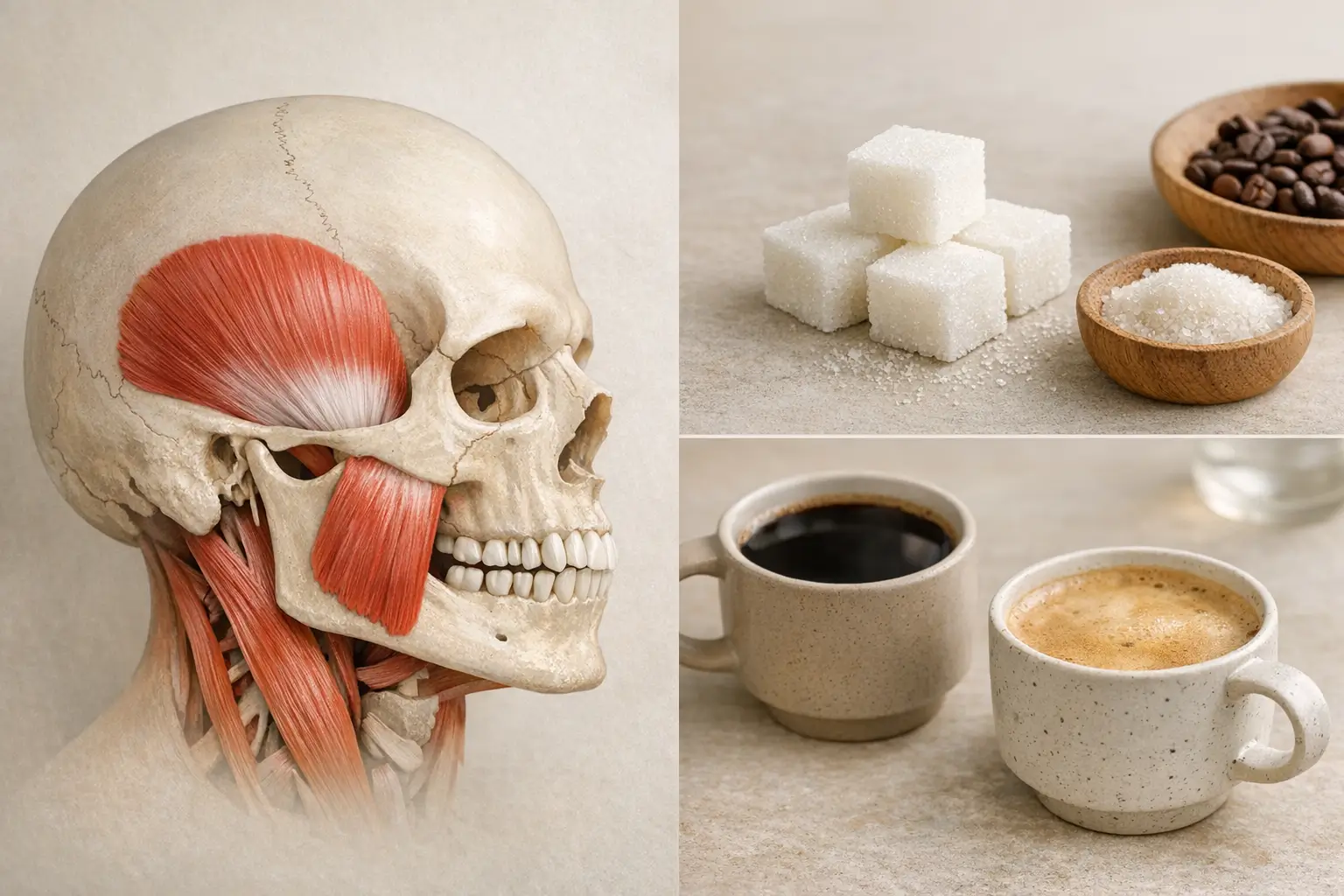
If you rely on soda and cold-brew coffee, your brain's dopamine and adrenaline spikes may keep your jaw on high alert at night. Sugar causes rapid blood glucose swings, prompting insulin and stress hormone surges. Caffeine blocks adenosine receptors, making you feel awake longer but also shortening deep sleep stages, where muscle relaxation peaks.
The randomized trial on children with bruxism showed that halving sugar intake led to fewer grinding episodes over eight weeks. Screen time was reduced too, but the sugar reduction had the largest impact, according to Restrepo-Serna et al.
Gut health plays a role as well. Diets high in refined carbs can disrupt the gut microbiome, which communicates with the brain through the gut-brain axis. The resulting low-grade inflammation may amplify stress responses, according to the review by Liye An and colleagues. Stress heightens clenching, creating a feedback loop.
Foods That May Trigger Bruxism
Not all foods increase jaw tension, but certain categories are frequently implicated in studies. Below are some common offenders.
Sugary Snacks
Cookies, candies, soda, and sweet breakfast cereals are quick to digest, causing blood sugar spikes. The resulting glucose fluctuations can disrupt sleep and increase nervous system activity, triggering grinding.
The pediatric trial by Restrepo-Serna et al. found that reducing sugary drinks by 50 percent decreased sleep bruxism episodes by about a third. While the study involved children, adults are not immune to sugar's metabolic effects. The Mayo Clinic also advises limiting sweets to manage clenching.
Sugar drives neurotransmitter shifts. High glucose loads increase dopamine release followed by a crash, leading to restlessness and muscle over-activation during sleep. For dessert, consider fruit paired with protein or fat to moderate glucose surges.
Caffeinated Beverages
Coffee, tea, energy drinks, and some sodas contain caffeine and often added sugar. Caffeine, a stimulant, shortens deep sleep stages where jaw muscles normally relax. It also raises catecholamine levels—your body's fight-or-flight chemicals.
Adults consuming over 400 milligrams of caffeine a day (about four cups of coffee) report higher rates of jaw clenching, according to surveys by the American Dental Association. Although clinical trials are scarce, the mechanistic reasoning is solid: more adrenaline means more muscle tension during sleep.
If cutting coffee feels difficult, set a caffeine curfew. Stop by 2 p.m. so most of it clears your system before bedtime. Opt for herbal tea or decaf in the evening.
Alcohol also deserves mention. A nightcap may help you fall asleep, but it fragments REM sleep and increases airway resistance, both of which can provoke grinding. Limit yourself to one drink with dinner and follow it with water.
Foods That May Alleviate Bruxism
Just as certain foods can exacerbate bruxism, others may help calm your jaw. These foods mainly supply minerals and vitamins that support nerve signaling and muscle relaxation.
Magnesium-Rich Foods
Magnesium acts like a natural calcium channel blocker, reducing nerve excitability. Low magnesium levels correlate with muscle twitching and cramps. A case series in the tooth-wear literature by Dietschi noted that magnesium supplementation, combined with oral appliances, reduced enamel loss over six months.
Top magnesium foods include:
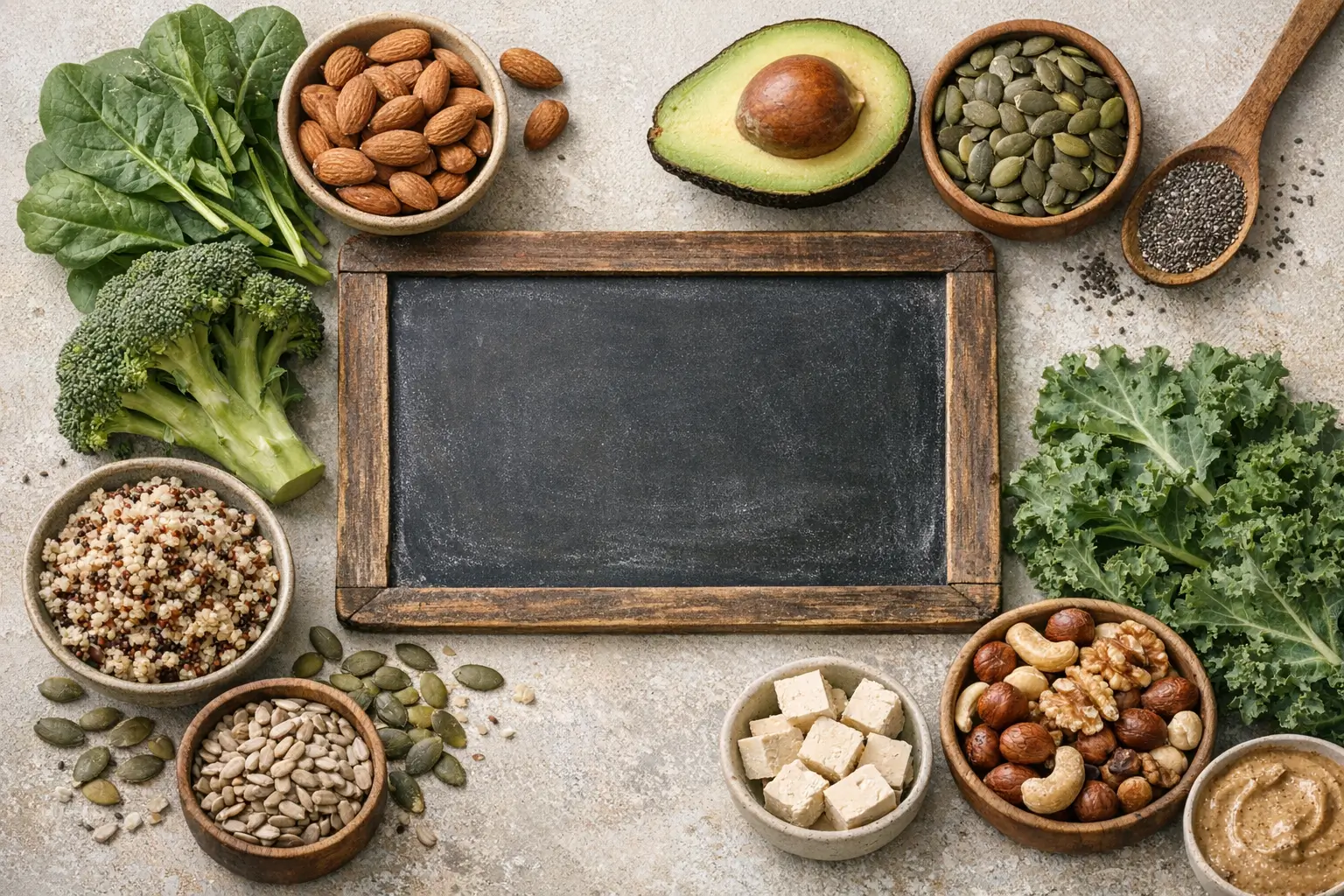
- Leafy greens such as spinach and Swiss chard
- Nuts and seeds, especially pumpkin seeds and almonds
- Legumes like black beans and lentils
- Whole grains such as quinoa and brown rice
- Dark chocolate with at least 70 percent cocoa (in moderation)
A practical target is 310–420 mg daily, depending on age and sex. Two cups of cooked spinach plus a handful of almonds get you most of the way there.
Try blending a "jaw-friendly" smoothie: one banana, a cup of spinach, two tablespoons of almond butter, and oat milk. It provides about 180 mg of magnesium, stable glucose, and calming tryptophan.
Calcium and Vitamin D
Calcium supports muscle contraction, while vitamin D ensures effective calcium absorption. Low vitamin D status has been linked to muscle pain and weakness, which could worsen bruxism symptoms.
Dietary sources include:
- Dairy products like milk, yogurt, and cheese
- Fortified plant milks (soy, almond, oat)
- Fatty fish such as salmon, sardines, and mackerel
- Egg yolks
Sunlight triggers vitamin D synthesis in skin, but many people lack sufficient sun exposure. A blood test can reveal deficiencies. If needed, consider a D3 supplement alongside calcium-rich meals.
This combination may lower bruxism indirectly by improving sleep quality. Vitamin D receptors exist in brain areas that regulate sleep, leading to fewer night awakenings that can trigger grinding.
Lifestyle Changes and Bruxism Management
Food is powerful but not a standalone solution. Pair dietary adjustments with lifestyle strategies to improve outcomes.
Stress Reduction Techniques
Anxiety and stress are top bruxism triggers. Techniques like diaphragmatic breathing, progressive muscle relaxation, and mindfulness meditation can reduce nervous system activity. A 2024 review on lifestyle medicine and oral health by Ciantelli et al. highlighted mindfulness-based stress reduction as effective for jaw pain disorders.
Dedicate ten minutes before bed to a guided meditation app or simple box-breathing: inhale for four seconds, hold for four, exhale for four, hold for four, and repeat.
Physical activity helps too. Aerobic exercise releases endorphins, improving mood and aiding sleep quality. Aim for at least 150 minutes of moderate exercise per week.
Also, watch your posture. Prolonged "tech neck" positions the mandible forward, straining the temporomandibular joint and priming muscles to clench later. Set hourly reminders to roll your shoulders back, align your ears over your shoulders, and let your jaw hang loosely for a few breaths.
Sleep Hygiene
Since most grinding occurs during sleep, optimizing your sleep routine is beneficial.
- Maintain a consistent bedtime and wake-up schedule—even on weekends.
- Keep your bedroom cool, dark, and quiet. Use blackout curtains and a white-noise machine.
- Limit screens at least one hour before bed. Blue light delays melatonin production and can escalate bruxism, according to the study by Restrepo-Serna.
- Avoid large meals, caffeine, and alcohol within three hours of bedtime.
- Consider a professionally fitted night guard if your dentist recommends it.
Good sleep hygiene reduces nighttime awakenings. Fewer awakenings mean fewer muscle bursts, as shown in the study by Martynowicz et al.
Conclusion
Bruxism is a complex issue, but diet holds several key pieces. High sugar and caffeine intake can rev up your nervous system and disrupt sleep, fueling grinding episodes. Conversely, foods rich in magnesium, calcium, and vitamin D support muscle relaxation and stable neurotransmitter signaling, potentially reducing bruxism.
Combine stress management and solid sleep hygiene to enhance your plan. The combination is more likely to be effective than any single strategy. If grinding persists despite these changes, consult a dentist or sleep specialist. They can assess for underlying issues like sleep apnea or prescribe a custom night guard.
In summary: provide your body with the nutrients it needs, ease up on stimulants, relax your mind before bed, and your jaw may just get the message.