How to Stop Clenching Your Teeth at Night: Practical Solutions for a Common Problem
Discover effective strategies to reduce nighttime teeth clenching with lifestyle changes.

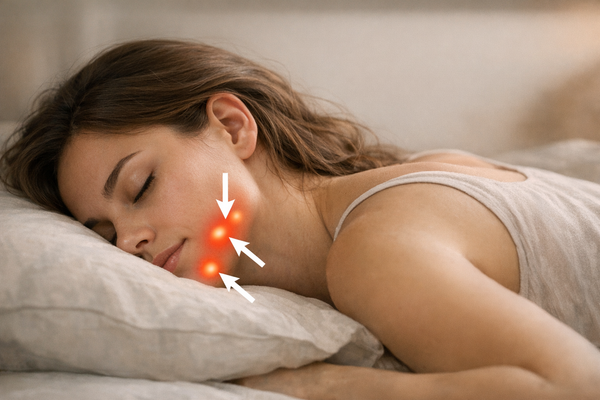
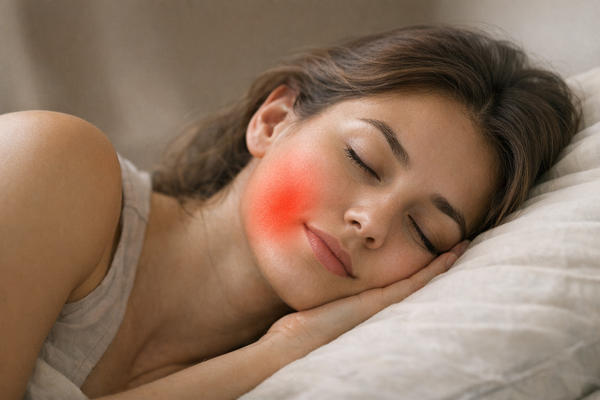
Picture this: you wake up at 3 a.m. with jaws that feel like they tried out for a heavyweight title. If that scene sounds familiar, you're not alone. Up to 15 percent of adults clench or grind their teeth while they sleep. Dentists call this behavior sleep bruxism. More importantly, you can do something about it. The solution often starts not with a fancy mouthguard but with understanding why your jaw is so tense in the first place. For more insights on distinguishing stress-induced jaw tension, check out How to Identify Jaw Clenching from Stress vs. Other Dental Issues.
Researchers have been studying this issue for decades, and the consensus is clear. Nighttime clenching is not just "in your head." It involves your sleep patterns, stress levels, and even your late-night snack choices. Keep reading to discover research-backed strategies that can help your jaw relax before sunrise.
Understanding Nighttime Teeth Clenching
Bruxism is a term for repetitive jaw-muscle activity that involves clenching, grinding, or both. Think of clenching as squeezing the steering wheel too hard and grinding as revving the engine while you do it. Clinicians divide bruxism into awake bruxism and sleep bruxism, focusing on the latter because it happens without conscious control. Learn more about its causes in Why Am I Clenching My Teeth at Night? Uncovering Unexpected Causes.
A 2016 study by Yaşaroğlu and Tektaş surveyed over 1,000 university students. It confirmed that sleep bruxism is biopsychosocial. This means biology, psychology, and social behavior all play a part. Students who engaged in late-night screen time, skipped exercise, or stressed about deadlines reported more clenching and grinding at night. This study reflects a global trend—your jaw muscles respond to life outside the dental chair.
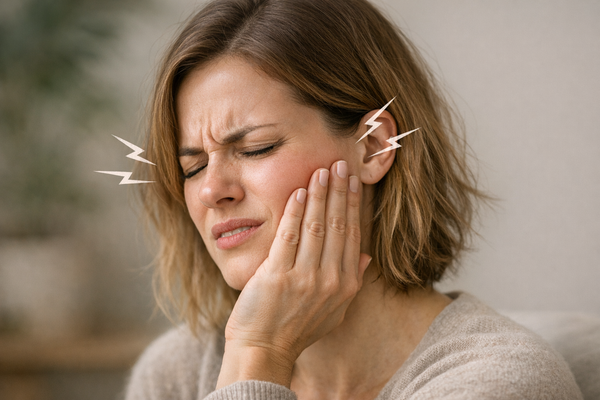
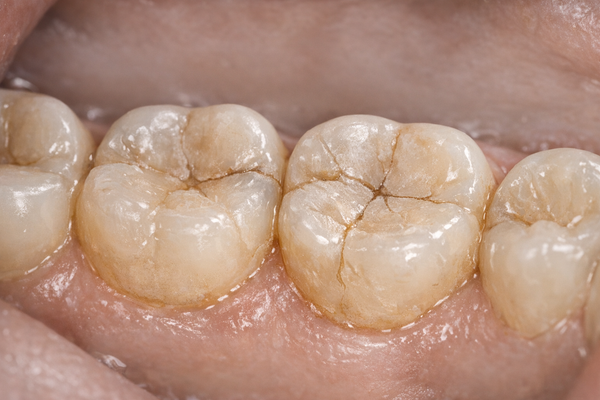
Prevalence numbers vary. The American Dental Association notes that occasional nighttime bruxism affects about one in seven adults. Severe cases are around three percent. It's common enough for dentists to screen for it, just as primary-care doctors check for high blood pressure. Left unchecked, sleep bruxism can damage enamel, fracture fillings, and ruin restorative work. It can also lead to headaches, neck stiffness, and poor sleep quality, affecting your daily performance.
Because the issue is multifactorial, the solution needs to address multiple factors. Focusing only on the teeth might miss the lifestyle triggers that keep the jaw muscles active. The following sections explore these variables, starting with changes you can control before considering a prescription or a custom splint.
The Role of Lifestyle in Managing Bruxism
Before investing in high-tech gadgets, consider making some low-tech lifestyle changes. They cost little and often provide the biggest benefits. The same study that identified smartphones and late nights as risk factors also pointed to protective factors: scheduled downtime, a consistent bedtime, and regular exercise. These echo recommendations from the Sleep Foundation and the American Dental Association. Here are three strategies you can start tonight. For related tips, visit How to Prevent Nighttime Teeth Clenching: Tips and Tricks.
Stress Management
Cortisol, your body's stress hormone, spikes under stress and keeps muscles tense. Chronic tension keeps your jaw muscles on high alert, even after lights out. A clinical review on bruxism management by Morales-Lastre et al. noted that patients who adopted stress-reduction routines—such as mindfulness, progressive muscle relaxation, or short evening walks—reported fewer nighttime clenching episodes. To explore stress-related bruxism further, read How Stress and Anxiety Trigger Teeth Clenching at Night.
- Try "box breathing" for five minutes before bed: inhale for four counts, hold for four, exhale for four, hold for four. This can help relax your body.
- Keep a worry journal. Write down tomorrow's tasks so your brain doesn't dwell on them during sleep.
- Avoid doom-scrolling news or social media for at least an hour before bed. The stimulation can keep your body aroused.
Sleep Hygiene
Sleep bruxism tends to occur during lighter sleep stages. Poor sleep hygiene can fragment these stages. A bedroom checklist can help:
- Keep the room temperature between 60°F and 67°F to promote deep sleep.
- Use blackout curtains or an eye mask to block out light, which can interrupt melatonin production.
- Stick to a consistent bedtime, even on weekends.
The Cleveland Clinic notes that quality sleep makes it less likely for your brain to send mixed signals to your jaw. In simple terms, better sleep means less jaw activity. For more on sleep's impact on teeth clenching, see How Sleep Positions Affect Teeth Clenching and Bruxism: A Guide to Avoid Jaw Pain.
Dietary Adjustments
Caffeine and alcohol can disrupt sleep and affect muscle tone. Morales-Lastre's review lists them among modifiable triggers. Avoid caffeine after 2 p.m. and replace your evening cocktail with herbal tea. Also, finish dinner two to three hours before bed to prevent sleep disruption from digestion. Limit gum chewing during the day, as it can reinforce the clenching pattern you're trying to break. Explore how diet affects bruxism in The Role of Diet in Managing Bruxism: Foods That Help Teeth Grinding.

Behavioral Interventions for Reducing Teeth Clenching
Lifestyle changes set the stage, but sometimes the jaw needs direct intervention. Behavioral dentistry now uses tools from physical therapy and wearable tech to retrain muscle memory.
Biofeedback Therapy
Biofeedback devices use sensors to alert you when your jaw muscles exceed a certain threshold. This helps you relax your muscles before tension builds. In their review titled Behavioral Dentistry in the Digital Age, Chipper and colleagues analyzed devices that connect to smartphones to provide alerts. They found significant reductions in muscle tension after four weeks of nightly training. While early devices were cumbersome, newer patches are more discreet. Consistency is key; wear the device at least five nights a week for a month to see results.
Biofeedback offers two benefits: no pharmaceuticals and the ability to retrain awake bruxism too. If you find yourself clenching during the day, set a timer to check your posture and jaw hourly. When it rings, let your tongue rest lightly against your palate, keeping your lips closed and teeth apart. This "lips together, teeth apart" mantra is simple yet effective advice. For more on biofeedback, visit Exploring Biofeedback Therapy for Bruxism Treatment.
Jaw Exercises
Just like tight muscles elsewhere, jaw muscles can benefit from stretches and controlled movements. Morales-Lastre's review lists isometric and range-of-motion exercises as effective therapies. Here's a simple routine:
- Place your tongue on the roof of your mouth. Slowly open and close your jaw ten times without moving your tongue.
- Use your fist under your chin as resistance and gently open your jaw against it for five seconds. Repeat five times. Then, use your palm for side resistance.
- Finish by massaging your masseter muscles in small circles for two minutes.
Jaw exercises improve proprioceptive awareness—knowing where your jaw is in space. Studies show better proprioception correlates with less daytime clenching. For a deeper dive into jaw relaxation, see Best Jaw Relaxation Techniques for Nighttime Clenchers.
The Role of Occlusal Splints and Dental Devices
Enter the night guard. Occlusal splints don't cure bruxism, but they protect your teeth. A narrative review on bruxism complications in implant dentistry by Shafiee and Nourizadeh highlights that splints redistribute bite forces and protect porcelain crowns from breaking. To learn how to choose a night guard, check out How to Choose the Right Bruxism Mouth Guard: A Comprehensive Guide.
Types of splints include:
- Soft boil-and-bite guards: Affordable but wear out quickly and may encourage chewing motions.
- Hard acrylic full-arch splints: Custom-made by dentists, these are durable and provide balanced occlusion.
- Mandibular advancement devices: These pull the lower jaw forward and are mainly used for patients with mild obstructive sleep apnea.
Benefits:
- They flatten cusps, allowing lateral grinding to slide rather than catch.
- Acrylic thickness can reduce bite force subconsciously.
- They serve as a reminder to relax your jaw, even while half asleep.
Limitations:
- They require daily cleaning with non-abrasive soap to prevent bacteria buildup.
- Hard splints can cost between $300 and $1,000, with variable insurance coverage.
- They can shift tooth position if not properly adjusted. Follow-up visits are essential.
A splint works best when combined with behavioral and lifestyle changes. Otherwise, you're just replacing grinding enamel with grinding acrylic without addressing the root causes.
Exploring Medical Treatments: Botulinum Toxin and More
If lifestyle changes, behavioral interventions, and splints don't stop the clenching, medical options are available. These should always involve a discussion with a dentist and a physician because they affect muscle function and overall health.
Botulinum Toxin Injections
Botulinum toxin type A weakens overactive muscles by blocking acetylcholine release. Randomized trials show it reduces bite force and muscle tension within days. However, a 2025 study by De Luca Canto et al. found bias in published papers, which often exaggerate efficacy and downplay side effects.
This doesn't mean the injections never work, but you should weigh the pros and cons carefully:
- Pros: Relief within a week, lasts three to six months, no nightly compliance required.
- Cons: Temporary chewing weakness, possible asymmetrical smile, costs $300 to $700 per session, and requires repeat injections.
A review by Węgrzecka et al. suggests reserving botulinum toxin for severe bruxism that causes pain or when dental work keeps failing. Always ensure the clinician uses EMG or ultrasound guidance for accuracy. For advanced bruxism treatments, explore Exploring Advanced Clinical Treatments for Bruxism: Cutting-Edge Solutions.
Medication
Pharmacologic options include:
- Muscle relaxants (e.g., clonazepam, cyclobenzaprine): Taken at bedtime for short periods, they can reduce muscle activity but may cause morning grogginess and dependence. Exploring Muscle Relaxants for Bruxism: An Effective Treatment Option? offers more insights.
- Low-dose tricyclic antidepressants: These modulate pain pathways rather than bite force. Dentists may co-manage them with physicians for patients who also have tension-type headaches.
The evidence is limited. Morales-Lastre et al.'s review lists medication as adjunctive, not primary, due to variable results and side effects. Medication can provide temporary relief while behavioral training takes effect, rather than being a long-term solution.
Addressing Bruxism in Special Populations
Not all jaws are the same. Certain groups need tailored strategies because of medications they take or dental hardware they have.
Antidepressant Users
Selective serotonin reuptake inhibitors (SSRIs) and serotonin-norepinephrine reuptake inhibitors (SNRIs) have been linked to increased bruxism. A clinical review by Jamwal et al. notes that serotonin affects brainstem pathways that regulate jaw movements. If you started clenching after a dose change, talk to your doctor. Options include lowering the dose, switching medications, or adding buspirone, which has been anecdotally effective in reducing drug-induced bruxism.
While medication adjustments are pending, focus on oral strategies: a custom hard splint, strict caffeine curfew, and diligent jaw exercises can help prevent damage.
Dental Implant Patients
Implants lack the periodontal ligament found in natural teeth, so they don't absorb shock as well. Shafiee and Nourizadeh's 2025 review details complications like screw loosening, porcelain fractures, and implant failure. If you have implants and bruxism, your dentist may:
- Design a hard occlusal splint with a metal framework for extra durability.
- Use shock-absorbing materials under implant crowns.
- Schedule frequent check-ups to retighten screws before they loosen.
In severe cases, botulinum toxin can reduce forces on implants while other interventions take effect.
Conclusion: Toward a Bruxism-Free Night
Nighttime clenching is a complex issue involving your brain, muscles, daily habits, and sometimes your pharmacy. Start with simple changes: cut late caffeine, practice relaxation before sleep, maintain a consistent bedtime, and stretch your jaw. Add behavioral tools like biofeedback or jaw exercises. If damage continues, a properly fitted hard occlusal splint can protect your teeth.
Medical treatments, such as botulinum toxin or muscle relaxants, are reserved for stubborn cases. Special populations, like those on antidepressants or with dental implants, need extra care and customized strategies.
Bruxism management is multifaceted. Combining lifestyle changes, behavioral training, and professional devices offers the best chance of letting your jaw rest when you do. If self-help efforts stall, consult a dentist or sleep physician before both your enamel and sanity wear thin.