Do You Need a Mouth Guard for Daytime Clenching? Exploring Effective Solutions
Discover if a mouth guard is the right solution for daytime teeth clenching.
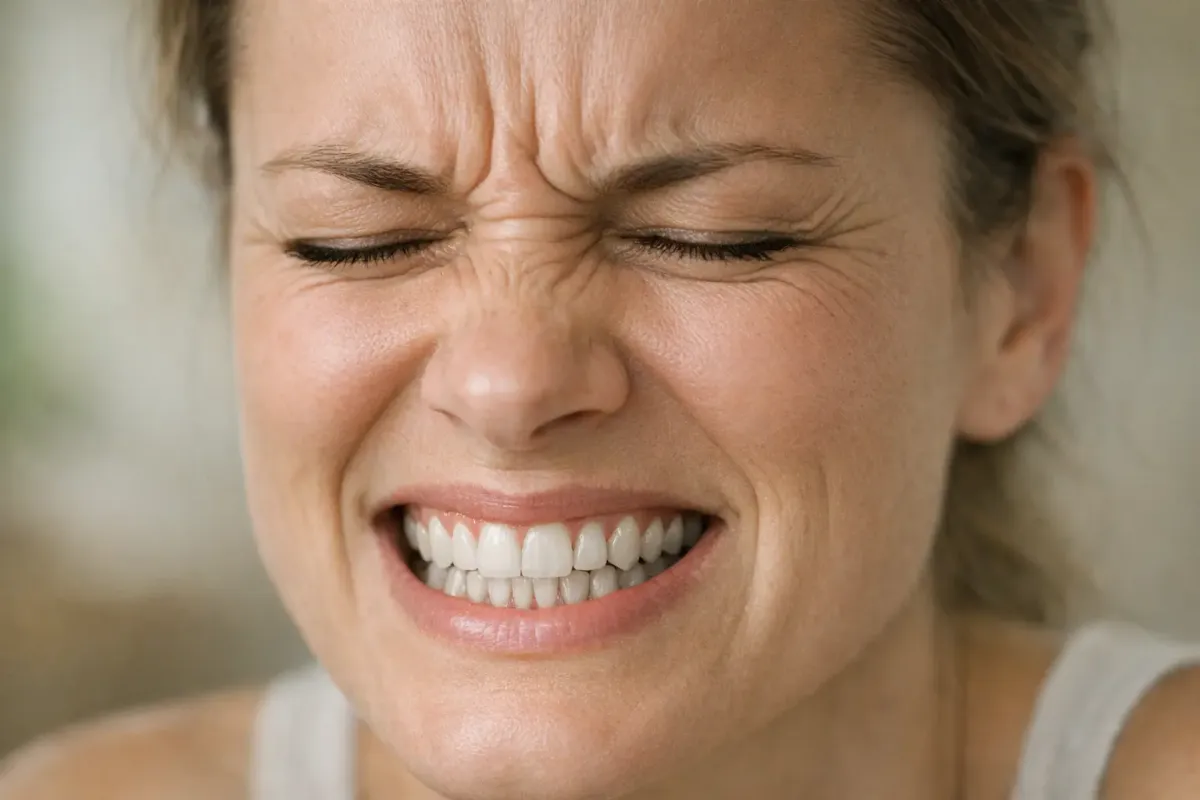
You wake up with sore jaw muscles, push through morning meetings, and catch yourself crushing your molars while staring at emails. Sound familiar? Daytime clenching, a cousin of nighttime bruxism, is sneaky, common, and rough on teeth. Before you rush to the drugstore for a mouth guard, it helps to know what science says about why you clench and which solutions work best. This article walks you through the evidence so you can decide whether a daytime mouth guard deserves a spot in your mouth, or if another strategy will serve you better.
If you have already decided you want one, skip ahead to our shortlist of over-the-counter guards for daytime clenching, which covers what to look for in a thinner awake-wear guard and where the cheap ones fall down.
Everything here comes from peer-reviewed research, dental-school textbooks, and authoritative health organizations. No urban legends, no fluffy promises. Just data, plain language, and a dash of attitude to keep things lively.
Understanding Daytime Clenching: Causes and Symptoms
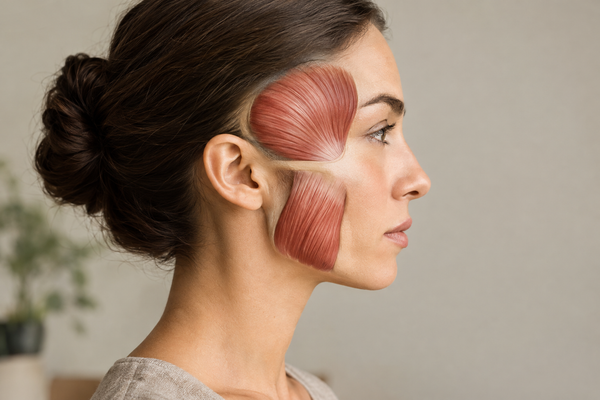
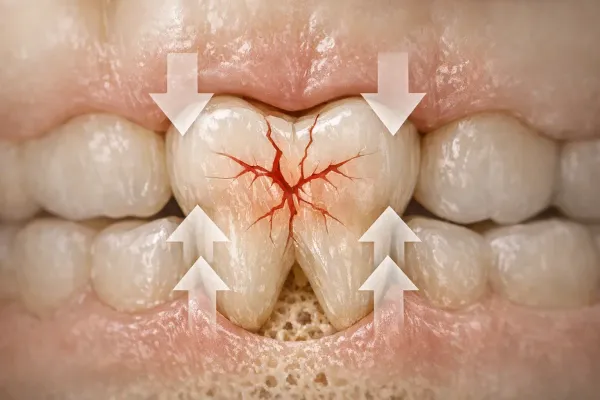
Clenching while awake is called “awake bruxism.” It is the habit of squeezing your upper and lower teeth together when you are not chewing or swallowing. Dentists lump grinding and clenching under bruxism, but the motions differ. Grinding slides the teeth side to side. Clenching is more of a power press. Both can chip enamel, strain jaw joints, and cause headaches.
The Science Behind Daytime Bruxism
Large surveys suggest that 20 to 30 percent of adults clench or grind when awake. A 2025 study by Pollis et al. found a link between daytime bruxism and daytime sleepiness in patients with obstructive sleep apnea. People who are already fatigued may tense their jaws without noticing.
Stress, anxiety, and mood disorders are big players too. A cross-sectional study of dental students published in 2022 by Turcio et al. showed that higher scores for anxiety and stress correlated with self-reported daytime clenching. Humans hold tension in their muscles, and the jaw is prime real estate for that tension.
Daytime bruxism shares several triggers with its nighttime counterpart:
- Psychological stress (work deadlines, family conflicts)
- High caffeine or nicotine intake
- Certain medications that ramp up the nervous system (like some antidepressants)
- Sleep disorders such as obstructive sleep apnea
Typical symptoms include:
- Dull headache behind the eyes or temples
- Tight, tired, or painful jaw muscles by late afternoon
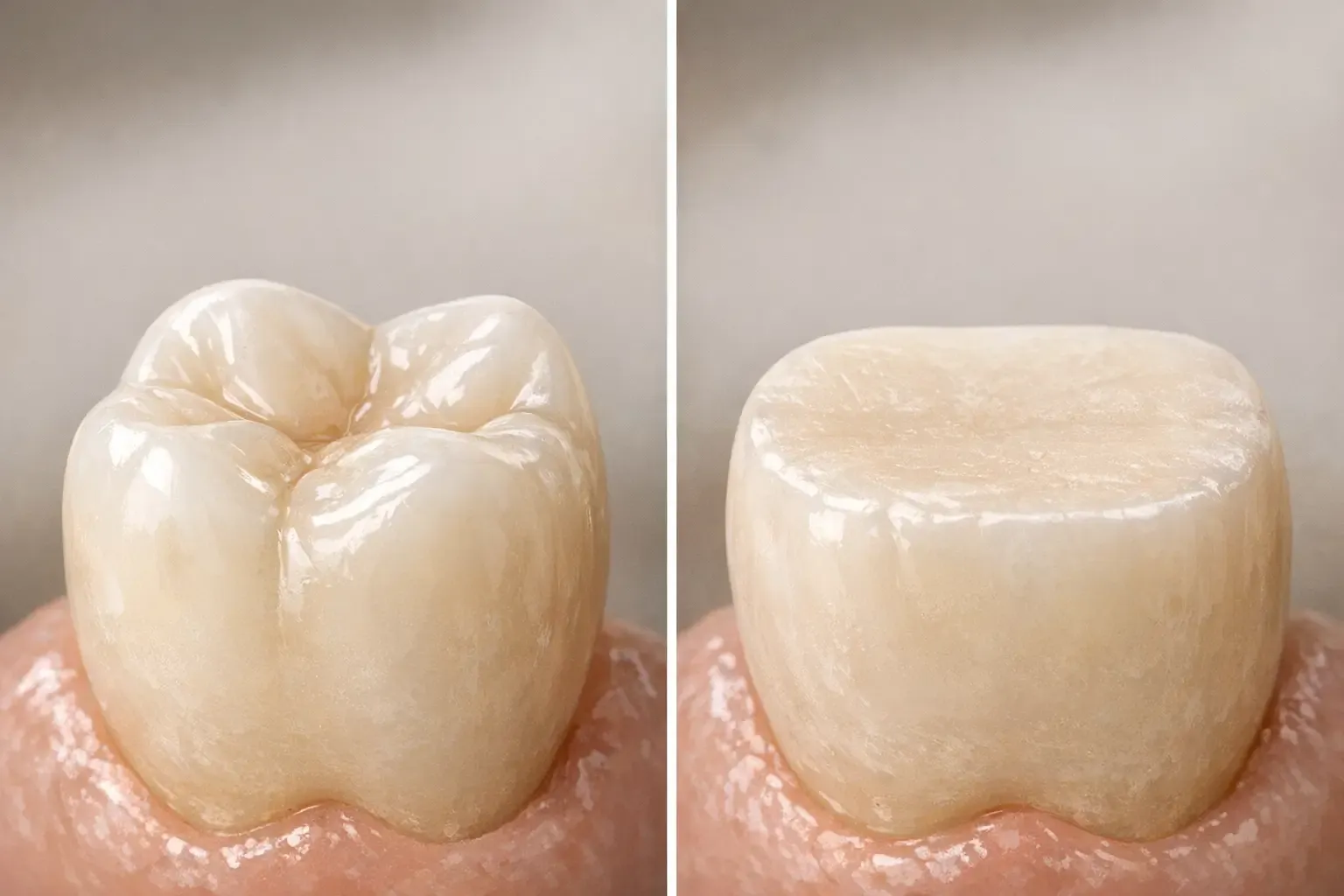
- Flattened or chipped teeth that look “sanded”
- Receding gums or loose teeth in advanced cases
- Clicks or pops in the temporomandibular joint (TMJ)
Many people clench unconsciously while focusing on tasks: coding, driving, scrolling social media. They only notice when pain flares or a coworker hears the noise. The American Dental Association confirms that most clenchers are unaware until a dentist points out wear patterns during a checkup.
Ignoring the problem has real downsides. Chronic clenching can fracture fillings, chip veneers, and inflame the TMJ. Understanding why you clench is step one toward protecting your teeth and jaw.
The Role of Mouth Guards in Managing Daytime Clenching
Mouth guards—also called occlusal splints or bite plates—offer a mechanical barrier between your upper and lower teeth. Think of them as bumper guards at a bowling alley that stop the ball (your jaw) from crashing into the gutters (your enamel). When designed well, they also help your jaw muscles rest in a more relaxed position.
Types of Mouth Guards Available
You will encounter three main categories:
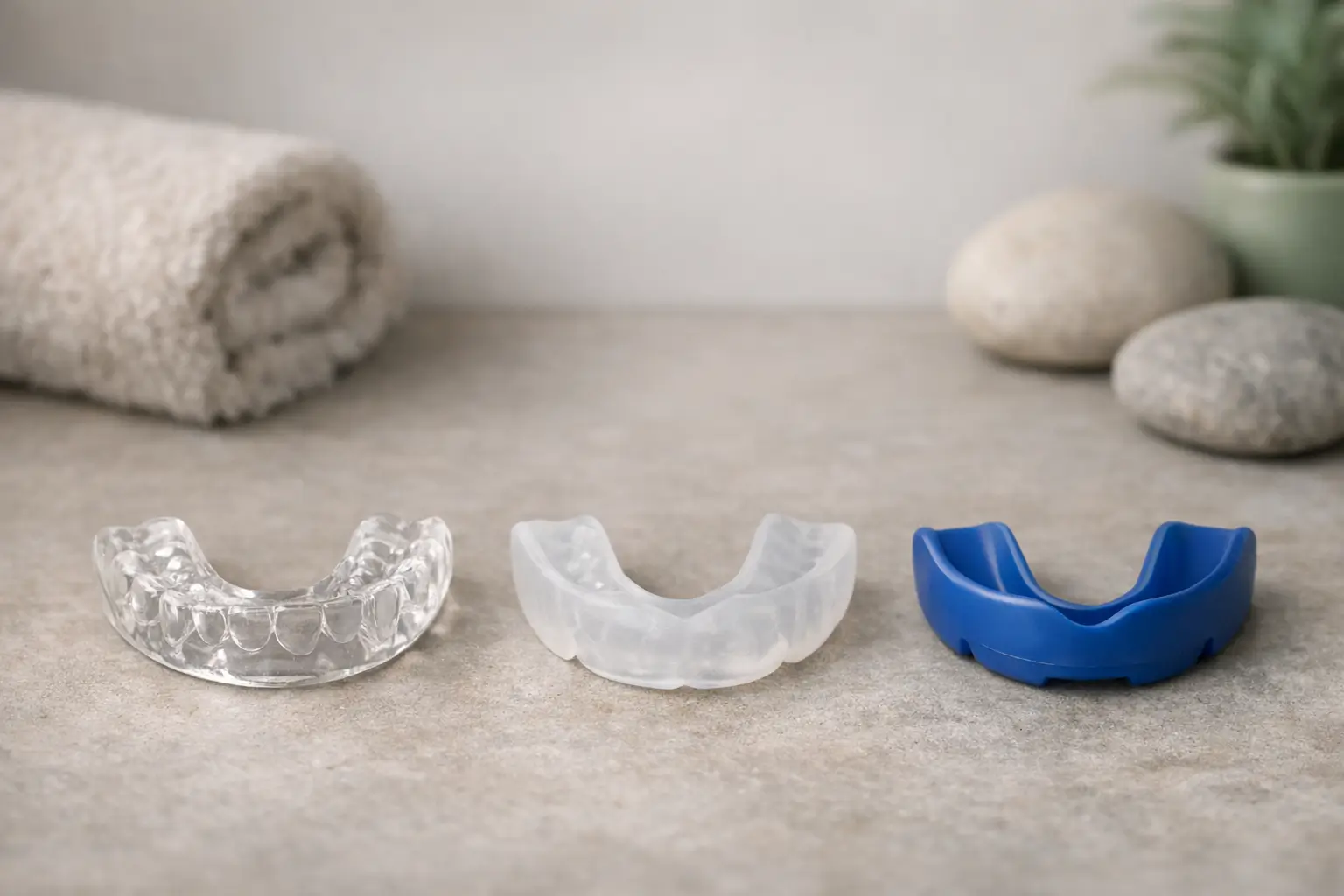
- Custom-fitted guards: Made from a dental impression or 3-D scan of your teeth. They fit like a glove, last several years, and are the gold standard for comfort and function. A full-arch splint can be hard acrylic or a soft-hard combo.
- Boil-and-bite guards: Over-the-counter trays from sporting-goods or drug stores. You dunk them in hot water, bite to shape them, and trim excess plastic. They are cheap but bulky and lose shape after a few months.
- Stock guards: Pre-formed, no adjustment. They are inexpensive but often feel like chewing on a hockey puck. Most dentists skip these for clenching because the poor fit can worsen symptoms.
So how does the device actually work? A 2023 finite element analysis by Darvizeh et al. compared multilayer custom guards with boil-and-bite models. The custom design spread biting forces more evenly across tooth surfaces and cushioned the TMJ. Less localized stress means lower odds of cracks and jaw discomfort.
Other benefits include:
- Reducing tooth-to-tooth contact, which prevents wear
- Providing biofeedback. Feeling plastic between your teeth reminds you to unclench.
- Allowing muscles to find a slightly open rest position, easing fatigue
However, a daytime guard has to be thin enough for speech and swallowing, yet thick enough to survive biting forces. Balancing those demands is easier when the guard is custom-milled from a rigid yet slim material, typically 1.0–1.5 mm for upper or lower arches.
Cost varies heavily. In the United States, custom guards run $300–$800 through a dentist, while boil-and-bite models cost $20–$40. Dental insurance sometimes covers a fraction if the dentist documents a bruxism diagnosis.
Maintenance is simple: brush the guard daily with non-abrasive cleaner, store it in a ventilated case, and avoid hot water that can warp the material. A stinky, misshapen guard does you no favors, so clean it like a retainer.
Evaluating the Effectiveness of Daytime Mouth Guards
If you are going to wear plastic in your mouth for eight hours, it better pay off. Research on daytime splints is less abundant than on their nighttime counterparts, but existing data paint a supportive picture.
The purpose-built daytime option
Sentinel No-Show Day Guard, $180. Most so-called day guards are a thinner version of a night guard. This one is designed as a daytime appliance from the start, which is the distinction that matters if you are going to wear it at a desk or in meetings. Sentinel have made guards in-house in Florida for over a decade.
They accept a home impression kit or a digital scan (.STL) if your dentist already has one, which skips a step most direct-to-consumer labs make you repeat.
Read the refund terms first. Sentinel deduct $23 from refunds, an exchange ends refund eligibility on that order, and impressions have to go back within six months. Nothing unusual for a custom-made product, but they are the things people get caught by. Our full Sentinel review goes through the lot.
Affiliate link. If you buy through it we earn a commission, at no extra cost to you. How this works.
Clinical Studies and User Experience
An observational study using the T-Scan system by Vlăduțu et al. in 2023 evaluated bite forces in dental students. Participants wearing custom guards displayed a 28 percent reduction in peak occlusal force compared to baseline. Lower forces mean less trauma to teeth and periodontal ligaments.
On the electromyography front, Saito et al. (2022) measured masseter muscle activity during daytime tasks. Subjects who wore slim lower-arch guards showed a drop in muscle activity after a short acclimation period, suggesting the guard acted as a biofeedback tool that discouraged clenching.
User anecdotes echo these findings. In a 2023 online survey by the Cleveland Clinic, 64 percent of daytime clenchers reported fewer headaches within two weeks of wearing a well-fitted guard. The survey is not peer-reviewed, but it aligns with clinical impressions dentists share at professional conferences.
Limitations and drawbacks include:
- Speech interference: Even a thin guard can cause a slight lisp until you adapt. Phone calls on day one might sound funny.
- Dry mouth: Trapping saliva against plastic alters its normal flow. Sipping water helps.
- Compliance: A guard only works when it is in your mouth. Desk workers often remove it for coffee, calls, or snacks and forget to put it back.
- Occlusal changes: In rare cases, long-term constant wear can shift bite alignment. Regular dental checkups catch problems early.
The bottom line: a custom daytime guard is not a cure for clenching, but it is an effective shield that protects teeth while you tackle root causes like stress and posture. For most people who tolerate it, the benefits outweigh the hassles.
Alternative Solutions for Daytime Clenching
Mouth guards are helpful, yet they should not be your only tool. Clenching is a behavioral habit with muscular and psychological layers, so a multi-pronged plan works best.
Behavioral and Lifestyle Modifications
A study on parafunctional habits among medical students by Zemowski et al. (2025) linked daytime bruxism to high stress scores and poor sleep hygiene. Participants who adopted relaxation routines saw a measurable drop in jaw pain, even without guards. Here are evidence-backed options you can try:
- Awareness training: Place sticky notes on your laptop and steering wheel labeled “Lips together, teeth apart.” Closing your lips while keeping teeth disengaged is the neutral jaw posture recommended by the Mayo Clinic.
- Mindfulness and breathing: Box breathing (inhale 4, hold 4, exhale 4, hold 4) calms the autonomic nervous system. Less cortisol equals less muscle tension.
- Jaw exercises: Gentle controlled opening, chin-tucks, and resisted mouth opening can strengthen stabilizer muscles and teach proper alignment. Physical therapists often guide these movements.
- Posture fixes: Slouching pushes the head forward, straining jaw muscles. Ergonomic desk setups and occasional “chin tuck then elongate” stretches help.
- Cutting stimulants: Dialing back on coffee, energy drinks, and vaping reduces nervous energy that feeds clenching.
- Cognitive behavioral therapy (CBT): CBT tackles the mental loops that drive stress and anxiety, indirectly easing bruxism.
Tech tools can help. Smartphone apps send vibration cues when they detect prolonged jaw tension through facial EMG sensors. While still experimental, they show promise as real-time reminders to relax your bite.
Diet choices matter too. A diet rich in anti-inflammatory foods, such as leafy greens and omega-3 fatty acids, may lower muscle soreness. Chewing gum, however, is a double-edged sword. Sugar-free gum can act like weight training for the jaw and worsen fatigue if overdone. Moderation is key.
Finally, sleep hygiene cannot be ignored. Poor sleep quality can heighten daytime sleepiness, which in turn raises clenching risk, as noted by Pollis et al. Maintaining consistent bedtimes, limiting screens at night, and assessing for sleep apnea create a solid foundation for daytime jaw health.
When to Seek Professional Help
A mouth guard and self-care plan are useful, but sometimes you need backup. How do you know? Look for red flags and persistent issues that do not budge after a month of diligent effort.
Signs You Need a Dentist or Specialist
- Sharp or shooting TMJ pain that radiates to the ear
- Limited jaw opening under 35 millimeters (roughly the width of three stacked fingers)
- Cracked teeth, broken fillings, or crowns popping off more than once
- Neck pain or headaches that worsen despite guard use and relaxation exercises
- Scalloped tongue edges from constant tooth pressure
- Clicking or locking that disrupts eating or speaking
Dentists have several tools beyond guards. They can adjust high bite spots, prescribe muscle relaxants for short-term relief, or refer you to an orofacial pain specialist. If obstructive sleep apnea is suspected, a sleep study may follow. A recent review on sleep apnea in adults by van Looij et al. (2026) highlights that treating apnea often reduces both nighttime and daytime bruxism.
In complicated cases, a team approach works best. A dentist handles dental damage, a physical therapist re-educates muscles, and a psychologist or psychiatrist addresses anxiety drivers. Modern care is collaborative for a reason: jaws sit at the crossroads of multiple systems.
If you suspect medications contribute to clenching, talk with your prescribing doctor. Never stop meds abruptly, but do ask if alternative drugs or dose adjustments are possible.
Conclusion
Daytime clenching is not just a quirky habit; it can chip away—literally—at your smile and quality of life. Research shows that custom-fitted mouth guards reduce bite forces, ease muscle activity, and protect enamel. They are especially handy while you retrain your jaw and tackle stress. Still, a guard is a shield, not a cure. Behavioral tweaks, relaxation drills, and professional guidance round out the playbook.
If you catch yourself crushing your teeth during that next marathon Zoom call, remember: lips together, teeth apart. Slip in the guard if you have one, stretch your neck, breathe slowly, and keep an eye on how your jaw feels. When in doubt, loop in your dentist. Your teeth will thank you for the backup.